

Not available
Blyths Leaf-warbler
Phylloscopus reguloides
Last update: 10 Mar 2026
Read in:
English
Español
Português
हिन्दी
বাংলা
தமிழ்
മലയാളം
मराठी
ગુજરાતી
తెలుగు
French
Deutsch
Русский
日本語
简体中文
Italiano
Tiếng Việt
العربية
ಕನ್ನಡ
ਪੰਜਾਬੀ
Blyths Leaf-warbler Basic Information
| Scientific Name | Phylloscopus reguloides |
|---|---|
| Status | LC Least Concern |
| Size | 10-12 cm (4-5 inch) |
| Colors |
Olive-green
Yellow
|
| Type |
Perching Birds

|
| Family | Leaf-warblers |
Introduction
The Blyth's Leaf-warbler, scientifically classified as Phylloscopus reguloides, is a fascinating member of the Phylloscopidae family. This small, active perching bird is widely recognized for its vibrant coloration and energetic movements within the forest canopy. Primarily distributed across the forested regions of South and Southeast Asia, this species serves as an indicator of ecosystem health within its natural range. Named after Edward Blyth, a renowned English zoologist who contributed extensively to the study of Asian wildlife, the bird is a favorite among avian enthusiasts for its elusive nature and distinct vocalizations.
Despite its small stature, the Blyth's Leaf-warbler plays a crucial role in its ecosystem by controlling insect populations. These birds are often found in high-altitude temperate forests, where they navigate the dense foliage with remarkable agility. Understanding this species requires a deep dive into its unique life cycle, migratory patterns, and complex nesting behaviors. Whether you are a professional ornithologist or a casual birdwatcher, studying the Blyth's Leaf-warbler offers profound insights into the diversity of the warbler family and the intricate balance of mountain forest habitats. As we explore its characteristics, we gain a greater appreciation for the delicate beauty of these feathered inhabitants of the Asian highlands.
Physical Appearance
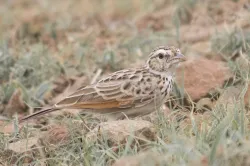
The Blyth's Leaf-warbler is a petite perching bird, typically measuring between 10 and 12 centimeters in length. Its physical appearance is characterized by a striking olive-green mantle, which provides excellent camouflage against the foliage of the deciduous and evergreen trees it inhabits. A prominent feature is the bright yellow coloration on its underparts, which contrasts beautifully with the darker olive tones of its upper body. The bird displays a distinct yellow wing bar and a yellowish supercilium—the stripe above the eye—which is a key diagnostic feature for birdwatchers attempting to distinguish it from other similar leaf warblers.
Its bill is relatively thin and sharp, perfectly adapted for gleaning small insects from leaves and twigs. The legs are slender, supporting its highly active lifestyle. The plumage remains relatively consistent across both sexes, though subtle variations can occur depending on the subspecies and the time of year. During the breeding season, the colors often appear more vibrant, aiding in courtship displays. The overall morphology of the Blyth's Leaf-warbler is designed for efficiency and speed; its aerodynamic shape and lightweight frame allow it to hover momentarily or perform quick, darting flights to capture prey. Every aspect of its physical build, from the coloration to the wing structure, is finely tuned for survival in a complex, three-dimensional forest environment.
Habitat
Blyth's Leaf-warblers are predominantly found in the mountainous forest regions of Asia, ranging from the Himalayas to parts of Southern China and Southeast Asia. They prefer high-altitude temperate and subtropical broad-leaved forests, often seen in areas with dense undergrowth and a complex canopy structure. These birds are highly dependent on healthy forest ecosystems, utilizing the middle and upper levels of trees for nesting and foraging. During the winter months, some populations exhibit altitudinal migration, moving to lower elevations to escape the harsh conditions of the high mountain peaks, ensuring they remain in environments where insect prey is still available.
Diet
The diet of the Blyth's Leaf-warbler consists almost entirely of insects and other small invertebrates, making it an essential insectivore within its habitat. They are highly skilled at gleaning, a foraging technique where they meticulously inspect the undersides of leaves, bark crevices, and small twigs to find caterpillars, spiders, beetles, and small flies. Their sharp, narrow bills are specifically evolved to extract these tiny organisms from tight spaces. Occasionally, they may perform short, agile fly-catching maneuvers to snatch winged insects from the air. By consuming a large volume of insects, they provide a valuable service to the forest by preventing pest outbreaks.
Breeding and Nesting
The breeding season for the Blyth's Leaf-warbler typically occurs during the spring and early summer months, coinciding with the peak availability of insect prey. They are solitary nesters, often choosing secluded locations such as mossy banks, rock crevices, or holes in trees to build their nests. The nest itself is a cup-shaped structure meticulously woven from moss, lichen, fine grass, and spider silk, providing both camouflage and thermal insulation for the developing chicks. The female usually takes the lead in construction and incubation, while both parents participate in the demanding task of feeding the brood. A typical clutch size ranges from three to five eggs, which are white with small reddish spots. The parents are incredibly secretive near the nesting site, often avoiding direct flight paths to the nest to prevent detection by predators, showcasing a high level of maternal and paternal instinct.
Behavior
Known for its restless and energetic behavior, the Blyth's Leaf-warbler is rarely seen sitting still for long. It moves rapidly through the foliage, often hanging upside down to reach insects on the undersides of leaves. Their song is a series of high-pitched, rhythmic notes that can be heard echoing through the forest canopy during the breeding season. They are generally territorial during this period, defending their immediate foraging area from other warblers. Outside of the breeding season, they may join mixed-species foraging flocks, which provides them with increased protection from predators by having more eyes to scan the surrounding environment for potential threats.
Conservation Status - LC Least Concern
Currently, the Blyth's Leaf-warbler is classified as a species of Least Concern by the IUCN. While their population appears stable across much of their extensive range, they are not immune to threats. Habitat loss due to deforestation, climate change affecting high-altitude forest ecosystems, and the degradation of nesting sites remain significant concerns. Protecting the integrity of old-growth forests is vital for their long-term survival. Continued monitoring and conservation efforts that focus on maintaining forest corridors will ensure that this vibrant species continues to thrive in its natural mountain habitats for future generations to observe.
Interesting Facts
- They are expert camouflagers, perfectly mimicking the green and yellow tones of the forest canopy.
- The species was named after the prominent zoologist Edward Blyth.
- They possess a unique, high-pitched song that is distinct from other warblers in the same region.
- Blyth's Leaf-warblers are known to join mixed-species bird flocks during the winter months.
- They play a critical role in controlling forest insect populations by feeding on larvae.
- These birds are highly agile and can hover briefly to catch insects mid-flight.
- Their nests are architectural marvels, often incorporating spider webs for structural integrity.
Tips for Birdwatchers
To successfully spot a Blyth's Leaf-warbler, patience and a keen ear are your best tools. Focus your search in high-altitude, broad-leaved forests during the spring, when the males are most active and vocal. Use a high-quality pair of binoculars to scan the canopy, specifically looking for small, fast-moving birds with yellowish underparts. Learning their distinct song beforehand is highly recommended, as it will often alert you to their presence long before you see them. Avoid sudden movements, as these birds are naturally skittish. Early morning is the best time for observation, as the birds are most active while foraging. Persistence is key, as their camouflage makes them notoriously difficult to track among the leaves.
Pro-Tip: To spot this bird in dense forest canopy, a 8x42 binoculars or telescope is highly recommended.
- [Check out our top recommended gear here]
Conclusion
In conclusion, the Blyth's Leaf-warbler (Phylloscopus reguloides) is a remarkable example of nature's adaptation to high-altitude forest environments. From its vibrant olive-green and yellow plumage to its highly specialized foraging techniques, this bird embodies the complexity and beauty of the avian world. As we have explored, their role as insectivores is vital to the health of the mountainous ecosystems they inhabit, and their secretive nesting behaviors highlight the incredible lengths to which these small birds go to ensure the survival of their offspring. While they are currently considered a species of least concern, we must remain vigilant regarding the conservation of their forest homes, as habitat loss poses a constant threat to biodiversity.
For birdwatchers, the Blyth's Leaf-warbler represents a rewarding challenge. Its elusive nature, combined with its energetic movements and specific vocalizations, makes every successful sighting a memorable experience. By respecting their habitat, practicing ethical birdwatching techniques, and supporting environmental preservation, we can ensure that these tiny, active warblers continue to brighten the canopy of Asian forests. Whether you are studying their biology or simply admiring their beauty from afar, the Blyth's Leaf-warbler serves as a gentle reminder of the intricate connections within our natural world, encouraging us all to appreciate and protect the diverse life forms that share our planet.
Tag:

200 Follower
is a writer who draws. He’s the Bestselling author of “Number of The Year”. Donec vitae tortor efficitur, convallis lelobortis elit.
Recent Posts





Subscribe For Daily Newsletter

