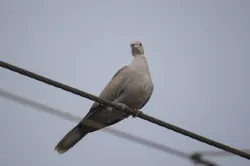
Common Squirrel-cuckoo Basic Information
| Scientific Name |
Piaya cayana
|
| Status |
LC
Least Concern
|
| Size |
38-50 cm (15-20 inch)
|
| Colors |
|
| Type |
|
| Family |
Cuckoos |
Introduction
The Common Squirrel-cuckoo (Piaya cayana) is a fascinating and charismatic member of the Cuculidae family, widely distributed across the Neotropical regions of the Americas. Unlike many of its relatives, which are often elusive or shy, this species is frequently observed moving through the mid-canopy of forests with a unique, deliberate grace. Its common name is derived from its peculiar habit of scurrying along tree branches and leaping between limbs, a movement reminiscent of a squirrel navigating a canopy. As a perching bird that prefers the dense foliage of woodlands, the Common Squirrel-cuckoo plays a vital role in tropical ecosystems by regulating insect populations. Bird enthusiasts and ornithologists alike are often captivated by its long, graduated tail and its striking, colorful plumage, which sets it apart from other cuckoo species. Understanding the biology and ecological requirements of the Piaya cayana provides valuable insight into the health of the diverse tropical habitats it calls home.
Physical Appearance
The Common Squirrel-cuckoo is a medium-to-large bird, measuring approximately 38 to 50 centimeters in length, with a significant portion of that length attributed to its impressively long, graduated tail. Its plumage is primarily characterized by a rich, warm brown on the upperparts, which transitions into a deep, vibrant rufous hue on the underparts and wings. This color palette acts as effective camouflage within the dappled light of the forest canopy. One of the most distinctive features of the Piaya cayana is its bright, yellow-to-green bill, which curves slightly downward and contrasts sharply with its dark, expressive eyes. The tail feathers often feature prominent white tips, which are frequently fanned out during flight or courtship displays, creating a striking visual contrast. The bird’s legs are typically a dull grey or yellowish, providing a sturdy base for its acrobatic movements. With its slender build and elongated silhouette, the Common Squirrel-cuckoo is easily distinguishable from other perching birds in its range, making it a favorite for those practicing bird identification in the neotropics.
Habitat
The Common Squirrel-cuckoo is highly adaptable and occupies a wide variety of wooded environments throughout Central and South America. It is most commonly found in the mid-to-upper levels of humid lowland forests, gallery forests, and secondary growth woodlands. They are also frequently spotted in forest edges, clearings, and occasionally in semi-open habitats such as plantations or orchards, provided there is sufficient tree cover. Unlike some species that require pristine primary forest, the Piaya cayana has shown a remarkable ability to persist in fragmented landscapes. They prefer areas with dense vegetation that allows them to forage stealthily while remaining protected from aerial predators. Their distribution spans from Mexico through most of South America, highlighting their versatility across diverse tropical climates.
Diet
As an insectivorous species, the Common Squirrel-cuckoo maintains a diet consisting primarily of large insects and other small invertebrates. They are known to be expert hunters, specifically targeting caterpillars, crickets, beetles, wasps, and even small spiders. A unique aspect of their feeding behavior is the consumption of hairy caterpillars, which many other birds avoid due to the presence of stinging or irritating hairs. Beyond insects, they occasionally supplement their diet with small lizards or fallen fruits, showing a degree of dietary flexibility when their primary food sources are scarce. They typically forage by hopping along branches, peering under leaves, and snatching prey with their specialized bills before returning to a secure perch to consume their meal.
Breeding and Nesting
The breeding biology of the Common Squirrel-cuckoo is quite distinct from the well-known brood parasitism observed in many other cuckoo species. Piaya cayana is not a brood parasite; instead, they build their own nests, which are typically cup-shaped structures constructed from twigs, leaves, and other plant matter. These nests are generally concealed within dense foliage in the mid-canopy or tangled vine clusters to avoid detection by predators. A typical clutch consists of two to three white eggs, which both parents share the responsibility of incubating. The parents are remarkably attentive, working together to defend the nest site and provide food for the growing chicks. This parental care is essential for ensuring the survival of their offspring in the highly competitive and predator-rich environment of the tropical canopy, where the young remain until they are fully fledged and capable of flight.
Behavior
The behavior of the Common Squirrel-cuckoo is defined by its agility and cautious nature. While they are not particularly vocal, they occasionally emit a harsh, metallic call that echoes through the forest. When moving through the trees, they rarely fly long distances; instead, they prefer to scramble and leap between branches, effectively maneuvering through dense vegetation. They are generally solitary creatures, though pairs may be observed during the breeding season. Their flight is characterized by short, gliding bursts, often revealing the white-tipped tail feathers. They are vigilant birds, often pausing to scan their surroundings before making a quick movement to capture prey, ensuring they remain elusive to both predators and observers.
Conservation Status
-
LC
Least Concern
The Common Squirrel-cuckoo is currently classified as a species of Least Concern by the IUCN. Due to its wide distribution and ability to thrive in secondary forests and fragmented landscapes, the species does not face immediate threats of extinction. However, like many tropical birds, it remains vulnerable to the ongoing loss of forest cover caused by deforestation and agricultural expansion. Protecting large, continuous tracts of forest is vital for maintaining healthy populations. Continued monitoring of their habitat usage is necessary to ensure that their ecological needs are met as land-use patterns continue to shift across their range.
Interesting Facts
- Unlike many cuckoos, the Common Squirrel-cuckoo is not a brood parasite and builds its own nest.
- Their long, white-tipped tail is often used for balance while moving through the canopy.
- They are known to consume hairy caterpillars that are toxic or irritating to most other birds.
- The bird's name comes from its squirrel-like movement of leaping and running along tree branches.
- They are highly adaptable and can survive in both primary rainforests and human-altered landscapes.
- The species exhibits a unique, slightly downward-curved bill that aids in extracting prey from crevices.
- They are often heard before they are seen, thanks to their distinct, sharp, metallic-sounding calls.
Tips for Birdwatchers
To spot the Common Squirrel-cuckoo, patience and sharp ears are your best tools. Because they spend most of their time in the mid-canopy, look for movement in the dense foliage rather than scanning the treetops. Listen for their distinctive, metallic 'kip' or 'ka-ka' calls, which often signal their presence before they are visible. Early mornings are the best time for observation, as the birds are most active while foraging. Using high-quality binoculars is essential, as the bird’s rufous and brown plumage often blends perfectly with the shadows of the forest. If you see one, stay still; these birds are cautious and may freeze if they detect movement. By focusing on forest edges and secondary growth areas, you increase your chances of witnessing their acrobatic hunting behavior firsthand.
Conclusion
In conclusion, the Common Squirrel-cuckoo (Piaya cayana) stands out as a remarkable example of avian adaptation within the Neotropics. With its striking rufous plumage, elongated tail, and specialized insectivorous diet, it occupies a unique niche in the forest canopy. Unlike many of its famous brood-parasitic relatives, the Common Squirrel-cuckoo demonstrates dedicated parental care, building nests and raising its young with precision. Its ability to navigate fragmented habitats makes it a resilient species, yet it remains an essential indicator of the health of our tropical woodlands. For birdwatchers, observing this bird—whether it is scurrying along a branch or launching into a gliding flight—is a rewarding experience that highlights the beauty and diversity of tropical birdlife. As we continue to study and protect the habitats of the Piaya cayana, we gain a deeper appreciation for the complex interactions that sustain life in the rainforest. Whether you are a seasoned ornithologist or a casual enthusiast, the Common Squirrel-cuckoo offers endless fascination and serves as a reminder of the intricate wonders found within the natural world. Protecting the forests they inhabit ensures that future generations can continue to enjoy the sight of these elegant 'squirrels of the sky' as they go about their daily lives in the canopy.
Common Squirrel-cuckoo Distribution Map & Range
The distribution map for this species will be available soon.
We are working with our official data partners to update this information.