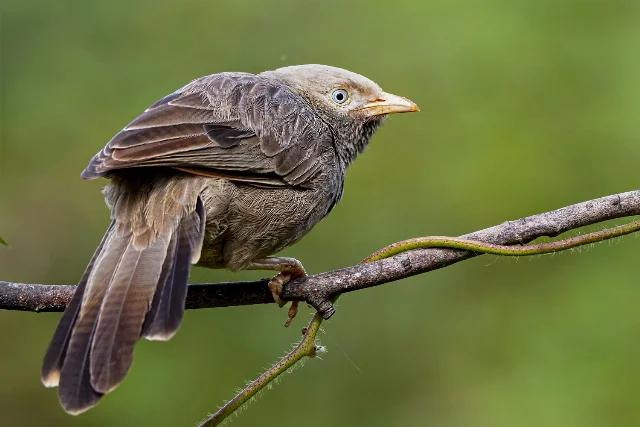
Pechora Pipit Basic Information
| Scientific Name | Anthus gustavi |
|---|
| Status |
LC
Least Concern
|
| Size | 13-15 cm (5-6 inch) |
|---|
| Colors |
|
| Type |
|
| Family | Pipits and Wagtails |
|---|
Introduction
The Pechora Pipit (Anthus gustavi) is a fascinating and somewhat elusive member of the Motacillidae family. As a small, ground-dwelling passerine, it is renowned among birdwatchers for its secretive nature and challenging identification process. Breeding primarily across the vast, rugged tundra regions of northern Russia, this bird undertakes an incredible migratory journey to spend its winters in Southeast Asia and parts of Indonesia. Named after the Pechora River region where it was first documented, this species exemplifies the resilience of migratory perching birds. Despite its relatively small size, the Pechora Pipit plays a vital role in its ecosystem, acting as both a predator of small insects and a vital component of the tundra food web. Understanding the life cycle, behaviors, and specific environmental requirements of this bird provides deep insights into the migratory patterns of Arctic-breeding species and highlights the importance of preserving both their breeding grounds and their essential stopover habitats across the globe.
Physical Appearance
The Pechora Pipit is a small perching bird, typically measuring between 13 to 15 centimeters in length. Its plumage is primarily characterized by a rich, mottled brown color on the upperparts, which serves as an excellent camouflage against the grassy and mossy landscapes of the tundra. The mantle and wings feature distinct, bold streaking that helps break up the bird's outline, making it difficult to spot when foraging in dense vegetation. A notable secondary color feature is the white coloration found on the outer tail feathers and the underparts, often tinged with a buff or yellowish wash on the breast. This breast area is heavily streaked with dark brown, a key identification mark for separating it from similar pipit species. The bird possesses a relatively slender bill and strong legs, adapted for life on the ground. Its eyes are dark, complemented by a pale supercilium (eyebrow stripe) that adds to its alert appearance, making it a masterpiece of natural cryptic coloration.
Habitat
The Pechora Pipit is primarily associated with the wet, open tundra landscapes of northern Russia, particularly areas characterized by dense willow scrub and marshy ground near rivers or coastal plains. During the breeding season, they require specific micro-habitats that offer protection for their ground-based nests while providing ample insect populations. During their long-distance migration and wintering periods, these birds exhibit a preference for similarly moist environments, such as swampy grasslands, rice paddies, and the muddy edges of wetlands. They are rarely found in forests or high-altitude mountainous terrain, preferring the low-lying, humid expanses where their camouflage allows them to forage safely among the reeds, grasses, and shrubs that define their preferred ecological niche.
Diet
As an insectivorous species, the Pechora Pipit primarily feeds on a variety of small invertebrates. Their diet consists largely of beetles, flies, spiders, and various larvae found within the damp soil or on the surface of vegetation. During the breeding season, they are highly active foragers, moving quickly across the ground to capture insects for themselves and their developing nestlings. During migration, they may supplement this diet with small seeds if insect availability is low, but they remain predominantly insect-dependent. Their foraging technique involves a combination of walking and running through low vegetation, using their keen eyesight to detect slight movements in the substrate, allowing them to effectively exploit the rich invertebrate life found in tundra and wetland ecosystems.
Breeding and Nesting
Breeding for the Pechora Pipit is a seasonal event timed to coincide with the brief Arctic summer, usually occurring between June and July. They are ground-nesters, meticulously constructing their homes in well-hidden depressions beneath dense grass or small shrubs to protect their clutch from predators and harsh weather conditions. The nest is typically a cup-shaped structure woven from dry grasses, moss, and fine rootlets, lined with softer materials like feathers or hair for insulation. A typical clutch consists of four to five eggs, which are incubated primarily by the female. Both parents are involved in the provisioning of the chicks, providing a steady stream of insects to ensure rapid growth. The young birds fledge relatively quickly, a necessary adaptation for survival in the short, high-latitude breeding season.
Behavior
The Pechora Pipit is known for its shy and secretive demeanor, often preferring to remain concealed within vegetation rather than perching in the open. When flushed, they typically take flight with a characteristic undulating pattern, often giving a sharp, metallic call that aids in identification. They are largely terrestrial, spending the vast majority of their time walking or running on the ground rather than perching on trees or bushes. During the breeding season, males perform display flights to defend their territories and attract mates. They are solitary for most of the year, although they may gather in loose groups at high-quality foraging sites during their migration across various continents.
Conservation Status - LC
Least Concern
The Pechora Pipit is currently classified as a species of Least Concern by the IUCN. While their population is generally stable, they face potential threats from climate change, which could significantly alter their delicate tundra breeding grounds. Additionally, the degradation of wetland stopover sites along their migratory route poses a long-term challenge to their survival. Continued monitoring of their population trends and the protection of both Arctic nesting areas and Southeast Asian wintering wetlands are essential to ensuring that this unique species continues to thrive in its natural environment for generations to come.
Interesting Facts
- The Pechora Pipit is named after the Pechora River in Russia.
- They are capable of long-distance migration, traveling thousands of miles between Russia and Southeast Asia.
- Their cryptic coloration makes them masters of camouflage in the tundra.
- Unlike many other birds, they prefer running on the ground to perching in trees.
- They are often mistaken for the Red-throated Pipit by inexperienced birdwatchers.
- Their song is a series of repetitive, thin notes given during flight displays.
Tips for Birdwatchers
Spotting a Pechora Pipit requires patience and a good pair of binoculars. Focus your search in wet, grassy areas or near the edges of marshes where they are most likely to forage. Because they are shy, approach potential habitat slowly and minimize sudden movements. Learning their distinct flight call is essential, as this is often the first indication of their presence. If you flush a bird, watch where it lands; they often hide immediately upon touching the ground. Using a spotting scope can help observe their subtle plumage details without encroaching on their space. Always respect the environment, especially during the sensitive breeding season, to avoid disturbing their nesting activities.
Conclusion
The Pechora Pipit (Anthus gustavi) is a remarkable example of nature's ability to adapt to extreme environments. From the rugged, windswept tundra of its northern breeding grounds to the humid, tropical wetlands of its wintering range, this bird survives through a combination of cryptic beauty and secretive behavior. For birdwatchers, the challenge of identifying the Pechora Pipit is a rewarding experience that demands both field skill and a deep appreciation for the complexities of avian migration. As we continue to study this species, it becomes increasingly clear that the health of our global ecosystems is interconnected; the survival of this small pipit is tied to the preservation of habitats thousands of miles apart. By fostering a greater understanding of the Pechora Pipit's life history and ecological needs, we not only celebrate the diversity of the avian world but also strengthen our commitment to the conservation of the fragile environments they depend upon. Whether you are a seasoned ornithologist or a casual bird enthusiast, the Pechora Pipit remains a captivating subject that reminds us of the endless wonder found within the natural world.
Pechora Pipit Distribution Map & Range
The distribution map for this species will be available soon.
We are working with our official data partners to update this information.