Sinaloa Martin Distribution Map & Range
The distribution map for this species will be available soon.
We are working with our official data partners to update this information.

Sign in with your Google account to access all features


| Scientific Name | Progne sinaloae |
|---|---|
| Status | VU Vulnerable |
| Size | 18-19 cm (7-7 inch) |
| Colors |
Blue-black
White
|
| Type |
Perching Birds

|
| Family | Swallows and martins |
The Sinaloa Martin (Progne sinaloae) is an elusive and fascinating member of the swallow family, scientifically recognized as a distinct species within the genus Progne. Primarily found in Mexico, this bird has long captivated ornithologists due to its mysterious life cycle and specific ecological requirements. As a perching bird that spends much of its life on the wing, it represents the complex biodiversity of the Sierra Madre Occidental region. Despite being a bird of significant interest, much of its breeding behavior remains shrouded in mystery, making it a prized sighting for dedicated birdwatchers and researchers alike. Understanding the Sinaloa Martin requires a deep dive into its unique migratory patterns and its reliance on specific high-altitude forest ecosystems. As we explore this species, we uncover the delicate balance it maintains within its environment, highlighting the necessity of protecting its limited range to ensure this magnificent avian species continues to grace the skies of North America for future generations.
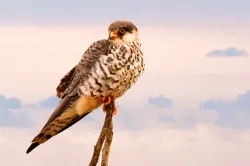
Measuring approximately 18 to 19 centimeters in length, the Sinaloa Martin possesses a sleek and aerodynamic profile characteristic of the swallow family. Its most striking feature is its plumage, which is predominantly a deep, iridescent blue-black. This coloration allows the bird to shimmer brilliantly when caught in direct sunlight, providing a metallic sheen that contrasts beautifully with the sky. The secondary color is a crisp, clean white, which is typically found on the lower abdomen and undertail coverts, creating a distinct visual break from the darker upperparts. The bird has strong, pointed wings designed for swift, graceful flight and a slightly notched tail that assists in aerial maneuvering. Its bill is short and sturdy, perfectly adapted for catching insects on the wing, while its eyes are dark and alert. The overall build is compact and robust, reflecting its adaptation for life as an aerial insectivore. Juveniles and females may exhibit slightly duller plumage compared to the mature males, yet they retain the same elegant silhouette and structural proportions that define the species.
The habitat of the Sinaloa Martin is largely restricted to the pine-oak forests of the Sierra Madre Occidental in western Mexico. These birds prefer high-altitude environments where they can find suitable nesting cavities in old-growth trees. They are rarely seen in low-lying areas, choosing instead to remain within the cool, mountainous regions during their breeding season. These forests provide a rich supply of aerial insects, which are essential for the bird's survival. Because they are secondary cavity nesters, the presence of large, decaying trees is vital for their nesting success. Protecting these specific forest tracts is crucial, as the birds demonstrate a clear preference for undisturbed, mature woodlands that offer both protection and abundant food sources.
As an aerial insectivore, the Sinaloa Martin feeds almost exclusively on a variety of flying insects. Their diet includes beetles, flies, moths, and winged ants, which they capture with remarkable precision while in flight. Their hunting strategy involves high-speed pursuits and sudden, agile turns to snatch prey from the air. By consuming large quantities of insects, these birds play an essential role in regulating insect populations within their forest ecosystems. They are most active during the day, spending hours patrolling the canopy and open spaces near their nesting sites to forage. The availability of diverse insect life is directly linked to the health of their forest habitat, making them a key indicator species for local environmental quality.
The breeding biology of the Sinaloa Martin is one of the most enigmatic aspects of its life history. They are known to be colonial or semi-colonial nesters, choosing to inhabit natural cavities in large, mature trees, particularly those found in high-altitude pine-oak forests. Unlike some other martin species, they do not typically use artificial nesting boxes. The nesting season coincides with the period of peak insect abundance, ensuring that parents can provide sufficient nourishment for their developing chicks. Both parents share the responsibilities of nest building and provisioning the young. Once the eggs are laid, the female typically handles the majority of the incubation, while the male remains nearby to defend the territory. The fledging process is a critical time, as the young birds must quickly master the complex aerial maneuvers required to survive in their rugged mountain homes.
The Sinaloa Martin is highly social, often seen flying in loose groups or congregating near potential nesting sites. Their flight is characterized by powerful, rapid wingbeats followed by long, sweeping glides. They are very vocal birds, utilizing a variety of chirps and calls to communicate with other members of their colony. During the breeding season, they exhibit territorial behavior, actively chasing away intruders that come too close to their nesting cavities. Outside of the breeding season, their behavior becomes more nomadic, as they move through different parts of their range in search of food. Their ability to adapt their flight patterns to navigate through dense forest canopy and open mountain gaps is truly impressive.
The Sinaloa Martin is currently classified as a species of concern due to its limited distribution and the ongoing threats to its habitat. The primary danger facing this bird is the loss of mature pine-oak forests, which are frequently impacted by logging and land development. Because the species relies on specific, old-growth cavities for nesting, even minor forest fragmentation can have a significant negative impact on their reproductive success. Conservation efforts are currently focused on preserving critical habitat corridors and promoting sustainable forestry practices to ensure that these unique birds have the space and resources they need to thrive in the wild.
For birdwatchers hoping to catch a glimpse of the elusive Sinaloa Martin, patience and preparation are key. The best approach is to visit the Sierra Madre Occidental region during the peak breeding season, typically in the late spring and summer months. Focus your efforts on old-growth pine-oak forests, keeping a close watch on large, dead trees that may harbor suitable nesting cavities. Using high-quality binoculars or a spotting scope is essential, as these birds often spend much of their time high in the canopy. It is also helpful to learn their unique vocalizations, as you are often likely to hear them before you see them. Always maintain a respectful distance to avoid disturbing their nesting activities, and consider hiring a local guide who has experience locating this rare and beautiful species.
In conclusion, the Sinaloa Martin (Progne sinaloae) stands as a testament to the incredible diversity found within the avian world. With its striking blue-black plumage and specialized lifestyle, this bird is a vital component of the high-altitude forest ecosystems it calls home. Despite the challenges it faces, including habitat loss and the ongoing mystery surrounding its migratory habits, the Sinaloa Martin continues to thrive in the remote corners of Mexico. Protecting this species requires a concerted effort to preserve the mature forests that provide its essential nesting sites and food sources. For those fortunate enough to witness this bird in its natural environment, it serves as a powerful reminder of the importance of conservation and the need to protect our planet's most vulnerable wildlife. By continuing to study and appreciate the Sinaloa Martin, we can better understand the delicate ecological balances that support life on Earth. As we look toward the future, it is our collective responsibility to ensure that the skies above the Sierra Madre Occidental remain filled with the graceful flight of this remarkable perching bird for many years to come.
We are working with our official data partners to update this information.



Birds have their own beautiful world, we should not interfere in it. We should enjoy this beauty. Its beauty should be captured in the camera but be careful not to disturb them.
Tap a language to switch instantly.
Tap a language to switch instantly.