Grey-headed Gull ਵੰਡ ਨਕਸ਼ਾ ਅਤੇ ਖੇਤਰ
ਇਸ ਪ੍ਰਜਾਤੀ ਦਾ ਵੰਡ ਨਕਸ਼ਾ ਜਲਦੀ ਹੀ ਉਪਲਬਧ ਹੋਵੇਗਾ।
ਅਸੀਂ ਇਸ ਜਾਣਕਾਰੀ ਨੂੰ ਅਪਡੇਟ ਕਰਨ ਲਈ ਆਪਣੇ ਅਧਿਕਾਰਤ ਡੇਟਾ ਭਾਈਵਾਲਾਂ ਨਾਲ ਕੰਮ ਕਰ ਰਹੇ ਹਾਂ।

Sign in with your Google account to access all features


| Scientific Name | Larus cirrocephalus |
|---|---|
| Status | LC ਘੱਟ ਚਿੰਤਾ |
| Size | 36-42 cm (14-17 inch) |
| Colors |
Grey
White
|
| Type |
Seabirds

|
| Family | Gulls, Terns, Skimmers |
Grey-headed Gull (Larus cirrocephalus) ਇੱਕ ਬਹੁਤ ਹੀ ਖੂਬਸੂਰਤ ਅਤੇ ਦਿਲਚਸਪ ਸਮੁੰਦਰੀ ਪੰਛੀ ਹੈ। ਇਹ ਪੰਛੀ ਮੁੱਖ ਤੌਰ 'ਤੇ ਅਫਰੀਕਾ ਅਤੇ ਦੱਖਣੀ ਅਮਰੀਕਾ ਦੇ ਤੱਟਵਰਤੀ ਇਲਾਕਿਆਂ ਵਿੱਚ ਪਾਇਆ ਜਾਂਦਾ ਹੈ। ਇਸਦਾ ਨਾਮ ਇਸਦੇ ਸਿਰ ਦੇ ਸਲੇਟੀ ਰੰਗ ਤੋਂ ਪਿਆ ਹੈ, ਜੋ ਇਸਨੂੰ ਦੂਜੇ ਗਲ (Gull) ਪੰਛੀਆਂ ਤੋਂ ਵੱਖਰਾ ਬਣਾਉਂਦਾ ਹੈ। ਇਹ ਪੰਛੀ ਸਮੁੰਦਰੀ ਕਿਨਾਰਿਆਂ, ਝੀਲਾਂ ਅਤੇ ਦਲਦਲੀ ਇਲਾਕਿਆਂ ਵਿੱਚ ਰਹਿਣਾ ਪਸੰਦ ਕਰਦੇ ਹਨ। ਇੱਕ ਪੰਛੀ ਪ੍ਰੇਮੀ ਹੋਣ ਦੇ ਨਾਤੇ, ਇਹ ਜਾਣਨਾ ਬਹੁਤ ਮਹੱਤਵਪੂਰਨ ਹੈ ਕਿ ਇਹ ਪੰਛੀ ਵਾਤਾਵਰਣ ਵਿੱਚ ਕਿੰਨੀ ਅਹਿਮ ਭੂਮਿਕਾ ਨਿਭਾਉਂਦੇ ਹਨ। ਇਹ ਪੰਛੀ ਆਪਣੀ ਚੁਸਤੀ ਅਤੇ ਸ਼ਿਕਾਰ ਕਰਨ ਦੀ ਕਲਾ ਲਈ ਜਾਣੇ ਜਾਂਦੇ ਹਨ। ਇਹ ਸਮਾਜਿਕ ਪੰਛੀ ਹਨ ਜੋ ਅਕਸਰ ਵੱਡੇ ਸਮੂਹਾਂ ਵਿੱਚ ਦੇਖੇ ਜਾਂਦੇ ਹਨ। ਇਸ ਲੇਖ ਵਿੱਚ, ਅਸੀਂ ਇਸ ਵਿਲੱਖਣ ਪੰਛੀ ਦੇ ਜੀਵਨ ਚੱਕਰ, ਇਸਦੀ ਸਰੀਰਕ ਬਣਤਰ ਅਤੇ ਇਸਦੇ ਰਹਿਣ-ਸਹਿਣ ਦੇ ਤਰੀਕਿਆਂ ਬਾਰੇ ਵਿਸਥਾਰ ਨਾਲ ਚਰਚਾ ਕਰਾਂਗੇ। ਇਹ ਜਾਣਕਾਰੀ ਨਾ ਸਿਰਫ਼ ਪੰਛੀ ਪ੍ਰੇਮੀਆਂ ਲਈ ਸਗੋਂ ਵਿਦਿਆਰਥੀਆਂ ਅਤੇ ਖੋਜਕਰਤਾਵਾਂ ਲਈ ਵੀ ਬਹੁਤ ਲਾਹੇਵੰਦ ਸਾਬਤ ਹੋਵੇਗੀ।
Grey-headed Gull ਦੀ ਸਰੀਰਕ ਬਣਤਰ ਬਹੁਤ ਹੀ ਆਕਰਸ਼ਕ ਹੁੰਦੀ ਹੈ। ਇਸਦਾ ਆਕਾਰ ਲਗਭਗ 36 ਤੋਂ 42 ਸੈਂਟੀਮੀਟਰ ਤੱਕ ਹੁੰਦਾ ਹੈ। ਜਿਵੇਂ ਕਿ ਨਾਮ ਤੋਂ ਪਤਾ ਚੱਲਦਾ ਹੈ, ਇਸਦੇ ਸਿਰ ਦਾ ਰੰਗ ਸਲੇਟੀ (Grey) ਹੁੰਦਾ ਹੈ, ਜੋ ਇਸਦੀ ਪਛਾਣ ਦਾ ਮੁੱਖ ਚਿੰਨ੍ਹ ਹੈ। ਇਸਦਾ ਬਾਕੀ ਸਰੀਰ ਮੁੱਖ ਤੌਰ 'ਤੇ ਚਿੱਟੇ ਰੰਗ ਦਾ ਹੁੰਦਾ ਹੈ, ਜਿਸ ਨਾਲ ਇਹ ਬਹੁਤ ਹੀ ਸ਼ਾਨਦਾਰ ਦਿਖਾਈ ਦਿੰਦਾ ਹੈ। ਇਸਦੀਆਂ ਖੰਭਾਂ ਦਾ ਰੰਗ ਸਲੇਟੀ ਅਤੇ ਚਿੱਟਾ ਮਿਸ਼ਰਤ ਹੁੰਦਾ ਹੈ, ਜੋ ਇਸਨੂੰ ਉਡਾਣ ਭਰਨ ਵੇਲੇ ਇੱਕ ਵੱਖਰੀ ਦਿੱਖ ਪ੍ਰਦਾਨ ਕਰਦਾ ਹੈ। ਇਸਦੀਆਂ ਅੱਖਾਂ ਅਤੇ ਚੁੰਝ ਦਾ ਰੰਗ ਵੀ ਇਸਦੀ ਸੁੰਦਰਤਾ ਨੂੰ ਵਧਾਉਂਦਾ ਹੈ। ਇਸਦੇ ਪੈਰ ਮਜ਼ਬੂਤ ਹੁੰਦੇ ਹਨ ਜੋ ਇਸਨੂੰ ਜ਼ਮੀਨ ਅਤੇ ਪਾਣੀ ਦੋਵਾਂ 'ਤੇ ਚੱਲਣ ਵਿੱਚ ਮਦਦ ਕਰਦੇ ਹਨ। ਨਰ ਅਤੇ ਮਾਦਾ ਪੰਛੀ ਦਿੱਖ ਵਿੱਚ ਲਗਭਗ ਇੱਕੋ ਜਿਹੇ ਹੁੰਦੇ ਹਨ, ਹਾਲਾਂਕਿ ਪ੍ਰਜਨਨ ਦੇ ਮੌਸਮ ਵਿੱਚ ਉਨ੍ਹਾਂ ਦੇ ਰੰਗਾਂ ਵਿੱਚ ਮਾਮੂਲੀ ਤਬਦੀਲੀ ਆ ਸਕਦੀ ਹੈ। ਇਹ ਪੰਛੀ ਆਪਣੀ ਉਡਾਣ ਦੀ ਗਤੀ ਅਤੇ ਸ਼ੈਲੀ ਲਈ ਵੀ ਜਾਣੇ ਜਾਂਦੇ ਹਨ, ਜੋ ਉਨ੍ਹਾਂ ਦੇ ਹਲਕੇ ਸਰੀਰ ਕਾਰਨ ਬਹੁਤ ਪ੍ਰਭਾਵਸ਼ਾਲੀ ਹੁੰਦੀ ਹੈ।
ਇਹ ਪੰਛੀ ਮੁੱਖ ਤੌਰ 'ਤੇ ਤੱਟਵਰਤੀ ਖੇਤਰਾਂ ਵਿੱਚ ਰਹਿਣ ਨੂੰ ਤਰਜੀਹ ਦਿੰਦੇ ਹਨ। Grey-headed Gull ਸਮੁੰਦਰੀ ਕਿਨਾਰਿਆਂ, ਖਾਰੇ ਪਾਣੀ ਦੀਆਂ ਝੀਲਾਂ, ਨਦੀਆਂ ਦੇ ਡੈਲਟਾ ਅਤੇ ਦਲਦਲੀ ਇਲਾਕਿਆਂ ਵਿੱਚ ਵੱਡੀ ਗਿਣਤੀ ਵਿੱਚ ਪਾਏ ਜਾਂਦੇ ਹਨ। ਇਹ ਪੰਛੀ ਮਨੁੱਖੀ ਬਸਤੀਆਂ ਦੇ ਨੇੜੇ ਵੀ ਦੇਖੇ ਜਾ ਸਕਦੇ ਹਨ ਜਿੱਥੇ ਉਨ੍ਹਾਂ ਨੂੰ ਆਸਾਨੀ ਨਾਲ ਭੋਜਨ ਮਿਲ ਜਾਂਦਾ ਹੈ। ਇਹ ਆਪਣੇ ਆਲ੍ਹਣੇ ਬਣਾਉਣ ਲਈ ਅਜਿਹੀਆਂ ਥਾਵਾਂ ਚੁਣਦੇ ਹਨ ਜੋ ਸ਼ਿਕਾਰੀਆਂ ਤੋਂ ਸੁਰੱਖਿਅਤ ਹੋਣ, ਜਿਵੇਂ ਕਿ ਛੋਟੇ ਟਾਪੂ ਜਾਂ ਘਾਹ ਵਾਲੇ ਇਲਾਕੇ। ਇਹ ਪੰਛੀ ਪ੍ਰਵਾਸੀ ਵੀ ਹੋ ਸਕਦੇ ਹਨ, ਜੋ ਮੌਸਮ ਦੇ ਬਦਲਾਅ ਦੇ ਨਾਲ ਇੱਕ ਥਾਂ ਤੋਂ ਦੂਜੀ ਥਾਂ ਜਾਣ ਲਈ ਮਜਬੂਰ ਹੁੰਦੇ ਹਨ। ਉਨ੍ਹਾਂ ਦਾ ਰਹਿਣ-ਸਹਿਣ ਪਾਣੀ ਦੀ ਉਪਲਬਧਤਾ 'ਤੇ ਨਿਰਭਰ ਕਰਦਾ ਹੈ।
Grey-headed Gull ਇੱਕ ਸਰਬ-ਆਹਾਰੀ (Omnivorous) ਪੰਛੀ ਹੈ। ਇਹ ਆਪਣੀ ਖੁਰਾਕ ਵਿੱਚ ਮੱਛੀਆਂ, ਛੋਟੇ ਕੀੜੇ-ਮਕੌੜੇ, ਕੇਕੜੇ ਅਤੇ ਹੋਰ ਜਲ-ਜੀਵਾਂ ਨੂੰ ਸ਼ਾਮਲ ਕਰਦੇ ਹਨ। ਇਹ ਕਈ ਵਾਰ ਕੂੜੇ-ਕਰਕਟ ਜਾਂ ਮਨੁੱਖੀ ਭੋਜਨ 'ਤੇ ਵੀ ਨਿਰਭਰ ਕਰਦੇ ਹਨ। ਇਹ ਪੰਛੀ ਪਾਣੀ ਦੀ ਸਤ੍ਹਾ ਤੋਂ ਮੱਛੀਆਂ ਨੂੰ ਫੜਨ ਵਿੱਚ ਬਹੁਤ ਮਾਹਿਰ ਹੁੰਦੇ ਹਨ। ਉਹ ਅਕਸਰ ਉਡਾਣ ਭਰਦੇ ਹੋਏ ਪਾਣੀ ਵਿੱਚ ਡੁਬਕੀ ਲਗਾ ਕੇ ਆਪਣਾ ਸ਼ਿਕਾਰ ਕਰਦੇ ਹਨ। ਇਸ ਤੋਂ ਇਲਾਵਾ, ਉਹ ਖੇਤਾਂ ਵਿੱਚ ਕੀੜਿਆਂ ਨੂੰ ਲੱਭਣ ਲਈ ਵੀ ਜਾਣੇ ਜਾਂਦੇ ਹਨ। ਉਨ੍ਹਾਂ ਦੀ ਖੁਰਾਕ ਦੀ ਵਿਭਿੰਨਤਾ ਉਨ੍ਹਾਂ ਨੂੰ ਵੱਖ-ਵੱਖ ਵਾਤਾਵਰਣਾਂ ਵਿੱਚ ਜਿਉਂਦੇ ਰਹਿਣ ਵਿੱਚ ਮਦਦ ਕਰਦੀ ਹੈ। ਉਹ ਕਈ ਵਾਰ ਦੂਜੇ ਪੰਛੀਆਂ ਤੋਂ ਭੋਜਨ ਖੋਹਣ ਵਿੱਚ ਵੀ ਸੰਕੋਚ ਨਹੀਂ ਕਰਦੇ।
Grey-headed Gull ਦਾ ਪ੍ਰਜਨਨ ਮੌਸਮ ਆਮ ਤੌਰ 'ਤੇ ਬਰਸਾਤ ਜਾਂ ਗਰਮੀਆਂ ਦੇ ਮੌਸਮ ਵਿੱਚ ਹੁੰਦਾ ਹੈ। ਇਹ ਪੰਛੀ ਕਲੋਨੀਆਂ ਵਿੱਚ ਆਲ੍ਹਣੇ ਬਣਾਉਂਦੇ ਹਨ, ਜਿੱਥਾਵਾਂ ਜਿੱਥੇ ਸੈਂਕੜੇ ਪੰਛੀ ਇਕੱਠੇ ਰਹਿੰਦੇ ਹਨ। ਆਲ੍ਹਣੇ ਜ਼ਮੀਨ 'ਤੇ ਘਾਹ, ਟਹਿਣੀਆਂ ਅਤੇ ਹੋਰ ਨਰਮ ਚੀਜ਼ਾਂ ਦੀ ਵਰਤੋਂ ਕਰਕੇ ਬਣਾਏ ਜਾਂਦੇ ਹਨ। ਮਾਦਾ ਪੰਛੀ ਆਮ ਤੌਰ 'ਤੇ 2 ਤੋਂ 3 ਅੰਡੇ ਦਿੰਦੀ ਹੈ। ਅੰਡਿਆਂ ਨੂੰ ਸੇਕਣ ਦੀ ਜ਼ਿੰਮੇਵਾਰੀ ਨਰ ਅਤੇ ਮਾਦਾ ਦੋਵਾਂ ਦੀ ਹੁੰਦੀ ਹੈ। ਲਗਭਗ 3 ਤੋਂ 4 ਹਫ਼ਤਿਆਂ ਬਾਅਦ ਅੰਡਿਆਂ ਵਿੱਚੋਂ ਬੱਚੇ ਨਿਕਲਦੇ ਹਨ। ਬੱਚਿਆਂ ਦੇ ਪਾਲਣ-ਪੋਸ਼ਣ ਵਿੱਚ ਮਾਪੇ ਬਹੁਤ ਮਿਹਨਤੀ ਹੁੰਦੇ ਹਨ। ਉਹ ਬੱਚਿਆਂ ਨੂੰ ਉਡਾਣ ਭਰਨ ਅਤੇ ਸ਼ਿਕਾਰ ਕਰਨ ਦੇ ਯੋਗ ਬਣਾਉਣ ਤੱਕ ਉਨ੍ਹਾਂ ਦੀ ਪੂਰੀ ਦੇਖਭਾਲ ਕਰਦੇ ਹਨ। ਇਹ ਸਮਾਜਿਕ ਵਿਵਹਾਰ ਉਨ੍ਹਾਂ ਦੀ ਪ੍ਰਜਾਤੀ ਨੂੰ ਬਚਾਏ ਰੱਖਣ ਵਿੱਚ ਮਦਦ ਕਰਦਾ ਹੈ।
ਇਹ ਪੰਛੀ ਬਹੁਤ ਹੀ ਸਮਾਜਿਕ ਅਤੇ ਸ਼ੋਰ ਮਚਾਉਣ ਵਾਲੇ ਹੁੰਦੇ ਹਨ। Grey-headed Gull ਅਕਸਰ ਵੱਡੇ ਸਮੂਹਾਂ ਵਿੱਚ ਰਹਿੰਦੇ ਹਨ ਅਤੇ ਆਪਸ ਵਿੱਚ ਵੱਖ-ਵੱਖ ਆਵਾਜ਼ਾਂ ਰਾਹੀਂ ਸੰਚਾਰ ਕਰਦੇ ਹਨ। ਉਹ ਬਹੁਤ ਹੀ ਚੁਸਤ ਹੁੰਦੇ ਹਨ ਅਤੇ ਖ਼ਤਰੇ ਨੂੰ ਤੁਰੰਤ ਭਾਂਪ ਲੈਂਦੇ ਹਨ। ਜਦੋਂ ਕੋਈ ਸ਼ਿਕਾਰੀ ਨੇੜੇ ਆਉਂਦਾ ਹੈ, ਤਾਂ ਉਹ ਉੱਚੀ ਆਵਾਜ਼ ਵਿੱਚ ਰੌਲਾ ਪਾ ਕੇ ਆਪਣੇ ਸਮੂਹ ਨੂੰ ਚੌਕਸ ਕਰ ਦਿੰਦੇ ਹਨ। ਇਹ ਪੰਛੀ ਬਹੁਤ ਵਧੀਆ ਉਡਾਣ ਭਰਨ ਵਾਲੇ ਹਨ ਅਤੇ ਘੰਟਿਆਂ ਬੱਧੀ ਹਵਾ ਵਿੱਚ ਰਹਿ ਸਕਦੇ ਹਨ। ਉਹ ਆਪਣੀ ਸਾਫ਼-ਸਫ਼ਾਈ ਦਾ ਵੀ ਬਹੁਤ ਖਿਆਲ ਰੱਖਦੇ ਹਨ ਅਤੇ ਅਕਸਰ ਪਾਣੀ ਵਿੱਚ ਨਹਾਉਂਦੇ ਹੋਏ ਦੇਖੇ ਜਾਂਦੇ ਹਨ। ਉਨ੍ਹਾਂ ਦਾ ਵਿਵਹਾਰ ਉਨ੍ਹਾਂ ਨੂੰ ਕੁਦਰਤ ਵਿੱਚ ਇੱਕ ਸਫਲ ਸ਼ਿਕਾਰੀ ਬਣਾਉਂਦਾ ਹੈ।
ਵਰਤਮਾਨ ਵਿੱਚ, Grey-headed Gull ਦੀ ਆਬਾਦੀ ਸਥਿਰ ਮੰਨੀ ਜਾਂਦੀ ਹੈ ਅਤੇ ਇਸਨੂੰ 'ਘੱਟ ਚਿੰਤਾ' (Least Concern) ਵਾਲੀ ਸ਼੍ਰੇਣੀ ਵਿੱਚ ਰੱਖਿਆ ਗਿਆ ਹੈ। ਹਾਲਾਂਕਿ, ਵਾਤਾਵਰਣ ਪ੍ਰਦੂਸ਼ਣ, ਤੱਟਵਰਤੀ ਵਿਕਾਸ ਅਤੇ ਕੁਦਰਤੀ ਨਿਵਾਸ ਸਥਾਨਾਂ ਦੇ ਨੁਕਸਾਨ ਕਾਰਨ ਉਨ੍ਹਾਂ ਨੂੰ ਕੁਝ ਖਤਰਿਆਂ ਦਾ ਸਾਹਮਣਾ ਕਰਨਾ ਪੈਂਦਾ ਹੈ। ਪੰਛੀਆਂ ਦੀ ਇਸ ਪ੍ਰਜਾਤੀ ਨੂੰ ਸੁਰੱਖਿਅਤ ਰੱਖਣ ਲਈ ਉਨ੍ਹਾਂ ਦੇ ਕੁਦਰਤੀ ਰਿਹਾਇਸ਼ੀ ਇਲਾਕਿਆਂ ਨੂੰ ਪ੍ਰਦੂਸ਼ਣ ਤੋਂ ਮੁਕਤ ਰੱਖਣਾ ਬਹੁਤ ਜ਼ਰੂਰੀ ਹੈ। ਸਥਾਨਕ ਸਰਕਾਰਾਂ ਅਤੇ ਸੰਸਥਾਵਾਂ ਦੁਆਰਾ ਕੀਤੇ ਜਾ ਰਹੇ ਉਪਰਾਲੇ ਇਨ੍ਹਾਂ ਪੰਛੀਆਂ ਦੀ ਸੰਭਾਲ ਲਈ ਬਹੁਤ ਮਹੱਤਵਪੂਰਨ ਹਨ।
ਜੇਕਰ ਤੁਸੀਂ Grey-headed Gull ਨੂੰ ਦੇਖਣਾ ਚਾਹੁੰਦੇ ਹੋ, ਤਾਂ ਤੁਹਾਨੂੰ ਤੱਟਵਰਤੀ ਇਲਾਕਿਆਂ ਜਾਂ ਵੱਡੀਆਂ ਝੀਲਾਂ ਦੇ ਨੇੜੇ ਜਾਣਾ ਚਾਹੀਦਾ ਹੈ। ਬਾਇਨੋਕੂਲਰ (Binoculars) ਨਾਲ ਲੈਸ ਹੋਣਾ ਬਹੁਤ ਜ਼ਰੂਰੀ ਹੈ ਤਾਂ ਜੋ ਤੁਸੀਂ ਉਨ੍ਹਾਂ ਦੀਆਂ ਹਰਕਤਾਂ ਨੂੰ ਦੂਰੋਂ ਦੇਖ ਸਕੋ। ਸਵੇਰ ਅਤੇ ਸ਼ਾਮ ਦਾ ਸਮਾਂ ਪੰਛੀ ਦੇਖਣ ਲਈ ਸਭ ਤੋਂ ਵਧੀਆ ਹੁੰਦਾ ਹੈ। ਹਮੇਸ਼ਾ ਚੁੱਪ ਰਹੋ ਅਤੇ ਪੰਛੀਆਂ ਦੇ ਨੇੜੇ ਜਾਣ ਤੋਂ ਬਚੋ ਤਾਂ ਜੋ ਉਹ ਡਰ ਨਾ ਜਾਣ। ਉਨ੍ਹਾਂ ਦੇ ਵਿਵਹਾਰ ਨੂੰ ਨੋਟ ਕਰੋ ਅਤੇ ਫੋਟੋਗ੍ਰਾਫੀ ਦਾ ਆਨੰਦ ਲਓ। ਕੁਦਰਤ ਦਾ ਸਤਿਕਾਰ ਕਰੋ ਅਤੇ ਉਨ੍ਹਾਂ ਦੇ ਵਾਤਾਵਰਣ ਨੂੰ ਨੁਕਸਾਨ ਨਾ ਪਹੁੰਚਾਓ। ਇੱਕ ਵਧੀਆ ਗਾਈਡ ਬੁੱਕ ਜਾਂ ਐਪ ਤੁਹਾਡੀ ਮਦਦ ਕਰ ਸਕਦੀ ਹੈ।
ਸਿੱਟੇ ਵਜੋਂ, Grey-headed Gull ਕੁਦਰਤ ਦਾ ਇੱਕ ਸ਼ਾਨਦਾਰ ਤੋਹਫ਼ਾ ਹੈ। ਇਹ ਪੰਛੀ ਆਪਣੀ ਵਿਲੱਖਣ ਦਿੱਖ ਅਤੇ ਸਮਾਜਿਕ ਵਿਵਹਾਰ ਨਾਲ ਪੰਛੀ ਪ੍ਰੇਮੀਆਂ ਦਾ ਮਨ ਮੋਹ ਲੈਂਦੇ ਹਨ। ਭਾਵੇਂ ਉਹ ਸਮੁੰਦਰੀ ਕਿਨਾਰਿਆਂ 'ਤੇ ਹੋਣ ਜਾਂ ਦਲਦਲੀ ਇਲਾਕਿਆਂ ਵਿੱਚ, ਉਨ੍ਹਾਂ ਦੀ ਮੌਜੂਦਗੀ ਵਾਤਾਵਰਣ ਵਿੱਚ ਇੱਕ ਨਵੀਂ ਜਾਨ ਪਾ ਦਿੰਦੀ ਹੈ। ਸਾਨੂੰ ਇਨ੍ਹਾਂ ਪੰਛੀਆਂ ਅਤੇ ਉਨ੍ਹਾਂ ਦੇ ਕੁਦਰਤੀ ਨਿਵਾਸ ਸਥਾਨਾਂ ਦੀ ਰੱਖਿਆ ਕਰਨ ਦੀ ਲੋੜ ਹੈ ਤਾਂ ਜੋ ਆਉਣ ਵਾਲੀਆਂ ਪੀੜ੍ਹੀਆਂ ਵੀ ਇਨ੍ਹਾਂ ਨੂੰ ਦੇਖ ਸਕਣ। ਵਾਤਾਵਰਣ ਸੰਤੁਲਨ ਬਣਾਈ ਰੱਖਣ ਵਿੱਚ ਇਨ੍ਹਾਂ ਪੰਛੀਆਂ ਦਾ ਵੱਡਾ ਯੋਗਦਾਨ ਹੈ। ਸਾਨੂੰ ਪ੍ਰਦੂਸ਼ਣ ਘਟਾ ਕੇ ਅਤੇ ਕੁਦਰਤੀ ਸਰੋਤਾਂ ਦੀ ਸੰਭਾਲ ਕਰਕੇ ਇਨ੍ਹਾਂ ਦੀ ਮਦਦ ਕਰਨੀ ਚਾਹੀਦੀ ਹੈ। ਉਮੀਦ ਹੈ ਕਿ ਇਹ ਜਾਣਕਾਰੀ ਤੁਹਾਡੇ ਲਈ ਲਾਭਦਾਇਕ ਸਾਬਤ ਹੋਵੇਗੀ ਅਤੇ ਤੁਸੀਂ ਇਸ ਪੰਛੀ ਬਾਰੇ ਹੋਰ ਜਾਣਨ ਲਈ ਉਤਸ਼ਾਹਿਤ ਹੋਵੋਗੇ। ਕੁਦਰਤ ਨਾਲ ਜੁੜੇ ਰਹਿਣਾ ਅਤੇ ਪੰਛੀਆਂ ਦੀ ਦੇਖਭਾਲ ਕਰਨਾ ਸਾਡਾ ਸਭ ਦਾ ਫਰਜ਼ ਹੈ।
ਅਸੀਂ ਇਸ ਜਾਣਕਾਰੀ ਨੂੰ ਅਪਡੇਟ ਕਰਨ ਲਈ ਆਪਣੇ ਅਧਿਕਾਰਤ ਡੇਟਾ ਭਾਈਵਾਲਾਂ ਨਾਲ ਕੰਮ ਕਰ ਰਹੇ ਹਾਂ।

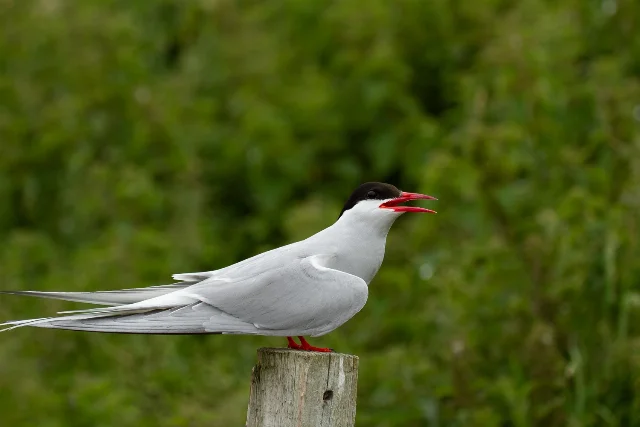



Birds have their own beautiful world, we should not interfere in it. We should enjoy this beauty. Its beauty should be captured in the camera but be careful not to disturb them.
Tap a language to switch instantly.
Tap a language to switch instantly.