
Not available
Long-billed Dowitcher
Limnodromus scolopaceus
Last update: 11 May 2026
Read in:
English
Español
Português
हिन्दी
বাংলা
தமிழ்
മലയാളം
मराठी
ગુજરાતી
తెలుగు
French
Deutsch
Русский
日本語
简体中文
Italiano
Tiếng Việt
العربية
ಕನ್ನಡ
ਪੰਜਾਬੀ
Long-billed Dowitcher ਬਾਰੇ ਮੁਢਲੀ ਜਾਣਕਾਰੀ
| Scientific Name | Limnodromus scolopaceus |
|---|---|
| Status | NT ਖਤਰੇ ਦੇ ਨੇੜੇ |
| Size | 27-30 cm (11-12 inch) |
| Colors |
Brown
Grey
|
| Type |
Waders

|
| Family | Sandpipers, Snipes, Phalaropes |
ਜਾਣ-ਪਛਾਣ
Long-billed Dowitcher, ਜਿਸਦਾ ਵਿਗਿਆਨਕ ਨਾਮ Limnodromus scolopaceus ਹੈ, ਇੱਕ ਬਹੁਤ ਹੀ ਦਿਲਚਸਪ ਅਤੇ ਖੂਬਸੂਰਤ ਵੇਡਰ (wader) ਪੰਛੀ ਹੈ। ਇਹ ਪੰਛੀ ਮੁੱਖ ਤੌਰ 'ਤੇ ਉੱਤਰੀ ਅਮਰੀਕਾ ਅਤੇ ਰੂਸ ਦੇ ਆਰਕਟਿਕ ਖੇਤਰਾਂ ਵਿੱਚ ਪਾਇਆ ਜਾਂਦਾ ਹੈ। ਆਪਣੀ ਵਿਲੱਖਣ ਲੰਬੀ ਚੁੰਝ ਅਤੇ ਵਿਸ਼ੇਸ਼ ਖਾਣ-ਪੀਣ ਦੇ ਤਰੀਕਿਆਂ ਕਾਰਨ ਇਹ ਪੰਛੀ ਵਿਗਿਆਨੀਆਂ ਲਈ ਹਮੇਸ਼ਾ ਖੋਜ ਦਾ ਵਿਸ਼ਾ ਰਿਹਾ ਹੈ। ਇਹ ਪੰਛੀ ਹਜ਼ਾਰਾਂ ਮੀਲ ਦਾ ਸਫ਼ਰ ਤੈਅ ਕਰਕੇ ਸਰਦੀਆਂ ਵਿੱਚ ਨਿੱਘੇ ਇਲਾਕਿਆਂ ਵੱਲ ਪਰਵਾਸ ਕਰਦੇ ਹਨ। ਇਹਨਾਂ ਦੀ ਪਛਾਣ ਕਰਨੀ ਕਈ ਵਾਰ ਮੁਸ਼ਕਲ ਹੁੰਦੀ ਹੈ ਕਿਉਂਕਿ ਇਹ ਕਈ ਹੋਰ ਵੇਡਰ ਪੰਛੀਆਂ ਨਾਲ ਮਿਲਦੇ-ਜੁਲਦੇ ਹਨ। ਇਸ ਲੇਖ ਵਿੱਚ, ਅਸੀਂ Long-billed Dowitcher ਦੇ ਜੀਵਨ ਚੱਕਰ, ਇਸਦੇ ਰਹਿਣ-ਸਹਿਣ ਦੇ ਤਰੀਕਿਆਂ ਅਤੇ ਇਸਨੂੰ ਦੇਖਣ ਦੇ ਤਰੀਕਿਆਂ ਬਾਰੇ ਵਿਸਥਾਰ ਵਿੱਚ ਚਰਚਾ ਕਰਾਂਗੇ। ਕੁਦਰਤ ਪ੍ਰੇਮੀਆਂ ਲਈ ਇਸ ਪੰਛੀ ਬਾਰੇ ਜਾਣਨਾ ਇੱਕ ਬਹੁਤ ਹੀ ਰੋਮਾਂਚਕ ਅਨੁਭਵ ਹੋ ਸਕਦਾ ਹੈ।
ਸਰੀਰਕ ਦਿੱਖ
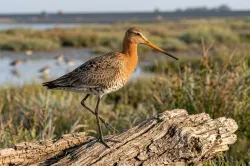
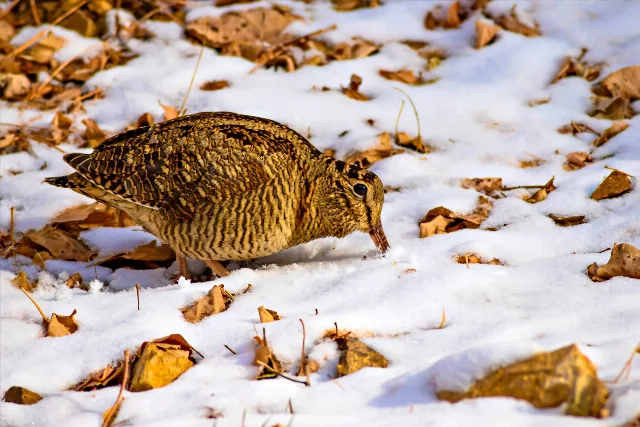
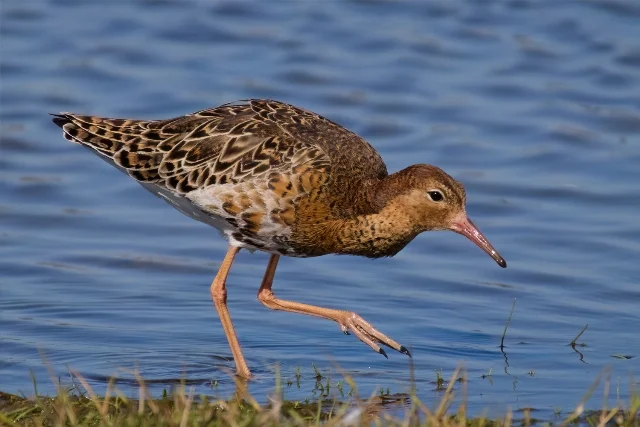
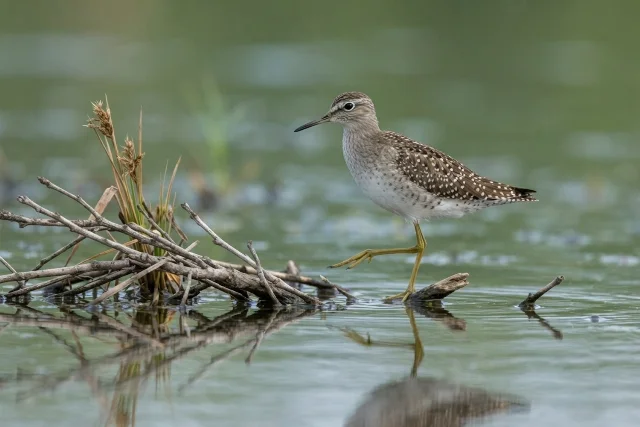
Long-billed Dowitcher ਦੀ ਸਰੀਰਕ ਬਣਤਰ ਇਸਨੂੰ ਹੋਰ ਪੰਛੀਆਂ ਤੋਂ ਵੱਖਰਾ ਬਣਾਉਂਦੀ ਹੈ। ਇਸਦੀ ਲੰਬਾਈ ਲਗਭਗ 27 ਤੋਂ 30 ਸੈਂਟੀਮੀਟਰ ਹੁੰਦੀ ਹੈ। ਇਸਦਾ ਸਰੀਰ ਮੁੱਖ ਤੌਰ 'ਤੇ ਭੂਰੇ ਰੰਗ ਦਾ ਹੁੰਦਾ ਹੈ, ਜਿਸ ਵਿੱਚ ਸਲੇਟੀ ਰੰਗ ਦੇ ਨਿਸ਼ਾਨ ਹੁੰਦੇ ਹਨ ਜੋ ਇਸਨੂੰ ਕੁਦਰਤੀ ਵਾਤਾਵਰਣ ਵਿੱਚ ਲੁਕਣ ਵਿੱਚ ਮਦਦ ਕਰਦੇ ਹਨ। ਇਸਦੀ ਸਭ ਤੋਂ ਵੱਡੀ ਵਿਸ਼ੇਸ਼ਤਾ ਇਸਦੀ ਬਹੁਤ ਲੰਬੀ ਚੁੰਝ ਹੈ, ਜੋ ਕਿ ਇਸਦੇ ਸਰੀਰ ਦੇ ਮੁਕਾਬਲੇ ਕਾਫੀ ਵੱਡੀ ਜਾਪਦੀ ਹੈ। ਪ੍ਰਜਨਨ ਦੇ ਮੌਸਮ ਦੌਰਾਨ, ਇਹ ਪੰਛੀ ਵਧੇਰੇ ਗੂੜ੍ਹੇ ਰੰਗ ਦੇ ਹੋ ਜਾਂਦੇ ਹਨ, ਜਦੋਂ ਕਿ ਸਰਦੀਆਂ ਵਿੱਚ ਇਹਨਾਂ ਦਾ ਰੰਗ ਫਿੱਕਾ ਅਤੇ ਸਲੇਟੀ-ਭੂਰਾ ਹੋ ਜਾਂਦਾ ਹੈ। ਇਹਨਾਂ ਦੀਆਂ ਲੱਤਾਂ ਮੱਧਮ ਲੰਬਾਈ ਦੀਆਂ ਹੁੰਦੀਆਂ ਹਨ, ਜੋ ਕਿ ਚਿੱਕੜ ਵਾਲੇ ਇਲਾਕਿਆਂ ਵਿੱਚ ਤੁਰਨ ਲਈ ਅਨੁਕੂਲ ਹੁੰਦੀਆਂ ਹਨ। ਇਹਨਾਂ ਦੇ ਖੰਭਾਂ ਦਾ ਡਿਜ਼ਾਈਨ ਉਡਾਣ ਭਰਨ ਵੇਲੇ ਬਹੁਤ ਸਪੱਸ਼ਟ ਦਿਖਾਈ ਦਿੰਦਾ ਹੈ, ਜੋ ਕਿ ਇਹਨਾਂ ਨੂੰ ਪਛਾਣਨ ਵਿੱਚ ਮਦਦ ਕਰਦਾ ਹੈ।
ਕੁਦਰਤੀ ਨਿਵਾਸ
ਇਹ ਪੰਛੀ ਮੁੱਖ ਤੌਰ 'ਤੇ ਨਮੀ ਵਾਲੇ ਅਤੇ ਦਲਦਲੀ ਇਲਾਕਿਆਂ ਨੂੰ ਪਸੰਦ ਕਰਦੇ ਹਨ। ਪ੍ਰਜਨਨ ਦੇ ਸਮੇਂ, ਇਹ ਆਰਕਟਿਕ ਟੁੰਡਰਾ ਦੇ ਖੁੱਲ੍ਹੇ ਮੈਦਾਨਾਂ ਅਤੇ ਨੀਵੇਂ ਇਲਾਕਿਆਂ ਵਿੱਚ ਆਪਣੇ ਆਲ੍ਹਣੇ ਬਣਾਉਂਦੇ ਹਨ। ਸਰਦੀਆਂ ਦੇ ਮੌਸਮ ਵਿੱਚ, ਇਹ ਤੱਟਵਰਤੀ ਇਲਾਕਿਆਂ, ਝੀਲਾਂ ਦੇ ਕਿਨਾਰਿਆਂ, ਅਤੇ ਚੌਲਾਂ ਦੇ ਖੇਤਾਂ ਵਿੱਚ ਦੇਖੇ ਜਾ ਸਕਦੇ ਹਨ। ਇਹਨਾਂ ਨੂੰ ਅਜਿਹੀਆਂ ਥਾਵਾਂ ਪਸੰਦ ਹਨ ਜਿੱਥੇ ਪਾਣੀ ਦੀ ਡੂੰਘਾਈ ਬਹੁਤ ਜ਼ਿਆਦਾ ਨਾ ਹੋਵੇ, ਤਾਂ ਜੋ ਇਹ ਆਪਣੀ ਲੰਬੀ ਚੁੰਝ ਦੀ ਵਰਤੋਂ ਕਰਕੇ ਚਿੱਕੜ ਵਿੱਚੋਂ ਭੋਜਨ ਲੱਭ ਸਕਣ। ਇਹ ਪੰਛੀ ਅਕਸਰ ਝੁੰਡਾਂ ਵਿੱਚ ਰਹਿਣਾ ਪਸੰਦ ਕਰਦੇ ਹਨ, ਜੋ ਕਿ ਇਹਨਾਂ ਨੂੰ ਸ਼ਿਕਾਰੀਆਂ ਤੋਂ ਬਚਾਉਣ ਵਿੱਚ ਮਦਦ ਕਰਦਾ ਹੈ।
ਖੁਰਾਕ
Long-billed Dowitcher ਦੀ ਖੁਰਾਕ ਮੁੱਖ ਤੌਰ 'ਤੇ ਛੋਟੇ ਜੀਵਾਂ 'ਤੇ ਨਿਰਭਰ ਕਰਦੀ ਹੈ ਜੋ ਚਿੱਕੜ ਜਾਂ ਪਾਣੀ ਦੇ ਹੇਠਾਂ ਰਹਿੰਦੇ ਹਨ। ਇਹ ਆਪਣੀ ਲੰਬੀ ਚੁੰਝ ਨੂੰ ਚਿੱਕੜ ਵਿੱਚ ਤੇਜ਼ੀ ਨਾਲ ਉੱਪਰ-ਹੇਠਾਂ ਕਰਕੇ ਕੀੜੇ-ਮਕੌੜੇ, ਛੋਟੇ ਕੇਕੜੇ ਅਤੇ ਹੋਰ ਜਲ-ਜੀਵਾਂ ਨੂੰ ਲੱਭਦੇ ਹਨ। ਇਹਨਾਂ ਦੀ ਚੁੰਝ ਦੇ ਸਿਰੇ 'ਤੇ ਸੰਵੇਦਨਸ਼ੀਲ ਅੰਗ ਹੁੰਦੇ ਹਨ, ਜੋ ਇਹਨਾਂ ਨੂੰ ਬਿਨਾਂ ਦੇਖੇ ਹੀ ਭੋਜਨ ਨੂੰ ਮਹਿਸੂਸ ਕਰਨ ਵਿੱਚ ਮਦਦ ਕਰਦੇ ਹਨ। ਕਈ ਵਾਰ ਇਹ ਪਾਣੀ ਦੀ ਸਤ੍ਹਾ 'ਤੇ ਤੈਰਦੇ ਹੋਏ ਜਾਂ ਖੋਖਲੀਆਂ ਥਾਵਾਂ 'ਤੇ ਵੀ ਭੋਜਨ ਦੀ ਭਾਲ ਕਰਦੇ ਹਨ। ਇਹਨਾਂ ਦੀ ਖੁਰਾਕ ਵਿੱਚ ਮੱਛੀਆਂ ਦੇ ਛੋਟੇ ਅੰਡੇ ਅਤੇ ਪੌਦਿਆਂ ਦੇ ਬੀਜ ਵੀ ਸ਼ਾਮਲ ਹੋ ਸਕਦੇ ਹਨ, ਖਾਸ ਕਰਕੇ ਜਦੋਂ ਮੁੱਖ ਭੋਜਨ ਦੀ ਕਮੀ ਹੋਵੇ।
ਪ੍ਰਜਨਨ ਅਤੇ ਆਲ੍ਹਣਾ ਬਣਾਉਣਾ
ਇਹਨਾਂ ਪੰਛੀਆਂ ਦਾ ਪ੍ਰਜਨਨ ਕਾਲ ਬਹੁਤ ਹੀ ਦਿਲਚਸਪ ਹੁੰਦਾ ਹੈ। ਇਹ ਆਰਕਟਿਕ ਦੇ ਉੱਤਰੀ ਖੇਤਰਾਂ ਵਿੱਚ ਆਲ੍ਹਣੇ ਬਣਾਉਂਦੇ ਹਨ, ਜਿੱਥੇ ਜ਼ਮੀਨ 'ਤੇ ਹੀ ਥੋੜ੍ਹੀ ਜਿਹੀ ਘਾਹ-ਫੂਸ ਨਾਲ ਇੱਕ ਸਧਾਰਨ ਆਲ੍ਹਣਾ ਤਿਆਰ ਕੀਤਾ ਜਾਂਦਾ ਹੈ। ਨਰ ਪੰਛੀ ਅਕਸਰ ਆਪਣੀ ਮਾਦਾ ਨੂੰ ਆਕਰਸ਼ਿਤ ਕਰਨ ਲਈ ਹਵਾਈ ਪ੍ਰਦਰਸ਼ਨ ਕਰਦੇ ਹਨ। ਇੱਕ ਵਾਰ ਵਿੱਚ ਮਾਦਾ 3 ਤੋਂ 4 ਅੰਡੇ ਦਿੰਦੀ ਹੈ। ਅੰਡਿਆਂ ਨੂੰ ਸੇਕਣ ਦੀ ਜ਼ਿੰਮੇਵਾਰੀ ਨਰ ਅਤੇ ਮਾਦਾ ਦੋਵਾਂ ਦੀ ਹੁੰਦੀ ਹੈ। ਬੱਚੇ ਜਨਮ ਤੋਂ ਕੁਝ ਸਮੇਂ ਬਾਅਦ ਹੀ ਚੱਲਣ-ਫਿਰਨ ਅਤੇ ਆਪਣਾ ਭੋਜਨ ਲੱਭਣ ਦੇ ਯੋਗ ਹੋ ਜਾਂਦੇ ਹਨ। ਮਾਪੇ ਬੱਚਿਆਂ ਦੀ ਸੁਰੱਖਿਆ ਲਈ ਬਹੁਤ ਚੌਕਸ ਰਹਿੰਦੇ ਹਨ ਅਤੇ ਕਿਸੇ ਵੀ ਖ਼ਤਰੇ ਦੀ ਸਥਿਤੀ ਵਿੱਚ ਉੱਚੀ ਆਵਾਜ਼ ਵਿੱਚ ਚੇਤਾਵਨੀ ਦਿੰਦੇ ਹਨ।
ਵਿਹਾਰ
Long-billed Dowitcher ਦਾ ਵਿਵਹਾਰ ਬਹੁਤ ਹੀ ਸਮਾਜਿਕ ਹੈ। ਇਹ ਅਕਸਰ ਵੱਡੇ ਝੁੰਡਾਂ ਵਿੱਚ ਦੇਖੇ ਜਾਂਦੇ ਹਨ, ਖਾਸ ਕਰਕੇ ਪਰਵਾਸ ਦੇ ਸਮੇਂ। ਇਹ ਪੰਛੀ ਬਹੁਤ ਹੀ ਚੁਸਤ ਹੁੰਦੇ ਹਨ ਅਤੇ ਖ਼ਤਰਾ ਮਹਿਸੂਸ ਹੁੰਦੇ ਹੀ ਤੇਜ਼ੀ ਨਾਲ ਉਡਾਣ ਭਰ ਲੈਂਦੇ ਹਨ। ਇਹਨਾਂ ਦੀ ਇੱਕ ਵਿਸ਼ੇਸ਼ਤਾ ਚਿੱਕੜ ਵਿੱਚ ਭੋਜਨ ਲੱਭਣ ਦੀ 'ਸਿਲਾਈ ਮਸ਼ੀਨ' ਵਰਗੀ ਗਤੀ ਹੈ। ਇਹ ਪੰਛੀ ਆਪਸ ਵਿੱਚ ਸੰਚਾਰ ਕਰਨ ਲਈ ਕਈ ਤਰ੍ਹਾਂ ਦੀਆਂ ਆਵਾਜ਼ਾਂ ਕੱਢਦੇ ਹਨ। ਉਡਾਣ ਦੇ ਦੌਰਾਨ, ਇਹ ਬਹੁਤ ਤੇਜ਼ੀ ਨਾਲ ਅਤੇ ਤਾਲਮੇਲ ਨਾਲ ਉੱਡਦੇ ਹਨ, ਜੋ ਕਿ ਇੱਕ ਸ਼ਾਨਦਾਰ ਦ੍ਰਿਸ਼ ਹੁੰਦਾ ਹੈ। ਇਹ ਆਪਣੇ ਇਲਾਕੇ ਨੂੰ ਲੈ ਕੇ ਬਹੁਤ ਸੰਵੇਦਨਸ਼ੀਲ ਨਹੀਂ ਹੁੰਦੇ, ਜਿਸ ਕਾਰਨ ਇਹ ਕਈ ਵਾਰ ਹੋਰ ਪ੍ਰਜਾਤੀਆਂ ਦੇ ਨਾਲ ਮਿਲ ਕੇ ਵੀ ਰਹਿੰਦੇ ਹਨ।
ਸੰਭਾਲ ਦੀ ਸਥਿਤੀ - NT ਖਤਰੇ ਦੇ ਨੇੜੇ
ਵਰਤਮਾਨ ਵਿੱਚ, Long-billed Dowitcher ਦੀ ਆਬਾਦੀ ਨੂੰ 'ਘੱਟ ਚਿੰਤਾ' (Least Concern) ਵਾਲੀ ਸ਼੍ਰੇਣੀ ਵਿੱਚ ਰੱਖਿਆ ਗਿਆ ਹੈ। ਹਾਲਾਂਕਿ, ਜਲਵਾਯੂ ਪਰਿਵਰਤਨ ਅਤੇ ਉਹਨਾਂ ਦੇ ਰਿਹਾਇਸ਼ੀ ਖੇਤਰਾਂ, ਖਾਸ ਕਰਕੇ ਦਲਦਲੀ ਇਲਾਕਿਆਂ ਦਾ ਵਿਨਾਸ਼, ਉਹਨਾਂ ਲਈ ਭਵਿੱਖ ਵਿੱਚ ਖ਼ਤਰਾ ਪੈਦਾ ਕਰ ਸਕਦਾ ਹੈ। ਪ੍ਰਦੂਸ਼ਣ ਅਤੇ ਉਦਯੋਗੀਕਰਨ ਕਾਰਨ ਇਹਨਾਂ ਦੇ ਖਾਣ-ਪੀਣ ਦੇ ਸਰੋਤ ਵੀ ਪ੍ਰਭਾਵਿਤ ਹੋ ਰਹੇ ਹਨ। ਅੰਤਰਰਾਸ਼ਟਰੀ ਪੱਧਰ 'ਤੇ ਇਹਨਾਂ ਪੰਛੀਆਂ ਦੀ ਸੰਭਾਲ ਲਈ ਸੁਰੱਖਿਅਤ ਖੇਤਰ ਬਣਾਏ ਜਾ ਰਹੇ ਹਨ ਤਾਂ ਜੋ ਇਹਨਾਂ ਦੇ ਪਰਵਾਸ ਰੂਟ ਨੂੰ ਸੁਰੱਖਿਅਤ ਰੱਖਿਆ ਜਾ ਸਕੇ। ਲੋਕਾਂ ਵਿੱਚ ਜਾਗਰੂਕਤਾ ਫੈਲਾਉਣਾ ਅਤੇ ਵੈਟਲੈਂਡਜ਼ ਦੀ ਸੰਭਾਲ ਕਰਨਾ ਇਹਨਾਂ ਪੰਛੀਆਂ ਨੂੰ ਬਚਾਉਣ ਲਈ ਬਹੁਤ ਜ਼ਰੂਰੀ ਹੈ।
ਦਿਲਚਸਪ ਤੱਥ
- ਇਹਨਾਂ ਦੀ ਚੁੰਝ ਦੀ ਲੰਬਾਈ ਇਹਨਾਂ ਦੇ ਸਿਰ ਦੇ ਆਕਾਰ ਨਾਲੋਂ ਦੁੱਗਣੀ ਹੋ ਸਕਦੀ ਹੈ।
- ਇਹ ਪੰਛੀ ਇੱਕ ਸੀਜ਼ਨ ਵਿੱਚ ਹਜ਼ਾਰਾਂ ਕਿਲੋਮੀਟਰ ਦਾ ਸਫ਼ਰ ਤੈਅ ਕਰਦੇ ਹਨ।
- ਇਹਨਾਂ ਦੀ ਚੁੰਝ ਦੇ ਅੰਦਰ ਵਿਸ਼ੇਸ਼ ਸੰਵੇਦੀ ਸੈੱਲ ਹੁੰਦੇ ਹਨ ਜੋ ਇਹਨਾਂ ਨੂੰ ਹਨੇਰੇ ਵਿੱਚ ਵੀ ਭੋਜਨ ਲੱਭਣ ਵਿੱਚ ਮਦਦ ਕਰਦੇ ਹਨ।
- Long-billed Dowitcher ਨੂੰ ਕਈ ਵਾਰ Short-billed Dowitcher ਨਾਲ ਉਲਝਾ ਦਿੱਤਾ ਜਾਂਦਾ ਹੈ।
- ਇਹ ਪੰਛੀ ਆਪਣਾ ਜ਼ਿਆਦਾਤਰ ਸਮਾਂ ਜ਼ਮੀਨ 'ਤੇ ਹੀ ਬਿਤਾਉਂਦੇ ਹਨ।
ਪੰਛੀ ਪ੍ਰੇਮੀਆਂ ਲਈ ਸੁਝਾਅ
ਜੇਕਰ ਤੁਸੀਂ Long-billed Dowitcher ਨੂੰ ਦੇਖਣਾ ਚਾਹੁੰਦੇ ਹੋ, ਤਾਂ ਸਭ ਤੋਂ ਵਧੀਆ ਸਮਾਂ ਬਸੰਤ ਅਤੇ ਪਤਝੜ ਦਾ ਪਰਵਾਸ ਕਾਲ ਹੈ। ਚਿੱਕੜ ਵਾਲੇ ਤੱਟਾਂ, ਝੀਲਾਂ ਅਤੇ ਵੈਟਲੈਂਡਜ਼ 'ਤੇ ਦੂਰਬੀਨ (Binoculars) ਨਾਲ ਜਾਓ। ਇਹ ਪੰਛੀ ਬਹੁਤ ਸ਼ਰਮੀਲੇ ਹੁੰਦੇ ਹਨ, ਇਸ ਲਈ ਹੌਲੀ-ਹੌਲੀ ਅਤੇ ਸ਼ਾਂਤੀ ਨਾਲ ਨੇੜੇ ਜਾਓ। ਉਹਨਾਂ ਦੀ ਪਛਾਣ ਕਰਨ ਲਈ ਉਹਨਾਂ ਦੀ ਚੁੰਝ ਦੀ ਲੰਬਾਈ ਅਤੇ ਉਡਾਣ ਦੇ ਸਮੇਂ ਉਹਨਾਂ ਦੇ ਖੰਭਾਂ ਦੇ ਨਿਸ਼ਾਨਾਂ 'ਤੇ ਧਿਆਨ ਦਿਓ। ਸਵੇਰ ਅਤੇ ਸ਼ਾਮ ਦਾ ਸਮਾਂ ਪੰਛੀ ਦੇਖਣ ਲਈ ਸਭ ਤੋਂ ਵਧੀਆ ਹੁੰਦਾ ਹੈ। ਹਮੇਸ਼ਾ ਯਾਦ ਰੱਖੋ ਕਿ ਪੰਛੀਆਂ ਨੂੰ ਪਰੇਸ਼ਾਨ ਨਾ ਕਰੋ ਅਤੇ ਉਹਨਾਂ ਦੇ ਕੁਦਰਤੀ ਵਾਤਾਵਰਣ ਦਾ ਸਤਿਕਾਰ ਕਰੋ। ਇੱਕ ਚੰਗੀ ਕੈਮਰਾ ਲੈਂਸ ਵੀ ਤੁਹਾਡੇ ਤਜ਼ਰਬੇ ਨੂੰ ਹੋਰ ਯਾਦਗਾਰ ਬਣਾ ਸਕਦੀ ਹੈ।
ਖਾਸ ਸਲਾਹ: ਇਸ ਪੰਛੀ ਨੂੰ ਇਸਦੇ ਕੁਦਰਤੀ ਨਿਵਾਸ ਸਥਾਨ ਵਿੱਚ ਨੇੜਿਓਂ ਅਤੇ ਸਾਫ਼ ਦੇਖਣ ਲਈ, 8x42 ਸਮਰੱਥਾ ਵਾਲੀ ਦੂਰਬੀਨ (Binoculars) ਜਾਂ ਟੈਲੀਸਕੋਪ ਦੀ ਵਰਤੋਂ ਕਰਨ ਦੀ ਜ਼ੋਰਦਾਰ ਸਲਾਹ ਦਿੱਤੀ ਜਾਂਦੀ ਹੈ।
- [ਸਾਡੇ ਦੁਆਰਾ ਸੁਝਾਏ ਗਏ ਸਭ ਤੋਂ ਵਧੀਆ ਟੂਲ ਇੱਥੇ ਦੇਖੋ]
ਖਾਸ ਸਲਾਹ: ਇਸ ਖੂਬਸੂਰਤ ਪੰਛੀ ਨੂੰ ਬਿਨਾਂ ਕਿਸੇ ਪਰੇਸ਼ਾਨੀ ਦੇ ਇਸਦੀਆਂ ਸ਼ਾਨਦਾਰ ਤਸਵੀਰਾਂ ਲੈਣ ਲਈ, ਇੱਕ ਚੰਗੇ ਵਾਈਲਡਲਾਈਫ ਕੈਮਰੇ ਅਤੇ ਲੈਂਜ਼ ਦੀ ਵਰਤੋਂ ਕਰਨ ਦੀ ਸਲਾਹ ਦਿੱਤੀ ਜਾਂਦੀ ਹੈ।
- [ਸਭ ਤੋਂ ਵਧੀਆ ਵਾਈਲਡਲਾਈਫ ਕੈਮਰੇ ਇੱਥੇ ਦੇਖੋ]
ਸਿੱਟਾ
Long-billed Dowitcher ਕੁਦਰਤ ਦੀ ਇੱਕ ਅਨਮੋਲ ਰਚਨਾ ਹੈ। ਇਸਦੀ ਲੰਬੀ ਚੁੰਝ ਅਤੇ ਵਿਸ਼ੇਸ਼ ਜੀਵਨ ਸ਼ੈਲੀ ਇਸਨੂੰ ਵੇਡਰ ਪੰਛੀਆਂ ਵਿੱਚ ਵਿਲੱਖਣ ਬਣਾਉਂਦੀ ਹੈ। ਭਾਵੇਂ ਇਹ ਆਰਕਟਿਕ ਦੇ ਠੰਡੇ ਇਲਾਕਿਆਂ ਵਿੱਚ ਰਹਿੰਦੇ ਹਨ ਜਾਂ ਸਰਦੀਆਂ ਵਿੱਚ ਸਾਡੇ ਨੇੜਲੇ ਵੈਟਲੈਂਡਜ਼ ਵਿੱਚ ਆਉਂਦੇ ਹਨ, ਇਹਨਾਂ ਦੀ ਹੋਂਦ ਵਾਤਾਵਰਣ ਦੇ ਸੰਤੁਲਨ ਲਈ ਬਹੁਤ ਮਹੱਤਵਪੂਰਨ ਹੈ। ਇੱਕ ਪੰਛੀ ਪ੍ਰੇਮੀ ਹੋਣ ਦੇ ਨਾਤੇ, ਸਾਡੀ ਜ਼ਿੰਮੇਵਾਰੀ ਬਣਦੀ ਹੈ ਕਿ ਅਸੀਂ ਇਹਨਾਂ ਦੇ ਰਿਹਾਇਸ਼ੀ ਖੇਤਰਾਂ ਨੂੰ ਸੁਰੱਖਿਅਤ ਰੱਖਣ ਵਿੱਚ ਯੋਗਦਾਨ ਪਾਈਏ। ਇਹਨਾਂ ਪੰਛੀਆਂ ਨੂੰ ਦੇਖਣਾ ਸਾਨੂੰ ਕੁਦਰਤ ਨਾਲ ਜੋੜਦਾ ਹੈ ਅਤੇ ਸਾਨੂੰ ਵਾਤਾਵਰਣ ਦੀ ਸੰਭਾਲ ਪ੍ਰਤੀ ਜਾਗਰੂਕ ਕਰਦਾ ਹੈ। ਉਮੀਦ ਹੈ ਕਿ ਇਹ ਜਾਣਕਾਰੀ ਤੁਹਾਡੇ ਲਈ ਲਾਹੇਵੰਦ ਸਾਬਤ ਹੋਵੇਗੀ ਅਤੇ ਤੁਸੀਂ ਅਗਲੀ ਵਾਰ ਜਦੋਂ ਕਿਸੇ ਝੀਲ 'ਤੇ ਜਾਓਗੇ, ਤਾਂ Long-billed Dowitcher ਨੂੰ ਪਛਾਣਨ ਦੀ ਕੋਸ਼ਿਸ਼ ਜ਼ਰੂਰ ਕਰੋਗੇ। ਕੁਦਰਤ ਦੀ ਇਸ ਸੁੰਦਰਤਾ ਨੂੰ ਬਚਾਉਣਾ ਹੀ ਸਾਡਾ ਅਸਲ ਟੀਚਾ ਹੋਣਾ ਚਾਹੀਦਾ ਹੈ।
Tag:

200 Follower
is a writer who draws. He’s the Bestselling author of “Number of The Year”. Donec vitae tortor efficitur, convallis lelobortis elit.
Recent Posts





Subscribe For Daily Newsletter