Chimango Caracara Distribution Map & Range
The distribution map for this species will be available soon.
We are working with our official data partners to update this information.

Sign in with your Google account to access all features


| Scientific Name | Phalcoboenus chimango |
|---|---|
| Status | LC Least Concern |
| Size | 37-40 cm (15-16 inch) |
| Colors |
Brown
White
|
| Type |
Birds of Prey

|
| Family | Falcons, Caracaras |
The Chimango Caracara, scientifically known as Phalcoboenus chimango, is a fascinating and highly adaptable bird of prey native to the southern regions of South America. Unlike many other raptors that rely solely on hunting live prey, this species is renowned for its opportunistic nature and intelligence. Belonging to the family Falconidae, the Chimango Caracara is widely recognized for its distinctive vocalizations and its ability to thrive in diverse environments, ranging from open grasslands and agricultural fields to bustling urban areas. These birds are a common sight across Argentina, Chile, Uruguay, and parts of Brazil, where they often display a bold demeanor around humans. Their success as a species is largely attributed to their omnivorous diet and generalist behavior, allowing them to exploit resources that other, more specialized raptors might overlook. As a cornerstone of the South American avian landscape, the Chimango Caracara serves as an excellent case study in evolutionary adaptation, demonstrating how a bird of prey can successfully integrate into human-altered landscapes while maintaining its essential wild characteristics.
Measuring between 37 to 40 centimeters in length, the Chimango Caracara is a medium-sized raptor with a compact yet robust build. Its plumage is primarily a rich, earthy brown, providing effective camouflage against the soil and dry vegetation of its native range. The secondary color, a creamy white, is most noticeable in the flight feathers, creating a striking contrast when the bird is in mid-air. One of the most distinct physical features of the Chimango Caracara is its pale, yellowish-white beak, which is hooked and powerful, perfectly adapted for tearing flesh and manipulating various food items. The wings are broad and rounded, facilitating efficient soaring and maneuverability in various wind conditions. Juveniles often exhibit slightly more streaking on their breast and underparts compared to adults, though both sexes are relatively similar in appearance. Their legs are stout and grayish, equipped with sharp talons that, while less specialized for killing than those of a hawk, are highly functional for scavenging and grabbing small terrestrial prey. When perched, the bird often exhibits a hunched posture, giving it a somewhat distinct silhouette that experienced birders can identify from a considerable distance.
The Chimango Caracara is an incredibly versatile species when it comes to habitat selection. It is most commonly found in open and semi-open landscapes, including the vast pampas of Argentina, agricultural plains, coastal areas, and mountainous regions up to 3,000 meters. Their adaptability has allowed them to expand their range significantly in response to human development. You will frequently encounter them near human settlements, farms, and even in parks within large cities. They prefer areas that offer a mix of foraging grounds and elevated perches, such as fence posts, trees, or rocky outcrops, which allow them to survey their surroundings effectively for potential food sources.
As an opportunistic omnivore, the Chimango Caracara boasts a highly varied diet that changes based on seasonal availability. While they are technically classified as birds of prey, they function as both predators and scavengers. Their primary food sources include insects, worms, small rodents, and amphibians. However, they are frequently seen feeding on carrion, often competing with larger vultures or mammals. In agricultural zones, they are known to follow tractors to feast on disturbed soil invertebrates. They also consume eggs, nestlings of other birds, and occasionally fruits or human food scraps, showcasing their remarkable dietary flexibility and intelligence in finding sustenance.
The breeding season for the Chimango Caracara typically occurs during the Southern Hemisphere spring, usually between September and December. These birds are known for their territorial nature during this time, often engaging in vocal displays to ward off intruders. They construct bulky nests made of sticks, twigs, and various debris, often lined with softer materials like grass, wool, or feathers. These nests are usually placed in trees, on rocky ledges, or occasionally even on the ground in secluded, safe areas. A typical clutch consists of two to three eggs, which are creamy white with reddish-brown spots. Both the male and female participate in the incubation process, which lasts roughly three to four weeks. Once hatched, the chicks are altricial and require significant parental care. Both parents are diligent in providing food, often bringing a mix of insects and small vertebrates to the nest until the fledglings are ready to leave after approximately 40 to 45 days.
Behaviorally, the Chimango Caracara is highly social and inquisitive. Unlike many solitary raptors, they are often observed in small groups, particularly when feeding or socializing. They are known for their loud, screeching calls, which are frequently heard during social interactions or when they feel threatened. These birds are also quite bold and exhibit high levels of intelligence, often solving problems to access food. They are agile fliers and spend much of their time soaring or walking on the ground, where they move with a confident, waddling gait. Their ability to adapt to human presence without extreme fear is one of their most defining behavioral traits.
The Chimango Caracara is currently listed as a species of Least Concern by the IUCN. Their population is remarkably stable and, in many regions, appears to be increasing due to the expansion of agricultural activities, which provide an abundance of food. Because they are not dependent on pristine wilderness and can thrive in human-dominated environments, they face few of the threats that impact more specialized raptors. While they are occasionally persecuted by farmers who perceive them as a threat to poultry, their overall numbers remain robust and widespread across their extensive South American range.
If you are planning to spot a Chimango Caracara, look no further than open fields or rural roadsides. These birds are not particularly shy, making them an excellent subject for beginner birdwatchers. Use binoculars to scan fence posts, power lines, or the tops of trees in agricultural areas. If you are in a city, check local parks or open green spaces. They are most active during the early morning and late afternoon. Listen for their characteristic, piercing cries, which often signal their presence before you see them. Because they are scavengers, they are often found near roadkill or livestock, so keeping a watchful eye while driving through rural areas can yield sightings. Always maintain a respectful distance to observe their natural behavior without causing unnecessary stress.
In summary, the Chimango Caracara is a truly remarkable example of avian success in the modern world. Its ability to bridge the gap between wild predator and urban scavenger has secured its place as one of the most common and recognizable raptors in South America. Through its varied diet, adaptable nesting strategies, and bold social behavior, this bird has managed to turn human modification of the landscape into an advantage. For birdwatchers, the Chimango Caracara offers a rewarding experience, providing endless opportunities to study complex social interactions and intelligent foraging techniques in accessible settings. As we continue to modify our environments, species like the Chimango Caracara teach us valuable lessons about resilience and the importance of ecological flexibility. Whether you are a casual observer or a dedicated ornithologist, this bird is a delight to watch. Its presence serves as a reminder that even in a rapidly changing world, nature finds ways to adapt and thrive. We encourage you to observe these birds in the wild and appreciate the unique role they play within their ecosystems, from controlling pest populations to acting as vital scavengers in the landscape.
We are working with our official data partners to update this information.

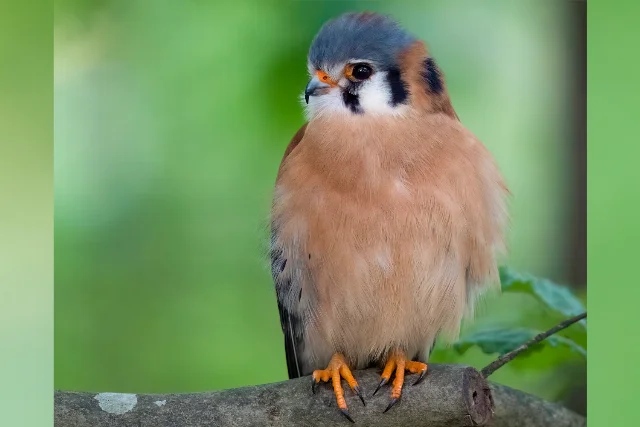


Birds have their own beautiful world, we should not interfere in it. We should enjoy this beauty. Its beauty should be captured in the camera but be careful not to disturb them.
Tap a language to switch instantly.
Tap a language to switch instantly.