Pale Sparrow
Carpospiza brachydactyla
Last update: 14 Jul 2026
Read in:
English
Español
Português
हिन्दी
বাংলা
தமிழ்
മലയാളം
मराठी
ગુજરાતી
తెలుగు
French
Deutsch
Русский
日本語
简体中文
Italiano
Tiếng Việt
العربية
ಕನ್ನಡ
ਪੰਜਾਬੀ
Pale Sparrow Basic Information
| Scientific Name | Carpospiza brachydactyla |
|---|---|
| Status | LC Least Concern |
| Size | 13-14 cm (5-6 inch) |
| Colors |
Sand
White
|
| Type |
Perching Birds

|
| Family | Old World Sparrows |
Introduction
The Pale Sparrow (Carpospiza brachydactyla) is a fascinating and elusive member of the Passeridae family, perfectly adapted to the harsh, arid environments of the Middle East and surrounding regions. As a specialized desert-dwelling species, it holds a distinct position among perching birds due to its remarkable resilience in extreme climates where water and resources are scarce. Often mistaken for other sparrow species, the Pale Sparrow is distinguished by its subtle, sand-colored plumage that provides exceptional camouflage against the sun-baked landscapes it calls home. Birdwatchers and ornithologists alike find this species particularly intriguing because of its nomadic behavior and somewhat mysterious life cycle, which remains relatively understudied compared to more common urban sparrow varieties. Whether you are an experienced birder seeking to document rare avian life or a nature enthusiast curious about biodiversity in desert ecosystems, understanding the Pale Sparrow offers a profound look at evolutionary adaptation and survival in one of the world's most challenging environments. This guide provides comprehensive insights into the life of this unique bird, covering everything from its physical traits to its specialized ecological niche.
Physical Appearance
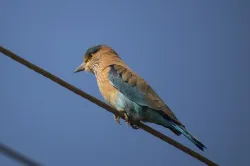
Standing at a modest size of 13 to 14 centimeters, the Pale Sparrow is characterized by its compact, robust build, which is typical of the sparrow family. Its most defining feature is its plumage, which is expertly evolved for survival in arid, sandy terrains. The primary color is a soft, muted sand tone, which allows the bird to blend seamlessly into the gravelly or sandy ground where it spends much of its time foraging. Complementing this sandy base are subtle shades of white and off-white, particularly on its underparts and wing bars, which create a soft, monochromatic appearance that is both beautiful and functional. The head is relatively large in proportion to the body, featuring a short, stout, and conical beak designed for crushing seeds and extracting nutrients from tough desert vegetation. Its eyes are dark and expressive, set against a pale facial pattern that lacks the bold, high-contrast markings found in many other sparrow species. The legs are sturdy and pale-colored, well-suited for both hopping across shifting desert sands and perching on low-lying shrubs or rocky outcrops. Overall, the physical appearance of the Pale Sparrow is a masterclass in natural camouflage, rendering it nearly invisible to predators when stationary against the desert floor.
Habitat
The Pale Sparrow is primarily found in the arid and semi-arid regions of the Middle East, including parts of Turkey, Iran, Iraq, and the Arabian Peninsula. It thrives in open, desolate landscapes such as rocky deserts, arid plateaus, and sparsely vegetated steppes. Unlike many of its cousins that prefer human-altered environments, the Pale Sparrow is a true desert specialist. It is frequently observed in areas with low-growing scrub, rocky ravines, and dry wadis where it can find both shelter from the intense sun and access to limited food sources. Its preference for remote, rugged terrain makes it a challenging species to locate, as it avoids dense urban centers and lush agricultural zones, opting instead for the quiet, expansive silence of the deep desert.
Diet
As an opportunistic feeder, the Pale Sparrow primarily maintains a granivorous diet. It spends a significant portion of its day foraging on the ground, searching for a variety of seeds from desert grasses and hardy, drought-resistant shrubs. Because it lives in an environment where resources can be unpredictable, it is highly efficient at scavenging. During the breeding season, when the nutritional demands for raising chicks are higher, the Pale Sparrow supplements its seed-based diet with small insects and larvae. This protein boost is critical for the growth and development of its young. Its stout, conical beak is perfectly adapted for husking seeds, allowing it to extract sustenance from even the toughest desert vegetation found in its range.
Breeding and Nesting
Breeding for the Pale Sparrow is a highly seasonal affair, often tied to the short-lived periods of desert rainfall that trigger plant growth. These birds typically nest in small, loose colonies, choosing locations that offer protection from both predators and the elements. Nests are often constructed in the crevices of rocky cliffs, inside small caves, or occasionally within the dense, thorny branches of desert shrubs. The nest itself is a cup-shaped structure built from dry grasses, twigs, and lined with softer materials like feathers or animal hair to provide insulation. Both the male and female participate in the construction of the nest and the subsequent care of the chicks. A typical clutch consists of three to five eggs, which are carefully incubated by the female, while the male remains vigilant, guarding the territory and providing food for his mate. The developmental period for the chicks is relatively rapid, an evolutionary trait that allows the young to fledge before the harsh desert heat becomes overwhelming.
Behavior
The Pale Sparrow is known for its social yet somewhat cautious nature. While they are often seen in small flocks outside of the breeding season, they remain highly alert to their surroundings. They are primarily ground-dwelling birds, frequently seen hopping across the desert floor with quick, agile movements. Despite their preference for the ground, they are capable fliers and will retreat to low bushes or rocky outcrops when threatened. They are not known for complex vocalizations; instead, they communicate through a series of soft, high-pitched chirps and calls that are barely audible over the wind. During the heat of the midday sun, they exhibit lethargic behavior, seeking out shade in rocky nooks to conserve energy and maintain their body temperature, only becoming active during the cooler morning and evening hours.
Conservation Status - LC Least Concern
Currently, the Pale Sparrow is classified as a species of Least Concern by major conservation organizations. Because its range covers vast, sparsely populated desert regions, it is not currently facing the immediate threats of large-scale habitat loss or urban encroachment that affect more common species. However, climate change and the increasing desertification of previously habitable zones remain long-term concerns. Protecting the integrity of its remote, arid habitat is essential for maintaining healthy populations. While the species is not currently endangered, its specialized ecological requirements mean that any significant disruption to its fragile desert environment could have unforeseen consequences for its survival.
Interesting Facts
- The Pale Sparrow is exceptionally well-camouflaged, making it nearly invisible against desert sand.
- Unlike many other sparrows, this species is a true desert specialist and rarely enters urban areas.
- They often nest in loose colonies within rocky crevices or thorny desert shrubs.
- Their diet shifts from seeds to insects specifically during the chick-rearing season.
- They are highly nomadic and move across the desert in search of ephemeral water sources.
- The Pale Sparrow is known for its ability to withstand extreme temperature fluctuations between day and night.
- They possess a unique, stout beak designed specifically to crack the hard husks of desert seeds.
Tips for Birdwatchers
For birdwatchers hoping to spot the Pale Sparrow, patience and preparation are key. Because these birds inhabit remote and rugged terrain, you will need a high-quality pair of binoculars and a spotting scope to observe them without disturbing their behavior. The best time to look for them is during the early morning or late afternoon when they are most active. Focus your search on rocky wadis, plateaus, and areas with sparse, low-lying vegetation. Since they are ground-dwelling, keep your eyes low, scanning the gravelly patches where their sandy plumage helps them blend in. It is also helpful to familiarize yourself with their subtle, high-pitched calls, as you are likely to hear them before you see them. Always maintain a respectful distance and avoid approaching nesting sites, as these birds are sensitive to disturbance in their delicate desert ecosystem.
Pro-Tip: To spot this bird in dense forest canopy, a 8x42 binoculars or telescope is highly recommended.
- [Check out our top recommended gear here]
Conclusion
In conclusion, the Pale Sparrow (Carpospiza brachydactyla) is a remarkable testament to the power of adaptation. By carving out a life in some of the most inhospitable climates on the planet, this bird serves as a vital component of the desert ecosystem. Its sand-colored plumage, specialized beak, and cautious social behavior are all finely tuned instruments for survival in a land of extremes. While it may not command the attention of more colorful or vocal species, the Pale Sparrow offers a rewarding challenge for those who take the time to study it. Understanding its role in the ecosystem highlights the importance of preserving wild, arid habitats that are often overlooked in conservation efforts. As we continue to face global environmental shifts, species like the Pale Sparrow remind us of the fragility and resilience of nature. Whether you are an avid birdwatcher or simply an admirer of wildlife, the Pale Sparrow is a species that deserves our respect and attention. By learning about its habits and the environment it calls home, we gain a deeper appreciation for the complex web of life that persists even in the most barren corners of our world. We hope this guide has provided you with a comprehensive look at this fascinating bird and encourages you to explore the beauty of desert biodiversity in your future birding adventures.
Tag:

200 Follower
is a writer who draws. He’s the Bestselling author of “Number of The Year”. Donec vitae tortor efficitur, convallis lelobortis elit.
Recent Posts




Subscribe For Daily Newsletter