

Not available
Red-faced Cormorant
Urile urile
Last update: 10 May 2026
Read in:
English
Español
Português
हिन्दी
বাংলা
தமிழ்
മലയാളം
मराठी
ગુજરાતી
తెలుగు
French
Deutsch
Русский
日本語
简体中文
Italiano
Tiếng Việt
العربية
ಕನ್ನಡ
ਪੰਜਾਬੀ
Red-faced Cormorant Basic Information
| Scientific Name | Urile urile |
|---|---|
| Status | LC Least Concern |
| Size | 73-76 cm (29-30 inch) |
| Colors |
Black
Red
|
| Type |
Seabirds

|
| Family | Cormorants |
Introduction
The Red-faced Cormorant, scientifically classified as Urile urile, is a fascinating and visually striking member of the Phalacrocoracidae family. Often considered one of the most distinctive cormorant species in the North Pacific, this seabird is renowned for its specific coloration and specialized marine lifestyle. Unlike many of its counterparts that are found across vast inland water systems, the Red-faced Cormorant is strictly bound to the rocky, rugged coastlines of the North Pacific rim. This species serves as an important indicator of marine health, as its presence and breeding success are deeply tied to the productivity of the surrounding ocean ecosystems. Ornithologists and birdwatchers alike are drawn to this bird due to its limited distribution and the specific behavioral traits that define its existence in some of the harshest coastal environments on the planet. Understanding the life history of the Red-faced Cormorant requires a deep appreciation for its adaptation to cold, nutrient-rich waters and its reliance on specific nesting substrates that are often inaccessible to terrestrial predators.
Physical Appearance
The Red-faced Cormorant is a medium-sized seabird, typically measuring between 73 and 76 centimeters in length. Its most iconic feature, from which it derives its common name, is the patch of bare, bright red skin that surrounds its eyes and bill during the breeding season. This vivid coloration contrasts sharply with its overall plumage, which is predominantly a deep, iridescent black. When viewed in direct sunlight, the feathers of the Red-faced Cormorant display a beautiful metallic sheen, often reflecting shades of dark green and purple. In addition to the facial skin, the bird possesses a slender, hooked bill, which is perfectly adapted for grasping slippery prey underwater. During the breeding cycle, adults also develop conspicuous white patches on their flanks and long, decorative crests on their heads. These seasonal morphological changes are crucial for mate selection and social signaling within the colony. Their wings are relatively short compared to their body size, reflecting their evolutionary shift toward efficient underwater propulsion rather than soaring long distances through the air.
Habitat
The habitat of the Red-faced Cormorant is almost exclusively limited to the North Pacific region, stretching from the Aleutian Islands in Alaska down to the coastal regions of Japan and the Russian Far East. These birds are highly specialized, preferring to nest on steep, rocky cliffs and sea stacks that provide protection from predators such as foxes and other land-based threats. They are rarely found far from the coastline, as their foraging strategy requires immediate access to shallow, productive marine waters. The cold, nutrient-rich currents of the North Pacific are essential for the survival of this species, as these waters support the dense schools of forage fish upon which the cormorant relies throughout the year.
Diet
As a dedicated piscivore, the diet of the Red-faced Cormorant consists primarily of small to medium-sized marine fish. They are expert divers, capable of submerging themselves to significant depths to pursue their prey with remarkable agility. Using their webbed feet for propulsion and their powerful wings for steering, they can track fish through the water column with extreme precision. Common prey items include sand lance, sculpins, and various species of rockfish. Because they are restricted to coastal foraging, the availability of these specific fish populations is directly linked to the bird's reproductive success. They often forage in groups, which may help them locate schools of fish more efficiently in the vast, turbulent waters of the North Pacific.
Breeding and Nesting
The breeding season for the Red-faced Cormorant typically begins in the late spring, as pairs gather on rocky cliff ledges to establish their territories. Unlike some other seabirds that burrow, this species constructs substantial nests using a combination of seaweed, grasses, and other debris found along the shoreline, often cementing the structure together with guano. Both parents participate in the incubation of the eggs, which usually number between two and four per clutch. The process is labor-intensive, as the pair must constantly maintain the nest while defending it against encroaching neighbors. Once the chicks hatch, they are altricial and require constant feeding and protection from the elements. The parents work in shifts to bring back regurgitated fish, ensuring the rapid growth of the young before the onset of autumn storms. This high level of parental investment is necessary to ensure survival in the unforgiving northern climate.
Behavior
Behaviorally, the Red-faced Cormorant is a gregarious bird, often seen in small to moderate-sized colonies during the breeding season. Outside of the nesting period, they are generally less social but still exhibit strong site fidelity to their preferred foraging grounds. A common sight is the 'wing-spreading' posture, where the bird stands on a rock with its wings extended. While there is some debate among scientists, this behavior is widely believed to be an efficient way to dry the feathers after foraging, as cormorant plumage is not as waterproof as that of other seabirds. They are generally quiet birds, though they do produce low-frequency croaks and grunts during courtship displays or territorial disputes.
Conservation Status - LC Least Concern
Currently, the Red-faced Cormorant is not considered to be in immediate danger of extinction, but it faces several long-term threats that warrant careful monitoring. The primary concerns include the degradation of their nesting habitats, human-induced disturbances in coastal areas, and the potential impact of climate change on the distribution of their preferred prey species. Because they rely on specific, localized rock formations for breeding, any loss of these sites can have a significant negative impact on local populations. Conservation efforts focus on protecting key breeding colonies from industrial development and reducing pollution in their foraging waters.
Interesting Facts
- The red skin on the face of these birds becomes significantly brighter during the peak of the breeding season.
- They are exceptionally deep divers and can stay submerged for several minutes while hunting.
- Unlike many other bird species, they use guano as a binding agent to keep their nests attached to steep cliffs.
- Their scientific name, Urile urile, is a unique taxonomic designation that separates them from other cormorant genera.
- These birds are highly sensitive to human presence and will often abandon their nests if disturbed by boats or hikers.
- They play a crucial role in the marine food web by regulating populations of small forage fish.
Tips for Birdwatchers
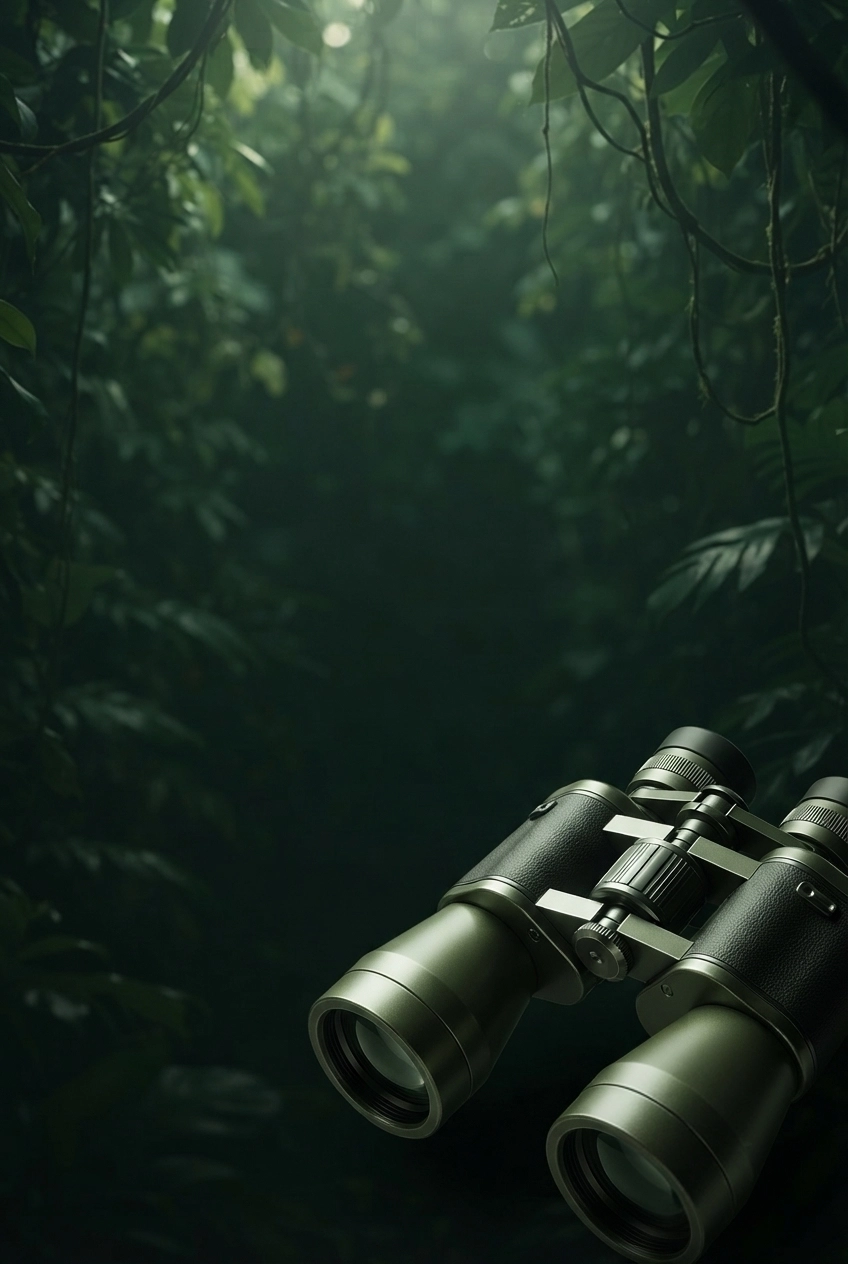
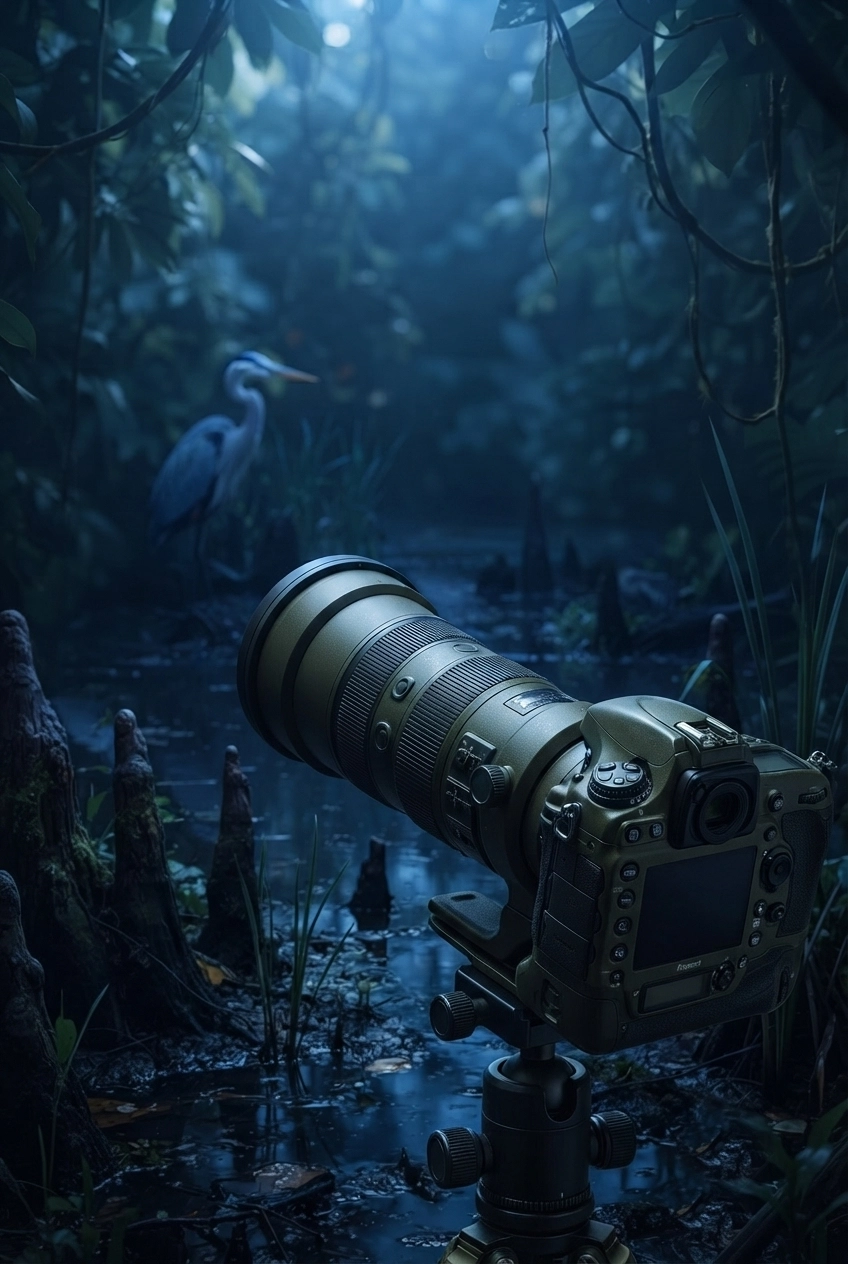
For birdwatchers hoping to spot the Red-faced Cormorant, patience and the right equipment are essential. Because they are often found on remote, rugged coastlines, a sturdy pair of high-quality binoculars or a spotting scope is mandatory to observe them from a safe distance without causing disturbance. The best time to view them is during the breeding season, when they are tied to specific, predictable nesting sites. Always check local regulations before approaching coastal bird colonies, as these areas are often protected. It is also important to consider the weather; the North Pacific is notoriously unpredictable, so proper safety gear and planning are vital for a successful expedition. Look for the distinct white patches on the flanks to distinguish them from other common cormorant species in the same region.
Pro-Tip: To spot this bird in dense forest canopy, a 8x42 binoculars or telescope is highly recommended.
- [Check out our top recommended gear here]
Conclusion
The Red-faced Cormorant is a remarkable example of evolutionary adaptation, perfectly suited to the wild, rugged beauty of the North Pacific. From its vibrant facial markings to its specialized hunting techniques, the Urile urile offers a compelling glimpse into the life of a dedicated marine predator. As we continue to study and appreciate these birds, it is vital that we also recognize the fragility of their environment. By supporting marine conservation initiatives and practicing ethical birdwatching, we can help ensure that these unique seabirds continue to thrive on our northern shores for generations to come. Their presence is a reminder of the intricate connections within our oceans, linking the health of our planet's climate to the smallest of marine organisms. Whether you are a seasoned ornithologist or a casual nature enthusiast, observing a Red-faced Cormorant in its natural habitat is an experience that highlights the incredible diversity of avian life. As research progresses, we look forward to uncovering more secrets about this elusive and beautiful species, further cementing its place as a jewel of the North Pacific avian community.
Tag:

200 Follower
is a writer who draws. He’s the Bestselling author of “Number of The Year”. Donec vitae tortor efficitur, convallis lelobortis elit.
Recent Posts



Subscribe For Daily Newsletter


