Spectacled Duck Distribution Map & Range
The distribution map for this species will be available soon.
We are working with our official data partners to update this information.

Sign in with your Google account to access all features

| Scientific Name | Speculanas specularis |
|---|---|
| Status | NT Near Threatened |
| Size | 45-55 cm (18-22 inch) |
| Colors |
Brown
White
|
| Type |
Duck-like Birds

|
| Family | Ducks, Geese, Swans |
The Spectacled Duck, scientifically known as Speculanas specularis, is a fascinating and somewhat enigmatic member of the Anatidae family. Native to the southern regions of South America, this duck-like bird occupies a unique niche within the temperate rainforests and mountainous river systems of Chile and Argentina. Unlike many other dabbling ducks, the Spectacled Duck is highly specialized and often found in secluded, fast-flowing mountain streams rather than open lakes or marshlands. Its distinct appearance and secretive nature have long intrigued ornithologists and birdwatchers alike. As a monotypic genus, it stands out as a singular evolutionary branch within its lineage, making it a subject of significant biological interest. Despite its striking beauty, the species remains relatively understudied compared to its more common relatives, leading to ongoing efforts to understand its population dynamics and ecological requirements in an ever-changing environment. This guide explores the biology, behavior, and conservation needs of this remarkable waterfowl species, providing a comprehensive overview for enthusiasts and researchers.
Measuring between 45 and 55 centimeters in length, the Spectacled Duck is a medium-sized waterfowl characterized by a robust build and striking plumage. The primary color of the bird is a deep, rich brown, which provides excellent camouflage against the dark, rocky substrates of its riverine habitats. The plumage is accented by a prominent white patch on the face, specifically around the eyes, which gives the species its common name. This white 'spectacle' contrast sharply with the darker brown head and neck. Additionally, the bird features a distinctive metallic green-bronze speculum on the wings, which is often visible during flight. The bill is typically dark, and the legs are a dull yellow or orange. Males and females share a similar appearance, although subtle differences in size and intensity of color may occur. Their plumage is designed not only for identification but also for thermoregulation in the cool, humid climates of the Andes, where they are primarily distributed throughout the year.
The Spectacled Duck is highly selective regarding its environment, favoring the pristine, fast-flowing rivers and streams of the Andean foothills and temperate forests. These habitats are characterized by dense vegetation, rocky banks, and clear, oxygen-rich waters that provide essential resources for the species. They are predominantly found in the southern parts of Chile and Argentina, specifically in areas with low human disturbance. Unlike many ducks that congregate in large, open wetlands, the Spectacled Duck prefers the seclusion of river valleys where the canopy provides cover from predators. Their reliance on these specific riverine ecosystems makes them highly sensitive to environmental changes, such as habitat fragmentation, pollution, and the introduction of invasive salmonid fish species that compete for food resources.
The diet of the Spectacled Duck is primarily herbivorous, but it is also opportunistic. They feed mainly on aquatic vegetation, including algae, seeds, and the submerged leaves of water plants found in fast-moving streams. Their specialized bill is well-adapted for grazing on mosses and lichens that grow on rocks along the riverbanks, as well as sifting through silt for small aquatic invertebrates. During the breeding season, they may consume a higher proportion of insects and small crustaceans to meet the increased protein demands required for egg production and chick development. Their ability to forage in turbulent, rushing water sets them apart from most other ducks, showcasing their unique physical and behavioral adaptations to high-energy aquatic environments.
Breeding for the Spectacled Duck typically occurs during the austral spring and summer, between September and December. They are territorial birds during this period, often defending stretches of river against conspecifics. Unlike many ducks that nest on the ground near open water, the Spectacled Duck often seeks out cavities in trees or dense, sheltered vegetation along the riverbank to build its nest. This nesting strategy provides protection against terrestrial predators. The female is responsible for incubation, while the male remains nearby, often acting as a guard to deter intruders. The clutch size usually consists of 5 to 8 eggs, which are incubated for roughly 30 days. Once hatched, the precocial ducklings are quickly led to the water by the parents, where they begin to forage under the constant vigilance of the adults until they reach independence.
Spectacled Ducks are known for their quiet and shy demeanor, often avoiding detection by remaining perfectly still against the dark background of the riverbank. They are usually found in pairs or small family groups rather than large flocks. Their flight is strong and direct, often skimming low over the surface of the water as they navigate the winding paths of mountain rivers. Communication between partners involves soft, low-frequency vocalizations that are barely audible to the human ear. During the winter months, they may congregate in slightly larger numbers in areas where the water remains unfrozen, but they generally maintain a solitary nature compared to other waterfowl, reflecting their adaptation to isolated, high-energy mountain streams.
The Spectacled Duck is currently listed as Near Threatened by the IUCN. The primary threats to their survival include habitat loss due to deforestation, the damming of rivers for hydroelectric projects, and the degradation of riverine ecosystems. Because they are highly dependent on specific, clean-water habitats, they serve as excellent indicators of environmental health. Conservation efforts are currently focused on protecting key river corridors in southern Chile and Argentina. Increased awareness, the regulation of fishing activities, and the establishment of protected areas are essential to ensuring the long-term viability of this unique and specialized waterfowl species.
For birdwatchers hoping to spot the elusive Spectacled Duck, patience and local knowledge are key. Focus your efforts on the temperate rainforest regions of southern Chile and Argentina during the spring and summer months. Look for quiet, fast-flowing mountain streams that are away from major human activity. Using high-quality binoculars or a spotting scope is essential, as these birds are experts at camouflage and will often remain hidden among the rocks and overhanging vegetation. Early morning is the best time for observation, as the birds are most active while foraging. Always maintain a respectful distance to avoid disturbing their nesting sites, and consider hiring a local guide who understands their specific habitat preferences to increase your chances of a successful sighting.
The Spectacled Duck, Speculanas specularis, represents a remarkable example of adaptation to specialized, high-energy riverine environments. From its distinct white facial markings to its preference for the secluded mountain streams of the Andes, every aspect of this bird’s life is finely tuned to its unique ecological niche. While its shy and secretive nature makes it a challenging subject for observation, the effort required to find and study this species is rewarded by the opportunity to witness a truly singular avian life form. As we continue to navigate the challenges of climate change and habitat loss, the Spectacled Duck serves as a poignant reminder of the importance of preserving the wild, untouched corners of our planet. Protecting the pristine rivers of South America is not only vital for the survival of this duck but also for the overall health of the complex ecosystems it inhabits. Whether you are a dedicated ornithologist or an enthusiastic birdwatcher, the Spectacled Duck offers a window into the fascinating diversity of the natural world, urging us to advocate for conservation and sustainable practices that ensure these magnificent birds continue to thrive in their mountain homes for generations to come.
We are working with our official data partners to update this information.



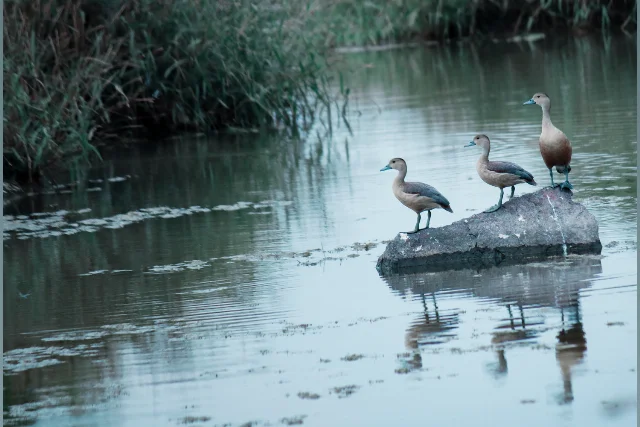



Birds have their own beautiful world, we should not interfere in it. We should enjoy this beauty. Its beauty should be captured in the camera but be careful not to disturb them.
Tap a language to switch instantly.
Tap a language to switch instantly.