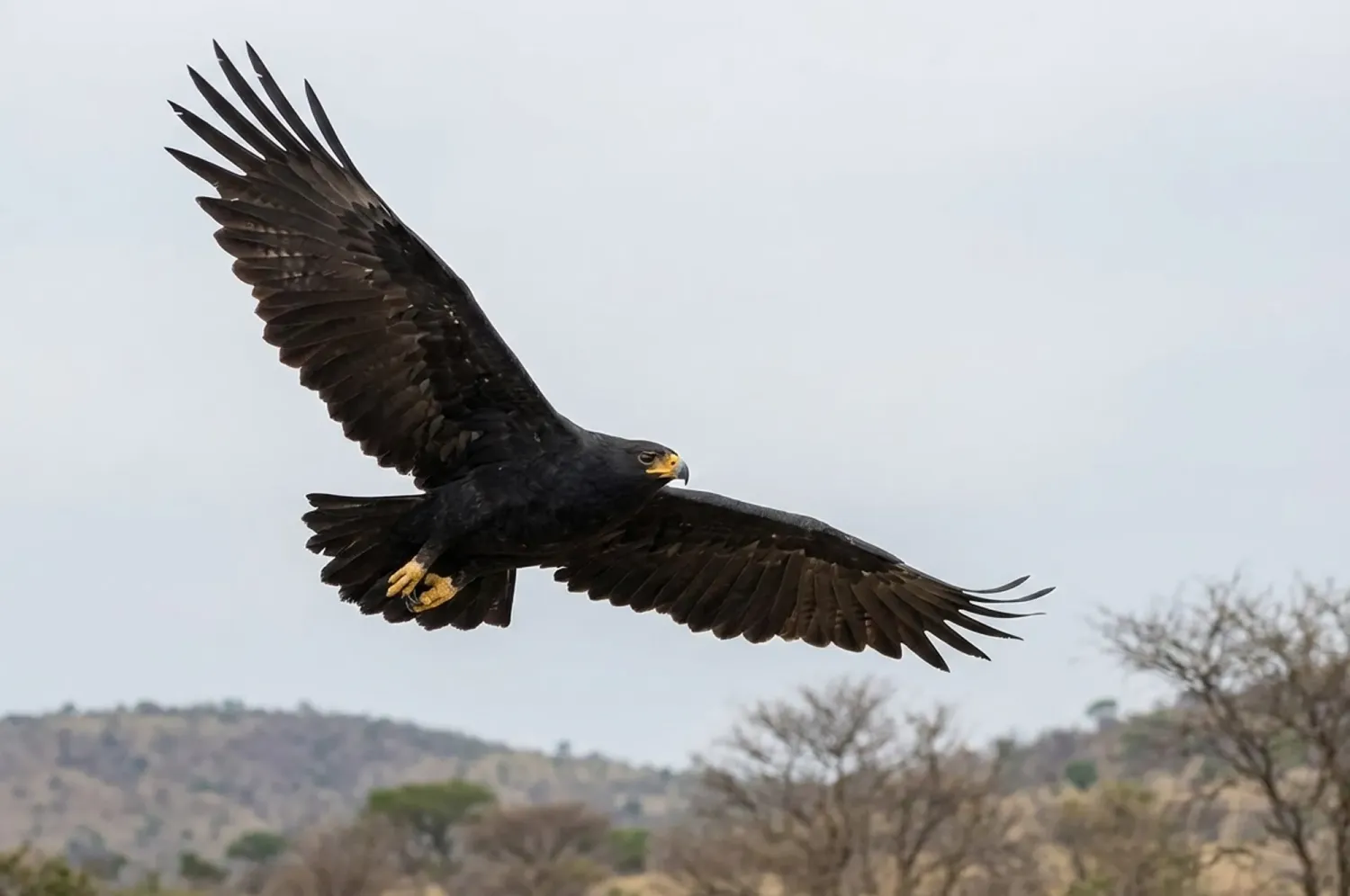
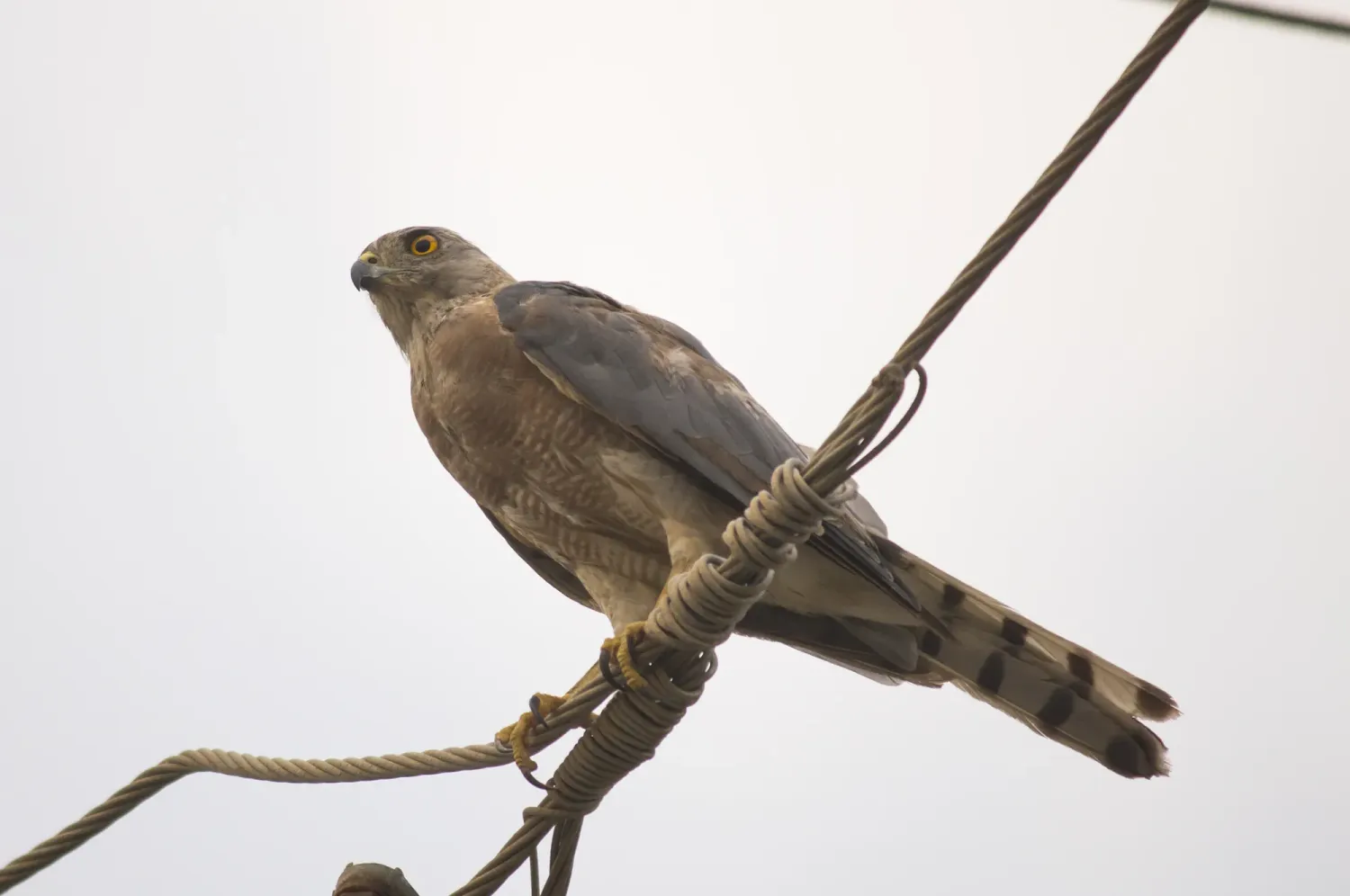

Did you know? A Peregrine Falcon can dive at over 320 km/h – the fastest animal on Earth.




Bird Species
Conservation
Partners
Languages




Happy Paws
 OUR MISSION
Birds and Me is your ultimate destination for accurate, detailed information about bird species from India and around the world. We help bird lovers identify, learn, and conserve our feathered friends.






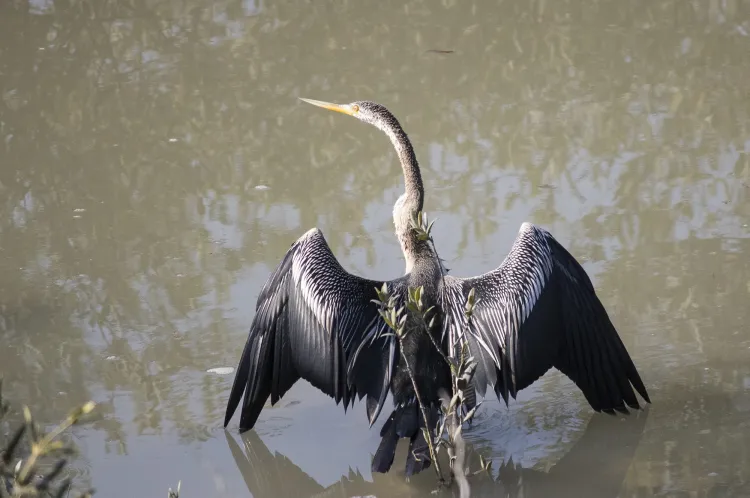

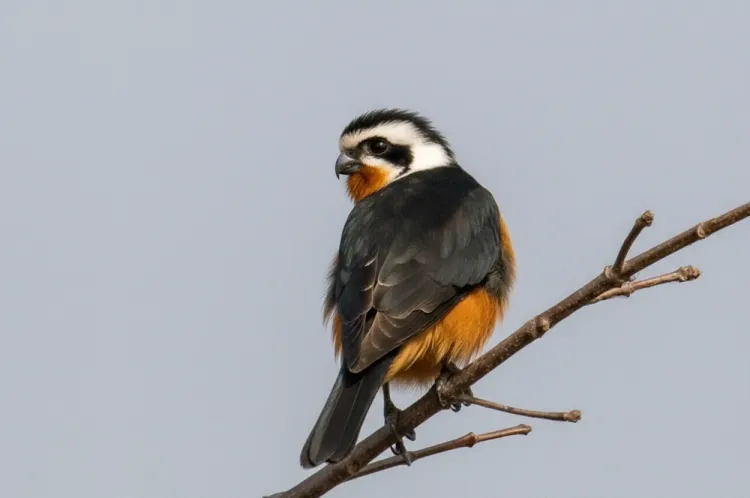

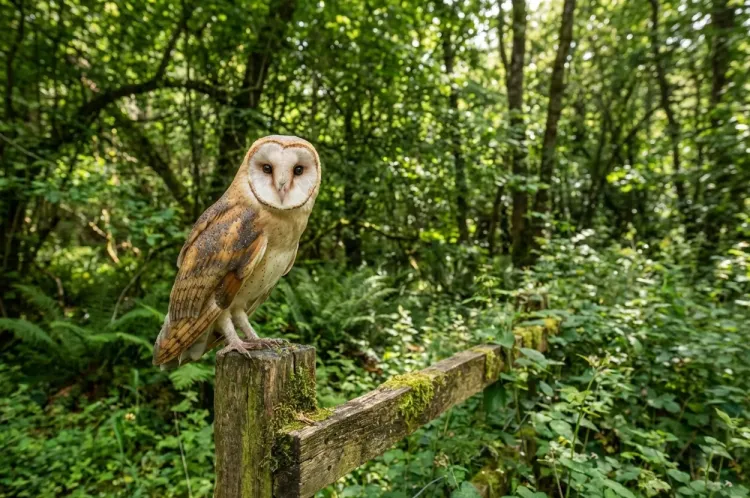

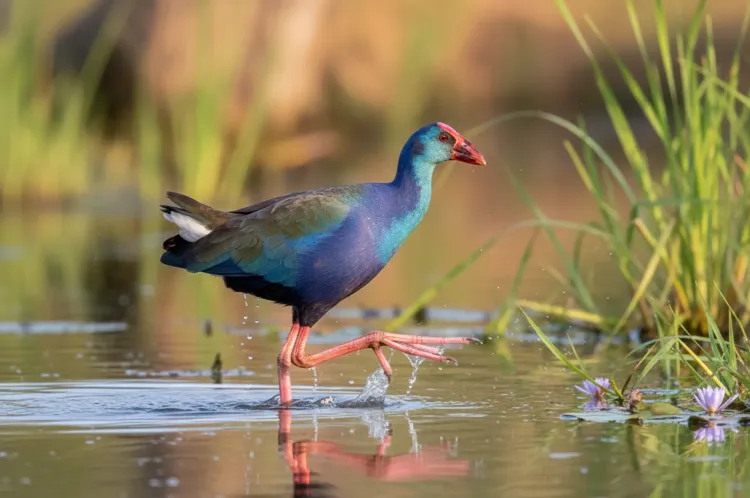




 About BirdsAndMe
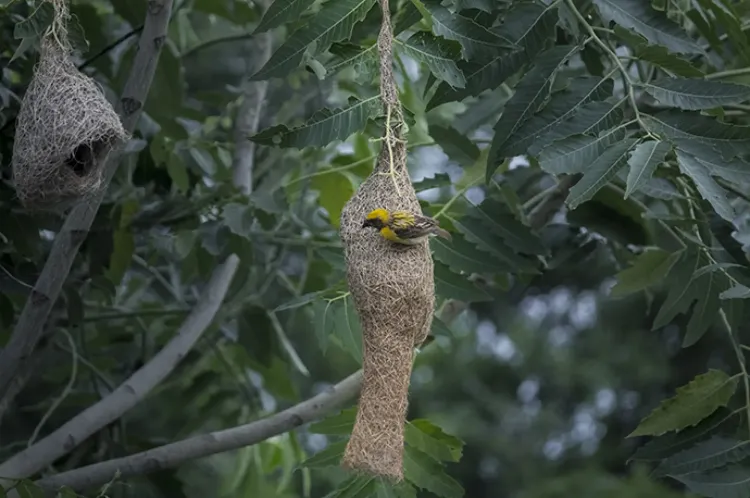
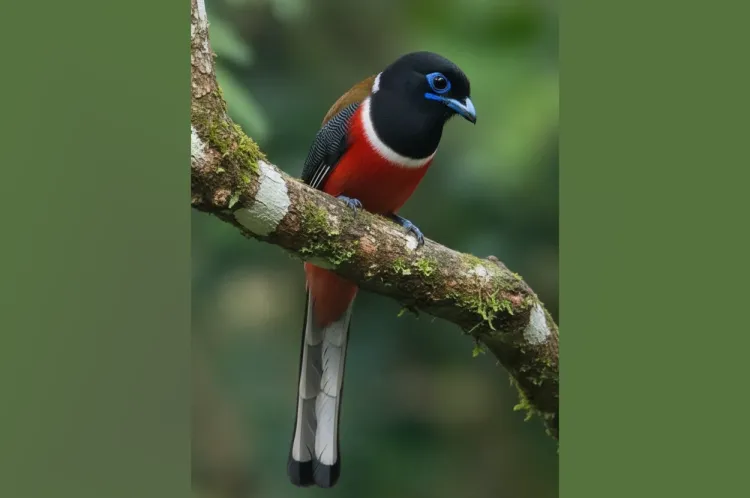
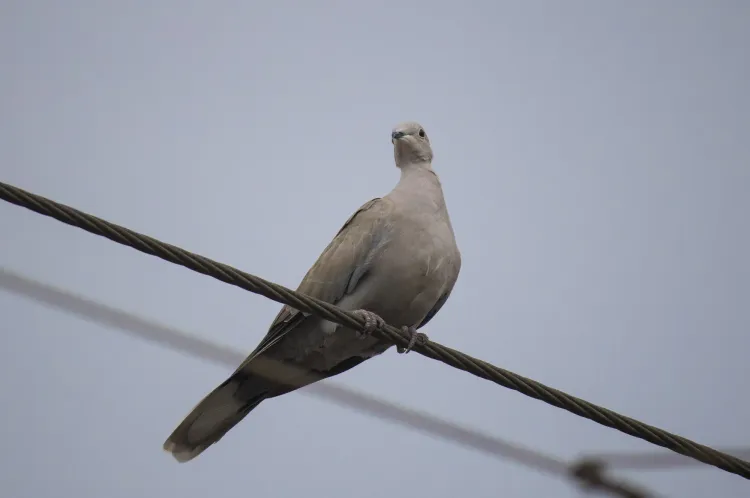
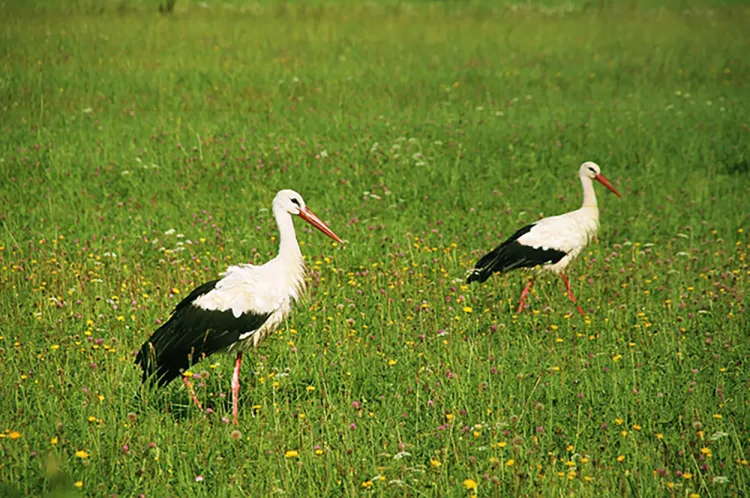
BirdsAndMe is a comprehensive bird encyclopedia featuring 5,500+ bird species from around the globe. We provide high‑resolution photos, detailed descriptions, conservation status (IUCN), and local names in 20+ languages — all for free. Whether you're a birder, student, or nature lover, discover the beauty and science of avian life with us.

Complete database with scientific names, sizes, colors, types, and regional distribution.
Thousands of high‑quality bird images submitted by our community and verified experts.
Clear IUCN status (CR, EN, VU, NT, LC) and habitat info to support bird protection.
Bird names and descriptions in Hindi, Bengali, Tamil, Spanish, French, Japanese, and more.
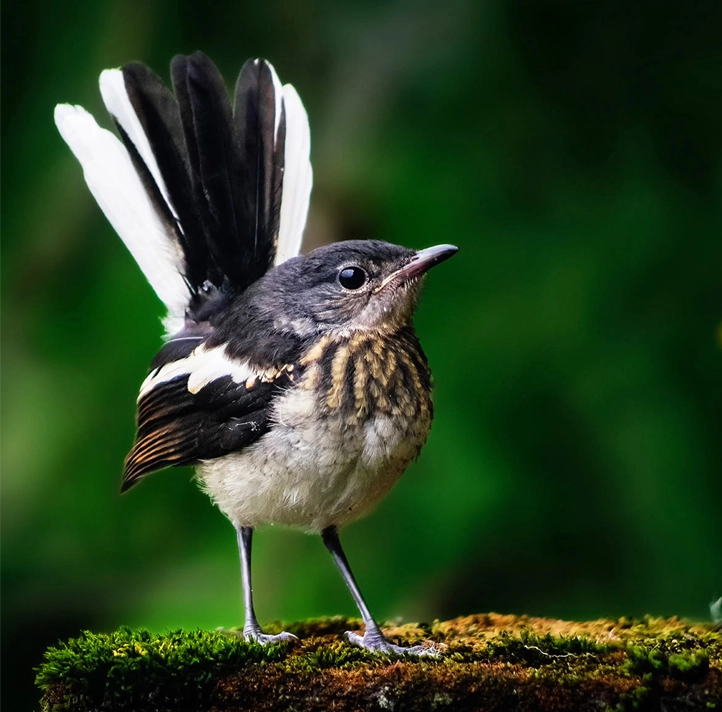


 Bird Gallery
Swipe through different families – each slide shows 6 random birds of that type
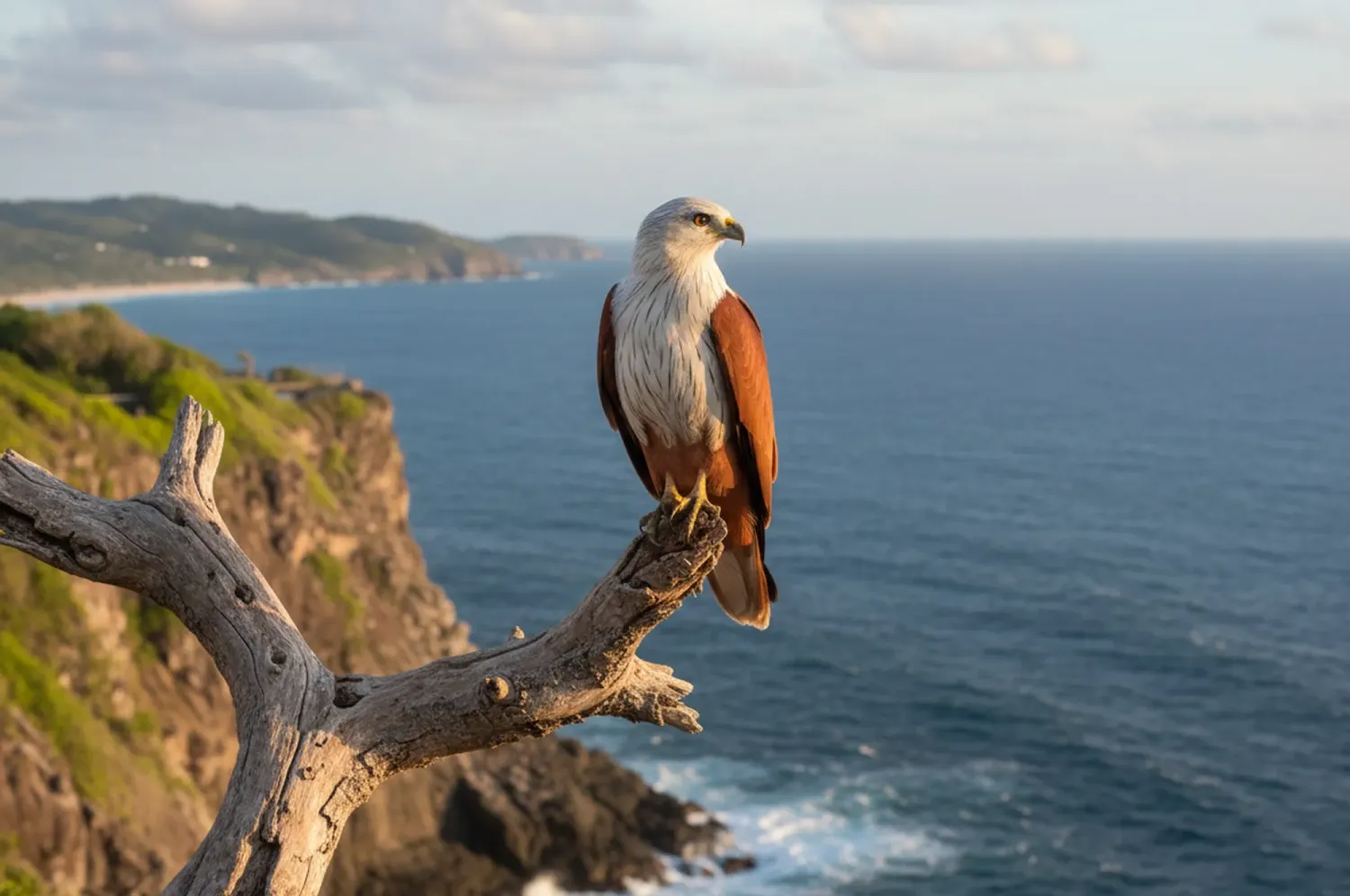
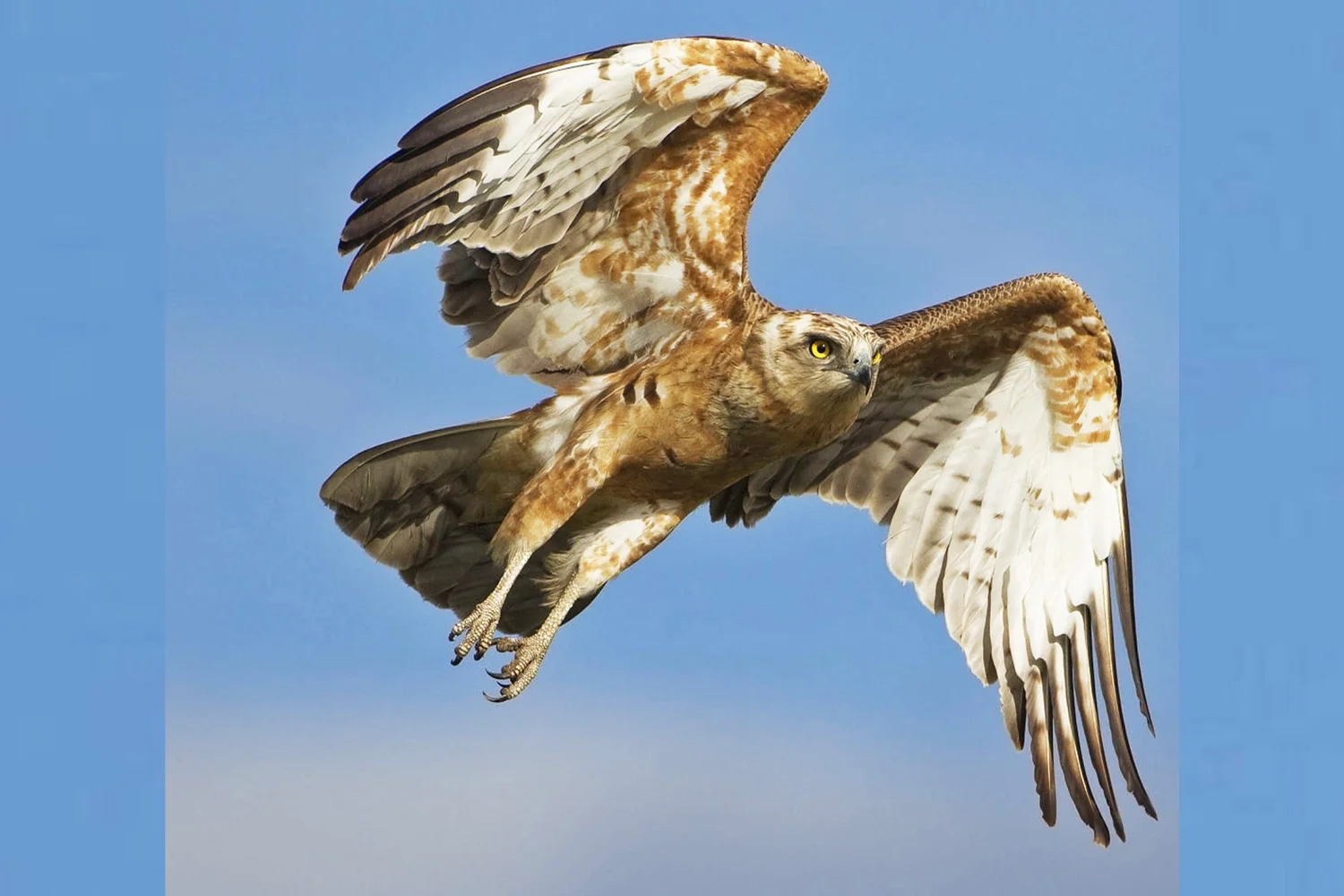
Raptors have keen eyesight, powerful talons, and hooked beaks. They hunt during the day (or night for owls) and play a vital role in balancing ecosystems.

Did you know? A Peregrine Falcon can dive at over 320 km/h – the fastest animal on Earth.
Conservation – Protecting Birds of Prey helps maintain healthy ecosystems worldwide.
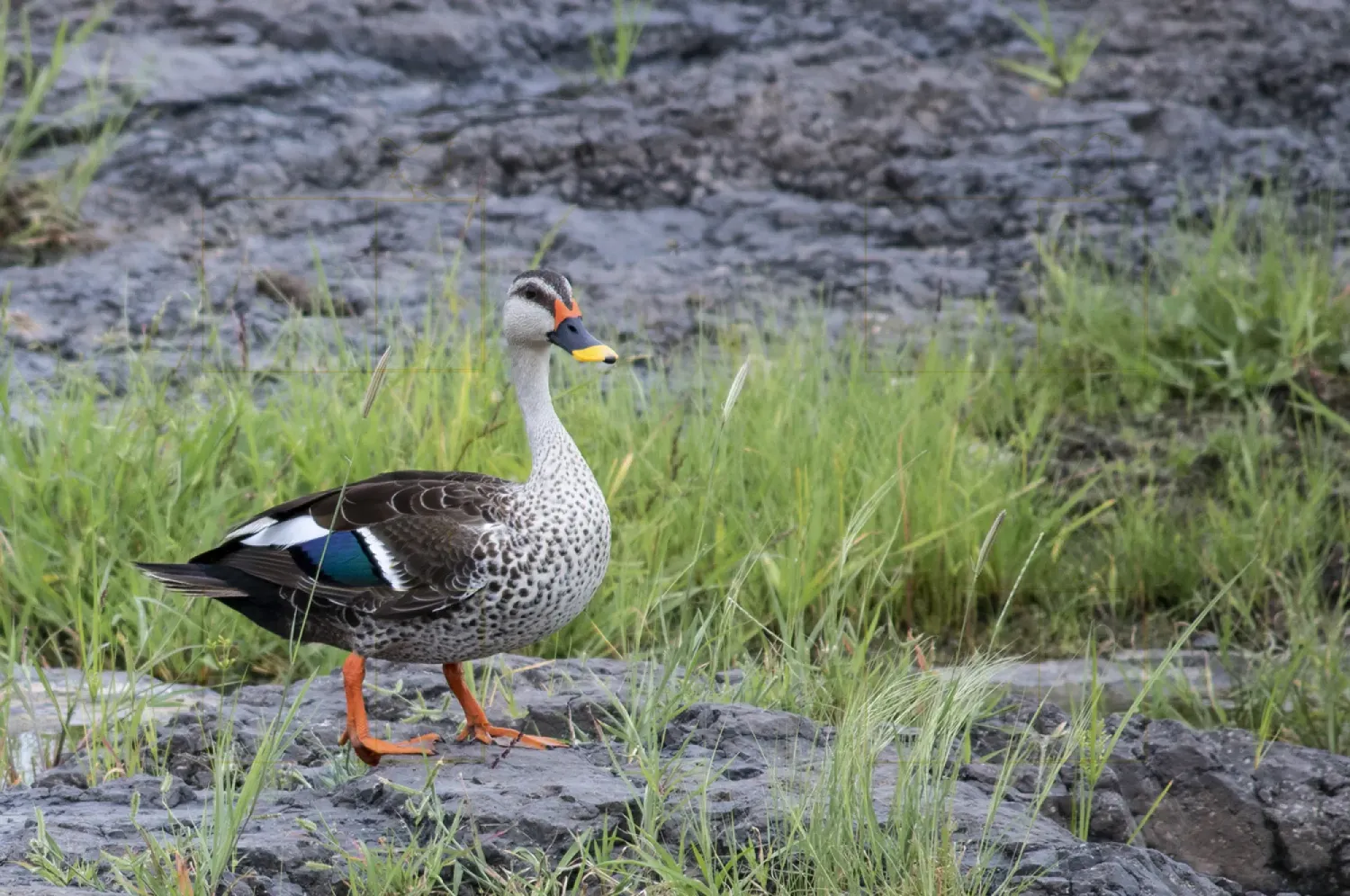
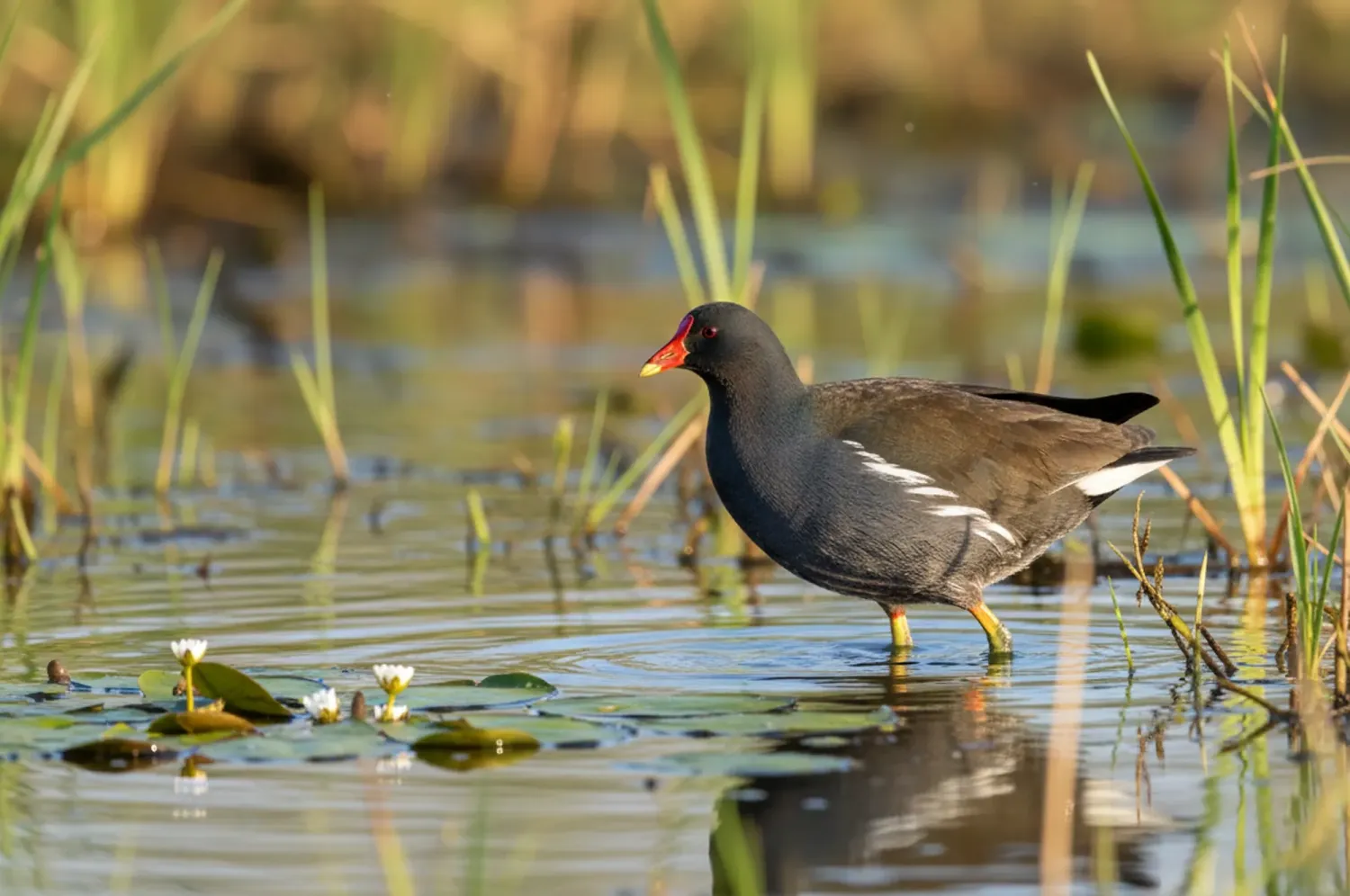
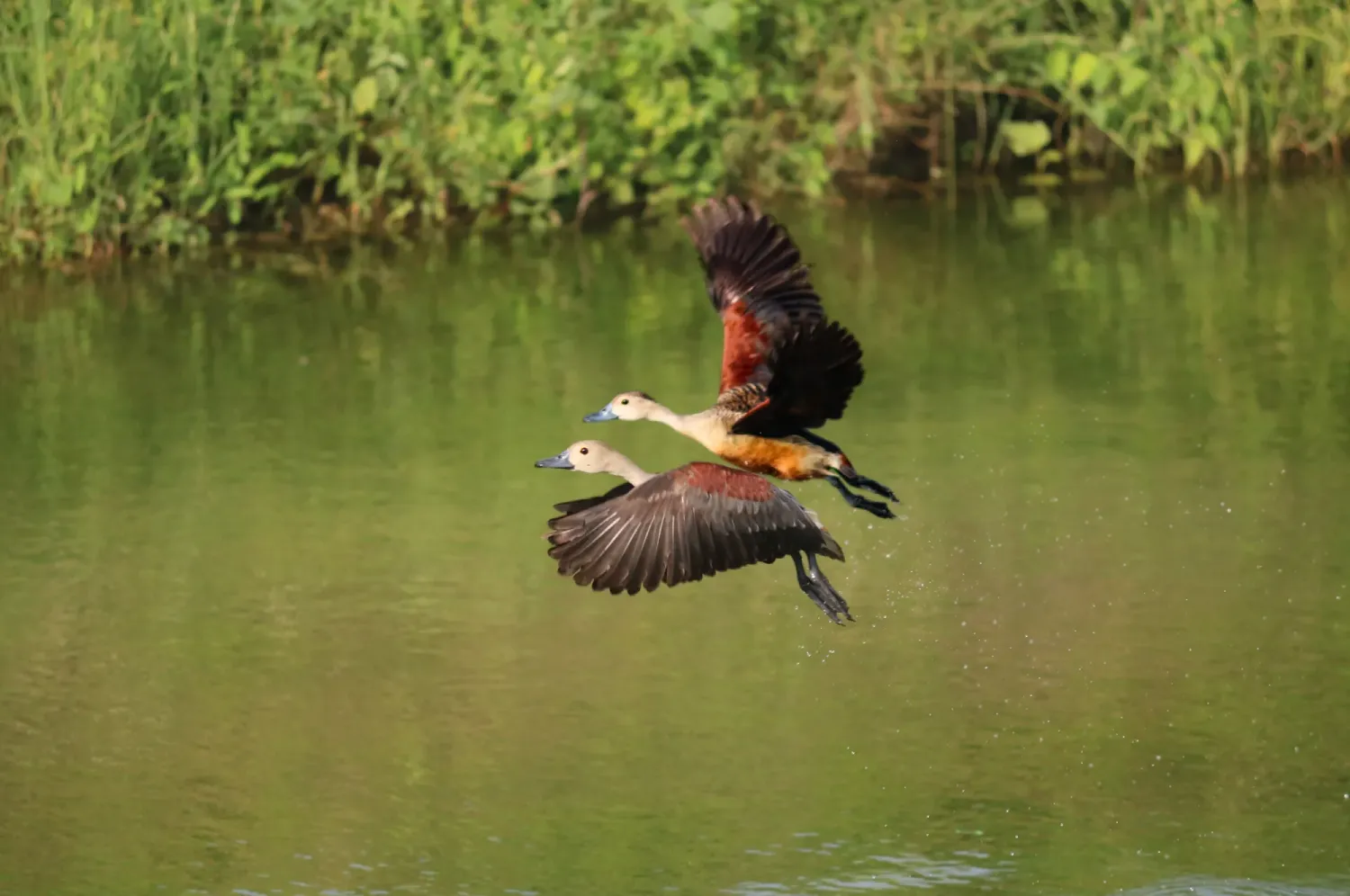
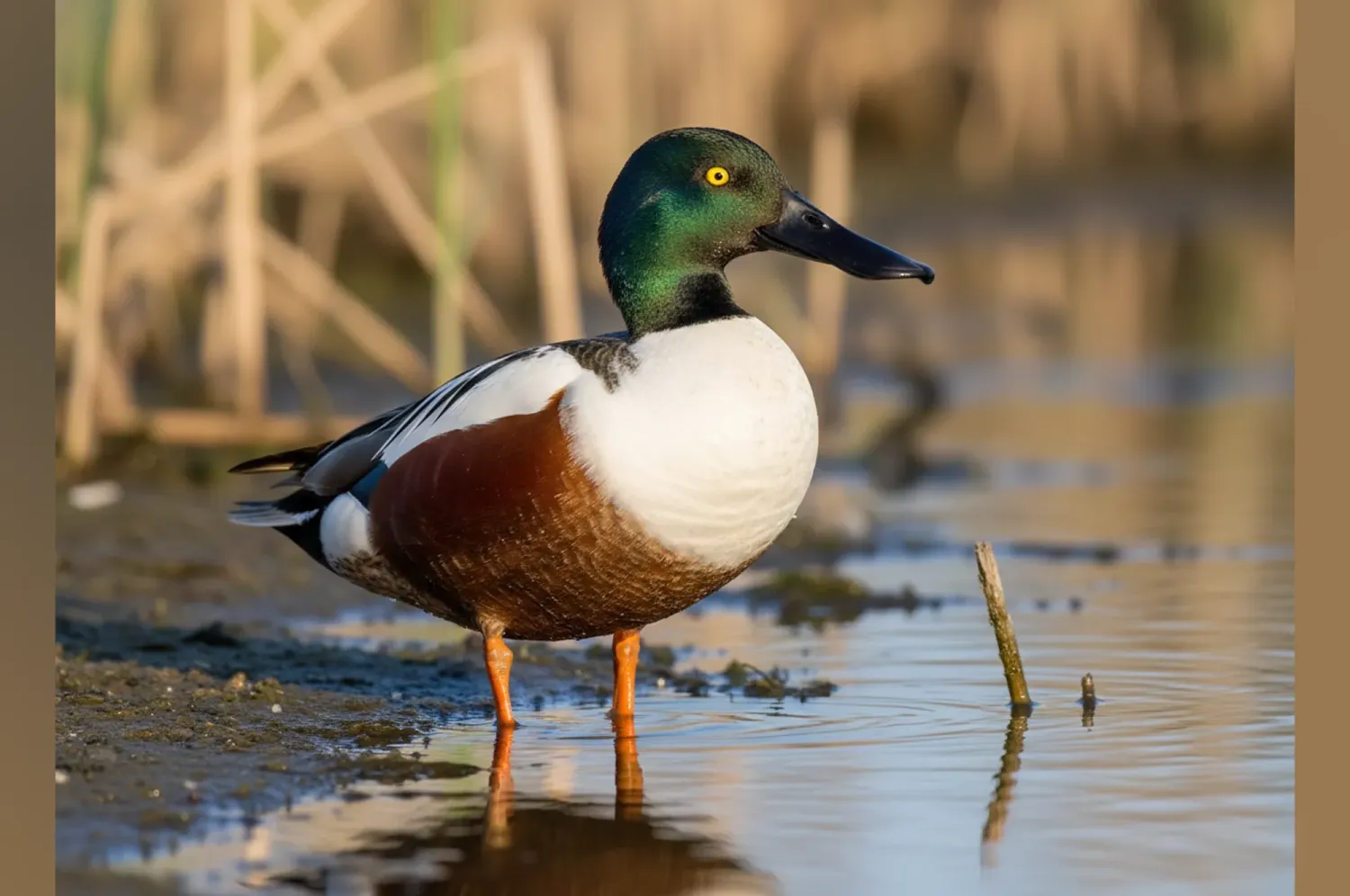
Ducks, geese, and swans have webbed feet and waterproof feathers. They are strong swimmers and often migrate in V‑formations.
Did you know? A Mallard can sleep with one eye open while the other half of its brain stays awake.
Conservation – Protecting Duck-like Birds helps maintain healthy ecosystems worldwide.
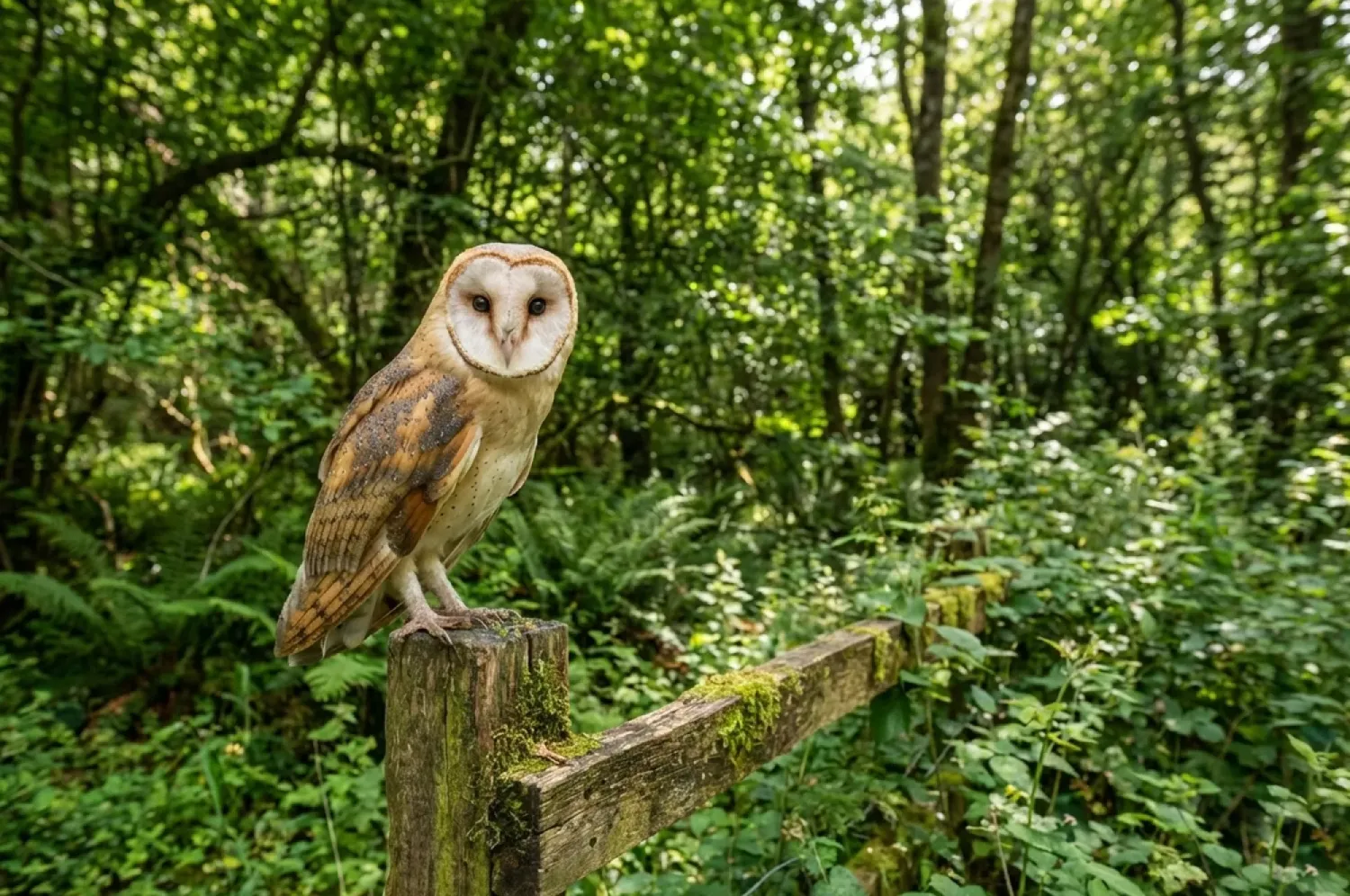
Owls, nightjars, and frogmouths are adapted to low light. Their silent flight and exceptional hearing make them efficient nocturnal hunters.
Did you know? An owl’s eyes are fixed in their sockets – they turn their whole head up to 270°.
Conservation – Protecting Night Birds helps maintain healthy ecosystems worldwide.
Over half of all bird species are passerines. They have feet adapted to grip branches and produce complex songs.
Did you know? The Superb Lyrebird can mimic chainsaws, camera shutters, and other birds perfectly.
Conservation – Protecting Perching Birds helps maintain healthy ecosystems worldwide.
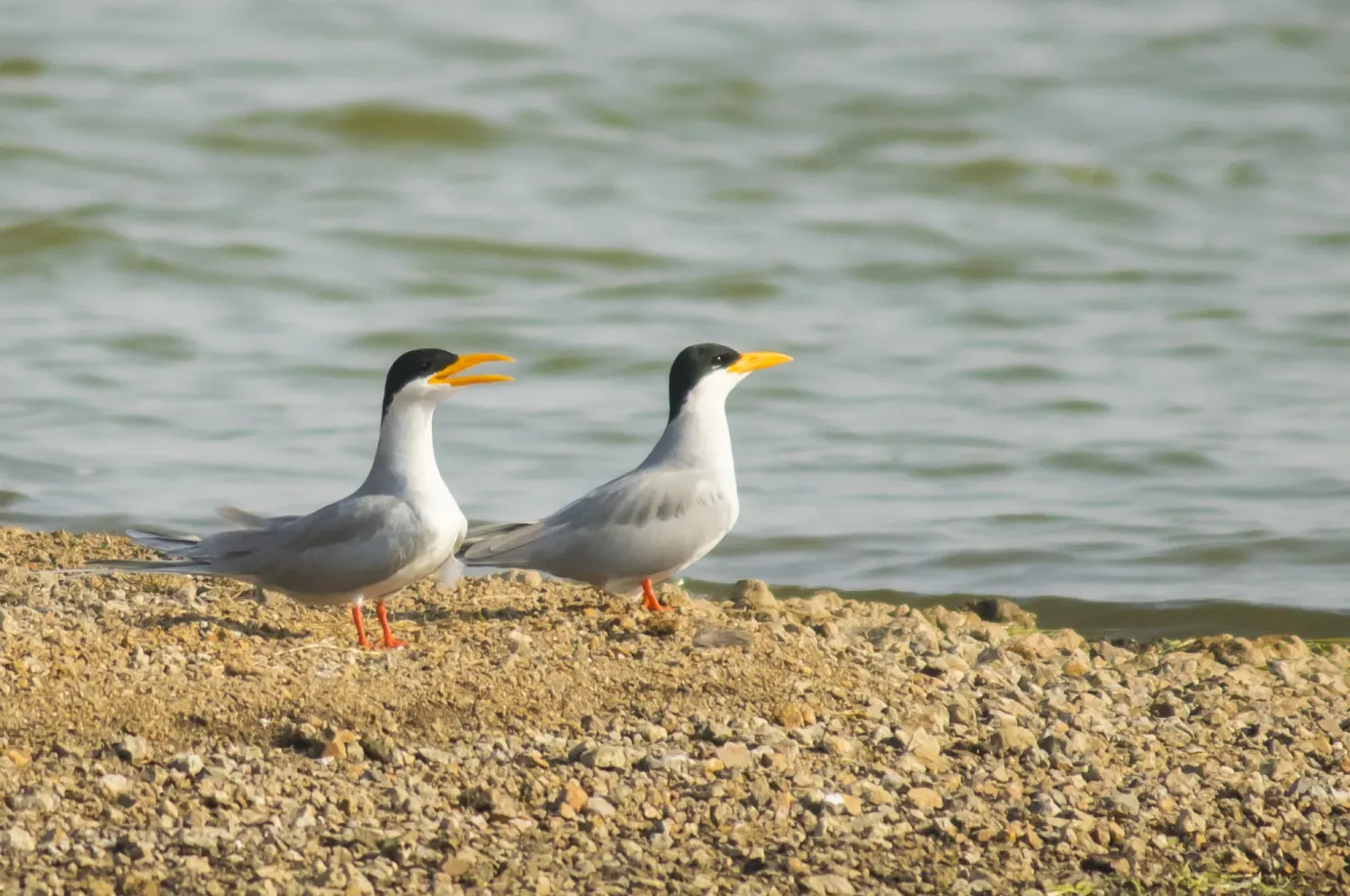
Seabirds spend most of their lives over open water. They have special salt glands to drink seawater and often travel thousands of miles.
Did you know? The Arctic Tern migrates from pole to pole – the longest migration of any animal!
Conservation – Protecting Seabirds helps maintain healthy ecosystems worldwide.
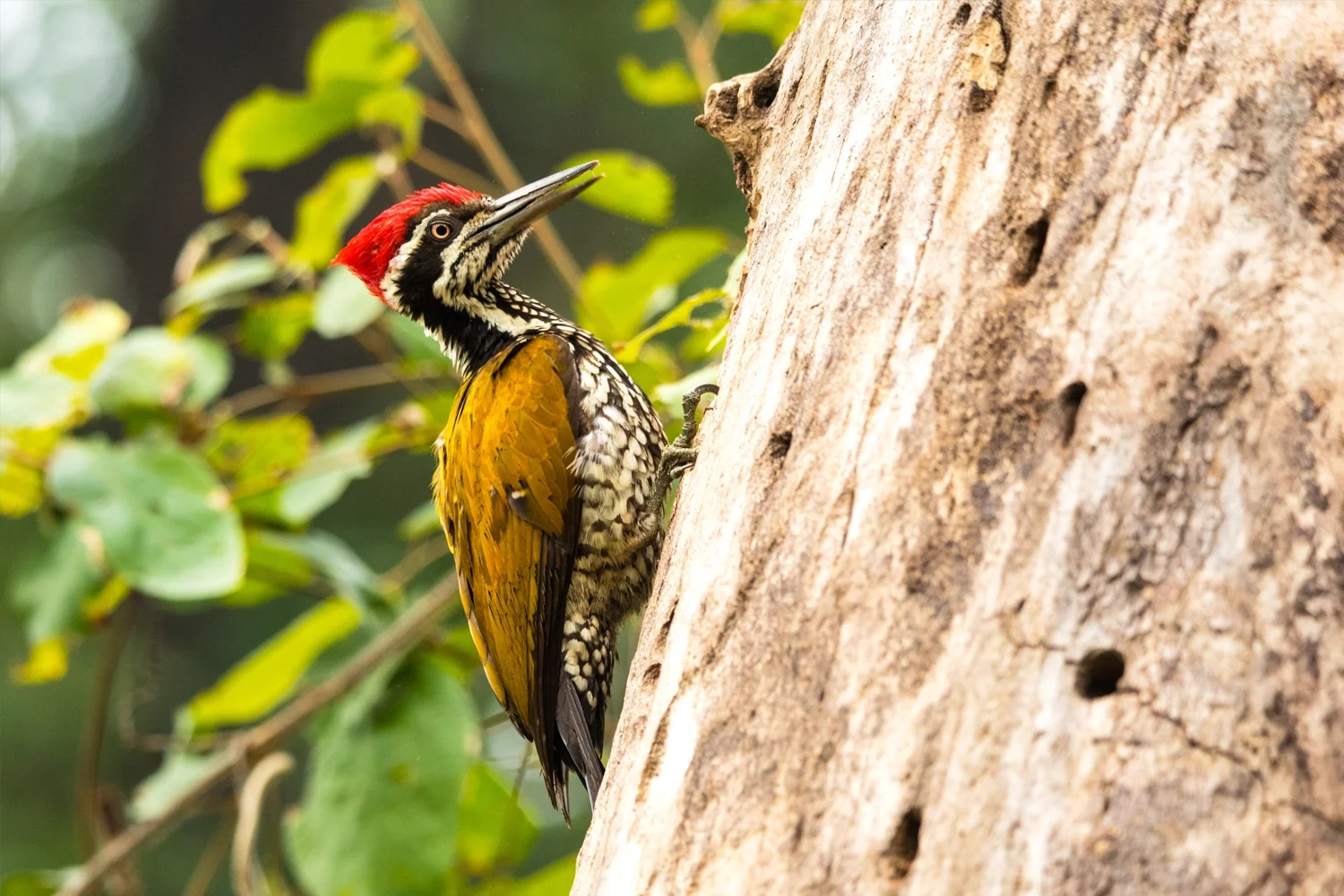
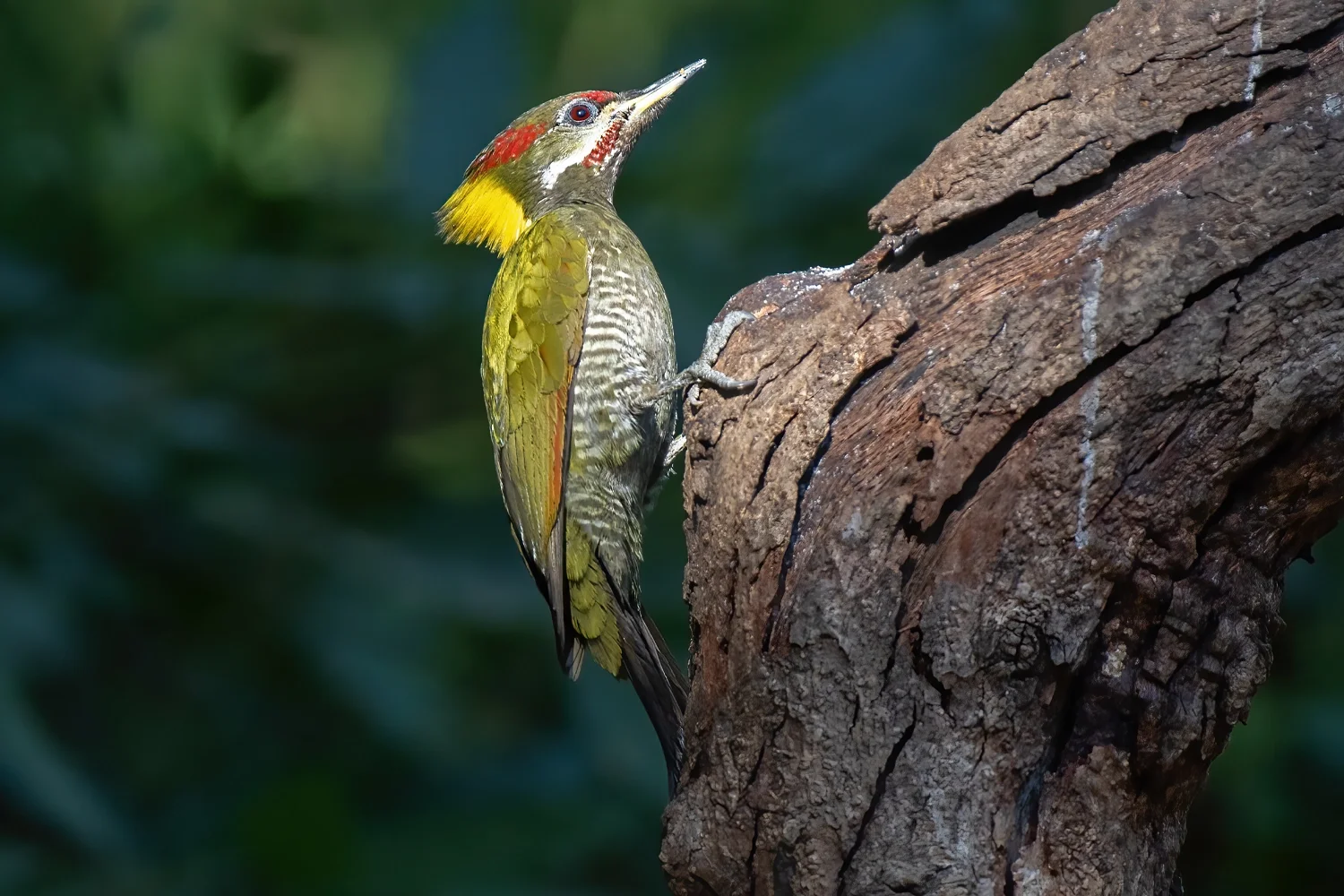
Woodpeckers, nuthatches, and creepers climb tree trunks in search of insects. Their stiff tail feathers act as a prop.
Did you know? A woodpecker’s tongue can wrap around its skull to protect the brain while pecking.
Conservation – Protecting Tree-clinging Birds helps maintain healthy ecosystems worldwide.
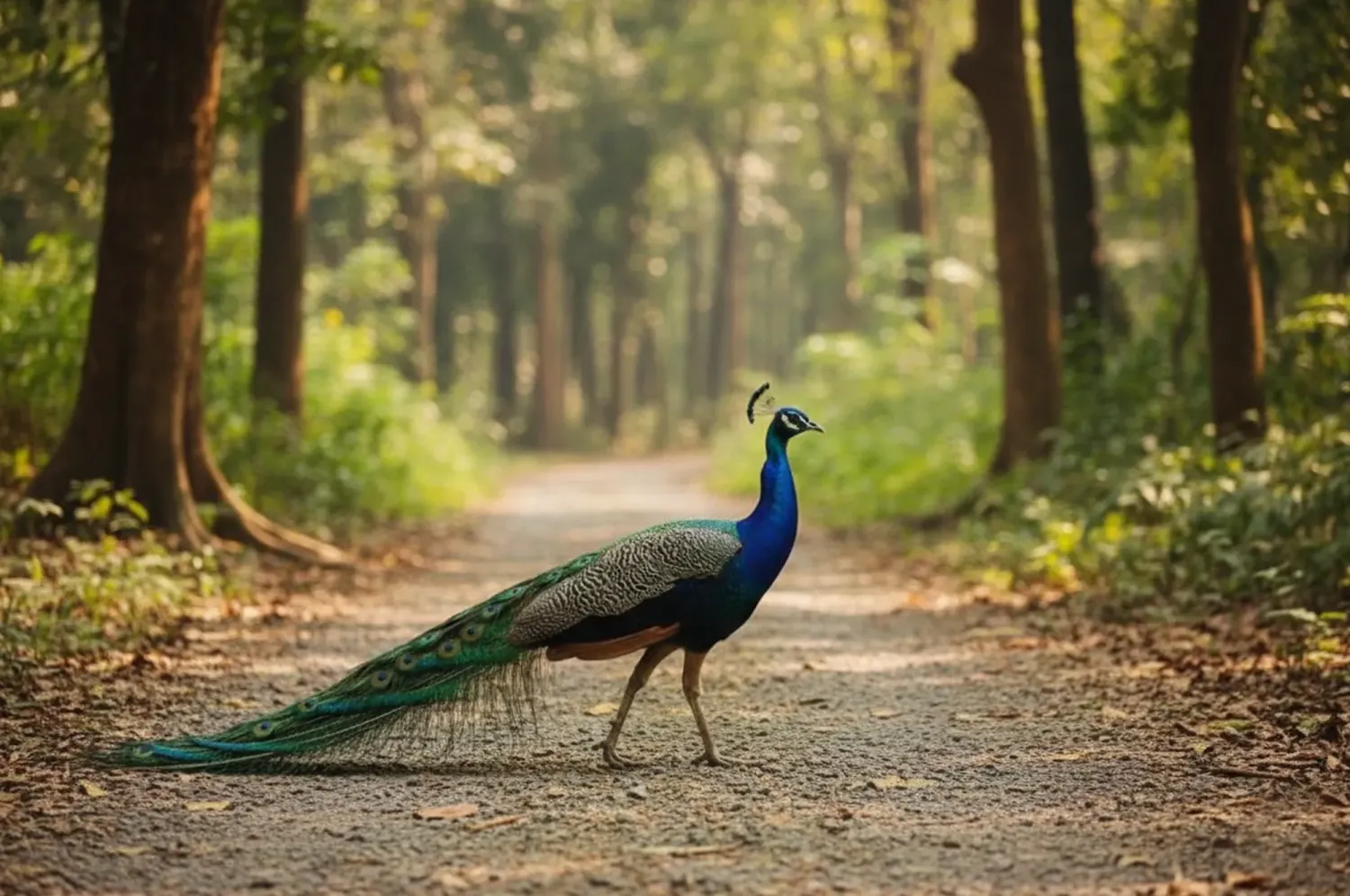
Pheasants, quails, and grouse spend most of their time on the ground. They rely on camouflage and rapid take‑off to escape predators.
Did you know? The male peacock’s tail contains over 200 iridescent feathers.
Conservation – Protecting Upland Ground Birds helps maintain healthy ecosystems worldwide.
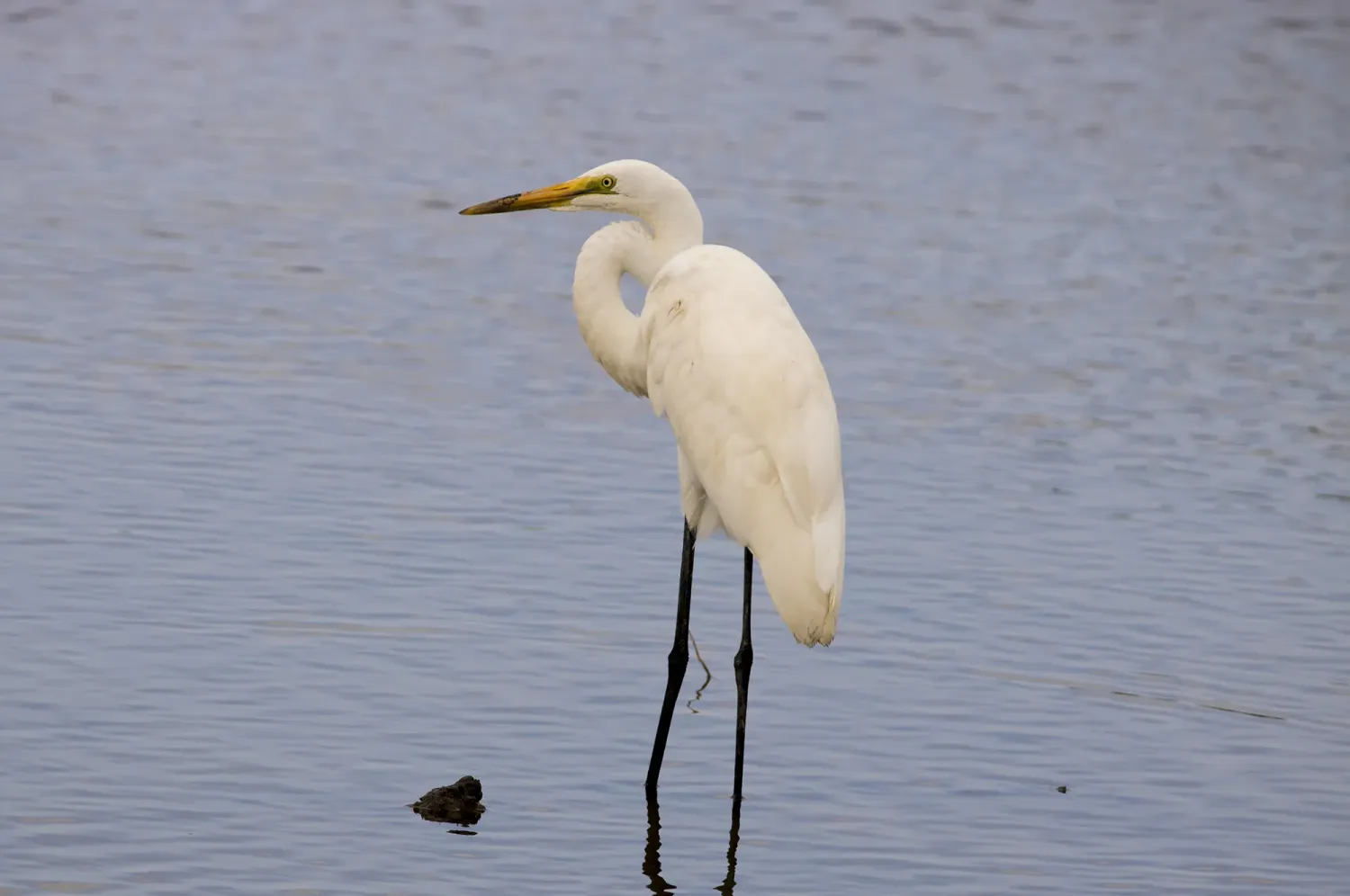
Herons, egrets, and sandpipers have long legs to wade through shallow water while hunting fish and insects.
Did you know? A flamingo’s pink colour comes from the shrimp and algae it eats.
Conservation – Protecting Waders helps maintain healthy ecosystems worldwide.