Fiery-shouldered Parakeet Distribution Map & Range
The distribution map for this species will be available soon.
We are working with our official data partners to update this information.

Sign in with your Google account to access all features


| Scientific Name | Pyrrhura egregia |
|---|---|
| Status | LC Least Concern |
| Size | 22-24 cm (9-9 inch) |
| Colors |
Green
Orange
|
| Type |
Perching Birds

|
| Family | Parrots |
The Fiery-shouldered Parakeet (Pyrrhura egregia) is a captivating species of parrot native to the humid highlands of the Guiana Shield. Known for its striking appearance and energetic personality, this perching bird is a localized endemic, primarily found in the border regions of Venezuela, Guyana, and Brazil. As a member of the diverse Pyrrhura genus, it shares the characteristic long, tapering tail and high-energy social behavior typical of its relatives. These parakeets are highly valued by ornithologists and bird enthusiasts alike for their unique coloration and their role as indicators of forest health in their high-altitude ecosystems. Despite their vibrant appearance, they can be remarkably elusive, often blending into the dense canopy of the subtropical forests they inhabit. Understanding this species requires a deep dive into its specialized habitat requirements, dietary preferences, and complex social structures that define its existence in the wild. This guide provides an in-depth look at the life cycle, ecology, and conservation needs of this remarkable avian resident of South America.
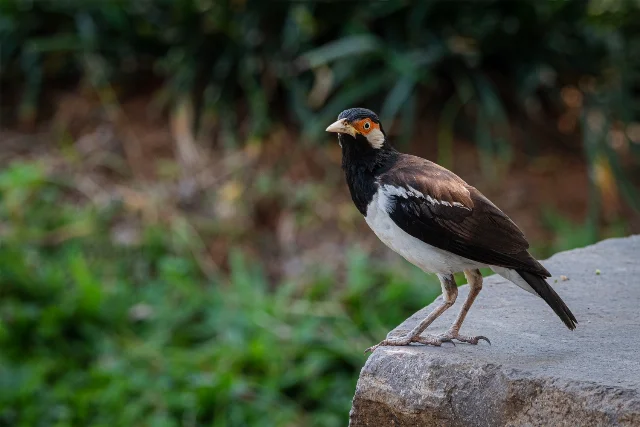
Measuring between 22 and 24 centimeters in length, the Fiery-shouldered Parakeet is a medium-sized, long-tailed bird that exhibits a stunning array of colors. The primary plumage is dominated by a rich, deep green, which provides excellent camouflage against the foliage of the cloud forests where it resides. The most distinguishing feature, from which it earns its name, is the brilliant patch of orange-red feathers located on the shoulders and the bend of the wings. This splash of color is particularly visible during flight, acting as a visual signal to other members of the flock. The chest often displays a scalloped pattern, transitioning from duller green to yellowish tones. The bill is typically a pale horn or whitish color, contrasting sharply with the dark, expressive eyes surrounded by a bare white eye-ring. Its tail feathers are long and slender, often showing a brownish-red underside when illuminated by sunlight. The overall body shape is streamlined, built for agility and quick maneuvers through the dense mountain forests.
The Fiery-shouldered Parakeet is primarily a bird of high-altitude ecosystems. It is found exclusively in the humid, subtropical forests of the Guiana Shield, particularly within the Tepui highlands. These areas are characterized by dense, misty forests, cool temperatures, and high levels of precipitation. They are typically observed at elevations ranging from 800 to 2,000 meters above sea level. This specialized habitat provides the necessary nesting cavities and food sources that the species depends on for survival. Because they are restricted to these isolated mountain ranges, they are considered endemic to the region, making them highly vulnerable to localized environmental changes and climate shifts affecting their fragile cloud forest homes.
Like most species in the Pyrrhura genus, the Fiery-shouldered Parakeet is a versatile herbivore. Its diet consists primarily of a wide variety of seeds, fruits, berries, and flowers found in the forest canopy. They are frequently observed foraging in small groups, moving methodically through the treetops to locate ripe fruit. They possess a strong, hooked beak capable of cracking open tough seed casings, which allows them to exploit food sources that other birds might find inaccessible. Occasionally, they may supplement their diet with leaf buds or nectar. Their feeding behavior is social, and they often communicate with soft vocalizations while foraging, ensuring the flock stays together in the dense, complex forest environment.
The breeding biology of the Fiery-shouldered Parakeet is intrinsically linked to the availability of natural tree cavities. These birds are cavity nesters, preferring to utilize hollows in old-growth trees located within their high-altitude habitats. During the breeding season, pairs exhibit strong bonding behavior, engaging in mutual preening and synchronized flight patterns to reinforce their relationship. The female typically lays a clutch of three to five white eggs, which she incubates within the safety of the nest. Both parents play an active role in raising the chicks, bringing food back to the nest until the young are ready to fledge. The nesting period is a critical time, and the birds are notably more secretive during this phase to avoid attracting predators to their vulnerable offspring.
Fiery-shouldered Parakeets are highly social and intelligent birds. They are almost always found in small, active flocks, which may consist of family groups or larger gatherings outside of the breeding season. They are known for their lively and vocal nature, often communicating with a series of high-pitched chirps and squawks that echo through the forest. When in flight, they are swift and agile, capable of navigating through thick branches with ease. Despite their social nature, they remain cautious and alert, often posting a "sentry" bird to watch for potential threats while the rest of the flock feeds. Their inquisitive nature makes them fascinating subjects for behavioral study.
Currently, the Fiery-shouldered Parakeet is classified by the IUCN as a species of Least Concern, primarily due to its stable population within its remote and protected range. However, this does not mean they are immune to threats. Habitat loss due to mining and infrastructure development in the Guiana Shield remains a potential concern. Because they occupy a very specific, limited range in high-altitude forests, any significant alteration to their environment could have severe consequences for local populations. Ongoing monitoring and protection of their forest habitat are essential to ensure their long-term survival.
For birdwatchers hoping to catch a glimpse of the elusive Fiery-shouldered Parakeet, patience and preparation are paramount. Because they reside in high-altitude, often misty cloud forests, you should plan your trip during the drier seasons to maximize visibility. Early morning and late afternoon are the best times to observe their activity, as they are most vocal and active during these hours. Bringing high-quality binoculars or a spotting scope is essential, as these birds spend most of their time in the high canopy. Listen for their characteristic, high-pitched vocalizations, which are often the first sign that a flock is nearby. Hiring a local guide who is familiar with the specific tepui regions will significantly increase your chances of a successful sighting.
The Fiery-shouldered Parakeet is a true gem of the Guiana Shield, representing the incredible biodiversity found in South America's high-altitude cloud forests. With its vibrant green plumage and signature fiery shoulder patches, it is a bird that captures the imagination of anyone fortunate enough to see it in the wild. Throughout this guide, we have explored the various facets of its life, from its specialized dietary habits and nesting requirements to its complex social behaviors and the conservation challenges it faces. Protecting the fragile ecosystems of the tepuis is not only crucial for the survival of the Fiery-shouldered Parakeet but also for the countless other species that share its unique environment. As we continue to learn more about this species, it remains a powerful reminder of the importance of preserving remote, wild spaces. Whether you are an experienced ornithologist or a casual birdwatcher, the Fiery-shouldered Parakeet offers a window into the wonders of avian adaptation and ecological niche specialization. We hope this comprehensive overview has deepened your appreciation for this remarkable parakeet and encourages further interest in the conservation of its beautiful, misty mountain home.
We are working with our official data partners to update this information.
Tag:



Birds have their own beautiful world, we should not interfere in it. We should enjoy this beauty. Its beauty should be captured in the camera but be careful not to disturb them.
Tap a language to switch instantly.
Tap a language to switch instantly.