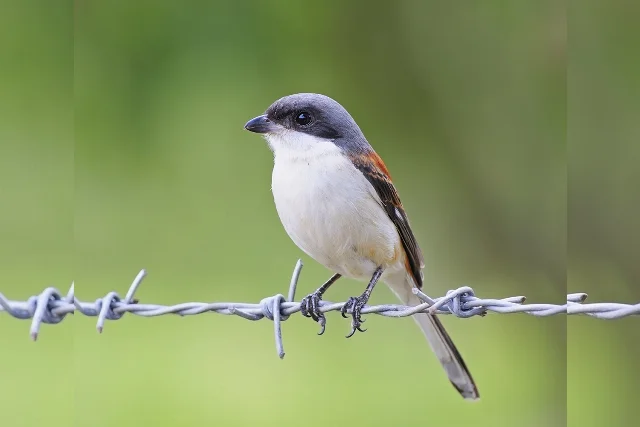
Orange-fronted Parakeet Distribution Map & Range
The distribution map for this species will be available soon.
We are working with our official data partners to update this information.

Sign in with your Google account to access all features

| Scientific Name | Eupsittula canicularis |
|---|---|
| Status | VU Vulnerable |
| Size | 17-18 cm (7-7 inch) |
| Colors |
Green
Orange
|
| Type |
Perching Birds

|
| Family | Parrots |
The Orange-fronted Parakeet, scientifically known as Eupsittula canicularis, is a captivating member of the parrot family that commands attention in the Neotropical regions. Often referred to as the Orange-fronted Conure, this bird is celebrated for its social nature and striking coloration. Native primarily to the Pacific slope of Middle America, these perching birds have adapted to a variety of environments ranging from dry forests to agricultural landscapes. Their presence is often announced by their loud, raucous calls, which echo through the canopy as they forage in small groups. As an avian species, they play a vital role in their local ecosystems through seed dispersal and interaction with various flora. Understanding the Orange-fronted Parakeet requires a look into their complex social structures and their ability to thrive in human-altered landscapes. For bird enthusiasts and ornithologists alike, this parakeet serves as a fascinating subject, offering insights into the resilience and adaptability of tropical psittacines in an ever-changing environment.
Measuring approximately 17 to 18 centimeters in length, the Orange-fronted Parakeet is a small, compact bird with a distinct visual profile. The plumage is predominantly a lush, vibrant green, which provides excellent camouflage against the foliage of the tropical trees they inhabit. The most striking feature, from which the species derives its common name, is the patch of bright orange coloration located on the forehead, just above the beak. This orange hue is often bordered by a subtle blue crown, creating a beautiful contrast against the green body. Their wings are relatively long and pointed, facilitating agile flight, and they possess a long, tapered tail that is characteristic of the genus. The beak is typically horn-colored or pale yellow, and they have a distinct white eye-ring that stands out against their facial feathers. Both males and females exhibit similar coloration, making them monomorphic, although subtle differences may be noted by expert observers during close inspection of their physical structure and plumage intensity.
The Orange-fronted Parakeet is primarily found along the Pacific coast of Central America, spanning from Mexico down to Costa Rica. They are highly adaptable creatures, showing a preference for dry deciduous forests, gallery forests, and savannas. Unlike some species that require dense, undisturbed rainforests, these parakeets are frequently spotted in semi-open habitats, including agricultural lands, orchards, and even suburban gardens. They are known to inhabit elevations ranging from sea level up to about 1,500 meters. This versatility allows them to maintain stable populations even in areas where natural forest cover has been significantly reduced by human activity, provided there are sufficient nesting sites and food sources available.
The diet of the Orange-fronted Parakeet is primarily herbivorous, consisting of a wide variety of seeds, fruits, nuts, and berries. They are opportunistic foragers, often seen feeding in the canopy of trees or descending to the ground to find fallen seeds. Their strong, curved beaks are perfectly adapted for cracking open hard shells and extracting nutritious kernels. During the fruiting season, they are particularly fond of figs and various legumes. In agricultural regions, they may occasionally supplement their diet with cultivated crops, such as maize or grain, which can sometimes lead to conflicts with local farmers who view them as agricultural pests.
Breeding for the Orange-fronted Parakeet typically occurs during the dry season, which ensures an abundance of food for the developing chicks. Unlike many other birds that build intricate nests, this species is a cavity nester. They often utilize abandoned woodpecker holes, natural hollows in tree trunks, or even crevices in termite mounds, which provide excellent protection from predators and the elements. A typical clutch consists of three to five white, rounded eggs. Both parents are actively involved in the incubation process and the subsequent rearing of the young. The chicks are altricial, meaning they are born blind and helpless, requiring intensive care and feeding from the adults until they fledge, which usually happens after several weeks of constant parental attention and social development within the nesting site.
Social behavior is a hallmark of the Orange-fronted Parakeet. They are highly gregarious birds, typically seen in flocks that can range from a few individuals to large groups of fifty or more. During the day, they maintain constant communication through a series of sharp, metallic calls, which help the flock stay coordinated while foraging or flying. They are known for their playful nature, often engaging in mutual preening and aerial acrobatics. At night, these birds congregate in communal roosts, where they share the safety of the canopy with other members of their flock, reinforcing their strong social bonds and collective security against nighttime predators.
The Orange-fronted Parakeet is currently classified as a species of Least Concern by the IUCN. While their population is generally stable, they face ongoing threats from habitat loss due to deforestation and the illegal pet trade. Because they are highly intelligent and charismatic, they are frequently captured for the captive bird market. Conservation efforts are focused on protecting remaining nesting sites and promoting sustainable land-use practices that allow these birds to coexist with human activities. Continued monitoring is essential to ensure that local population declines do not escalate into broader regional concerns.
For those looking to spot the Orange-fronted Parakeet, the best approach is to visit their preferred Pacific dry forest habitats during the early morning hours. This is when they are most active and vocal. Listen for their distinct, high-pitched calls, which act as a reliable indicator of a nearby flock. Using high-quality binoculars is essential, as they often forage high in the canopy where they can be difficult to see against the green leaves. Patience is key; observe the movement of the treetops and wait for the birds to descend or fly between trees. Because they are social, finding one usually means more are nearby, so scan the surrounding area carefully once you locate a single individual.
The Orange-fronted Parakeet is a truly remarkable avian species that highlights the beauty and complexity of the Neotropical ecosystem. From their vibrant green and orange plumage to their highly social and intelligent nature, they offer a window into the lives of parrots that have successfully adapted to varied landscapes. While they are currently considered stable, their reliance on specific nesting cavities and the ongoing pressures of habitat change remind us of the importance of environmental stewardship. By protecting the forests and agricultural edges where these birds thrive, we ensure that future generations can continue to enjoy the sight and sound of these charismatic parakeets in the wild. Whether you are a casual observer or a dedicated ornithologist, studying the Orange-fronted Parakeet provides valuable lessons in animal behavior, ecological interaction, and the importance of biodiversity. They are more than just colorful birds; they are essential components of their environment, contributing to the health and vitality of the ecosystems they call home. Embracing conservation awareness and responsible birdwatching practices will go a long way in safeguarding the future of this delightful species, allowing them to remain a common and cherished sight throughout their range.
We are working with our official data partners to update this information.
Tag:



Birds have their own beautiful world, we should not interfere in it. We should enjoy this beauty. Its beauty should be captured in the camera but be careful not to disturb them.
Tap a language to switch instantly.
Tap a language to switch instantly.