Mountain Grackle Basic Information
| Scientific Name |
Macroagelaius subalaris
|
| Status |
EN
Endangered
|
| Size |
30-33 cm (12-13 inch)
|
| Colors |
|
| Type |
|
| Family |
New World blackbirds |
Introduction
The Mountain Grackle (Macroagelaius subalaris) is a fascinating and elusive member of the Icteridae family, primarily found in the high-altitude regions of the northern Andes. Often referred to as the Colombian Mountain Grackle, this bird is a quintessential example of the specialized biodiversity found within cloud forests. As a perching bird, it has adapted perfectly to the dense, humid environments of its native range, where it plays a critical role in the local ecosystem. Despite its striking appearance and unique behaviors, the Mountain Grackle remains one of the least studied species among its relatives. Its presence is often a testament to the health of the high-altitude forests it calls home. Bird enthusiasts and researchers alike value this species for its distinct plumage and its restricted geographical distribution, which makes spotting one a truly rewarding experience for any dedicated ornithologist or nature lover exploring the rugged South American terrain.
Physical Appearance
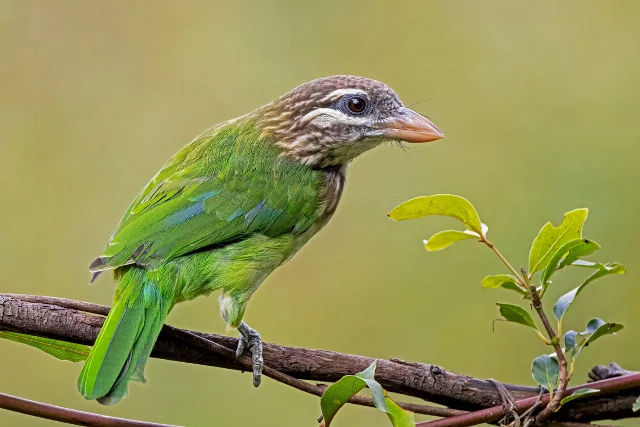
Standing approximately 30 to 33 cm in length, the Mountain Grackle possesses a medium-sized, robust frame that is characteristic of many icterids. The species is primarily defined by its deep, iridescent black plumage, which covers the majority of its body. When viewed under direct sunlight, this black coloration reveals a subtle yet striking blue sheen, particularly visible on the wings and back, giving the bird a sophisticated, metallic aesthetic. The beak is relatively long, slender, and sharply pointed, perfectly adapted for foraging in various forest layers. Its tail is moderately long and often held in a distinct shape while in flight, aiding in maneuverability through dense vegetation. The eyes are bright and alert, providing excellent vision for spotting food or potential threats. Both males and females share similar colorations, though subtle variations in size may exist. The overall physical design of the Mountain Grackle is a perfect balance of elegance and functional utility, allowing it to navigate the challenging, misty conditions of the Andean slopes with remarkable ease and grace.
Habitat
The Mountain Grackle is primarily endemic to the humid montane forests of the central and eastern Andes in Colombia. These birds are specifically found at elevations ranging from 1,800 to 3,000 meters above sea level. They prefer the dense, moisture-laden environments of cloud forests, where tall trees and epiphytes provide both shelter and abundant food sources. Because they are highly specialized to these specific high-altitude ecosystems, they are sensitive to habitat degradation. The thick canopy and the presence of mossy, old-growth vegetation are essential for their survival, providing the necessary microclimates for their daily activities and protection from the elements.
Diet
As an omnivorous species, the Mountain Grackle maintains a diverse diet that varies depending on the seasonal availability of resources. Their primary food sources include a wide array of insects, larvae, and small invertebrates that they forage from the bark of trees and foliage. Additionally, they are known to consume various forest fruits, berries, and nectar from specific Andean flora. This dietary flexibility allows them to thrive in the complex forest structure. They are often seen foraging in small, social groups, moving through the canopy with agility, using their sharp beaks to probe crevices and extract hidden prey from the dense mossy branches.
Breeding and Nesting
Information regarding the specific breeding habits of the Mountain Grackle is somewhat limited compared to more common species, but observations suggest they exhibit communal tendencies during the nesting season. They typically build cup-shaped nests constructed from twigs, moss, and other fibrous plant materials, hidden carefully within the dense foliage of trees to protect against predators. The female usually takes the lead in construction, while both parents contribute to the feeding and protection of the chicks. The breeding season often aligns with periods of high insect abundance, ensuring that the nestlings receive the necessary protein for rapid development. Their nesting strategy reflects an adaptation to the high-energy demands of living in cool, high-altitude environments, emphasizing security and thermal insulation for their developing young.
Behavior
The Mountain Grackle is a social bird that is frequently observed traveling in small, noisy flocks. They are highly active during the early morning and late afternoon hours, utilizing a variety of vocalizations to communicate with other members of their group. Their flight pattern is characterized by steady, rhythmic wingbeats, often punctuated by short glides as they navigate through the canopy. They are intelligent and inquisitive birds, often demonstrating complex social interactions such as cooperative foraging. Despite their social nature, they remain cautious and will quickly retreat into the deeper forest cover if they sense any potential danger or human presence.
Conservation Status
-
EN
Endangered
The Mountain Grackle is currently classified as Endangered by international conservation organizations. The primary threat to its survival is the rapid loss and fragmentation of its specialized cloud forest habitat due to agricultural expansion, logging, and infrastructure development. Because their distribution is so restricted, even small changes to their environment can have devastating effects on local populations. Conservation efforts are now focused on protecting critical corridors of forest and promoting sustainable land-use practices within the Andean region to ensure the long-term survival of this unique and beautiful avian species.
Interesting Facts
- The Mountain Grackle is endemic to Colombia, meaning it cannot be found naturally anywhere else in the world.
- They possess a distinct, iridescent blue sheen that is only visible under specific lighting conditions.
- These birds are often seen in small, social flocks that exhibit complex group foraging behaviors.
- They play an important role in seed dispersal for various plant species found in the Andean cloud forests.
- Their high-altitude habitat is one of the most biodiverse, yet threatened, ecosystems on the planet.
- They are known for their distinct, piercing calls that echo through the misty canopy.
Tips for Birdwatchers
For birdwatchers hoping to catch a glimpse of the Mountain Grackle, preparation and patience are key. Focus your efforts on the high-altitude cloud forests of the Colombian Andes, specifically during the early hours of the morning when the birds are most active. Use high-quality binoculars to scan the upper canopy, as they prefer the mid-to-high levels of the trees. It is highly recommended to hire a local guide who is familiar with the specific territories and calls of the species. Remember to move quietly and wear neutral-colored clothing to avoid alerting these naturally cautious birds. Respect the environment by staying on established trails and maintaining a respectful distance to ensure you do not disturb their natural behavior or nesting sites.
Conclusion
The Mountain Grackle (Macroagelaius subalaris) is a remarkable testament to the evolutionary wonders found within the high-altitude ecosystems of the Andes. With its striking black and blue plumage and its highly specialized lifestyle, it represents a vital component of the cloud forest's biological complexity. Throughout this guide, we have explored the various aspects that make this bird so unique, from its specific dietary requirements to its social behaviors and the challenges it faces regarding habitat loss. As conservationists and bird enthusiasts work together to protect these fragile environments, there is hope that the Mountain Grackle will continue to thrive in its native range. For those lucky enough to spot this elusive species, it serves as a powerful reminder of why we must continue to advocate for the preservation of wild spaces. By understanding and valuing the Mountain Grackle, we contribute to a broader effort of protecting the Earth's most vulnerable treasures, ensuring that future generations can also marvel at the sight of this extraordinary perching bird in its natural, misty home.
Mountain Grackle Distribution Map & Range
The distribution map for this species will be available soon.
We are working with our official data partners to update this information.