Birds of Prey
avatar
Photo by Admin
Not available

Nicobar Sparrowhawk

Accipiter butleri

Last update: 07 Mar 2026

Nicobar Sparrowhawk Basic Information

Scientific NameAccipiter butleri
Status VU Vulnerable
Size28-34 cm (11-13 inch)
Colors
Grey
White
Type
Birds of Prey
type
FamilyHawks, Eagles

Introduction

The Nicobar Sparrowhawk (Accipiter butleri) stands as one of the most elusive and fascinating birds of prey found within the Indian subcontinent. Endemic to the Nicobar Islands, this raptor is a member of the Accipitridae family, known for its swift flight and predatory prowess. Despite its relatively small stature, it plays a critical role in the island ecosystem, acting as a top predator that helps maintain the balance of local biodiversity. Ornithologists and birdwatchers alike consider spotting this bird a significant achievement due to its restricted range and secretive nature. As global interest in avian conservation grows, understanding the Nicobar Sparrowhawk becomes essential for protecting the fragile ecosystems of the Nicobar archipelago. This guide explores the biology, behavior, and conservation needs of this magnificent raptor, providing a comprehensive overview for enthusiasts and researchers dedicated to preserving this unique species in its natural, tropical environment.

Physical Appearance

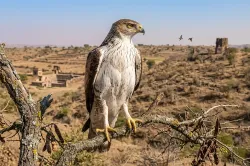
The Nicobar Sparrowhawk is a compact bird of prey, measuring approximately 28 to 34 cm in length. Its plumage is primarily defined by a sophisticated grey coloration, which provides excellent camouflage against the dense forest canopy of its home. The underparts are predominantly white, often marked with fine, subtle barring that distinguishes it from other similar Accipiter species in the region. The bird features sharp, yellow-tinted talons and a hooked, dark-colored beak perfectly adapted for hunting small vertebrate prey. Its wings are relatively short and rounded, an evolutionary trait that allows the bird to maneuver with high precision through the thick, tangled vegetation of the Nicobar forests. The eyes are typically a piercing yellow or orange, set against a grey facial disc, giving the bird an intense, alert appearance. Both males and females share similar color patterns, though subtle differences in size may exist, consistent with the sexual dimorphism often observed in raptors.

Habitat

The Nicobar Sparrowhawk is strictly endemic to the Nicobar Islands, a chain of islands located in the eastern Indian Ocean. Its habitat preference is heavily centered on dense, primary tropical evergreen forests. These birds thrive in areas with thick canopy cover, which provides the necessary protection from larger predators and the ideal vantage points for hunting. Unlike species that inhabit open plains, the Nicobar Sparrowhawk has evolved to master the complexities of island life. They are rarely found in human-altered landscapes or open agricultural fields, relying instead on the structural diversity of pristine forests. The humid, tropical climate of the islands supports a high density of prey, which is essential for sustaining the energetic needs of this specialized raptor species throughout the year.

Diet

As a specialized predator, the Nicobar Sparrowhawk primarily feeds on small vertebrates that share its forest habitat. Its diet consists largely of small birds, lizards, and occasionally small mammals or large insects. The hawk employs a sit-and-wait hunting strategy, perching silently on a branch within the mid-to-lower canopy until it detects movement. Once prey is identified, it launches a sudden, high-speed ambush, utilizing its agility to navigate through branches and capture its target. This stealthy approach is highly effective in the dense foliage where visibility is limited. By regulating the populations of smaller vertebrates, the Nicobar Sparrowhawk performs a vital ecological service, helping to control local pest populations and maintaining the health of the island's unique wildlife community.

Breeding and Nesting

The breeding biology of the Nicobar Sparrowhawk remains somewhat mysterious due to the difficulty of accessing their remote island habitats. Generally, these birds are solitary and territorial, establishing nesting sites high within the forest canopy, often hidden by dense vegetation and epiphytes. The nest is typically a platform constructed from twigs and sticks, lined with leaves to provide a comfortable environment for the eggs. Breeding activity is believed to coincide with the periods of maximum food availability to ensure the survival of the chicks. Both parents are involved in the protection and feeding of the nestlings, demonstrating high levels of parental care. The secretive nature of their nesting habits is an evolutionary strategy to minimize the risk of predation on their vulnerable offspring, reflecting their high level of adaptation to the island environment.

Behavior

The Nicobar Sparrowhawk is characterized by its secretive and shy demeanor. It is an ambush predator that spends much of its time perched motionlessly, scanning the forest floor and understory for signs of life. Unlike soaring raptors, this sparrowhawk is rarely seen in the open, preferring the dark, shaded interior of the forest. When it does take flight, it does so in short, rapid bursts of energy, moving between perches with remarkable precision. Communication between individuals is sparse, likely consisting of high-pitched whistles during the breeding season. Its ability to remain undetected by both prey and observers is one of its most remarkable traits, making it a challenging subject for field studies and long-term behavioral observations.

Conservation Status - VU Vulnerable

The Nicobar Sparrowhawk is currently classified as a species of concern due to its limited geographic range and the ongoing threats to its habitat. The primary risks include deforestation, habitat fragmentation, and the introduction of invasive species to the Nicobar Islands. Because this bird is endemic to a very small area, any significant change in the forest structure can have devastating consequences for its population. Conservation efforts are focused on protecting the remaining primary forests and raising awareness about the importance of preserving the biodiversity of these unique Indian islands. Continued monitoring is required to assess population trends accurately.

Interesting Facts

  1. The Nicobar Sparrowhawk is an endemic species, meaning it is found nowhere else on Earth except the Nicobar Islands.
  2. Its compact size and rounded wings are specifically adapted for high-speed flight in dense jungle environments.
  3. It uses a 'sit-and-wait' hunting technique to ambush unsuspecting prey.
  4. The bird's grey and white plumage acts as natural camouflage in the dappled light of the forest canopy.
  5. It is considered a 'secretive' species, making it a prized sighting for professional ornithologists.
  6. The species belongs to the Accipiter genus, which includes some of the most agile hawks in the world.

Tips for Birdwatchers

For birdwatchers hoping to spot the elusive Nicobar Sparrowhawk, patience and local expertise are essential. Because the bird is incredibly shy, you should avoid sudden movements and loud noises. Focus your search in the early morning or late afternoon when the bird is most active. Utilize high-quality binoculars and a camera with a good zoom lens, as you will likely be photographing from a distance within dense foliage. Hiring a local guide who is familiar with the island's forest trails is highly recommended, as they can help identify specific perching spots. Always practice ethical birding by keeping a respectful distance and never disturbing nesting sites, ensuring that your presence does not negatively impact this rare and beautiful raptor.

Pro-Tip: To spot this bird in dense forest canopy, a 8x42 binoculars or telescope is highly recommended.
- [Check out our top recommended gear here]
Pro-Tip: To capture the stunning beauty of this bird, a high-quality wildlife camera and lens are highly recommended.
- [Check out best wildlife cameras here]

Conclusion

The Nicobar Sparrowhawk represents the incredible evolutionary potential of island ecosystems. As a specialized raptor, its life is inextricably linked to the health of the Nicobar Islands' tropical forests. From its distinctive grey and white coloration to its masterful hunting techniques, the species is a testament to nature's ability to create unique solutions for survival in isolated environments. However, its limited range makes it particularly vulnerable to environmental changes, highlighting the urgent need for conservation and habitat protection. By studying and appreciating the Nicobar Sparrowhawk, we gain deeper insights into the complex web of life that sustains these islands. Whether you are a dedicated ornithologist, a birdwatching enthusiast, or simply a nature lover, the story of this sparrowhawk serves as a reminder of the fragility and beauty of our world's endemic species. Protecting the Nicobar Sparrowhawk is not just about saving a single bird, but about preserving the integrity of the ecosystem it calls home. Through continued research, conservation advocacy, and responsible observation, we can ensure that this remarkable raptor continues to thrive in its remote island sanctuary for generations to come.

Nicobar Sparrowhawk Distribution Map & Range

Official Distribution Data provided by
BirdLife International and Handbook of the Birds of the World (2025)

Tag:

Share:

Explore More Species in the Hawks, Eagles Family

38-45 cm
African Cuckoo-hawk
Aviceda cuculoides
African Fish-eagle
63-75 cm
African Fish-eagle
Haliaeetus vocifer
African Goshawk
30-36 cm
African Goshawk
Accipiter tachiro
60-66 cm
African Harrier-hawk
Polyboroides typus
55-65 cm
African Hawk-eagle
Aquila spilogaster
44-52 cm
African Marsh-harrier
Circus ranivorus
40-50 cm
Andaman Serpent-eagle
Spilornis elgini
50-60 cm
Augur Buzzard
Buteo augur
45-55 cm
Ayres's Hawk-eagle
Hieraaetus ayresii
70-102 cm
Bald Eagle
Haliaeetus leucocephalus
40-50 cm
Barred Hawk
Morphnarchus princeps
42-48 cm
Bat Hawk
Macheiramphus alcinus
55-70 cm
Bateleur
Terathopius ecaudatus
Bearded Vulture
94-125 cm
Bearded Vulture
Gypaetus barbatus
60-66 cm
Beaudouin's Snake-eagle
Circaetus beaudouini
Bermuda Hawk
40-50 cm
Bermuda Hawk
Bermuteo avivorus
29-39 cm
Besra
Accipiter virgatus
Bicolored Hawk
35-45 cm
Bicolored Hawk
Accipiter bicolor
30-35 cm
Black Baza
Aviceda leuphotes
black eagle
69-81 cm
black eagle
Ictinaetus malaiensis
44-50 cm
Black Harrier
Circus maurus
60-75 cm
Black Hawk-eagle
Spizaetus tyrannus
Black Honey-buzzard
50-60 cm
Black Honey-buzzard
Henicopernis infuscatus
black kite
58-66 cm
black kite
Milvus migrans
55-65 cm
Black Solitary Eagle
Buteogallus solitarius
Black Sparrowhawk
38-58 cm
Black Sparrowhawk
Accipiter melanoleucus
60-74 cm
Black-and-chestnut Eagle
Spizaetus isidori
51-61 cm
Black-and-white Hawk-eagle
Spizaetus melanoleucus
Black-breasted Buzzard
50-60 cm
Black-breasted Buzzard
Hamirostra melanosternon
60-76 cm
Black-chested Buzzard-eagle
Geranoaetus melanoleucus
63-71 cm
Black-chested Snake-eagle
Circaetus pectoralis
51-56 cm
Black-collared Hawk
Busarellus nigricollis
40-51 cm
Black-faced Hawk
Leucopternis melanops
Black-mantled Goshawk
33-40 cm
Black-mantled Goshawk
Accipiter melanochlamys
Blyth's Hawk-eagle
51-58 cm
Blyth's Hawk-eagle
Nisaetus alboniger
bonellis eagle
65-72 cm
bonellis eagle
Aquila fasciata
45-53 cm
Booted Eagle
Hieraaetus pennatus
brahminy kite
48-48 cm
brahminy kite
Haliastur indus
34-44 cm
Broad-winged Hawk
Buteo platypterus
Brown Goshawk
30-55 cm
Brown Goshawk
Accipiter fasciatus
68-75 cm
Brown Snake-eagle
Circaetus cinereus
95-115 cm
Cape Vulture
Gyps coprotheres
50-60 cm
Cassin's Hawk-eagle
Aquila africana
60-75 cm
Changeable Hawk-eagle
Nisaetus cirrhatus
Chestnut-flanked Sparrowhawk
25-30 cm
Chestnut-flanked Sparrowhawk
Accipiter castanilius
Chestnut-shouldered Goshawk
30-45 cm
Chestnut-shouldered Goshawk
Erythrotriorchis buergersi
Chinese Sparrowhawk
23-30 cm
Chinese Sparrowhawk
Accipiter soloensis
40-50 cm
Cinereous Harrier
Circus cinereus
Cinereous Vulture
100-120 cm
Cinereous Vulture
Aegypius monachus
Collared Sparrowhawk
30-40 cm
Collared Sparrowhawk
Accipiter cirrocephalus
43-53 cm
Common Black Hawk
Buteogallus anthracinus
Congo Serpent-eagle
54-60 cm
Congo Serpent-eagle
Dryotriorchis spectabilis
Cooper's Hawk
35-46 cm
Cooper's Hawk
Accipiter cooperii
40-50 cm
Crane Hawk
Geranospiza caerulescens
58-89 cm
Crested Eagle
Morphnus guianensis
30-46 cm
Crested Goshawk
Accipiter trivirgatus
60-72 cm
crested hawk eagle
Nisaetus cirrhatus
55-75 cm
crested serpent eagle
Spilornis cheela
80-99 cm
Crowned Eagle
Stephanoaetus coronatus
70-85 cm
Crowned Solitary Eagle
Buteogallus coronatus
Cuban Black Hawk
43-53 cm
Cuban Black Hawk
Buteogallus gundlachii
Cuban Kite
40-45 cm
Cuban Kite
Chondrohierax wilsonii
50-60 cm
Dark Chanting-goshawk
Melierax metabates
Doria's Goshawk
38-51 cm
Doria's Goshawk
Megatriorchis doriae
30-35 cm
Double-toothed Kite
Harpagus bidentatus
Dwarf Sparrowhawk
20-27 cm
Dwarf Sparrowhawk
Accipiter nanus
45-55 cm
Eastern Chanting-goshawk
Melierax poliopterus
72-84 cm
Eastern Imperial Eagle
Aquila heliaca
48-58 cm
Eastern Marsh-harrier
Circus spilonotus
60-70 cm
egyptian vulture
Neophron percnopterus
40-58 cm
Eurasian Buzzard
Buteo buteo
Eurasian Sparrowhawk
28-41 cm
Eurasian Sparrowhawk
Accipiter nisus
52-60 cm
European Honey-buzzard
Pernis apivorus
56-69 cm
Ferruginous Hawk
Buteo regalis
Fiji Goshawk
30-40 cm
Fiji Goshawk
Accipiter rufitorques
Flores Hawk-eagle
70-79 cm
Flores Hawk-eagle
Nisaetus floris
40-48 cm
Forest Buzzard
Buteo trizonatus
Frances's Sparrowhawk
24-30 cm
Frances's Sparrowhawk
Accipiter francesiae
28-36 cm
Gabar Goshawk
Micronisus gabar
50-55 cm
Galapagos Hawk
Buteo galapagoensis
66-102 cm
golden eagle
Aquila chrysaetos
30-40 cm
Grasshopper Buzzard
Butastur rufipennis
50-60 cm
Great Black Hawk
Buteogallus urubitinga
38-42 cm
Great Nicobar Serpent-eagle
Spilornis klossi
59-71 cm
Greater Spotted Eagle
Clanga clanga
Grey Goshawk
38-55 cm
Grey Goshawk
Accipiter novaehollandiae
38-48 cm
Grey Hawk
Buteo plagiatus
grey headed fish eagle
69-74 cm
grey headed fish eagle
Icthyophaga ichthyaetus
40-48 cm
Grey-backed Hawk
Pseudastur occidentalis
34-42 cm
Grey-bellied Goshawk
Accipiter poliogaster
41-49 cm
Grey-faced Buzzard
Butastur indicus
Grey-headed Goshawk
30-40 cm
Grey-headed Goshawk
Accipiter poliocephalus
50-60 cm
Grey-headed Kite
Leptodon cayanensis
46-61 cm
Grey-lined Hawk
Buteo nitidus
griffon vulture
95-105 cm
griffon vulture
Gyps fulvus
Gundlach's Hawk
43-51 cm
Gundlach's Hawk
Accipiter gundlachi
Gurney's Eagle
75-85 cm
Gurney's Eagle
Aquila gurneyi
86-107 cm
Harpy Eagle
Harpia harpyja
Harris's Hawk
46-59 cm
Harris's Hawk
Parabuteo unicinctus
41-46 cm
Hawaiian Hawk
Buteo solitarius
44-52 cm
Hen Harrier
Circus cyaneus
Henst's Goshawk
50-62 cm
Henst's Goshawk
Accipiter henstii
45-54 cm
Himalayan Buzzard
Buteo refectus
103-125 cm
Himalayan Griffon
Gyps himalayensis
103-122 cm
himalayan vulture
Gyps himalayensis
62-72 cm
Hooded Vulture
Necrosyrtes monachus
35-45 cm
Hook-billed Kite
Chondrohierax uncinatus
Imitator Goshawk
30-38 cm
Imitator Goshawk
Accipiter imitator
59-67 cm
Indian Spotted Eagle
Clanga hastata
89-103 cm
indian vulture
Gyps indicus
46-55 cm
Jackal Buzzard
Buteo rufofuscus
50-55 cm
Japanese Buzzard
Buteo japonicus
23-30 cm
Japanese Sparrowhawk
Accipiter gularis
Javan Hawk-eagle
56-61 cm
Javan Hawk-eagle
Nisaetus bartelsi
41-48 cm
Jerdons Baza
Aviceda jerdoni
Kinabalu Serpent-eagle
51-56 cm
Kinabalu Serpent-eagle
Spilornis kinabaluensis
95-115 cm
Lappet-faced Vulture
Torgos tracheliotos
61-68 cm
Lesser Fish-eagle
Icthyophaga humilis
60-65 cm
Lesser Spotted Eagle
Clanga pomarina
Lesser Sundas Goshawk
30-40 cm
Lesser Sundas Goshawk
Accipiter sylvestris
Levant Sparrowhawk
30-38 cm
Levant Sparrowhawk
Accipiter brevipes
Little Eagle
45-55 cm
Little Eagle
Hieraaetus morphnoides
Little Sparrowhawk
20-30 cm
Little Sparrowhawk
Accipiter minullus
36-38 cm
Lizard Buzzard
Kaupifalco monogrammicus
53-58 cm
Long-crested Eagle
Lophaetus occipitalis
Long-legged Buzzard
50-65 cm
Long-legged Buzzard
Buteo rufinus
34-42 cm
Long-tailed Hawk
Urotriorchis macrourus
Long-tailed Honey-buzzard
50-60 cm
Long-tailed Honey-buzzard
Henicopernis longicauda
40-45 cm
Long-winged Harrier
Circus buffoni
45-57 cm
Madagascar Buzzard
Buteo brachypterus
40-45 cm
Madagascar Cuckoo-hawk
Aviceda madagascariensis
Madagascar Fish-eagle
60-70 cm
Madagascar Fish-eagle
Haliaeetus vociferoides
60-68 cm
Madagascar Harrier-hawk
Polyboroides radiatus
57-65 cm
Madagascar Serpent-eagle
Eutriorchis astur
27-35 cm
Madagascar Sparrowhawk
Accipiter madagascariensis
40-50 cm
Malagasy Harrier
Circus macrosceles
46-54 cm
Mantled Hawk
Pseudastur polionotus
Martial Eagle
78-96 cm
Martial Eagle
Polemaetus bellicosus
Meyer's Goshawk
35-42 cm
Meyer's Goshawk
Accipiter meyerianus
35-37 cm
Mississippi Kite
Ictinia mississippiensis
Moluccan Goshawk
26-42 cm
Moluccan Goshawk
Accipiter henicogrammus
39-50 cm
Montagus Harrier
Circus pygargus
40-50 cm
Mountain Buzzard
Buteo oreophilus
67-86 cm
Mountain Hawk-eagle
Nisaetus nipalensis
New Britain Goshawk
30-40 cm
New Britain Goshawk
Accipiter princeps
New Britain Sparrowhawk
20-30 cm
New Britain Sparrowhawk
Accipiter brachyurus
North Philippine Hawk-eagle
60-65 cm
North Philippine Hawk-eagle
Nisaetus philippensis
Northern Goshawk
48-69 cm
Northern Goshawk
Accipiter gentilis
41-50 cm
Northern Harrier
Circus hudsonius
52-68 cm
oriental honey buzzard
Pernis ptilorhynchus
58-68 cm
Ornate Hawk-eagle
Spizaetus ornatus
25-30 cm
Ovambo Sparrowhawk
Accipiter ovampensis
Pacific Baza
35-46 cm
Pacific Baza
Aviceda subcristata
48-55 cm
Pale Chanting-goshawk
Melierax canorus
76-84 cm
pallass fish eagle
Haliaeetus leucoryphus
40-48 cm
pallid harrier
Circus macrourus
55-60 cm
Palm-nut Vulture
Gypohierax angolensis
Papuan Eagle
75-90 cm
Papuan Eagle
Harpyopsis novaeguineae
Papuan Harrier
45-55 cm
Papuan Harrier
Circus spilothorax
Philippine Eagle
86-102 cm
Philippine Eagle
Pithecophaga jefferyi
Philippine Honey-buzzard
50-60 cm
Philippine Honey-buzzard
Pernis steerei
Philippine Serpent-eagle
51-60 cm
Philippine Serpent-eagle
Spilornis holospilus
Pied Goshawk
30-40 cm
Pied Goshawk
Accipiter albogularis
43-50 cm
Pied Harrier
Circus melanoleucos
34-42 cm
Plumbeous Hawk
Cryptoleucopteryx plumbea
33-38 cm
Plumbeous Kite
Ictinia plumbea
Pygmy Eagle
45-50 cm
Pygmy Eagle
Hieraaetus weiskei
Red Goshawk
45-60 cm
Red Goshawk
Erythrotriorchis radiatus
red headed vulture
76-86 cm
red headed vulture
Sarcogyps calvus
60-70 cm
Red Kite
Milvus milvus
Red-chested Goshawk
30-38 cm
Red-chested Goshawk
Accipiter toussenelii
Red-legged Sparrowhawk
30-38 cm
Red-legged Sparrowhawk
Accipiter erythropus
35-40 cm
Red-necked Buzzard
Buteo auguralis
43-61 cm
Red-shouldered Hawk
Buteo lineatus
45-65 cm
Red-tailed Hawk
Buteo jamaicensis
45-55 cm
Reunion Marsh-harrier
Circus maillardi
Ridgway's Hawk
33-41 cm
Ridgway's Hawk
Buteo ridgwayi
31-41 cm
Roadside Hawk
Rupornis magnirostris
47-60 cm
Rough-legged Buzzard
Buteo lagopus
43-47 cm
Rufous Crab-hawk
Buteogallus aequinoctialis
46-61 cm
Rufous-bellied Eagle
Lophotriorchis kienerii
29-38 cm
Rufous-breasted Sparrowhawk
Accipiter rufiventris
Rufous-necked Sparrowhawk
25-30 cm
Rufous-necked Sparrowhawk
Accipiter erythrauchen
45-60 cm
Rufous-tailed Hawk
Buteo ventralis
30-38 cm
Rufous-thighed Kite
Harpagus diodon
Rufous-winged Buzzard
30-35 cm
Rufous-winged Buzzard
Butastur liventer
85-103 cm
Ruppell's Vulture
Gyps rueppelli
Sanford's Sea-eagle
70-90 cm
Sanford's Sea-eagle
Haliaeetus sanfordi
46-61 cm
Savanna Hawk
Buteogallus meridionalis
Semi-collared Hawk
32-40 cm
Semi-collared Hawk
Accipiter collaris
33-40 cm
Semiplumbeous Hawk
Leucopternis semiplumbeus
24-34 cm
Sharp-shinned Hawk
Accipiter striatus
shikra
30-36 cm
shikra
Accipiter badius
62-67 cm
short toed snake eagle
Circaetus gallicus
39-44 cm
Short-tailed Hawk
Buteo brachyurus
38-46 cm
Slate-colored Hawk
Buteogallus schistaceus
Slaty-backed Goshawk
30-38 cm
Slaty-backed Goshawk
Accipiter luteoschistaceus
36-42 cm
Slender-billed Kite
Helicolestes hamatus
80-95 cm
Slender-billed Vulture
Gyps tenuirostris
36-48 cm
Snail Kite
Rostrhamus sociabilis
Socotra Buzzard
45-55 cm
Socotra Buzzard
Buteo socotraensis
South Philippine Hawk-eagle
60-70 cm
South Philippine Hawk-eagle
Nisaetus pinskeri
50-60 cm
Southern Banded Snake-eagle
Circaetus fasciolatus
78-83 cm
Spanish Imperial Eagle
Aquila adalberti
Spot-tailed Goshawk
30-40 cm
Spot-tailed Goshawk
Accipiter trinotatus
Spotted Harrier
50-60 cm
Spotted Harrier
Circus assimilis
Square-tailed Kite
50-55 cm
Square-tailed Kite
Lophoictinia isura
85-105 cm
Steller's Sea-eagle
Haliaeetus pelagicus
76-80 cm
steppe eagle
Aquila nipalensis
Sulawesi Goshawk
30-40 cm
Sulawesi Goshawk
Accipiter griseiceps
Sulawesi Hawk-eagle
55-65 cm
Sulawesi Hawk-eagle
Nisaetus lanceolatus
Sulawesi Honey-buzzard
50-60 cm
Sulawesi Honey-buzzard
Pernis celebensis
Sulawesi Serpent-eagle
40-50 cm
Sulawesi Serpent-eagle
Spilornis rufipectus
47-56 cm
Swainson's Hawk
Buteo swainsoni
50-65 cm
Swallow-tailed Kite
Elanoides forficatus
Swamp Harrier
45-60 cm
Swamp Harrier
Circus approximans
tawny eagle
63-71 cm
tawny eagle
Aquila rapax
Tiny Hawk
20-27 cm
Tiny Hawk
Accipiter superciliosus
57-71 cm
Upland Buzzard
Buteo hemilasius
Variable Goshawk
30-45 cm
Variable Goshawk
Accipiter hiogaster
45-62 cm
Variable Hawk
Geranoaetus polyosoma
75-95 cm
Verreaux's Eagle
Aquila verreauxii
Vinous-breasted Sparrowhawk
25-30 cm
Vinous-breasted Sparrowhawk
Accipiter rhodogaster
53-60 cm
Wahlberg's Eagle
Hieraaetus wahlbergi
Wallace's Hawk-eagle
46-60 cm
Wallace's Hawk-eagle
Nisaetus nanus
Wedge-tailed Eagle
80-105 cm
Wedge-tailed Eagle
Aquila audax
60-66 cm
Western Banded Snake-eagle
Circaetus cinerascens
43-54 cm
Western Marsh-harrier
Circus aeruginosus
Whistling Kite
50-60 cm
Whistling Kite
Haliastur sphenurus
white bellied sea eagle
66-71 cm
white bellied sea eagle
Haliaeetus leucogaster
43-43 cm
white eyed buzzard
Butastur teesa
46-56 cm
White Hawk
Pseudastur albicollis
white rumped vulture
75-85 cm
white rumped vulture
Gyps bengalensis
75-98 cm
White-backed Vulture
Gyps africanus
White-bellied Goshawk
30-40 cm
White-bellied Goshawk
Accipiter haplochrous
35-42 cm
White-browed Hawk
Leucopternis kuhli
35-40 cm
White-collared Kite
Leptodon forbesi
72-85 cm
White-headed Vulture
Trigonoceps occipitalis
46-56 cm
White-necked Hawk
Buteogallus lacernulatus
36-43 cm
White-rumped Hawk
Parabuteo leucorrhous
45-60 cm
White-tailed Hawk
Geranoaetus albicaudatus
66-94 cm
White-tailed Sea-eagle
Haliaeetus albicilla
45-50 cm
White-throated Hawk
Buteo albigula
Yellow-billed Kite
50-60 cm
Yellow-billed Kite
Milvus aegyptius
46-56 cm
Zone-tailed Hawk
Buteo albonotatus