Tepui Nightjar Distribution Map & Range
The distribution map for this species will be available soon.
We are working with our official data partners to update this information.

Sign in with your Google account to access all features

| Scientific Name | Systellura roraimae |
|---|---|
| Status | LC Least Concern |
| Size | 20-22 cm (8-9 inch) |
| Colors |
Brown
Grey
|
| Type |
Night Birds

|
| Family | Nightjars |
The Tepui Nightjar (Systellura roraimae) is an elusive and fascinating nocturnal bird species native to the unique high-altitude ecosystems of South America. Primarily found in the tepuis—the majestic, steep-sided table mountains of the Guiana Highlands—this species represents a specialized branch of the Caprimulgidae family. Often overlooked due to its strictly nocturnal habits and incredible camouflage, the Tepui Nightjar remains a subject of intrigue for ornithologists and bird enthusiasts alike. Its existence is intrinsically tied to the rugged, isolated landscape of the Guiana Shield, where it thrives in environments that are often difficult for researchers to access. Understanding this bird requires patience and a deep appreciation for the specialized adaptations that allow it to survive in high-elevation, mist-covered terrains. By studying the Tepui Nightjar, we gain valuable insights into the biodiversity of the neotropical region and the evolutionary pressures that shape avian life in isolated mountain ranges.
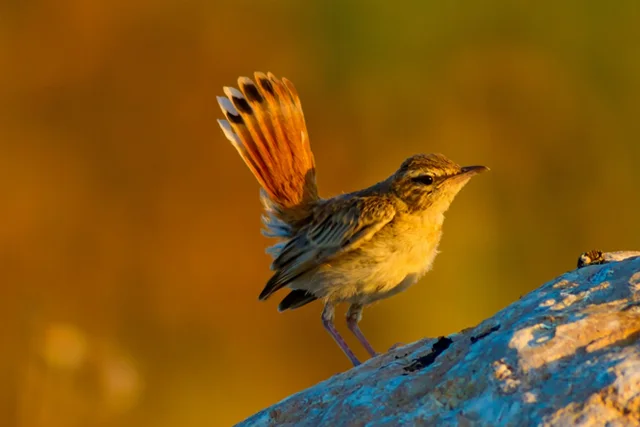
Measuring between 20 and 22 centimeters in length, the Tepui Nightjar is a compact yet robust bird designed for stealth. Its plumage is a masterpiece of natural mimicry, dominated by mottled shades of brown and grey, which perfectly replicate the texture of the lichen-covered rocks and leaf litter found in its highland habitat. This complex pattern of streaks and spots allows the bird to remain virtually invisible during the day when it rests on the ground or low branches. The head is relatively broad with large, dark, reflective eyes adapted for low-light vision, and it possesses a short, wide beak surrounded by sensitive rictal bristles. These bristles are crucial for detecting airborne prey during mid-flight captures. When in flight, the wings appear long and pointed, revealing subtle patterns that distinguish it from related nightjar species. The overall coloration provides a seamless blend into the misty, rocky environment of the tepui summits, making it a master of concealment.
The Tepui Nightjar is endemic to the Guiana Highlands, specifically residing on the summits and slopes of the tepuis in Venezuela, Guyana, and parts of northern Brazil. These table-top mountains are characterized by ancient sandstone formations, unique flora, and frequent cloud cover. The bird prefers high-altitude shrublands, rocky outcrops, and areas with sparse, stunted forest growth. Due to the extreme isolation of these mountains, the Tepui Nightjar has evolved into a highly specialized occupant of this 'sky island' habitat. The cool, humid conditions of these elevations are vital for the species, as they rely on the specific microclimates that support their insect prey populations throughout the year.
Like other members of the nightjar family, the Tepui Nightjar is an insectivore. It is a crepuscular and nocturnal hunter, meaning it becomes active during the twilight hours and throughout the night to feed on a variety of flying insects. Its diet primarily consists of moths, beetles, and other nocturnal flying arthropods. The bird employs a 'sallying' hunting technique, where it perches on a rock or low branch before launching into the air to snap up passing insects with its wide, bristle-lined mouth. This efficient method of foraging allows it to maximize energy intake during short bursts of activity while minimizing exposure to diurnal predators.
The breeding biology of the Tepui Nightjar is largely adapted to the harsh conditions of the tepui summits. These birds do not build traditional nests; instead, they lay their eggs directly onto the ground, usually in a slight depression or on a layer of leaf litter. The female typically lays one to two eggs, which are cryptically colored to match the surrounding rocky substrate, providing essential protection from predators. Both parents are involved in the incubation process, with the female often taking the primary role during the day to ensure the eggs remain hidden. The chicks are semi-precocial and are covered in down that mimics the terrain. Nesting sites are strategically chosen in areas that offer both cover from the frequent highland rains and easy access to insect foraging grounds for the parents.
The behavior of the Tepui Nightjar is characterized by extreme caution and stillness. During the daylight hours, it remains immobile, relying entirely on its camouflage to avoid detection. When threatened, it may remain frozen until the very last second before flushing suddenly to escape. Its vocalizations are a key behavioral trait; males often perform complex, rhythmic calls during the breeding season to establish territory and attract mates. These calls are usually heard in the deep twilight, echoing across the silent highland plateau. Their flight is silent and erratic, allowing them to navigate the dense, misty vegetation of their habitat with precision while hunting for nocturnal insects.
Currently, the Tepui Nightjar is not classified as globally threatened, but it is considered a species of regional interest due to its limited and fragmented range. Because it inhabits the remote and inaccessible tepui summits, the population is naturally protected from large-scale human encroachment or agricultural development. However, the species is vulnerable to climate change, as shifts in the cloud forest microclimates could impact the availability of its specialized insect prey. Continued monitoring and preservation of the Guiana Highlands' pristine environment are essential to ensure the long-term survival of this unique bird.
Birdwatching for the Tepui Nightjar is a challenging but rewarding endeavor that requires significant preparation. Since they are nocturnal and perfectly camouflaged, visual sightings are rare. The best time to look for them is during the twilight hours or on moonlit nights when they are most active. Birdwatchers should use high-quality, low-light binoculars or thermal imaging equipment to spot them on rocky outcrops. It is crucial to learn their specific vocalizations beforehand, as hearing them is often the only way to confirm their presence. Always maintain a respectful distance to avoid disturbing their nesting grounds, and ensure you have an experienced guide familiar with the treacherous terrain of the tepuis.
In conclusion, the Tepui Nightjar (Systellura roraimae) stands as a fascinating example of avian adaptation to high-altitude, isolated environments. From its expertly camouflaged brown and grey plumage to its specialized nocturnal hunting techniques, every aspect of this bird is fine-tuned for survival in the Guiana Highlands. While it remains a mysterious creature, hidden away on the summits of remote table mountains, its presence adds significant value to the biodiversity of the neotropics. For birdwatchers and scientists, the Tepui Nightjar represents the thrill of discovery and the importance of protecting isolated ecosystems. As we continue to study and appreciate this unique species, we are reminded of the delicate balance required to maintain life in some of the most challenging environments on Earth. Protecting the habitat of the Tepui Nightjar is not just about saving one bird; it is about preserving the integrity of the unique 'sky islands' that house some of the world's most specialized wildlife. Through continued research and responsible eco-tourism, we can ensure that this elusive master of the night continues to thrive in its misty, rocky home for generations to come.
We are working with our official data partners to update this information.
Tag:



Birds have their own beautiful world, we should not interfere in it. We should enjoy this beauty. Its beauty should be captured in the camera but be careful not to disturb them.
Tap a language to switch instantly.
Tap a language to switch instantly.