Violaceous Euphonia Basic Information
| Scientific Name |
Euphonia violacea
|
| Status |
LC
Least Concern
|
| Size |
10-12 cm (4-5 inch)
|
| Colors |
|
| Type |
|
| Family |
Finches |
Introduction
The Violaceous Euphonia (Euphonia violacea) is a captivating member of the Fringillidae family, renowned for its striking plumage and melodious songs. Found primarily across the lush landscapes of South America, this perching bird is a favorite among ornithologists and birdwatchers alike. Despite its small stature, the species commands attention with its vibrant color palette and distinctive behavior. These birds belong to a group commonly known as euphonias, which are characterized by their complex vocalizations and specialized dietary habits. As forest-dwelling creatures, they play a vital role in their ecosystems, often acting as seed dispersers for various tropical plants. The Violaceous Euphonia has adapted well to a variety of environments, ranging from dense rainforests to more open, human-influenced gardens. Understanding this species offers a window into the rich biodiversity of the Neotropics, highlighting the evolutionary success of small-bodied passerines that have mastered the art of survival in competitive avian communities.
Physical Appearance
The Violaceous Euphonia is a diminutive bird, measuring approximately 10 to 12 centimeters in length. The species exhibits pronounced sexual dimorphism, meaning males and females look significantly different. The male is easily identified by its deep, glossy, violet-blue upperparts that shimmer with an iridescent sheen when hit by direct sunlight. This dark blue contrasts sharply with a brilliant, golden-yellow forehead and underparts, creating a vibrant aesthetic that makes them stand out in the canopy. In contrast, the female presents a more understated appearance, featuring olive-green upperparts and a pale yellowish-white belly. Both sexes possess short, rounded wings and a stout, conical beak adapted for feeding on small fruits. Their compact body shape and agile movements allow them to navigate dense foliage with ease. Juveniles often resemble the adult female, slowly acquiring their mature colors as they reach sexual maturity, a process that can take several months in the wild.
Habitat
The Violaceous Euphonia is widely distributed throughout South America, with populations found in countries such as Brazil, Venezuela, Trinidad, and parts of the Guianas. They are highly adaptable creatures, preferring environments that offer a mix of fruiting trees and adequate nesting cover. While they are most commonly associated with humid lowland forests, they are also frequently sighted in secondary growth woodlands, gallery forests, and even urban parks or well-vegetated gardens. They generally remain in the canopy or mid-level strata of the forest, rarely descending to the ground. This vertical preference allows them to maximize their access to preferred food sources while staying protected from ground-dwelling predators, making them a common sight for observers who know where to look in the forest canopy.
Diet
The diet of the Violaceous Euphonia is predominantly frugivorous, with a specific preference for mistletoe berries. These birds have evolved specialized digestive systems to process the sticky, nutrient-rich fruits of various mistletoe species, which are often overlooked by other avian species. By feeding on these berries, they play an essential role in the propagation of these parasitic plants. In addition to mistletoe, they supplement their diet with a variety of small forest fruits, berries, and occasionally nectar from flowering trees. During the breeding season, they may incorporate small insects and spiders into their diet, providing the necessary protein boost required for the growth and development of their nestlings. This dietary flexibility allows them to thrive even when specific fruit supplies become seasonal or scarce.
Breeding and Nesting
Breeding for the Violaceous Euphonia is a meticulous process that highlights their architectural skill. The pair works together to construct a spherical or dome-shaped nest, typically hidden within dense foliage, hanging moss, or even in the crevices of tree trunks. The nest is woven from fine plant fibers, moss, and spider silk, ensuring both structural integrity and camouflage against potential predators. Once the nest is complete, the female typically lays a clutch of three to four eggs. She takes on the primary responsibility of incubation, which lasts approximately two weeks, while the male remains nearby to defend the territory and provide food. Both parents are highly attentive, sharing the duties of feeding the hatchlings until they are ready to fledge. The survival rate of chicks is often tied to the availability of local food resources, particularly the abundance of fruits needed to sustain the rapidly growing young.
Behavior
Violaceous Euphonias are highly social birds, often seen in pairs or small family groups. They are known for their lively and energetic demeanor, characterized by constant movement through the canopy as they search for food. Their flight is fast and undulating, often accompanied by soft, chirping calls that help maintain group cohesion. They are not particularly shy, but their small size and tendency to stay high in the trees can make them difficult to spot. Their vocalizations are complex, consisting of a mix of high-pitched whistles and trills that are frequently mimicked or integrated into their songs. During territorial disputes, they can become quite aggressive, chasing away intruders with rapid flight patterns and vocal displays.
Conservation Status
-
LC
Least Concern
Currently, the Violaceous Euphonia is classified as a species of Least Concern by the IUCN. Their populations remain relatively stable across their extensive range, thanks in part to their ability to adapt to human-altered landscapes. However, like many tropical birds, they face ongoing threats from habitat loss due to deforestation and fragmentation. Protecting large tracts of natural forest and encouraging the growth of native fruit-bearing trees in agricultural or residential areas are critical steps in ensuring the long-term survival of this species. Monitoring their populations remains important to detect any localized declines caused by environmental shifts.
Interesting Facts
- They are expert mistletoe seed dispersers, helping maintain forest health.
- The name 'violaceous' refers to the intense violet-blue sheen on the male's plumage.
- They possess a unique gut structure that allows them to process sticky mistletoe berries efficiently.
- Males are prolific singers and can incorporate sounds from their environment into their songs.
- They are often kept as cage birds in some regions, though wild populations remain robust.
- Their nests are remarkably well-hidden, often resembling natural clumps of moss or debris.
Tips for Birdwatchers
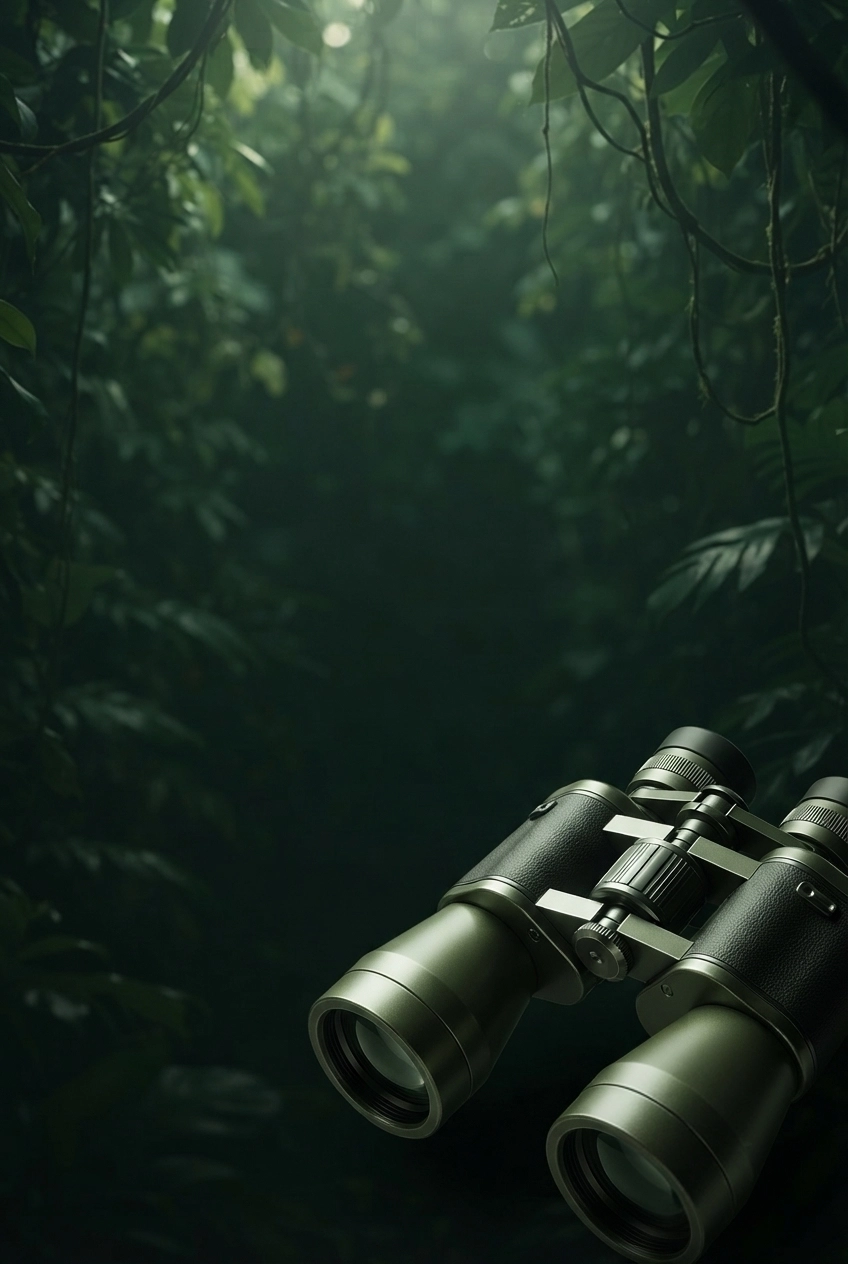
For birdwatchers hoping to spot the Violaceous Euphonia, patience is key. Since they spend most of their time in the high canopy, using high-quality binoculars or a spotting scope is essential. Focus your search near fruiting trees, especially those infested with mistletoe, as these are primary feeding grounds. Early morning is the best time to observe them, as they are most active and vocal during the first few hours of light. Learning their specific, high-pitched calls will significantly increase your chances of locating them before you see them. If you are in a garden or park, planting native fruit trees can attract these birds closer to ground level, providing an excellent opportunity for photography and close-range observation.
Conclusion
The Violaceous Euphonia is a true gem of the South American canopy. Its brilliant blue and yellow plumage, combined with its complex social behavior and essential role as a seed disperser, makes it a fascinating subject for any bird enthusiast. While they are currently secure in the wild, their presence serves as a reminder of the intricate connections within tropical ecosystems. By protecting the environments they inhabit, we ensure that future generations can continue to enjoy the sight and sound of these vibrant songbirds. Whether you are a professional ornithologist or a casual backyard birdwatcher, observing the Violaceous Euphonia provides a rewarding experience that highlights the beauty and diversity of the avian world. Their ability to thrive in both dense forests and human-modified spaces showcases the remarkable adaptability of nature. As we continue to study and appreciate these birds, we gain deeper insights into the delicate balance of our planet's biodiversity, reinforcing the importance of conservation efforts for all species, great and small.
Violaceous Euphonia Distribution Map & Range
The distribution map for this species will be available soon.
We are working with our official data partners to update this information.