Palila Basic Information
| Scientific Name |
Loxioides bailleui
|
| Status |
CR
Critically Endangered
|
| Size |
17-19 cm (7-7 inch)
|
| Colors |
|
| Type |
|
| Family |
Finches |
Introduction
The Palila (Loxioides bailleui) is one of the most iconic and critically endangered members of the Hawaiian honeycreeper family. This vibrant, finch-billed bird is endemic to the island of Hawaii, specifically residing on the high-elevation slopes of Mauna Kea. As a specialized perching bird, the Palila plays a vital role in its ecosystem, yet it faces an uncertain future due to habitat loss and invasive species. Historically widespread across the island, its range has contracted significantly, making it a focal point for conservation biologists worldwide. Understanding the Palila requires a deep dive into its symbiotic relationship with the subalpine mamane-naio forests, upon which it relies for both food and nesting. This article explores the biology, behavior, and conservation needs of this remarkable avian species, providing a comprehensive guide for researchers, bird enthusiasts, and conservationists alike who are dedicated to preserving Hawaii’s unique natural heritage.
Physical Appearance
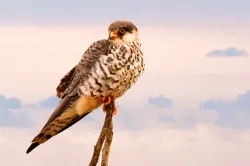
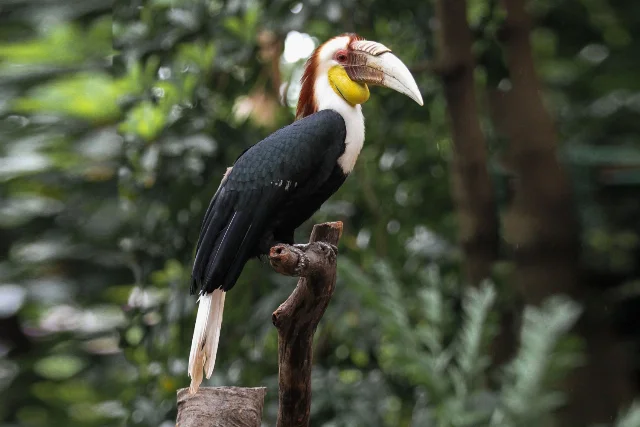
The Palila is a stunning example of avian adaptation, measuring approximately 17 to 19 centimeters in length. Its most striking feature is its vibrant yellow plumage, which covers the head and breast, providing a brilliant contrast against its grey wings and back. This coloration serves as a form of camouflage within the dappled light of the forest canopy. The bird possesses a strong, thick, and conical bill, which is specifically adapted for crushing the hard seeds of the mamane tree. Its eyes are dark and alert, set within a face that often displays a subtle, darker mask-like pattern. Juveniles typically exhibit a duller, more olive-toned coloration, allowing them to blend into the foliage until they reach maturity. Males and females are relatively similar in appearance, though some males exhibit more intense yellow hues. The overall build of the Palila is robust, reflecting its lifestyle as a high-altitude, seed-eating perching bird that navigates the rugged terrain of volcanic slopes with agility and grace.
Habitat
The Palila is restricted to a very specific habitat: the subalpine mamane-naio forests located on the southern and western slopes of Mauna Kea, Hawaii. These forests occur at elevations ranging from 6,000 to 9,500 feet. The environment is characterized by dry, open woodland where the native mamane (Sophora chrysophylla) and naio (Myoporum sandwicense) trees dominate the landscape. This high-altitude ecosystem is essential for the Palila’s survival, as the trees provide the primary food sources and nesting substrates. Unfortunately, this habitat is severely threatened by ungulates like feral sheep and goats, which destroy seedlings and prevent forest regeneration, leading to a fragmented and shrinking range for this vulnerable species.
Diet
The diet of the Palila is highly specialized, earning it the reputation as a mamane-dependent bird. Its primary food source is the seeds of the mamane tree, which it extracts by using its powerful, specialized beak to crack open the tough, green pods. These seeds are a rich source of protein and nutrients that are critical for the bird's survival in the harsh, high-altitude environment. In addition to seeds, the Palila also consumes the flowers, buds, and young leaves of the mamane tree. Occasionally, they will feed on the berries of the naio tree and small insects, especially when providing protein-rich food to their developing nestlings.
Breeding and Nesting
Breeding for the Palila is closely tied to the seasonal availability of mamane seeds, typically occurring between the months of January and September. During this period, pairs engage in courtship displays before selecting a nesting site, usually located in the outer branches of a mature mamane tree. The nest itself is a cup-shaped structure meticulously constructed from twigs, grasses, and lichens, lined with soft materials such as hair or feathers. A typical clutch consists of one to two eggs. The female is primarily responsible for incubation, which lasts about three weeks, while the male provides food for the female during this time. Once the chicks hatch, both parents share the responsibility of feeding the nestlings, ensuring they receive enough nutrients to fledge successfully after several weeks.
Behavior
The Palila is a social and active bird, often observed moving in small groups or pairs as they forage through the canopy. They are highly vocal, utilizing a variety of whistles, trills, and soft calls to communicate with one another. Despite their active nature, they can be surprisingly elusive, often remaining still for long periods while feeding. They exhibit a strong site fidelity, rarely leaving their home range unless forced by environmental pressures. They are agile climbers, using their strong feet to grip branches while they maneuver to reach seed pods. Their behavior is largely dictated by the phenology of the mamane trees, which influences their seasonal movements across the mountain.
Conservation Status
-
CR
Critically Endangered
The Palila is currently listed as Critically Endangered by the IUCN. Its population has experienced a catastrophic decline due to the degradation of its habitat by non-native ungulates and the predation of eggs by invasive species like rats and cats. Conservation efforts are currently focused on the removal of invasive herbivores to allow the mamane forest to recover, as well as predator control programs. Captive breeding and reintroduction projects are also being explored as vital strategies to prevent the extinction of this unique Hawaiian honeycreeper.
Interesting Facts
- The Palila is one of the few remaining Hawaiian honeycreepers with a specialized seed-cracking beak.
- They are found only on the island of Hawaii, making them a true endemic species.
- The bird's survival is almost entirely dependent on the health of the mamane tree.
- Palila populations are monitored annually to track their survival in the wild.
- They are known for their distinct, melodious songs that echo through the high-altitude forests.
- The species has been a subject of landmark legal cases regarding the protection of endangered species' habitats.
Tips for Birdwatchers
Birdwatching for the Palila requires patience and preparation. Because they live at high elevations, visitors should be prepared for cold temperatures and potential altitude sickness. The best time to spot them is during the early morning hours when they are most active and vocal. Bring high-quality binoculars or a spotting scope, as these birds often forage in the upper canopy of mature trees. It is essential to stay on designated trails to avoid disturbing the sensitive mamane-naio ecosystem. Always practice ethical birding: keep a respectful distance, do not use playback calls, and never attempt to feed or attract the birds. Respecting the fragile nature of their habitat is the most important rule for any visitor hoping to catch a glimpse of this rare and beautiful creature.
Conclusion
The Palila (Loxioides bailleui) stands as a powerful symbol of the fragility and beauty of Hawaii's endemic biodiversity. As a species pushed to the brink by human-induced environmental changes, its survival serves as a critical indicator of the health of the Mauna Kea subalpine ecosystem. The journey to protect the Palila is not merely about saving a single bird; it is about restoring the delicate balance of an entire forest habitat. Through dedicated conservation efforts—including invasive species management, reforestation, and ongoing scientific monitoring—there remains hope for this resilient honeycreeper. For birdwatchers and nature enthusiasts, the Palila offers a unique opportunity to witness one of the world's most specialized evolutionary marvels in the wild. However, this privilege comes with the responsibility of advocacy and environmental stewardship. By supporting conservation organizations and respecting protected habitats, we can contribute to the efforts that ensure future generations will be able to hear the song of the Palila echoing through the mamane trees. The story of the Palila is a reminder that nature, while resilient, requires our active protection to flourish.
Palila Distribution Map & Range
The distribution map for this species will be available soon.
We are working with our official data partners to update this information.