
Not available
Nicobar Bulbul
Ixos nicobariensis
Last update: 10 Mar 2026
Read in:
English
Español
Português
हिन्दी
বাংলা
தமிழ்
മലയാളം
मराठी
ગુજરાતી
తెలుగు
French
Deutsch
Русский
日本語
简体中文
Italiano
Tiếng Việt
العربية
ಕನ್ನಡ
ਪੰਜਾਬੀ
Nicobar Bulbul Basic Information
| Scientific Name | Ixos nicobariensis |
|---|---|
| Status | NT Near Threatened |
| Size | 20-22 cm (8-9 inch) |
| Colors |
Brown
White
|
| Type |
Perching Birds

|
| Family | Bulbuls |
Nicobar Bulbul Names In Other Languages
| bengali | নিকোবর বুলবুল |
|---|---|
| french | Bulbul des Nicobar |
| hindi | निकोबार बुलबुल |
| malayalam | നിക്കോബാർ ബൾബൾ |
| portuguese | Bulbul-de-nicobar |
| spanish | Bulbul de Nicobar |
| tamil | நிக்கோபார் கொண்டைக்குருவி |
Introduction
The Nicobar Bulbul (Ixos nicobariensis) is a fascinating and relatively elusive species of songbird that holds a special place in the avian biodiversity of the Indian Ocean. Endemic to the Nicobar Islands, this perching bird is a classic example of island evolution, where isolation has allowed a unique set of characteristics to develop. As a member of the Pycnonotidae family, it shares the characteristic lively personality of other bulbuls but is distinguished by its restricted geographical range and specific ecological requirements. For ornithologists and bird enthusiasts, the Nicobar Bulbul represents a significant subject of study, as its survival is intrinsically linked to the health of the lush, tropical forests of its native archipelago. Understanding this bird requires a deep dive into the complex ecosystems of the Nicobar Islands, which serve as a critical sanctuary for numerous endemic species. Despite its beauty and importance, the Nicobar Bulbul remains a species that demands further research to ensure its long-term viability in an ever-changing environment, making it a true treasure for those dedicated to bird conservation and natural history.
Physical Appearance
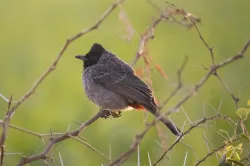
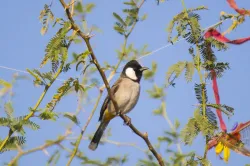
Measuring approximately 20 to 22 centimeters in length, the Nicobar Bulbul is a medium-sized passerine with a distinct and elegant silhouette. Its primary coloration is a rich, earthy brown, which provides excellent camouflage against the dense foliage of the tropical canopy. This brown hue is elegantly contrasted by secondary white markings, which are often visible on the underparts and sometimes as subtle accents on the facial features or wing coverts. The bird possesses a slender, slightly curved bill suited for its specialized diet, and its eyes are bright and alert, set against a head shape typical of the Ixos genus. Its tail is moderately long and rounded, aiding in precise navigation through thick vegetation. The plumage is generally soft and dense, reflecting the humid environment of the islands. Both males and females share similar morphological traits, a common characteristic in many bulbul species, though subtle variations in size or intensity of color may exist. The overall appearance of the Nicobar Bulbul is one of understated grace, perfectly adapted to a life of perching and foraging within the shaded, multi-layered forests of its island home.
Habitat
The Nicobar Bulbul is strictly endemic to the Nicobar Islands, an archipelago located in the eastern Indian Ocean. Its habitat is primarily characterized by lush, evergreen tropical forests, dense secondary growth, and sometimes the edges of coastal plantations. These birds favor the mid-to-upper canopy layers, where they can find both shelter and a reliable source of food. The humid, tropical climate of the Nicobar Islands provides the ideal conditions for the fruit-bearing trees and diverse insect populations that the species relies upon. Because of its limited range, the Nicobar Bulbul is highly sensitive to habitat fragmentation and deforestation, which threaten the integrity of its native forest ecosystems.
Diet
The dietary habits of the Nicobar Bulbul are primarily frugivorous and insectivorous, reflecting the diverse resources available in its tropical island home. They are frequently observed foraging in the canopy for small fruits, berries, and nectar, which provide the high energy levels needed for their active lifestyle. In addition to plant-based food, these bulbuls supplement their diet with a variety of small insects and larvae, particularly during the breeding season when protein is essential for the development of their young. Their foraging behavior is agile, involving short, fluttery flights between branches as they inspect leaves and twigs for hidden prey, showcasing their efficiency as opportunistic feeders within the forest ecosystem.
Breeding and Nesting
Breeding and nesting for the Nicobar Bulbul typically occur during the warmer, wetter months, which coincide with an abundance of food resources. They construct neat, cup-shaped nests, usually placed in the fork of a tree branch or within dense shrubbery, effectively hidden from potential predators by thick foliage. The nest is meticulously built using fine twigs, grass, roots, and sometimes spider silk to bind the structure together. Both parents are actively involved in the incubation of the eggs and the subsequent feeding of the chicks. The commitment shown by the parents is vital for the survival of the brood, as the chicks are vulnerable to the intense environmental conditions and various island predators. Once the fledglings are ready to leave the nest, they continue to be supervised by the adults for a short period while they learn to forage and navigate the complex island landscape.
Behavior
In terms of behavior, the Nicobar Bulbul is a social and vocal bird, often heard before it is seen. Their vocalizations are melodic and characteristic of the bulbul family, serving as a means of communication and territorial defense. They are generally active during the early morning and late afternoon, spending much of their time moving through the canopy. While they can be somewhat wary of human presence, they are inquisitive and will often investigate their surroundings. Their perching habits are quite distinct, as they prefer to sit upright on exposed branches while scanning for food, demonstrating their role as alert and observant members of the island’s avian community.
Conservation Status - NT Near Threatened
The Nicobar Bulbul is currently classified as a species of concern, primarily due to its extremely limited range and the ongoing threats to its natural habitat. As an endemic species, it is highly vulnerable to environmental changes, including climate-induced weather events, invasive species, and human-led deforestation. Conservation efforts are focused on protecting the remaining primary forests of the Nicobar Islands and ensuring that local development practices do not compromise the fragile ecosystems that this bulbul calls home. Ongoing monitoring is essential to track population trends and implement necessary protective measures for this unique bird.
Interesting Facts
- The Nicobar Bulbul is found nowhere else on Earth except for the Nicobar Islands.
- Its brown and white plumage is a perfect adaptation for hiding in tropical forest light.
- They play a role in seed dispersal by consuming various forest fruits.
- Like other bulbuls, they are known for their distinct and pleasant morning songs.
- They are highly adapted to the humid, tropical climate of their island habitat.
- Their nests are marvels of engineering, often incorporating spider webs for stability.
Tips for Birdwatchers
For birdwatchers hoping to spot the Nicobar Bulbul, patience and silence are the most valuable tools. Because they are shy and inhabit the dense canopy, it is recommended to visit the Nicobar Islands during the early morning hours when the birds are most active and vocal. Using high-quality binoculars or a spotting scope is essential to observe them without causing disturbance. Focus your search on the edges of evergreen forests or areas with fruit-bearing trees, as these are common feeding grounds. Always respect local regulations regarding island access and wildlife photography, and consider hiring a local guide who has deep knowledge of the specific forest trails where these birds are frequently sighted.
Pro-Tip: To spot this bird in dense forest canopy, a 8x42 binoculars or telescope is highly recommended.
- [Check out our top recommended gear here]
Pro-Tip: To capture the stunning beauty of this bird, a high-quality wildlife camera and lens are highly recommended.
- [Check out best wildlife cameras here]
Conclusion
In conclusion, the Nicobar Bulbul (Ixos nicobariensis) stands as a testament to the incredible biological diversity found within the Nicobar Islands. Its existence is a delicate balance, intricately woven into the fabric of its tropical home. As we have explored, this bird is not only defined by its physical beauty, characterized by its subtle brown and white plumage, but also by its complex behaviors, dietary needs, and breeding strategies that have evolved over millennia in isolation. However, the future of the Nicobar Bulbul is not guaranteed. As human activity continues to impact the remote corners of our planet, the responsibility to safeguard such endemic species becomes increasingly urgent. Birdwatchers, researchers, and conservationists alike must work in harmony to ensure that the forests of the Nicobar Islands remain a vibrant sanctuary for this unique perching bird. By appreciating the Nicobar Bulbul for its role in the ecosystem and advocating for the protection of its habitat, we contribute to the broader mission of preserving global avian diversity. Let us remain vigilant and committed to the protection of this remarkable species, ensuring that its song continues to echo through the island canopy for generations of nature enthusiasts to come.
Tag:

200 Follower
is a writer who draws. He’s the Bestselling author of “Number of The Year”. Donec vitae tortor efficitur, convallis lelobortis elit.
Recent Posts




Subscribe For Daily Newsletter