Waders
avatar
Photo by Admin
Not available
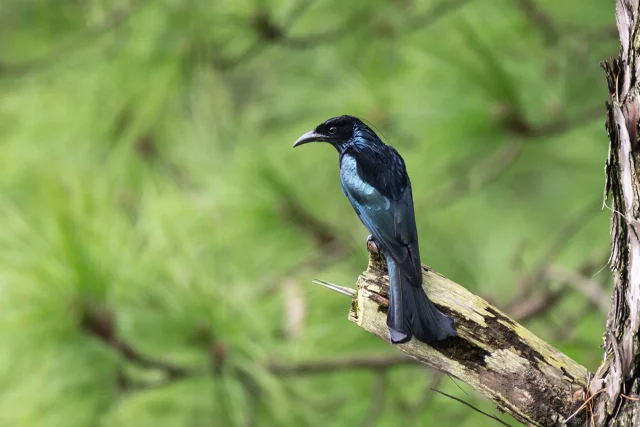
Greater Sandplover

Greater Sandplover

Charadrius leschenaultii

Last update: 05 Mar 2026

Greater Sandplover Basic Information

Scientific NameCharadrius leschenaultii
Status LC Least Concern
Size22-25 cm (9-10 inch)
Colors
Brown
White
Type
Waders
type
FamilyPlovers

Introduction

The Greater Sandplover (Charadrius leschenaultii) is a fascinating medium-sized wader belonging to the plover family. Known for its extensive migratory patterns, this bird is a common sight along coastal regions, where it forages actively in the intertidal zone.

Physical Appearance

The Greater Sandplover measures approximately 22-25 cm in length. Its plumage is primarily brown on the upperparts, providing excellent camouflage against sandy environments, while its underparts are predominantly white. During the breeding season, adults may display a more distinct rufous-colored breast band and a darker facial mask.

Habitat

This species is highly dependent on coastal ecosystems. You will typically find them in:

  • Sandy beaches and mudflats
  • Estuaries and salt marshes
  • Coastal lagoons
  • Sparse inland salt flats during migration

Diet

As a wader, the Greater Sandplover utilizes its short, stout bill to forage for a variety of small invertebrates. Its diet primarily consists of:

  • Small crustaceans
  • Marine worms (polychaetes)
  • Mollusks
  • Insects found on the shoreline

Breeding and Nesting

The Greater Sandplover breeds in arid, open inland areas, often far from the sea. They construct simple scrapes on the ground, often lined with small pebbles or shells. Both parents share the responsibility of incubating the eggs and caring for the precocial chicks.

Behavior

These birds are known for their run-and-stop foraging style. They are highly gregarious during the non-breeding season, often found in mixed-species flocks. They are strong fliers, capable of traveling thousands of miles between their breeding grounds in Central Asia and their wintering territories in Africa, India, and Australia.

Conservation Status - LC Least Concern

According to the IUCN Red List, the Greater Sandplover is classified as Least Concern. However, their populations remain vulnerable to habitat loss, particularly the degradation of coastal mudflats and pollution in their migratory stopover sites.

Interesting Facts

  1. The Greater Sandplover is named after the French botanist Jean-Baptiste Leschenault de la Tour.
  2. They are known to be quite bold and will often allow close approach by humans while foraging.
  3. Unlike many other plovers, they lack a hind toe, which is a common characteristic of the genus Charadrius.
  4. They perform one of the longest migratory journeys of any shorebird species.

Tips for Birdwatchers

To spot a Greater Sandplover, visit coastal mudflats during low tide. Use high-quality binoculars or a spotting scope to distinguish them from the smaller Lesser Sandplover, noting the longer bill and larger overall size. Patience is key; watch for their characteristic stop-start movement pattern.

Pro-Tip: To spot this bird in dense forest canopy, a 8x42 binoculars or telescope is highly recommended.
- [Check out our top recommended gear here]

Conclusion

The Greater Sandplover is a resilient and remarkable shorebird that highlights the importance of protecting coastal wetlands. By understanding their needs and behaviors, birdwatchers can play a vital role in appreciating and advocating for the conservation of these incredible avian travelers.

Greater Sandplover Distribution Map & Range

Official Distribution Data provided by
BirdLife International and Handbook of the Birds of the World (2025)

Tag:

Share:

Explore More Species in the Plovers Family

African Three-banded Plover
18-20 cm
African Three-banded Plover
Charadrius tricollaris
24-28 cm
American Golden Plover
Pluvialis dominica
32-35 cm
Andean Lapwing
Vanellus resplendens
Banded Lapwing
30-33 cm
Banded Lapwing
Vanellus tricolor
Black-banded Plover
16-18 cm
Black-banded Plover
Charadrius thoracicus
Black-fronted Dotterel
16-18 cm
Black-fronted Dotterel
Elseyornis melanops
25-28 cm
Black-headed Lapwing
Vanellus tectus
Black-shouldered Lapwing
25-28 cm
Black-shouldered Lapwing
Vanellus novaehollandiae
25-30 cm
Black-winged Lapwing
Vanellus melanopterus
25-30 cm
Blacksmith Lapwing
Vanellus armatus
26-28 cm
Brown-chested Lapwing
Vanellus superciliosus
Caspian Plover
19-21 cm
Caspian Plover
Charadrius asiaticus
Chestnut-banded Plover
14-16 cm
Chestnut-banded Plover
Charadrius pallidus
Collared Plover
14-16 cm
Collared Plover
Charadrius collaris
18-20 cm
Common Ringed Plover
Charadrius hiaticula
28-31 cm
Crowned Lapwing
Vanellus coronatus
19-22 cm
Diademed Plover
Phegornis mitchellii
Double-banded Plover
18-21 cm
Double-banded Plover
Charadrius bicinctus
20-22 cm
Eurasian Dotterel
Eudromias morinellus
26-29 cm
Eurasian Golden Plover
Pluvialis apricaria
Forbes's Plover
20-23 cm
Forbes's Plover
Charadrius forbesi
27-31 cm
Grey Plover
Pluvialis squatarola
34-37 cm
Grey-headed Lapwing
Vanellus cinereus
Hooded Plover
19-23 cm
Hooded Plover
Thinornis cucullatus
Inland Dotterel
19-21 cm
Inland Dotterel
Peltohyas australis
Javan Lapwing
27-29 cm
Javan Lapwing
Vanellus macropterus
Javan Plover
14-16 cm
Javan Plover
Charadrius javanicus
15-17 cm
Kentish Plover
Charadrius alexandrinus
21-28 cm
Killdeer
Charadrius vociferus
Kittlitz's Plover
12-14 cm
Kittlitz's Plover
Charadrius pecuarius
14-17 cm
little ringed plover
Charadrius dubius
19-21 cm
Long-billed Plover
Charadrius placidus
25-30 cm
Long-toed Lapwing
Vanellus crassirostris
Madagascar Three-banded Plover
16-18 cm
Madagascar Three-banded Plover
Charadrius bifrontatus
Malay Plover
15-16 cm
Malay Plover
Charadrius peronii
Masked Lapwing
33-38 cm
Masked Lapwing
Vanellus miles
Mountain Plover
19-23 cm
Mountain Plover
Charadrius montanus
28-31 cm
Northern Lapwing
Vanellus vanellus
Northern Red-breasted Plover
19-23 cm
Northern Red-breasted Plover
Charadrius aquilonius
Oriental Plover
19-22 cm
Oriental Plover
Charadrius veredus
23-26 cm
Pacific Golden Plover
Pluvialis fulva
20-22 cm
Pied Plover
Hoploxypterus cayanus
15-18 cm
Piping Plover
Charadrius melodus
Puna Plover
17-19 cm
Puna Plover
Charadrius alticola
red wattled lapwing
32-35 cm
red wattled lapwing
Vanellus indicus
Red-capped Plover
14-16 cm
Red-capped Plover
Charadrius ruficapillus
Red-kneed Dotterel
16-18 cm
Red-kneed Dotterel
Erythrogonys cinctus
29-32 cm
River Lapwing
Vanellus duvaucelii
Rufous-chested Plover
17-19 cm
Rufous-chested Plover
Charadrius modestus
Saint Helena Plover
15-20 cm
Saint Helena Plover
Charadrius sanctaehelenae
17-19 cm
Semipalmated Plover
Charadrius semipalmatus
20-25 cm
Senegal Lapwing
Vanellus lugubris
Shore Plover
17-20 cm
Shore Plover
Thinornis novaeseelandiae
Siberian Sandplover
18-20 cm
Siberian Sandplover
Charadrius mongolus
Snowy Plover
15-17 cm
Snowy Plover
Charadrius nivosus
27-30 cm
Sociable Lapwing
Vanellus gregarius
32-38 cm
Southern Lapwing
Vanellus chilensis
Southern Red-breasted Plover
19-22 cm
Southern Red-breasted Plover
Charadrius obscurus
26-28 cm
Spot-breasted Lapwing
Vanellus melanocephalus
25-30 cm
Spur-winged Lapwing
Vanellus spinosus
19-22 cm
Tawny-throated Dotterel
Oreopholus ruficollis
Tibetan Sandplover
19-21 cm
Tibetan Sandplover
Charadrius atrifrons
Two-banded Plover
18-20 cm
Two-banded Plover
Charadrius falklandicus
30-35 cm
Wattled Lapwing
Vanellus senegallus
25-30 cm
White-crowned Lapwing
Vanellus albiceps
White-faced Plover
15-18 cm
White-faced Plover
Charadrius dealbatus
White-fronted Plover
15-17 cm
White-fronted Plover
Charadrius marginatus
26-29 cm
White-tailed Lapwing
Vanellus leucurus
Wilson's Plover
18-20 cm
Wilson's Plover
Charadrius wilsonia
Wrybill
19-21 cm
Wrybill
Anarhynchus frontalis
yellow wattled lapwing
26-28 cm
yellow wattled lapwing
Vanellus malabaricus