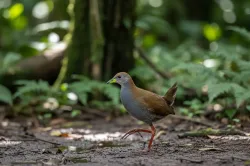
Pied Plover Basic Information
| Scientific Name |
Hoploxypterus cayanus
|
| Status |
LC
Least Concern
|
| Size |
20-22 cm (8-9 inch)
|
| Colors |
|
| Type |
|
| Family |
Plovers |
Introduction
The Pied Plover, scientifically known as Hoploxypterus cayanus, is a fascinating member of the Charadriidae family. Often referred to by various local names across South America, this distinct wader stands out due to its striking plumage and specific behavioral patterns. Unlike many other plovers that are strictly coastal, the Pied Plover is frequently associated with inland water bodies, including riverbanks, sandbars, and tropical wetlands. Ornithologists have long studied this species for its unique evolutionary adaptations, which allow it to thrive in diverse riparian environments throughout the Neotropics. As a medium-sized wader, it occupies a specific ecological niche, acting as both a predator of small invertebrates and a prey species for larger raptors. Understanding the Pied Plover requires a deep dive into its life cycle, from its intricate nesting habits on open ground to its agile hunting techniques along the water's edge. This guide provides a comprehensive overview of this remarkable avian species, offering insights for both casual birdwatchers and dedicated ornithological researchers interested in South American biodiversity.
Physical Appearance
Standing approximately 20-22 cm in height, the Pied Plover is a compact and elegant bird. Its plumage is characterized by a sophisticated contrast of colors, primarily featuring shades of brown, white, and black. The dorsal side is dominated by earthy brown tones, which serve as excellent camouflage against sandy or muddy substrates. In contrast, the underparts are predominantly white, creating a clean, crisp look that is highly visible during flight or when the bird is alert. One of the most notable features of the Pied Plover is its distinct facial pattern, which includes bold black markings that frame its face and crown. The bird possesses a relatively short, sturdy bill adapted for probing soft mud and shallow water for prey. Its legs are long and slender, colored in a yellowish or pale hue, which aids in navigating uneven riparian terrains. During the breeding season, the intensity of its plumage colors may sharpen slightly, though the species generally maintains a consistent appearance throughout the year, making it relatively easy to identify in the field once you recognize its signature color block pattern.
Habitat
The Pied Plover is primarily found in South America, favoring environments that offer both water access and open ground for foraging. You will most commonly encounter these birds along the margins of tropical rivers, sandy banks, and gravel bars. They are also known to frequent wetlands, lagoons, and occasionally the muddy edges of lakes. Unlike species that migrate long distances across oceans, the Pied Plover prefers stable, inland aquatic ecosystems where it can maintain a consistent territory. The availability of exposed, un-vegetated ground is critical for this species, as it relies on open visibility to detect approaching predators, ensuring its safety while foraging or resting. These habitats are often subject to seasonal water level fluctuations, meaning the bird is well-adapted to shifting environmental conditions within the riparian corridor.
Diet
As a specialized wader, the Pied Plover maintains a diet composed largely of small invertebrates. Its hunting strategy involves walking slowly along the shoreline, occasionally stopping to probe the mud or snatch insects from the surface. Their primary food sources include beetles, fly larvae, small crustaceans, worms, and other aquatic insects commonly found in riparian zones. The bird uses its precise vision to spot movement in the sand or shallow water before darting forward with a quick, calculated strike. This insectivorous diet is essential for the bird’s energy requirements, particularly during the breeding season when they need to sustain themselves and their offspring. By consuming high-protein invertebrates, the Pied Plover plays a vital role in controlling insect populations within its local wetland ecosystem.
Breeding and Nesting
The breeding behavior of the Pied Plover is highly characteristic of ground-nesting waders. They typically construct simple, shallow scrapes in the sand or gravel near the water's edge, often with minimal lining. A clutch usually consists of two to three eggs, which are mottled with dark spots to blend perfectly with the surrounding terrain. Both parents are involved in the incubation process, demonstrating strong territorial instincts to protect the nest from potential intruders. Once the chicks hatch, they are precocial, meaning they are capable of leaving the nest shortly after birth to follow their parents in search of food. This survival strategy is an evolutionary response to the high risk of predation in open habitats. The parents remain highly vigilant, using vocalizations and distraction displays to lead predators away from the vulnerable brood until the young are ready to fledge.
Behavior
The Pied Plover is known for its alert and active demeanor. They are often seen in pairs or small family groups, moving with a characteristic jerky gait as they forage along the banks. When threatened, they exhibit a unique set of behaviors, including rapid, high-pitched alarm calls and swift flight patterns to relocate to safer ground. These birds are highly territorial, often defending their favored foraging spots against other waders of similar size. Their flight is strong and direct, and they are frequently observed displaying their white and brown wing patterns during aerial maneuvers. During the heat of the day, they may stand motionless for long periods, utilizing their natural coloration to remain undetected by both prey and predators alike.
Conservation Status
-
LC
Least Concern
The Pied Plover is currently classified by the IUCN as a species of Least Concern, though this status is dependent on the stability of its riparian habitats. The primary threats facing the species include habitat destruction due to dam construction, mining activities along rivers, and increased human disturbance in nesting areas. Because they nest on open sandbars, they are particularly susceptible to human recreation and climate-driven changes in water levels. Ongoing monitoring is essential to ensure that local populations remain stable, especially as riverine development continues to alter the natural landscapes these birds depend on for survival.
Interesting Facts
- The Pied Plover is a member of the diverse Charadriidae family of waders.
- They build their nests directly on open sandbars, relying on camouflage for protection.
- Their scientific name, Hoploxypterus cayanus, reflects their specific taxonomic classification.
- They are primarily insectivorous, feeding on beetles and aquatic larvae.
- The species is known for its highly territorial nature during the nesting season.
- Their white underparts and brown backs provide excellent countershading against predators.
- They are most commonly found along South American river systems.
- The chicks are precocial and can walk shortly after hatching.
Tips for Birdwatchers
To successfully spot the Pied Plover, birdwatchers should focus their efforts on riverbanks and gravel bars during the early morning or late afternoon when the birds are most active. Bringing high-quality binoculars or a spotting scope is highly recommended, as these birds can be shy and will move away if approached too quickly. Look for the distinct white and brown pattern while scanning the water's edge. It is also important to maintain a respectful distance from any identified nesting areas, as human presence can cause the birds to abandon their nests. Patience is key; observe from a hidden position and allow the birds to resume their natural foraging behavior. Recording observations on platforms like eBird helps researchers track population trends and habitat use for this intriguing species.
Conclusion
The Pied Plover (Hoploxypterus cayanus) is a testament to the resilience and beauty of South American wildlife. From its striking physical appearance, defined by a contrast of brown and white plumage, to its complex social and nesting behaviors, this bird offers a unique window into the life of a riparian wader. As we have explored, its survival is inextricably linked to the health of the riverine ecosystems it calls home. Whether it is foraging along a sandy bank or protecting its nest from potential threats, the Pied Plover demonstrates a remarkable adaptation to its environment. For birdwatchers, encountering this species is a rewarding experience that highlights the importance of protecting our wetlands. By understanding the specific needs, diet, and conservation challenges of the Pied Plover, we can better advocate for the preservation of its habitat. Ensuring the longevity of this species requires a concerted effort to mitigate human impact on river systems. As we continue to learn more about the fascinating world of the Pied Plover, let us remain committed to observing and documenting these birds with care and scientific rigor, ensuring they continue to thrive for generations to come.
Pied Plover Distribution Map & Range
The distribution map for this species will be available soon.
We are working with our official data partners to update this information.