Perching Birds
avatar
Photo by Admin
Not available

Ferruginous Flycatcher

Muscicapa ferruginea

Last update: 10 Mar 2026

Ferruginous Flycatcher Basic Information

Scientific NameMuscicapa ferruginea
Status LC Least Concern
Size12-13 cm (5-5 inch)
Colors
Rufous
White
Type
Perching Birds
type
FamilyOld World Flycatchers and Chats

Introduction

The Ferruginous Flycatcher (Muscicapa ferruginea) is a captivating member of the Muscicapidae family, renowned among bird enthusiasts for its striking appearance and elusive nature. As a small, energetic perching bird, it possesses a unique charm that draws birdwatchers to the dense, shaded forests of its range. Measuring only 12-13 cm in length, this species is often overlooked due to its preference for the mid-to-upper canopy, yet those who manage to spot one are rewarded with a glimpse of its vibrant, rusty-rufous plumage. Native to the mountainous regions of Asia, the Ferruginous Flycatcher is primarily a migratory species, moving between its breeding grounds in the Himalayas and its wintering territories in Southeast Asia. Understanding this bird requires patience and a keen eye, as it typically maintains a quiet profile while hunting for insects. As an expert in ornithology, I find the Ferruginous Flycatcher to be a quintessential example of how subtle, specialized adaptations allow a bird to thrive in complex forest ecosystems. This guide aims to provide a comprehensive look at the life cycle, habitat requirements, and behavioral patterns of this remarkable flycatcher, serving as an essential resource for both amateur birders and seasoned ornithologists interested in Asian avian biodiversity.

Physical Appearance

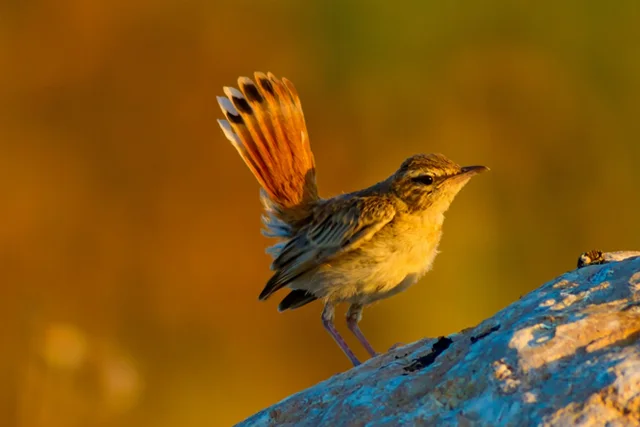
The physical appearance of the Ferruginous Flycatcher is defined by its distinct coloration and compact structure. As a small perching bird, it reaches a size of 12-13 cm, making it a relatively petite avian. The most prominent feature of this bird is its vibrant rufous plumage, which covers much of its upperparts, wings, and tail, giving it a warm, earthy tone that blends exceptionally well with the dappled sunlight of forest environments. In contrast, the underparts show a beautiful combination of white and buff, with the throat and breast often exhibiting a cleaner white or pale coloration that highlights its delicate facial features. It possesses a relatively large, dark eye that conveys a sense of alertness, set within a face that may show subtle markings. Its bill is short, broad at the base, and well-adapted for snapping up insects in mid-air, a hallmark of the Muscicapidae family. The wings are relatively long compared to its body, facilitating the agile, darting flight patterns necessary for aerial insectivory. Juveniles may appear slightly duller than adults, with faint streaking on the breast, but they retain the characteristic rufous wash that makes this species so easily identifiable to the trained eye.

Habitat

The Ferruginous Flycatcher is primarily an inhabitant of dense, broad-leaved evergreen forests, particularly those found in mountainous regions. It shows a strong preference for cool, humid environments with a well-developed understory and a thick canopy cover, which provides both protection from predators and an abundance of insect prey. During the breeding season, these birds are commonly encountered in the temperate forests of the Himalayas, often at elevations ranging from 1,000 to 3,000 meters. In their wintering range, they descend to lower-altitude forests, including sub-tropical and tropical evergreen habitats, where they continue to favor shaded, wooded areas. They are rarely seen in open terrain, as they rely heavily on the cover of trees and shrubs to perform their characteristic flycatching behavior. Protecting these specific forest corridors is essential for the continued survival of the species, as they are highly sensitive to habitat fragmentation and deforestation.

Diet

Like other members of its genus, the Ferruginous Flycatcher is an obligate insectivore. Its diet consists almost exclusively of small, flying insects, which it captures with remarkable agility. It is a classic 'sally-flycatcher,' meaning it waits on a favored perch, scanning the surrounding air for movement. Once an insect is spotted, it darts out with a quick, snapping flight to seize the prey before returning to its original perch to consume it. Common prey items include dipterans (flies), small beetles, wasps, and moths. In addition to aerial hunting, it may occasionally glean insects from the surface of leaves or tree bark, demonstrating a versatile foraging strategy. Its reliance on active, flying insects means that its presence is a strong indicator of a healthy, insect-rich forest ecosystem, as it requires a consistent supply of prey to maintain its high metabolic needs.

Breeding and Nesting

The breeding season for the Ferruginous Flycatcher typically occurs during the spring and early summer months, coinciding with the peak availability of insect prey. These birds are known for their meticulous nest-building skills. The nest is typically a small, cup-shaped structure constructed from fine materials such as moss, lichen, spiderwebs, and rootlets, which helps camouflage the nest against the bark of a tree. They often choose a fork in a branch or a natural cavity in a tree, usually at a moderate height from the ground, to ensure safety from terrestrial predators. Both the male and female participate in the process of nest construction and the subsequent care of the young. A typical clutch consists of 3 to 4 eggs, which are incubated primarily by the female. Once hatched, both parents are intensely involved in feeding the chicks, providing a steady diet of protein-rich insects to support their rapid growth and development before they fledge and venture out into the forest canopy.

Behavior

The Ferruginous Flycatcher is known for its somewhat reclusive and quiet behavior. Unlike some more vocal species, it is relatively silent, though it does produce soft, high-pitched calls, particularly during the breeding season. It is a highly territorial bird, especially when defending its chosen feeding perch. Observers will often notice that it returns to the same spot repeatedly after an aerial sortie. It moves with quick, jerky motions, displaying a high level of alertness. While it is generally solitary, pairs are often seen together during the breeding season. Its flight is fast and direct, characterized by sharp turns as it navigates through the dense foliage of its forest home. Despite its small size, it is a bold hunter, showing little fear when pursuing prey even in challenging, light-deprived environments.

Conservation Status - LC Least Concern

The Ferruginous Flycatcher is currently classified by the IUCN as a species of 'Least Concern.' However, this status does not imply that the species is entirely free from threats. Its reliance on specific, undisturbed forest habitats makes it vulnerable to the ongoing impacts of deforestation, logging, and forest degradation across its range in Asia. Climate change also poses a potential long-term threat to the high-altitude forests it depends on for breeding. Conservation efforts should focus on preserving old-growth forest patches and maintaining connectivity between habitats to ensure that migratory populations can move safely between their breeding and wintering grounds.

Interesting Facts

  1. The name 'ferruginous' refers to the color of iron rust, perfectly describing its deep, rufous-brown plumage.
  2. It is a master of the 'sally-flycatching' technique, often returning to the exact same perch after each hunt.
  3. Despite its small size, it undertakes impressive long-distance migrations between the Himalayas and Southeast Asia.
  4. Its nest is often so well-camouflaged with lichen and moss that it is nearly impossible for predators to spot.
  5. It is a member of the diverse family Muscicapidae, which includes some of the most accomplished insect-hunting birds in the world.
  6. It rarely descends to the forest floor, preferring to stay within the middle and upper levels of the canopy.

Tips for Birdwatchers

To successfully spot the Ferruginous Flycatcher, birdwatchers should focus on the mid-canopy levels of dense, evergreen forests, especially in mountainous regions during the spring. Patience is your best tool; find a quiet spot near a forest edge or a small clearing and wait for movement. Look for a small bird that darts out from a branch, catches an insect, and returns to the same perch. Because they are quiet, listening for their subtle calls can help, but visual scanning is usually more effective. Using a high-quality pair of binoculars is essential to distinguish their rufous plumage against the dark, shadowed background of the forest. Early morning is the best time for activity, as the birds are most active when hunting for their first meals of the day. Remember to remain as still and quiet as possible to avoid startling these elusive creatures.

Pro-Tip: To spot this bird in dense forest canopy, a 8x42 binoculars or telescope is highly recommended.
- [Check out our top recommended gear here]

Conclusion

In conclusion, the Ferruginous Flycatcher (Muscicapa ferruginea) is a fascinating and beautiful species that highlights the intricate diversity of Asian birdlife. From its striking rufous and white coloration to its highly specialized foraging techniques, this bird is a testament to the evolutionary wonders of the Muscicapidae family. While its current conservation status is relatively secure, we must remain vigilant regarding the health of its forest habitats. As ornithologists and bird lovers, our appreciation for this species should translate into advocacy for the preservation of the dense, mountainous woodlands that it calls home. Whether you are an experienced birder looking to add this species to your life list or a beginner learning about avian behavior, the Ferruginous Flycatcher offers a rewarding experience for anyone willing to venture into the quiet depths of the forest. By understanding its needs and behaviors, we can better protect this small, energetic bird and ensure that future generations can continue to witness its graceful flights through the canopy. Always remember that every observation contributes to our collective knowledge, helping to safeguard the future of such specialized and delightful avian species in our rapidly changing world.

Ferruginous Flycatcher Distribution Map & Range

Official Distribution Data provided by
BirdLife International and Handbook of the Birds of the World (2025)

Previous
Next

Explore More Species in the Old World Flycatchers and Chats Family

Abyssinian Slaty-flycatcher
13-15 cm
Abyssinian Slaty-flycatcher
Melaenornis chocolatinus
14-16 cm
Abyssinian Wheatear
Oenanthe lugubris
12-13 cm
African Dusky Flycatcher
Muscicapa adusta
African Forest-flycatcher
14-15 cm
African Forest-flycatcher
Fraseria ocreata
14-15 cm
African Grey Flycatcher
Bradornis microrhynchus
Ala Shan Redstart
15-16 cm
Ala Shan Redstart
Phoenicurus alaschanicus
17-19 cm
Amber Mountain Rock-thrush
Monticola erythronotus
20-27 cm
Andaman Shama
Copsychus albiventris
17-19 cm
Angola Cave-chat
Xenocopsychus ansorgei
15-16 cm
Angola Slaty-flycatcher
Melaenornis brunneus
Arabian Wheatear
13-15 cm
Arabian Wheatear
Oenanthe lugentoides
17-19 cm
Archer's Robin-chat
Dessonornis archeri
17-19 cm
Arnot's Chat
Myrmecocichla arnotti
13-15 cm
Ashy Flycatcher
Fraseria caerulescens
Ashy-breasted Flycatcher
14-15 cm
Ashy-breasted Flycatcher
Muscicapa randi
12-14 cm
Asian Brown Flycatcher
Muscicapa dauurica
14-16 cm
Atlas Wheatear
Oenanthe seebohmi
Banggai Jungle-flycatcher
13-14 cm
Banggai Jungle-flycatcher
Cyornis pelingensis
15-17 cm
Bearded Scrub-robin
Tychaedon quadrivirgata
black redstart
15-15 cm
black redstart
Phoenicurus ochruros
15-16 cm
Black Scrub-robin
Cercotrichas podobe
Black Shama
20-23 cm
Black Shama
Copsychus cebuensis
17-19 cm
Black Wheatear
Oenanthe leucura
12-13 cm
Black-and-orange Flycatcher
Ficedula nigrorufa
20-23 cm
Black-backed Forktail
Enicurus immaculatus
Black-banded Flycatcher
13-14 cm
Black-banded Flycatcher
Ficedula timorensis
14-16 cm
Black-eared Wheatear
Oenanthe hispanica
Blackstart
14-16 cm
Blackstart
Oenanthe melanura
Blackthroat
12-14 cm
Blackthroat
Calliope obscura
blue rock thrush
20-20 cm
blue rock thrush
Monticola solitarius
31-35 cm
Blue Whistling-thrush
Myophonus caeruleus
15-17 cm
Blue-and-white Flycatcher
Cyanoptila cyanomelana
Blue-breasted Blue Flycatcher
11-13 cm
Blue-breasted Blue Flycatcher
Cyornis herioti
Blue-capped Redstart
14-16 cm
Blue-capped Redstart
Phoenicurus coeruleocephala
16-18 cm
Blue-capped Rock-thrush
Monticola cinclorhyncha
14-16 cm
Blue-fronted Redstart
Phoenicurus frontalis
13-15 cm
Blue-fronted Robin
Cinclidium frontale
Blue-fronted Warbling-flycatcher
12-14 cm
Blue-fronted Warbling-flycatcher
Eumyias hoevelli
16-18 cm
Blue-shouldered Robin-chat
Cossypha cyanocampter
14-15 cm
Blue-throated Blue Flycatcher
Cyornis rubeculoides
bluethroat
15-15 cm
bluethroat
Luscinia svecica
12-13 cm
Bocage's Akalat
Sheppardia bocagei
Bohm's Flycatcher
12-13 cm
Bohm's Flycatcher
Myopornis boehmi
Bornean Blue Flycatcher
14-15 cm
Bornean Blue Flycatcher
Cyornis superbus
Bornean Shortwing
12-14 cm
Bornean Shortwing
Brachypteryx erythrogyna
Bornean Whistling-thrush
27-30 cm
Bornean Whistling-thrush
Myophonus borneensis
17-19 cm
Boulder Chat
Pinarornis plumosus
16-18 cm
Brown Rockchat
Oenanthe fusca
15-17 cm
Brown Scrub-robin
Tychaedon signata
15-17 cm
Brown-backed Scrub-robin
Cercotrichas hartlaubi
13-14 cm
Brown-breasted Flycatcher
Muscicapa muttui
Brown-chested Alethe
18-20 cm
Brown-chested Alethe
Chamaetylas poliocephala
Brown-chested Jungle-flycatcher
14-15 cm
Brown-chested Jungle-flycatcher
Cyornis brunneatus
15-17 cm
Brown-tailed Chat
Oenanthe scotocerca
Buff-breasted Wheatear
15-17 cm
Buff-breasted Wheatear
Oenanthe bottae
14-16 cm
Buff-rumped Wheatear
Oenanthe moesta
16-17 cm
Buff-streaked Chat
Campicoloides bifasciatus
Buru Warbling-flycatcher
12-14 cm
Buru Warbling-flycatcher
Eumyias additus
Cambodian Blue Robin
13-15 cm
Cambodian Blue Robin
Myiomela cambodiana
16-18 cm
Cape Robin-chat
Dessonornis caffer
19-21 cm
Cape Rock-thrush
Monticola rupestris
15-17 cm
Capped Wheatear
Oenanthe pileata
12-13 cm
Cassin's Flycatcher
Muscicapa cassini
Chapin's Flycatcher
13-15 cm
Chapin's Flycatcher
Fraseria lendu
Chat-flycatcher
17-19 cm
Chat-flycatcher
Agricola infuscatus
20-22 cm
Chestnut-bellied Rock-thrush
Monticola rufiventris
Chestnut-naped Forktail
22-25 cm
Chestnut-naped Forktail
Enicurus ruficapillus
Chinese Blue Flycatcher
15-16 cm
Chinese Blue Flycatcher
Cyornis glaucicomans
Chinese Rubythroat
13-15 cm
Chinese Rubythroat
Calliope tschebaiewi
Chinese Shortwing
11-13 cm
Chinese Shortwing
Brachypteryx sinensis
20-24 cm
Chorister Robin-chat
Cossypha dichroa
Cinnamon-chested Flycatcher
12-13 cm
Cinnamon-chested Flycatcher
Ficedula buruensis
Collared Bush-robin
13-15 cm
Collared Bush-robin
Tarsiger johnstoniae
12-13 cm
Collared Flycatcher
Ficedula albicollis
18-19 cm
Collared Palm-thrush
Cichladusa arquata
15-17 cm
Common Nightingale
Luscinia megarhynchos
13-15 cm
Common Redstart
Phoenicurus phoenicurus
common stonechat
13-13 cm
common stonechat
Saxicola torquatus
Congo Moor Chat
14-16 cm
Congo Moor Chat
Myrmecocichla tholloni
Cryptic Flycatcher
13-14 cm
Cryptic Flycatcher
Ficedula crypta
14-15 cm
Cyprus Wheatear
Oenanthe cypriaca
Damar Flycatcher
11-12 cm
Damar Flycatcher
Ficedula henrici
11-12 cm
Dark-sided Flycatcher
Muscicapa sibirica
Daurian Redstart
14-15 cm
Daurian Redstart
Phoenicurus auroreus
Dayak Blue Flycatcher
15-17 cm
Dayak Blue Flycatcher
Cyornis montanus
14-15 cm
Desert Wheatear
Oenanthe deserti
Dull-blue Flycatcher
13-15 cm
Dull-blue Flycatcher
Eumyias sordidus
13-15 cm
Dusky Blue Flycatcher
Bradornis comitatus
12-13 cm
East Coast Akalat
Sheppardia gunningi
12-14 cm
Equatorial Akalat
Sheppardia aequatorialis
12-14 cm
European Pied Flycatcher
Ficedula hypoleuca
12-14 cm
European Robin
Erithacus rubecula
14-16 cm
Eversmanns Redstart
Phoenicurus erythronotus
Eyebrowed Jungle-flycatcher
11-13 cm
Eyebrowed Jungle-flycatcher
Vauriella gularis
14-16 cm
Familiar Chat
Oenanthe familiaris
13-15 cm
Finschs Wheatear
Oenanthe finschii
Fire-crested Alethe
18-20 cm
Fire-crested Alethe
Alethe castanea
Firethroat
13-15 cm
Firethroat
Calliope pectardens
16-18 cm
Fiscal Flycatcher
Sigelus silens
Flores Shortwing
13-14 cm
Flores Shortwing
Brachypteryx floris
17-19 cm
Forest Rock-thrush
Monticola sharpei
Forest Scrub-robin
14-16 cm
Forest Scrub-robin
Tychaedon leucosticta
11-12 cm
Fuerteventura Stonechat
Saxicola dacotiae
16-18 cm
Fujian Niltava
Niltava davidi
Fulvous-chested Jungle-flycatcher
12-13 cm
Fulvous-chested Jungle-flycatcher
Cyornis olivaceus
Furtive Flycatcher
12-13 cm
Furtive Flycatcher
Ficedula disposita
12-14 cm
Gabela Akalat
Sheppardia gabela
Gambaga Flycatcher
11-12 cm
Gambaga Flycatcher
Muscicapa gambagae
14-15 cm
Golden Bush-robin
Tarsiger chrysaeus
11-13 cm
Goulds Shortwing
Heteroxenicus stellatus
Great Shortwing
17-19 cm
Great Shortwing
Heinrichia calligyna
Green-backed Flycatcher
10-12 cm
Green-backed Flycatcher
Ficedula elisae
14-16 cm
Grey Bushchat
Saxicola ferreus
14-15 cm
Grey Tit-flycatcher
Fraseria plumbea
Grey-chested Jungle-flycatcher
13-14 cm
Grey-chested Jungle-flycatcher
Cyornis umbratilis
13-15 cm
Grey-streaked Flycatcher
Muscicapa griseisticta
Grey-throated Tit-flycatcher
12-14 cm
Grey-throated Tit-flycatcher
Fraseria griseigularis
12-14 cm
Grey-winged Akalat
Sheppardia polioptera
14-15 cm
Hainan Blue Flycatcher
Cyornis hainanus
17-18 cm
Herero Chat
Namibornis herero
13-15 cm
Heuglin's Wheatear
Oenanthe heuglinii
14-15 cm
Hill Blue Flycatcher
Cyornis whitei
13-14 cm
Himalayan Bush-robin
Tarsiger rufilatus
14-16 cm
Himalayan Rubythroat
Calliope pectoralis
11-13 cm
Himalayan Shortwing
Brachypteryx cruralis
14-15 cm
Hodgsons Redstart
Phoenicurus hodgsoni
17-19 cm
Hooded Wheatear
Oenanthe monacha
14-15 cm
Humblot's Flycatcher
Humblotia flavirostris
Humes Wheatear
14-16 cm
Humes Wheatear
Oenanthe albonigra
13-15 cm
Indian Blue Robin
Larvivora brunnea
indian robin
19-19 cm
indian robin
Copsychus fulicatus
Indigo Flycatcher
13-15 cm
Indigo Flycatcher
Eumyias indigo
Indochinese Blue Flycatcher
14-16 cm
Indochinese Blue Flycatcher
Cyornis sumatrensis
12-14 cm
Iringa Akalat
Sheppardia lowei
15-17 cm
Isabelline Wheatear
Oenanthe isabellina
14-15 cm
Izu Robin
Larvivora tanensis
14-15 cm
Japanese Robin
Larvivora akahige
Javan Blue Flycatcher
15-17 cm
Javan Blue Flycatcher
Cyornis banyumas
Javan Shortwing
12-14 cm
Javan Shortwing
Brachypteryx montana
Javan Whistling-thrush
28-32 cm
Javan Whistling-thrush
Myophonus glaucinus
14-15 cm
Jerdons Bushchat
Saxicola jerdoni
15-16 cm
Kalahari Scrub-robin
Cercotrichas paena
17-19 cm
Karoo Chat
Emarginata schlegelii
15-17 cm
Karoo Scrub-robin
Tychaedon coryphoeus
11-13 cm
Kashmir Flycatcher
Ficedula subrubra
Kurdish Wheatear
15-17 cm
Kurdish Wheatear
Oenanthe xanthoprymna
16-18 cm
Large Blue Flycatcher
Cyornis magnirostris
20-22 cm
Large Niltava
Niltava grandis
18-19 cm
Large Vivid Niltava
Niltava oatesi
Large-billed Blue Flycatcher
15-17 cm
Large-billed Blue Flycatcher
Cyornis caerulatus
11-13 cm
Lesser Shortwing
Brachypteryx leucophris
11-13 cm
Little Forktail
Enicurus scouleri
Little Grey Flycatcher
11-13 cm
Little Grey Flycatcher
Muscicapa epulata
10-11 cm
Little Pied Flycatcher
Ficedula westermanni
14-15 cm
Little Rock-thrush
Monticola rufocinereus
Little Slaty Flycatcher
11-12 cm
Little Slaty Flycatcher
Ficedula basilanica
17-20 cm
Littoral Rock-thrush
Monticola imerina
Lompobattang Flycatcher
13-14 cm
Lompobattang Flycatcher
Ficedula bonthaina
Lowland Akalat
12-14 cm
Lowland Akalat
Sheppardia cyornithopsis
Luzon Water-redstart
12-13 cm
Luzon Water-redstart
Phoenicurus bicolor
18-20 cm
Madagascar Magpie-robin
Copsychus albospecularis
25-30 cm
Malabar Whistling-thrush
Myophonus horsfieldii
Malay Whistling-thrush
28-32 cm
Malay Whistling-thrush
Myophonus robinsoni
Malaysian Blue Flycatcher
14-15 cm
Malaysian Blue Flycatcher
Cyornis turcosus
Mangrove Blue Flycatcher
13-15 cm
Mangrove Blue Flycatcher
Cyornis rufigastra
Marico Flycatcher
15-16 cm
Marico Flycatcher
Bradornis mariquensis
Matinan Warbling-flycatcher
11-12 cm
Matinan Warbling-flycatcher
Eumyias sanfordi
Mbulu Robin-chat
17-19 cm
Mbulu Robin-chat
Dessonornis mbuluensis
Meratus Blue Flycatcher
13-15 cm
Meratus Blue Flycatcher
Cyornis kadayangensis
Minahasa Shortwing
12-14 cm
Minahasa Shortwing
Heinrichia simplex
17-19 cm
Miombo Rock-thrush
Monticola angolensis
15-16 cm
Miombo Scrub-robin
Tychaedon barbata
17-19 cm
Mocking Cliff-chat
Thamnolaea cinnamomeiventris
17-19 cm
Moorland Chat
Pinarochroa sordida
15-18 cm
Mountain Chat
Myrmecocichla monticola
Mountain Robin-chat
18-20 cm
Mountain Robin-chat
Cossyphicula isabellae
14-15 cm
Mourning Wheatear
Oenanthe lugens
11-12 cm
Moussier's Redstart
Phoenicurus moussieri
13-14 cm
Mugimaki Flycatcher
Ficedula mugimaki
12-14 cm
Narcissus Flycatcher
Ficedula narcissina
14-15 cm
Nicobar Jungle-flycatcher
Cyornis nicobaricus
12-13 cm
Nilgiri Flycatcher
Eumyias albicaudatus
13-15 cm
Nilgiri Sholakili
Sholicola major
Nimba Flycatcher
14-15 cm
Nimba Flycatcher
Melaenornis annamarulae
18-20 cm
Northern Anteater Chat
Myrmecocichla aethiops
18-20 cm
Northern Black-flycatcher
Melaenornis edolioides
14-16 cm
Northern Wheatear
Oenanthe oenanthe
14-15 cm
Okinawa Robin
Larvivora namiyei
Olivaceous Flycatcher
13-14 cm
Olivaceous Flycatcher
Fraseria olivascens
14-16 cm
Olive-backed Forest-robin
Stiphrornis pyrrholaemus
17-19 cm
Olive-flanked Robin-chat
Dessonornis anomalus
13-15 cm
Orange-breasted Forest-robin
Stiphrornis erythrothorax
13-14 cm
Orange-flanked Bush-robin
Tarsiger cyanurus
oriental magpie robin
20-20 cm
oriental magpie robin
Copsychus saularis
Palawan Blue Flycatcher
16-18 cm
Palawan Blue Flycatcher
Cyornis lemprieri
Palawan Flycatcher
11-12 cm
Palawan Flycatcher
Ficedula platenae
13-15 cm
Pale Blue Flycatcher
Cyornis unicolor
Pale Flycatcher
14-16 cm
Pale Flycatcher
Agricola pallidus
14-15 cm
Pale-chinned Flycatcher
Cyornis poliogenys
Pelzeln's Magpie-robin
18-20 cm
Pelzeln's Magpie-robin
Copsychus pica
Philippine Magpie-robin
19-21 cm
Philippine Magpie-robin
Copsychus mindanensis
Philippine Shortwing
12-13 cm
Philippine Shortwing
Brachypteryx poliogyna
Pied Bushchat
13-14 cm
Pied Bushchat
Saxicola caprata
14-15 cm
Pied Wheatear
Oenanthe pleschanka
12-14 cm
Plumbeous Water-redstart
Phoenicurus fuliginosus
8-9 cm
Pygmy Blue Flycatcher
Ficedula hodgsoni
12-13 cm
red breasted flycatcher
Ficedula parva
18-20 cm
Red-capped Robin-chat
Cossypha natalensis
14-15 cm
Red-tailed Wheatear
Oenanthe chrysopygia
16-18 cm
Red-throated Alethe
Chamaetylas poliophrys
11-13 cm
Red-throated Flycatcher
Ficedula albicilla
12-14 cm
Reunion Stonechat
Saxicola tectes
12-13 cm
Rubeho Akalat
Sheppardia aurantiithorax
Ruck's Blue Flycatcher
14-15 cm
Ruck's Blue Flycatcher
Cyornis ruckii
15-18 cm
Rufous-bellied Niltava
Niltava sundara
Rufous-breasted Blue Flycatcher
12-14 cm
Rufous-breasted Blue Flycatcher
Cyornis camarinensis
12-14 cm
Rufous-breasted Bush-robin
Tarsiger hyperythrus
Rufous-browed Flycatcher
11-13 cm
Rufous-browed Flycatcher
Anthipes solitaris
Rufous-chested Flycatcher
11-12 cm
Rufous-chested Flycatcher
Ficedula dumetoria
11-13 cm
Rufous-gorgeted Flycatcher
Ficedula strophiata
Rufous-headed Robin
13-15 cm
Rufous-headed Robin
Larvivora ruficeps
Rufous-tailed Jungle-flycatcher
13-14 cm
Rufous-tailed Jungle-flycatcher
Cyornis ruficauda
18-20 cm
Rufous-tailed Palm-thrush
Cichladusa ruficauda
13-15 cm
Rufous-tailed Robin
Larvivora sibilans
17-20 cm
Rufous-tailed Rock-thrush
Monticola saxatilis
Rufous-tailed Scrub-robin
15-17 cm
Rufous-tailed Scrub-robin
Cercotrichas galactotes
Rufous-tailed Shama
25-28 cm
Rufous-tailed Shama
Copsychus pyrropygus
Rufous-throated Flycatcher
11-12 cm
Rufous-throated Flycatcher
Ficedula rufigula
Rufous-vented Niltava
16-18 cm
Rufous-vented Niltava
Niltava sumatrana
17-19 cm
Ruppell's Chat
Myrmecocichla melaena
19-21 cm
Ruppell's Robin-Chat
Cossypha semirufa
Russet-backed Warbling-flycatcher
12-14 cm
Russet-backed Warbling-flycatcher
Eumyias oscillans
11-13 cm
Rusty-bellied Shortwing
Brachypteryx hyperythra
14-16 cm
Rusty-breasted Wheatear
Oenanthe frenata
Rusty-flanked Robin-chat
17-19 cm
Rusty-flanked Robin-chat
Dessonornis macclounii
13-14 cm
Rusty-tailed Flycatcher
Ficedula ruficauda
13-15 cm
Ryukyu Flycatcher
Ficedula owstoni
14-15 cm
Ryukyu Robin
Larvivora komadori
sapphire flycatcher
11-11 cm
sapphire flycatcher
Ficedula sapphira
12-13 cm
Semi-collared Flycatcher
Ficedula semitorquata
19-21 cm
Sentinel Rock-thrush
Monticola explorator
18-20 cm
Seychelles Magpie-robin
Copsychus sechellarum
Sharpe's Akalat
11-13 cm
Sharpe's Akalat
Sheppardia sharpei
Shiny Whistling-thrush
30-33 cm
Shiny Whistling-thrush
Myophonus melanurus
Short-tailed Akalat
12-14 cm
Short-tailed Akalat
Sheppardia poensis
17-20 cm
Short-toed Rock-thrush
Monticola brevipes
13-14 cm
Siberian Blue Robin
Larvivora cyane
14-16 cm
Siberian Rubythroat
Calliope calliope
15-17 cm
Sickle-winged Chat
Emarginata sinuata
18-20 cm
Silverbird
Empidornis semipartitus
Slaty-backed Flycatcher
11-12 cm
Slaty-backed Flycatcher
Ficedula erithacus
20-25 cm
Slaty-backed Forktail
Enicurus schistaceus
Slaty-backed Jungle-flycatcher
11-13 cm
Slaty-backed Jungle-flycatcher
Vauriella goodfellowi
11-12 cm
Slaty-blue Flycatcher
Ficedula tricolor
11-12 cm
Small Niltava
Niltava macgrigoriae
Small Vivid Niltava
15-16 cm
Small Vivid Niltava
Niltava vivida
10-12 cm
Snowy-browed Flycatcher
Ficedula hyperythra
Snowy-crowned Robin-chat
20-22 cm
Snowy-crowned Robin-chat
Cossypha niveicapilla
Somali Wheatear
14-15 cm
Somali Wheatear
Oenanthe phillipsi
17-19 cm
Sombre Rockchat
Oenanthe dubia
15-17 cm
Sooty Chat
Myrmecocichla nigra
13-15 cm
Sooty Flycatcher
Artomyias fuliginosa
17-20 cm
Southern Anteater Chat
Myrmecocichla formicivora
19-21 cm
Southern Black-flycatcher
Melaenornis pammelaina
13-15 cm
Spotted Flycatcher
Muscicapa striata
25-28 cm
Spotted Forktail
Enicurus maculatus
17-19 cm
Spotted Palm-thrush
Cichladusa guttata
Sri Lanka Whistling-thrush
20-22 cm
Sri Lanka Whistling-thrush
Myophonus blighi
Sula Jungle-flycatcher
13-14 cm
Sula Jungle-flycatcher
Cyornis colonus
Sulawesi Blue Flycatcher
13-15 cm
Sulawesi Blue Flycatcher
Cyornis omissus
Sumatran Shortwing
13-14 cm
Sumatran Shortwing
Brachypteryx saturata
Sumatran Whistling-thrush
28-30 cm
Sumatran Whistling-thrush
Myophonus castaneus
Sumba Brown Flycatcher
12-14 cm
Sumba Brown Flycatcher
Muscicapa segregata
Sumba Flycatcher
12-13 cm
Sumba Flycatcher
Ficedula harterti
Sumba Warbling-flycatcher
11-12 cm
Sumba Warbling-flycatcher
Eumyias stresemanni
Sunda Blue Robin
13-14 cm
Sunda Blue Robin
Myiomela diana
Sunda Forktail
18-20 cm
Sunda Forktail
Enicurus velatus
12-13 cm
Swamp Flycatcher
Muscicapa aquatica
13-14 cm
Swynnerton's Robin
Swynnertonia swynnertoni
Taiwan Shortwing
12-14 cm
Taiwan Shortwing
Brachypteryx goodfellowi
Taiwan Whistling-thrush
30-32 cm
Taiwan Whistling-thrush
Myophonus insularis
Tanahjampea Blue Flycatcher
14-16 cm
Tanahjampea Blue Flycatcher
Cyornis djampeanus
Tanimbar Flycatcher
12-13 cm
Tanimbar Flycatcher
Ficedula riedeli
Tessmann's Flycatcher
11-12 cm
Tessmann's Flycatcher
Fraseria tessmanni
Thicket Flycatcher
14-15 cm
Thicket Flycatcher
Ficedula luzoniensis
15-17 cm
Thrush Nightingale
Luscinia luscinia
Thyolo Alethe
14-16 cm
Thyolo Alethe
Chamaetylas choloensis
11-12 cm
Tickells Blue Flycatcher
Cyornis tickelliae
Timor Warbling-flycatcher
11-12 cm
Timor Warbling-flycatcher
Eumyias hyacinthinus
14-16 cm
Tractrac Chat
Emarginata tractrac
Turquoise Flycatcher
13-15 cm
Turquoise Flycatcher
Eumyias panayensis
10-12 cm
Ultramarine Flycatcher
Ficedula superciliaris
12-14 cm
Usambara Akalat
Sheppardia montana
Ussher's Flycatcher
12-13 cm
Ussher's Flycatcher
Artomyias ussheri
15-15 cm
variable wheatear
Oenanthe picata
15-17 cm
Verditer Flycatcher
Eumyias thalassinus
Visayan Shama
17-20 cm
Visayan Shama
Copsychus superciliaris
12-14 cm
Whinchat
Saxicola rubetra
White-bellied Blue Flycatcher
13-15 cm
White-bellied Blue Flycatcher
Cyornis pallidipes
White-bellied Bushchat
15-17 cm
White-bellied Bushchat
Saxicola gutturalis
11-13 cm
White-bellied Redstart
Luscinia phaenicuroides
White-bellied Robin-chat
16-18 cm
White-bellied Robin-chat
Cossyphicula roberti
13-15 cm
White-bellied Sholakili
Sholicola albiventris
14-16 cm
White-browed Bush-robin
Tarsiger indicus
14-16 cm
White-browed Bushchat
Saxicola macrorhynchus
12-14 cm
White-browed Forest-flycatcher
Fraseria cinerascens
White-browed Jungle-flycatcher
12-14 cm
White-browed Jungle-flycatcher
Vauriella insignis
20-23 cm
White-browed Robin-chat
Cossypha heuglini
15-17 cm
White-browed Scrub-robin
Cercotrichas leucophrys
White-browed Shama
21-24 cm
White-browed Shama
Copsychus luzoniensis
18-19 cm
White-capped Water-redstart
Phoenicurus leucocephalus
White-chested Alethe
18-20 cm
White-chested Alethe
Chamaetylas fuelleborni
22-24 cm
White-crowned Forktail
Enicurus leschenaulti
White-crowned Robin-chat
21-23 cm
White-crowned Robin-chat
Cossypha albicapillus
17-18 cm
White-crowned Wheatear
Oenanthe leucopyga
13-15 cm
White-eyed Slaty-flycatcher
Melaenornis fischeri
16-18 cm
White-fronted Black-chat
Oenanthe albifrons
12-14 cm
White-gorgeted Flycatcher
Anthipes monileger
20-23 cm
White-headed Robin-chat
Cossypha heinrichi
White-rumped Shama
21-28 cm
White-rumped Shama
Copsychus malabaricus
12-15 cm
White-starred Robin
Pogonocichla stellata
White-tailed Alethe
18-20 cm
White-tailed Alethe
Alethe diademata
17-19 cm
White-tailed Blue Robin
Myiomela leucura
11-13 cm
White-tailed Flycatcher
Cyornis concretus
12-13 cm
White-tailed Stonechat
Saxicola leucurus
12-14 cm
White-throated Bushchat
Saxicola insignis
White-throated Jungle-flycatcher
14-15 cm
White-throated Jungle-flycatcher
Vauriella albigularis
14-16 cm
White-throated Redstart
Phoenicurus schisticeps
White-throated Robin
14-16 cm
White-throated Robin
Irania gutturalis
17-19 cm
White-throated Robin-chat
Dessonornis humeralis
17-20 cm
White-throated Rock-thrush
Monticola gularis
White-vented Shama
25-28 cm
White-vented Shama
Copsychus niger
White-winged Cliff-chat
18-20 cm
White-winged Cliff-chat
Monticola semirufus
15-16 cm
White-winged Redstart
Phoenicurus erythrogastrus
Yellow-breasted Forest-robin
14-16 cm
Yellow-breasted Forest-robin
Stiphrornis xanthogaster
Yellow-eyed Black-flycatcher
13-14 cm
Yellow-eyed Black-flycatcher
Melaenornis ardesiacus
13-15 cm
Yellow-footed Flycatcher
Muscicapa sethsmithi
13-14 cm
Yellow-rumped Flycatcher
Ficedula zanthopygia
Zappey's Flycatcher
13-14 cm
Zappey's Flycatcher
Cyanoptila cumatilis