
Not available
Northern Wheatear
Oenanthe oenanthe
Last update: 25 Jun 2026
Read in:
English
Español
Português
हिन्दी
বাংলা
தமிழ்
മലയാളം
मराठी
ગુજરાતી
తెలుగు
French
Deutsch
Русский
日本語
简体中文
Italiano
Tiếng Việt
العربية
ಕನ್ನಡ
ਪੰਜਾਬੀ
Northern Wheatear Basic Information
| Scientific Name | Oenanthe oenanthe |
|---|---|
| Status | LC Least Concern |
| Size | 14-16 cm (6-6 inch) |
| Colors |
Grey
White
|
| Type |
Perching Birds

|
| Family | Old World Flycatchers and Chats |
Introduction
The Northern Wheatear, scientifically known as Oenanthe oenanthe, is a remarkable small passerine bird that belongs to the chat family. Known for its incredible migratory journeys, this perching bird captures the fascination of ornithologists and bird enthusiasts worldwide. Despite its diminutive size, the Northern Wheatear undertakes one of the longest migratory routes of any small bird, traveling from its breeding grounds in the Arctic and high-altitude regions of the Northern Hemisphere all the way to sub-Saharan Africa. This feat of endurance makes it a subject of intense study regarding avian navigation and survival strategies. Primarily found in open, rocky landscapes, the Northern Wheatear is a ground-dwelling specialist. It is characterized by its distinct upright posture and alert behavior, often seen perched on stones or low fences. Understanding this bird requires a deep dive into its unique life cycle, seasonal movements, and the environmental pressures it faces in our rapidly changing climate. This guide explores every facet of the Northern Wheatear, providing a comprehensive look at one of nature's most resilient travelers.
Physical Appearance
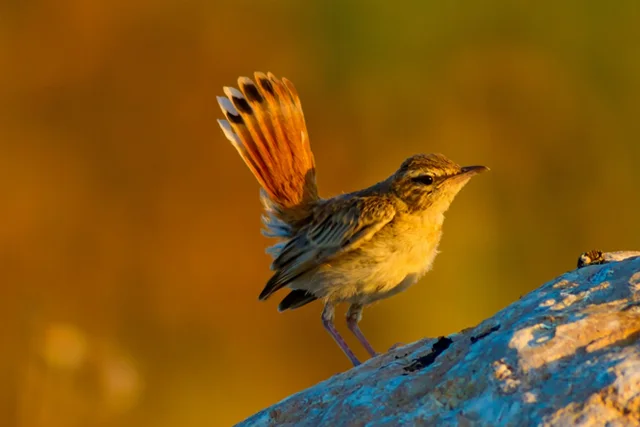
Standing at a modest 14 to 16 cm in length, the Northern Wheatear is a compact and distinctively colored bird. Its plumage is a masterclass in subtle identification, dominated by grey tones on the upperparts and a clean, white underside. During the breeding season, males exhibit a striking black mask that stretches from the lores through the eye to the ear coverts, contrasting sharply with a white supercilium and a pale buff-colored breast. The wings are dark, almost black, which provides a dramatic contrast when the bird is in flight. A key diagnostic feature of the Northern Wheatear is its tail pattern. When the bird flies, it reveals a white rump and a black 'T' shape on the tail, a feature that is unmistakable once learned. Females and juveniles are generally duller, lacking the bold black mask of the breeding male, often displaying more brown and buff tones that provide excellent camouflage against rocky, lichen-covered terrain. Their legs are long and dark, suited for their terrestrial lifestyle, and their bill is thin and sharp, perfectly adapted for snatching insects from the ground.
Habitat
The Northern Wheatear is a bird of open spaces and is rarely found in dense forests or urban centers. Its preferred habitat consists of barren, rocky landscapes, including mountain slopes, alpine meadows, moorlands, and coastal cliffs. These environments provide the necessary visibility for the bird to spot predators and prey alike. Because they are ground-nesting birds, they require areas with crevices, old rabbit burrows, or stone walls where they can safely tuck their nests away from the elements and potential threats. Their distribution is vast, spanning across Europe, Asia, and North America, highlighting their adaptability to various cold-climate environments. During migration, they can be found in more varied open landscapes, such as dunes or heathlands, where they stop to rest and refuel before continuing their arduous journey across continents and oceans.
Diet
As an insectivorous species, the diet of the Northern Wheatear is primarily composed of a wide variety of terrestrial invertebrates. They are agile hunters, often seen hopping across the ground or making short, fluttery flights to snatch prey from the surface. Their menu includes beetles, spiders, ants, caterpillars, and various flies. During the breeding season, when the demand for high-protein food is at its peak to support growing chicks, they become particularly active hunters. In the late summer and autumn, they may supplement their insect-heavy diet with small berries or seeds to help build up the necessary fat reserves required for their extensive migratory flights. Their ability to switch food sources depending on availability is a key factor in their survival across such diverse and often harsh geographic regions.
Breeding and Nesting
The breeding and nesting habits of the Northern Wheatear are deeply tied to their rocky environment. Unlike many other perching birds that build elaborate cup-shaped nests in trees, the Northern Wheatear is a cavity nester. They seek out deep holes in rock piles, crevices in cliffs, or abandoned burrows of small mammals like rabbits. The nest itself is built by both partners, usually constructed from a base of dry grass, moss, and rootlets, and lined with softer materials like feathers, hair, or fine wool. A typical clutch consists of five to six pale blue eggs, which are incubated primarily by the female for about two weeks. Once hatched, both parents work diligently to provide insects to the nestlings. The young birds fledge roughly 15 days after hatching, though they remain dependent on their parents for food for several more weeks as they learn to navigate the terrain and hunt for themselves.
Behavior
The behavior of the Northern Wheatear is characterized by high levels of energy and alertness. They are solitary birds for much of the year, only coming together during the breeding season. One of their most recognizable traits is their 'wheezing' call and their habit of bobbing their tails and dipping their bodies when perched. They are highly territorial during the nesting season and will aggressively defend their chosen patch of ground from intruders. Their flight is typically low and undulating, often ending with a sudden landing on a prominent rock. Despite their small stature, they are incredibly bold and will often approach humans or other animals if they feel their nest is threatened, making them a fascinating subject for behavioral observation in the field.
Conservation Status - LC Least Concern
According to the IUCN Red List, the Northern Wheatear is currently classified as Least Concern. While their global population remains large and stable, they are not immune to environmental threats. Habitat loss, particularly the degradation of moorlands and traditional grazing lands, poses a risk to local populations. Additionally, as long-distance migrants, they are highly sensitive to climate change, which can alter the timing of insect emergence, leading to a mismatch between food availability and the needs of their chicks. Conservation efforts generally focus on maintaining open-landscape habitats and protecting the integrity of their migration corridors across Europe and Africa.
Interesting Facts
- The Northern Wheatear undertakes one of the longest migrations of any songbird, some traveling from the Arctic to sub-Saharan Africa.
- Their name 'Wheatear' has nothing to do with wheat; it is an old English corruption of 'white' and 'arse,' referring to their prominent white rump.
- They are one of the first birds to return to their breeding grounds in the spring, often arriving while snow is still on the ground.
- Males perform elaborate song flights to attract mates, hovering in the air while singing a complex, warbling melody.
- They are capable of colonizing new areas rapidly, which helped them become one of the few bird species to successfully colonize Iceland and Greenland from Europe.
- Despite their small size, they are remarkably tough, capable of surviving harsh weather conditions during their long-distance flights.
Tips for Birdwatchers
For birdwatchers hoping to spot a Northern Wheatear, the best strategy is to head to open, exposed landscapes during the migration seasons of spring and autumn. Look for them on stone walls, fence posts, or large rocks where they can maintain a good vantage point. Because they are ground-feeders, scan the short grass or bare patches of dirt for movement. Bring high-quality binoculars to observe their distinct black-and-white tail patterns in flight, which is the most reliable way to identify them. Patience is key, as they are active and move frequently. Early morning is the best time for observation, as they are most active when hunting for insects. Always maintain a respectful distance to avoid disturbing their hunting or nesting behavior, especially during the breeding season.
Pro-Tip: To spot this bird in dense forest canopy, a 8x42 binoculars or telescope is highly recommended.
- [Check out our top recommended gear here]
Conclusion
The Northern Wheatear is truly a testament to the resilience and wonder of the avian world. From its humble origins in rocky, windswept environments to its epic annual journeys across hemispheres, it remains a captivating species for anyone interested in ornithology. By studying the Northern Wheatear, we gain valuable insights into the complexities of migration, the importance of specific habitat requirements, and the delicate balance of ecosystems that support such long-distance travelers. Whether you are an experienced birder or someone just beginning to appreciate the natural world, the sight of a Northern Wheatear—perched stoically on a rock with its white rump flashing in the sunlight—is a rewarding experience. Protecting the landscapes they depend on, from their northern breeding grounds to their southern wintering sites, is essential to ensuring that future generations can continue to witness the remarkable life of this small, yet mighty bird. As we continue to monitor their populations, let us cherish the Northern Wheatear as a symbol of the interconnectedness of our global environment and the enduring spirit of nature.

200 Follower
is a writer who draws. He’s the Bestselling author of “Number of The Year”. Donec vitae tortor efficitur, convallis lelobortis elit.
Recent Posts




Subscribe For Daily Newsletter