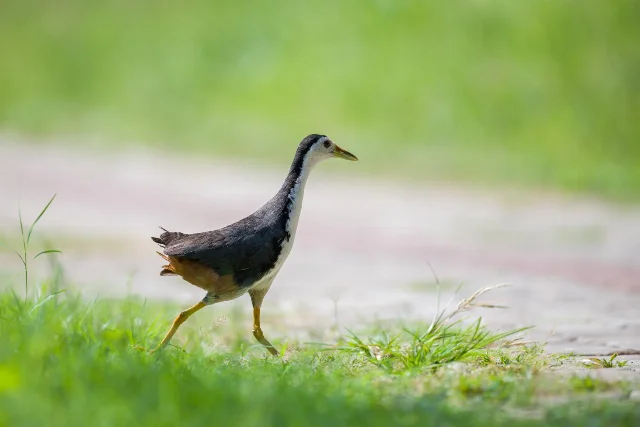
Belted Flycatcher Basic Information
| Scientific Name |
Xenotriccus callizonus
|
| Status |
LC
Least Concern
|
| Size |
14-16 cm (6-6 inch)
|
| Colors |
|
| Type |
|
| Family |
Tyrant-flycatchers |
Introduction
The Belted Flycatcher (Xenotriccus callizonus) is a fascinating and somewhat elusive species of perching bird that captures the interest of ornithologists and birdwatchers alike. Primarily found in the rugged highlands of Central America, this member of the tyrant flycatcher family (Tyrannidae) is known for its distinctive appearance and specialized ecological niche. Although it may not be as widely recognized as some of its more colorful cousins, the Belted Flycatcher plays an essential role in its native ecosystem by regulating insect populations. Understanding this species requires a deep dive into its unique behavioral patterns, specific habitat requirements, and the challenges it faces in an ever-changing environment. As a species often sought after by serious bird enthusiasts, the Belted Flycatcher represents the hidden biodiversity of the neotropical pine-oak forests. Through careful study and conservation efforts, we can ensure that this remarkable bird continues to thrive in its natural highland homes for future generations to observe and enjoy.
Physical Appearance
Standing at a modest size of 14-16 cm, the Belted Flycatcher possesses a classic flycatcher silhouette characterized by an upright posture and a somewhat large, slightly crested head. Its plumage is primarily gray, providing excellent camouflage against the bark and foliage of its preferred forest environments. The underparts are predominantly white, often featuring a distinct, darker chest band—or 'belt'—that gives the species its common name. This gray and white coloration is accented by subtle wing bars, which are vital field marks for identification. The bill is relatively short, dark, and perfectly adapted for snapping up small insects in mid-air. Its eyes are dark and alert, reflecting the bird's constant state of vigilance. While the sexes look quite similar, subtle variations in the intensity of the chest band may exist. The overall structure is compact and sturdy, perfectly suited for a life spent perching on branches and making quick, agile flights to capture prey within the dense canopy layers of the highland forests it calls home.
Habitat
The Belted Flycatcher is a specialist of the highland pine-oak forests of Central America, specifically found in regions of Guatemala and southern Mexico. It typically inhabits areas at elevations ranging from 1,200 to 2,500 meters above sea level. This species prefers the mid-levels of the forest, often frequenting areas with a thick understory and abundant brush. Unlike birds that occupy the high canopy or the forest floor, the Belted Flycatcher thrives in the transition zones where trees are interspersed with shrubs. The presence of mature pine and oak trees is critical for its survival, as these provide the necessary structure for nesting and foraging. Unfortunately, habitat fragmentation due to agricultural expansion and deforestation poses a significant threat to these specific highland environments, making the preservation of these forest corridors vital for the species' long-term persistence.
Diet
As its name suggests, the Belted Flycatcher is an insectivore, relying almost exclusively on a diet of small invertebrates. Its foraging strategy is primarily 'sallying,' where the bird sits quietly on a perch, scanning the surrounding air or foliage for movement. Once an insect is spotted, it darts out with impressive speed to snatch the prey from the air or pluck it from a leaf before returning to its original perch. Its diet includes a variety of flying insects such as gnats, small beetles, flies, and occasionally tiny wasps. During periods of insect abundance, these birds can be quite active, but they remain efficient, conserving energy by minimizing unnecessary movement. This specialized diet links the Belted Flycatcher directly to the health of the insect community within the pine-oak forest, acting as a natural biological control agent in its high-altitude habitat.
Breeding and Nesting
The breeding season of the Belted Flycatcher is timed to coincide with the period of greatest insect abundance, typically occurring between late spring and early summer. These birds are known for their meticulous nest-building, which is usually performed by the female. The nest is a compact, cup-shaped structure constructed from fine plant fibers, moss, lichen, and spider silk, which acts as a binding agent to keep the structure together. It is typically hidden in the fork of a small tree or shrub, often placed at a moderate height to avoid ground predators. Both parents are dedicated to the rearing of the young, with both the male and female sharing responsibilities for feeding the chicks. The clutch size is generally small, usually consisting of two to three eggs. Once the eggs hatch, the parents are incredibly busy, making numerous trips to bring insects to the nestlings, ensuring they grow rapidly before fledging and becoming independent.
Behavior
The Belted Flycatcher is a relatively solitary bird, often seen alone or in pairs during the breeding season. It is known for its quiet, unassuming demeanor, often remaining motionless on a perch for extended periods while watching for prey. Despite its somewhat shy nature, it can be quite territorial, defending its chosen patch of forest against other flycatchers. Its vocalizations are subtle, often consisting of soft, whistled notes that can be difficult to distinguish from other forest sounds. It is not a migratory species in the traditional sense, as it generally remains within its highland range throughout the year, making local movements only if weather conditions or food availability dictate. This sedentary lifestyle makes it highly dependent on the stability of its local environment.
Conservation Status
-
LC
Least Concern
The Belted Flycatcher is currently classified as a species of concern, largely due to its restricted range and the ongoing loss of the highland pine-oak forests it inhabits. Because it is highly specialized and does not adapt well to degraded habitats or urban environments, any reduction in forest cover directly impacts its population numbers. Conservation efforts are currently focused on protecting existing forest fragments and establishing biological corridors that allow the birds to move safely between patches of suitable habitat. Monitoring programs are essential for understanding population trends and ensuring that this unique avian species does not face the threat of extinction in the coming decades.
Interesting Facts
- The Belted Flycatcher is named for the distinct, dark band across its chest.
- It is endemic to the highlands of Central America, specifically Mexico and Guatemala.
- The species belongs to the genus Xenotriccus, which contains only two known species.
- They are master ambush predators, waiting patiently on perches for unsuspecting insects.
- Their nests are architectural marvels, held together by sticky spider silk.
- They are rarely seen at lower elevations, preferring the cool air of high-altitude forests.
- The bird's plumage provides near-perfect camouflage against the gray bark of pine trees.
Tips for Birdwatchers
To successfully spot the Belted Flycatcher, birdwatchers should head to the pine-oak highlands of Guatemala or southern Mexico during the early morning hours when insect activity—and thus bird activity—is at its peak. Because this bird is small and has cryptic coloration, patience is your best tool. Focus your binoculars on the mid-story of the forest, particularly where there is a mix of pine and oak foliage. Listen carefully for soft, whistled calls, as these are often the first indication that a bird is nearby. Avoid sudden movements, as these birds can be skittish. Using a high-quality field guide for Neotropical birds will help you distinguish this species from other similar-looking flycatchers that share its range. Consider hiring a local guide who knows the specific patches where this bird is known to reside, as local knowledge significantly increases your chances of a successful sighting.
Conclusion
The Belted Flycatcher stands as a testament to the incredible biodiversity hidden within the highland forests of Central America. As a specialized insectivore, it serves as a vital component of its ecosystem, yet its limited range and habitat requirements make it particularly vulnerable to environmental changes. Through this exploration, we have seen that the Belted Flycatcher is not just a bird, but a symbol of the fragile balance found in high-altitude habitats. Protecting this species requires a concerted effort to preserve the pine-oak forests that provide its food, shelter, and breeding grounds. For birdwatchers, encountering this elusive flycatcher is a rewarding experience that highlights the importance of patience and observational skill. As we move forward, it is our responsibility to support conservation initiatives that ensure the survival of the Belted Flycatcher and the many other species that share its unique environment. By valuing and protecting these avian treasures, we contribute to the broader goal of maintaining a healthy, functioning planet where biodiversity can thrive. Let us continue to study, appreciate, and defend these remarkable creatures for the benefit of nature and future generations of bird enthusiasts worldwide.
Belted Flycatcher Distribution Map & Range
The distribution map for this species will be available soon.
We are working with our official data partners to update this information.