Lesser Wagtail-tyrant Distribution Map & Range
The distribution map for this species will be available soon.
We are working with our official data partners to update this information.

Sign in with your Google account to access all features


| Scientific Name | Stigmatura napensis |
|---|---|
| Status | LC Least Concern |
| Size | 9-10 cm (4-4 inch) |
| Colors |
Gray
White
|
| Type |
Perching Birds

|
| Family | Tyrant-flycatchers |
The Lesser Wagtail-tyrant (Stigmatura napensis) is a fascinating and often elusive member of the Tyrannidae family. Belonging to the group of perching birds, this species is known for its distinct behavior and specific ecological requirements within its South American range. While it may not be as widely recognized as some of the more colorful tropical birds, its subtle beauty and specialized niche make it a subject of great interest for ornithologists and birdwatchers alike. These birds are primarily found in specific habitats near river systems and floodplains, where their presence is often betrayed by their sharp, repetitive calls rather than their visual appearance. Understanding the Lesser Wagtail-tyrant requires a deep dive into the complex ecosystems of the Amazon and surrounding river basins. As we explore the various aspects of this species, from its physical characteristics to its intricate breeding habits, we gain a better appreciation for the biodiversity of the neotropics. This guide provides a comprehensive overview of Stigmatura napensis, helping enthusiasts identify and understand this remarkable perching bird in its natural environment.
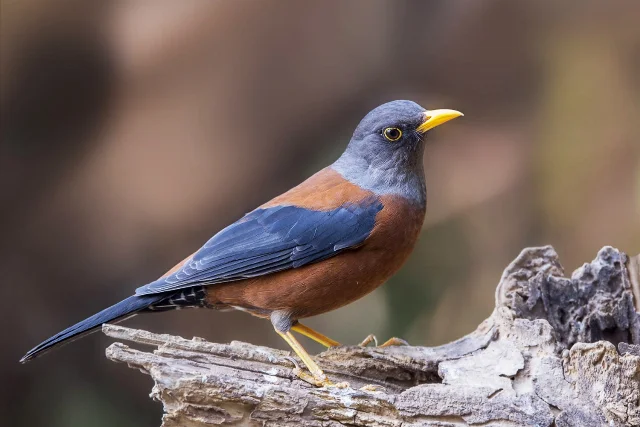
Measuring between 9 and 10 centimeters, the Lesser Wagtail-tyrant is a small, compact bird that exhibits a refined aesthetic suited to its environment. The primary color of the plumage is a soft, muted gray, which provides excellent camouflage against the foliage and bark of the riverside trees it frequents. Complementing this base color are distinct white markings, particularly around the eye-ring, throat, and wing bars, which create a striking contrast. The bird possesses a slender build, often holding its tail in a way that gives it a wagging appearance—a trait that earned it its common name. Its bill is relatively thin and pointed, perfectly adapted for snatching small insects from leaves and twigs. The legs are slender, allowing it to navigate the dense, tangled vegetation of its habitat with agility. When observed in the wild, the bird's silhouette is characterized by its upright posture, typical of many tyrant flycatchers, though it maintains a more active, restless movement pattern. The subtle interplay of grays and whites, combined with its diminutive size, makes it a subtle yet elegant subject for those who take the time to observe it closely.
The Lesser Wagtail-tyrant is strongly associated with riparian habitats, particularly those found along the Amazon and its major tributaries. These birds are rarely found far from water, preferring the dense, scrubby vegetation of river islands, flooded forests, and the edges of tropical woodlands. They demonstrate a strong preference for areas with thickets and tangled vines, which provide them with both protection from predators and an abundance of insect prey. Their reliance on these specific riverine ecosystems makes them sensitive to changes in water levels and habitat destruction. By staying within the canopy or mid-story of river-edge vegetation, they remain hidden from casual observers while maintaining access to their preferred hunting grounds.
As a member of the tyrant flycatcher family, the Lesser Wagtail-tyrant is primarily an insectivore. Its diet consists of a wide variety of small arthropods, including spiders, beetles, flies, and caterpillars. It employs an active foraging strategy, frequently hopping along branches and foliage to flush out prey. Once an insect is detected, the bird makes short, rapid sallies to snatch its meal from the air or directly from a leaf surface. This energetic hunting style is essential for meeting its metabolic needs. During the breeding season, the availability of high-protein insects is crucial for the successful rearing of their young, highlighting the bird's dependency on healthy, insect-rich riparian habitats.
The breeding biology of the Lesser Wagtail-tyrant is a testament to the bird's adaptability within its specialized habitat. These birds typically construct small, cup-shaped nests hidden deep within the dense foliage of riverine thickets. The nest is meticulously built using fine twigs, plant fibers, and spider silk, which helps bind the structure securely to the supporting branches. Both the male and female participate in the process of gathering materials and defending the territory surrounding the nest. Once the nest is complete, the female typically lays a small clutch of eggs. The incubation period is relatively short, and both parents share the responsibility of feeding the nestlings once they hatch. This cooperative effort ensures that the young receive a constant supply of food, which is vital for their rapid development in the high-competition environment of the riverbanks.
Behaviorally, the Lesser Wagtail-tyrant is highly active and frequently displays a restless demeanor. It is rarely still for long, constantly moving through the branches in search of food or patrolling its territory. One of its most distinctive behaviors is its vocalization; it produces a sharp, rhythmic series of notes that can be heard over the sound of moving water. These calls are essential for maintaining contact with a mate or signaling territory boundaries to other members of the species. They are generally solitary or found in pairs, rarely forming large flocks. Their ability to maneuver through thick, tangled vegetation with speed and precision is one of their most impressive traits.
The Lesser Wagtail-tyrant is currently listed as a species of Least Concern by major conservation organizations. However, this does not mean it is immune to threats. Its dependence on specific riverine and riparian habitats makes it vulnerable to large-scale environmental changes, such as deforestation, dam construction, and the degradation of river island ecosystems. Monitoring the population trends of this bird is important, as it serves as an indicator of the health of the Amazonian river corridors. Maintaining protected areas along major river systems is vital to ensure the long-term survival of this species.
For birdwatchers hoping to spot the Lesser Wagtail-tyrant, patience and preparation are key. The best approach is to focus on riparian zones, specifically river islands or the edges of flooded forests where the vegetation is dense and tangled. Using high-quality binoculars is essential, as the bird's small size and muted gray colors can make it difficult to distinguish from the surrounding shadows. It is highly recommended to learn their specific vocalizations before heading into the field, as hearing them is often the first and only way to locate them. Once a call is heard, remain still and scan the mid-level foliage. Early morning is the best time for observation, as the birds are most active when foraging for their first meal of the day. Remember to respect the fragile riverine environment and keep noise to a minimum to avoid disturbing these elusive birds.
The Lesser Wagtail-tyrant (Stigmatura napensis) is a remarkable example of nature's specialization. While it may lack the vibrant plumage of many other tropical species, its subtle beauty and complex behavioral adaptations make it a captivating subject for any serious observer of avian life. From its reliance on the dynamic riverine ecosystems of the Amazon to its energetic hunting style and dedicated parental care, this bird embodies the resilience and diversity of the neotropical region. As we continue to learn more about this perching bird, we are reminded of the importance of preserving the unique habitats that support such specialized life forms. Whether you are a seasoned ornithologist or a casual birdwatcher, the Lesser Wagtail-tyrant offers a rewarding challenge and a deeper insight into the intricate web of life found along the world's great river systems. Protecting these areas not only ensures the survival of the Lesser Wagtail-tyrant but also safeguards the countless other species that call these vibrant, watery corridors their home. By valuing and understanding these small, often overlooked birds, we contribute to a broader appreciation for the fragile balance of our natural world.
We are working with our official data partners to update this information.
Tag:

Birds have their own beautiful world, we should not interfere in it. We should enjoy this beauty. Its beauty should be captured in the camera but be careful not to disturb them.
Tap a language to switch instantly.
Tap a language to switch instantly.