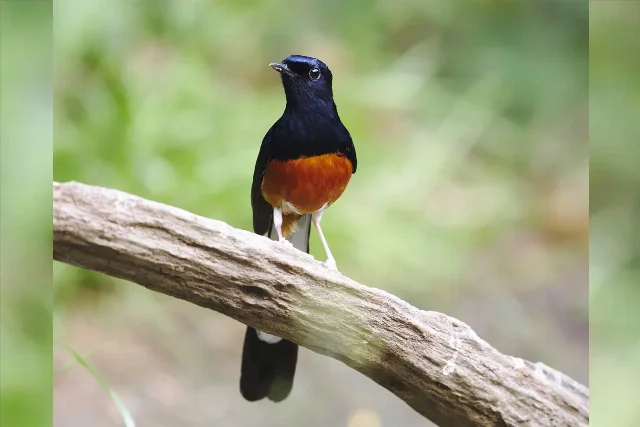
Large-headed Flatbill Basic Information
| Scientific Name |
Ramphotrigon megacephalum
|
| Status |
LC
Least Concern
|
| Size |
14-15 cm (6-6 inch)
|
| Colors |
|
| Type |
|
| Family |
Tyrant-flycatchers |
Introduction
The Large-headed Flatbill (Ramphotrigon megacephalum) is a fascinating and somewhat elusive species within the diverse family of tyrant flycatchers. Known for its distinctively robust head and specialized plumage, this perching bird is a jewel of the Neotropical forests. Ornithologists often find this species intriguing due to its subtle coloration and specific ecological requirements, which make it a highly sought-after sighting for dedicated birdwatchers exploring the dense understories of South America. Despite its relatively small size, the bird commands attention through its unique vocalizations and methodical foraging style. Understanding the Large-headed Flatbill requires a deep dive into its complex relationship with its environment, as it relies heavily on specific forest structures to thrive. This guide provides a comprehensive overview of this remarkable avian species, covering everything from its physical characteristics and dietary habits to its specialized nesting behaviors and the current conservation challenges it faces in an ever-changing landscape.
Physical Appearance
Measuring approximately 14 to 15 centimeters in length, the Large-headed Flatbill is characterized by a compact, sturdy build that perfectly suits its name. Its plumage is primarily a rich, earthy olive tone, which provides excellent camouflage against the foliage of the rainforest canopy and mid-story layers. This primary coloration is beautifully complemented by vibrant yellow accents, typically found on the underparts and wing bars, creating a striking contrast that is often only visible in specific lighting conditions. The most prominent feature of this bird is its disproportionately large, flattened bill, which is a specialized tool for its insectivorous diet. Its eyes are large and expressive, often framed by subtle markings that enhance its alert appearance. The tail is relatively short, and the wings are rounded, reflecting its adaptation for short, agile flights within thick vegetation. Overall, the bird possesses a subtle elegance that rewards the careful observer who takes the time to look past the dense canopy layers.
Habitat
The Large-headed Flatbill is primarily a denizen of humid lowland forests and dense tropical woodlands. It exhibits a strong preference for areas with complex understory vegetation, particularly near bamboo thickets or areas with dense vine tangles. These birds are rarely found in open spaces, as they rely heavily on the cover provided by the mid-story canopy to remain hidden from predators. Their distribution spans across several South American countries, where they favor primary forests that have remained undisturbed. The presence of specific micro-habitats, such as areas with high humidity and abundant epiphytes, is crucial for their survival, as these environments support the specific insect populations they depend on for sustenance throughout the year.
Diet
As a specialized member of the tyrant flycatcher family, the Large-headed Flatbill subsists almost entirely on an insectivorous diet. It is an opportunistic hunter, using its broad, flat bill to snatch prey directly from leaves, bark, or mid-air. Its hunting technique involves short, rapid flights from a concealed perch to capture a variety of arthropods, including beetles, spiders, and small caterpillars. Occasionally, it may consume small fruits or berries when insect abundance fluctuates, but its primary strategy remains focused on protein-rich invertebrates. The bird's ability to remain motionless for long periods before darting out to snatch an insect makes it a highly efficient predator within its dense forest domain.
Breeding and Nesting
Breeding habits of the Large-headed Flatbill are as specialized as its foraging techniques. These birds are known for their unique approach to nesting, often utilizing pre-existing cavities in trees or bamboo stems rather than constructing traditional open cup nests. By selecting natural hollows, they provide their offspring with significant protection from both environmental elements and various nest predators. The female typically takes the lead in nest preparation, lining the interior with soft moss, fibers, and spider silk to ensure a comfortable environment for the eggs. The nesting season is usually timed to coincide with the period of peak insect abundance, ensuring that the parents can provide the necessary nutrition for their rapidly developing chicks. Both parents share the responsibilities of feeding the brood, demonstrating a coordinated effort that is essential for the survival of the young in the competitive rainforest environment.
Behavior
The Large-headed Flatbill is recognized for its somewhat secretive and solitary nature. It is not typically seen in large flocks, preferring to forage alone or in pairs within the dense forest mid-story. Its behavior is characterized by a mix of long periods of stillness and sudden, explosive bursts of activity when pursuing prey. Vocalizations are a key component of their communication, though they are often described as subtle and easily overlooked by the untrained ear. They are highly territorial, often defending small patches of forest against intruders of their own species through persistent calling and agile flight displays. Their ability to blend seamlessly into the green backdrop of the forest makes them masters of concealment.
Conservation Status
-
LC
Least Concern
The conservation status of the Large-headed Flatbill is currently classified as of Least Concern, though this does not mean the species is free from threat. Like many Neotropical birds, it faces significant risks from habitat loss and fragmentation caused by deforestation and agricultural expansion. Because this species requires specific, undisturbed forest structures to survive, the degradation of primary woodlands directly impacts its population stability. Protecting these forest corridors is essential for ensuring that the Large-headed Flatbill continues to thrive in its natural range, as it is highly sensitive to changes in its micro-environment.
Interesting Facts
- The name 'Large-headed' refers to its proportionally wide, flat skull structure.
- It is an expert at navigating through dense bamboo thickets where other birds struggle.
- The bird's bill shape is an evolutionary adaptation for 'gleaning' insects from leaves.
- It rarely ventures into the canopy tops, preferring the safety of the mid-story.
- Its olive coloration acts as a perfect camouflage in low-light forest environments.
- These birds are known to be quite vocal during the dawn chorus in certain regions.
Tips for Birdwatchers
For birdwatchers hoping to spot the Large-headed Flatbill, patience and specialized equipment are key. Because this species is highly elusive and prefers dense cover, using high-quality binoculars and learning to recognize its subtle vocalizations are essential. Focus your efforts on the mid-story of humid forests, particularly areas with dense bamboo or tangled vines. The best time to observe them is during the early morning hours when they are most active and vocal. Avoid rapid movements, as these birds are easily startled by sudden changes in their environment. If you know their specific call, playing it sparingly may help locate an individual, but always prioritize ethical birding practices to avoid stressing the birds during their critical breeding or feeding times.
Conclusion
The Large-headed Flatbill stands as a testament to the incredible diversity and specialization found within the avian world of the Neotropics. From its unique, broad-billed morphology to its specialized nesting strategies and elusive behavior, this bird offers a wealth of knowledge for those willing to study it closely. While it may not be the most brightly colored or easily visible bird in the forest, its quiet presence is an integral part of the ecosystem, highlighting the intricate connections between fauna and habitat. As we continue to face the challenges of global biodiversity loss, species like the Large-headed Flatbill serve as important reminders of the need for robust conservation efforts focused on preserving primary forest habitats. By fostering a deeper appreciation for such specialized species, we contribute to the broader goal of protecting the delicate balance of our planet's wild spaces. Whether you are a professional ornithologist or a passionate birdwatcher, the quest to observe and understand the Large-headed Flatbill is a rewarding endeavor that connects us more deeply to the natural world. May your future excursions into the rainforest be filled with the excitement of catching a glimpse of this remarkable, hidden gem of the understory.
Large-headed Flatbill Distribution Map & Range
The distribution map for this species will be available soon.
We are working with our official data partners to update this information.