Plain-flanked Rail Basic Information
| Scientific Name |
Rallus wetmorei
|
| Status |
EN
Endangered
|
| Size |
20-23 cm (8-9 inch)
|
| Colors |
|
| Type |
|
| Family |
Rails, Gallinules, Coots |
Introduction
The Plain-flanked Rail (Rallus wetmorei) is one of the most enigmatic and poorly understood bird species within the Rallidae family. Endemic to the coastal regions of northern Venezuela, this elusive wader occupies a very restricted range, making it a highly sought-after species for dedicated ornithologists and birdwatchers. As a member of the genus Rallus, it shares many behavioral characteristics with its relatives, yet it possesses a distinct evolutionary history that has adapted it perfectly to the specific saline and brackish environments of the Caribbean coast. Despite its biological significance, the Plain-flanked Rail remains critically under-studied, largely due to its secretive nature and the challenging, dense mangrove habitats it calls home. Protecting this species is paramount for maintaining the biodiversity of Venezuelan wetlands, which serve as vital ecosystems for numerous migratory and resident avian species. Understanding the life cycle and ecological requirements of the Plain-flanked Rail is an essential step in preventing its potential extinction in the wild.
Physical Appearance
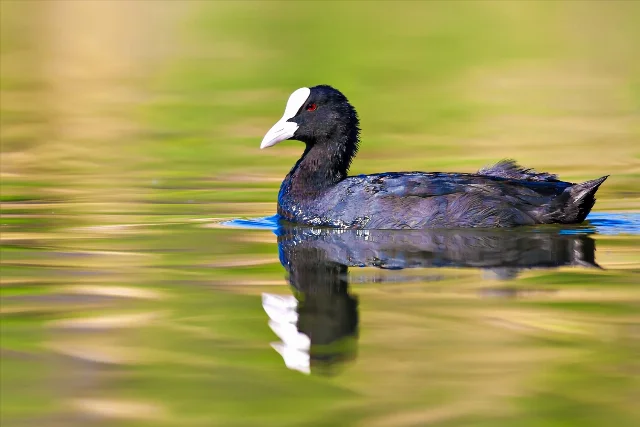
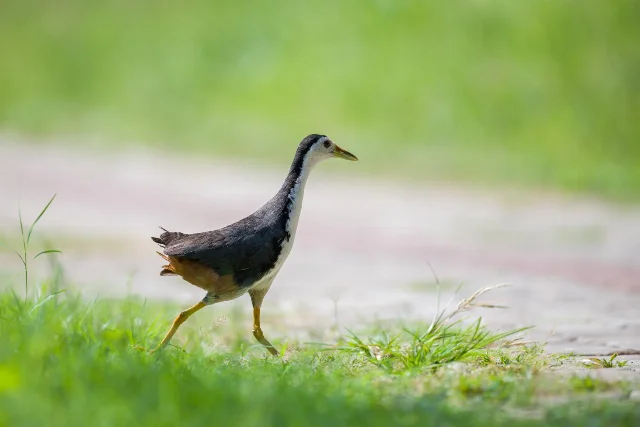
Standing approximately 20 to 23 centimeters in length, the Plain-flanked Rail is a medium-sized, compact wader characterized by a subtle yet sophisticated plumage pattern. Its primary coloration is a mottled, earthy brown across the upperparts, which provides excellent camouflage against the mud and vegetation of its marshy habitat. The underparts display a distinct grey coloration, particularly around the throat and chest area, which transitions into the flanks. Contrary to what its name might suggest, the flanks do not exhibit the heavy barring found in many other rail species, which is a key diagnostic feature for identification. The bird possesses a relatively long, slightly decurved bill, which is perfectly adapted for probing into soft substrates to locate invertebrate prey. Its legs are strong and relatively long, facilitating movement through dense reeds and shallow water. The eyes are typically a vibrant reddish-brown, providing a sharp contrast to its otherwise muted, cryptic coloration, which helps it blend seamlessly into the shadows of the mangrove understory.
Habitat
The Plain-flanked Rail is highly specialized, primarily inhabiting the coastal mangrove forests and brackish marshes of northern Venezuela. These environments are characterized by complex root systems and fluctuating water levels, which create the perfect sanctuary for such a secretive bird. They are most frequently associated with areas where mangrove vegetation meets salt marshes or coastal lagoons. The density of the vegetation provides essential protection from predators, while the soft, nutrient-rich mud at the base of the mangroves serves as a primary foraging ground. Because of their strict reliance on these specific coastal ecosystems, they are highly vulnerable to habitat degradation and coastal development, which threaten to shrink their already limited range further.
Diet
As a specialized wader, the Plain-flanked Rail feeds primarily on a variety of small invertebrates found in the mud and shallow waters of its coastal habitat. Its diet consists largely of crustaceans, such as small crabs and shrimp, as well as various types of mollusks and insect larvae. The bird uses its slender, sensitive bill to probe deep into the moist substrate, detecting prey through touch rather than sight. Occasionally, it may also consume small amounts of aquatic plant matter or seeds, but it is predominantly carnivorous. This feeding behavior is generally performed in the quiet, sheltered areas of the marsh, often under the cover of dense vegetation to avoid detection by potential predators.
Breeding and Nesting
Breeding habits of the Plain-flanked Rail are notoriously difficult to observe due to the extreme secrecy the birds maintain during the nesting period. It is understood that they build shallow, cup-shaped nests constructed from woven reeds, grasses, and mangrove twigs, typically positioned just above the waterline in dense, secluded vegetation. These nests are designed to be well-hidden and protected from high tides. While specific data on clutch size and incubation periods remains limited for this species, it is believed that both parents contribute to the care of the chicks. The precocial nature of the young allows them to leave the nest relatively soon after hatching, following their parents into the dense cover of the marsh to forage and evade threats until they are fully fledged.
Behavior
The Plain-flanked Rail is a highly cryptic and shy bird, exhibiting behaviors that prioritize stealth and concealment above all else. They are primarily crepuscular, meaning they are most active during the dim light of dawn and dusk, which helps them avoid diurnal predators. When threatened, they are more likely to freeze or retreat silently into the thickest mangrove roots than to take flight. Their vocalizations are rarely heard, consisting of soft, guttural calls that are easily lost in the sound of the wind or waves. They move with a deliberate, slow gait when foraging, but are capable of remarkably quick bursts of speed when navigating through dense reed beds or escaping danger.
Conservation Status
-
EN
Endangered
The Plain-flanked Rail is currently classified as a species of high conservation concern, primarily due to its restricted geographical range and the ongoing destruction of its fragile mangrove habitat. Anthropogenic pressures, including coastal development, pollution, and the conversion of wetlands into shrimp farms, pose significant threats to their long-term survival. Because the population is small and fragmented, any further loss of habitat could have catastrophic consequences for the species. Current conservation efforts are focused on identifying key habitats for protection and promoting local awareness to mitigate the impact of human activities on these sensitive coastal zones.
Interesting Facts
- The Plain-flanked Rail is endemic to a very small region in northern Venezuela, meaning it is found nowhere else on Earth.
- Its name is slightly misleading, as it lacks the bold barring on the flanks that is common in many other rail species.
- They are master ventriloquists, often making their soft calls difficult to locate in the dense mangrove environment.
- Their specialized bill allows them to probe deep into the mud to find hidden crustaceans that other birds cannot reach.
- They are considered one of the most difficult birds to spot in Venezuela, making them a 'holy grail' for many birdwatchers.
- The species was named in honor of the American ornithologist Alexander Wetmore.
Tips for Birdwatchers
Birdwatching for the Plain-flanked Rail requires immense patience and a high tolerance for difficult terrain. To increase your chances, visit known coastal mangrove sites in Venezuela during the very early morning or late afternoon hours when the birds are most active. Utilize a high-quality pair of binoculars and, if possible, a spotting scope to scan the edges of the vegetation without encroaching too close. It is crucial to remain as still and quiet as possible, as these birds are extremely sensitive to movement and noise. Wearing camouflage clothing and using a bird blind can significantly improve your chances of observing them without causing disturbance. Always respect the habitat and avoid playing recorded calls, as this can cause unnecessary stress to the individuals.
Conclusion
In conclusion, the Plain-flanked Rail (Rallus wetmorei) serves as a poignant reminder of the fragility of specialized ecosystems. As a species restricted to the unique mangrove environments of northern Venezuela, its existence is inextricably linked to the health of our coastal wetlands. While its elusive nature and cryptic appearance make it a challenging subject for study, the effort to understand and protect this bird is vital. Through continued research, dedicated conservation efforts, and responsible ecotourism, there is hope that this remarkable wader will persist for generations to come. Birdwatchers, scientists, and local communities must work in concert to ensure that the habitats the Plain-flanked Rail depends upon are preserved from encroachment and degradation. By valuing the biodiversity of our coastal regions and supporting habitat protection, we contribute to the survival of not just the Plain-flanked Rail, but the entire complex ecosystem that supports it. Ultimately, the story of this bird is a call to action for the preservation of the wild, untamed places that remain on our planet.
Plain-flanked Rail Distribution Map & Range
The distribution map for this species will be available soon.
We are working with our official data partners to update this information.