
Not available
Virginia Rail
Rallus limicola
Last update: 05 May 2026
Read in:
English
Español
Português
हिन्दी
বাংলা
தமிழ்
മലയാളം
मराठी
ગુજરાતી
తెలుగు
French
Deutsch
Русский
日本語
简体中文
Italiano
Tiếng Việt
العربية
ಕನ್ನಡ
ਪੰਜਾਬੀ
Virginia Rail Basic Information
| Scientific Name | Rallus limicola |
|---|---|
| Status | LC Least Concern |
| Size | 20-27 cm (8-11 inch) |
| Colors |
Brown
Grey
|
| Type |
Waders

|
| Family | Rails, Gallinules, Coots |
Introduction
The Virginia Rail (Rallus limicola) is one of the most enigmatic inhabitants of North America's freshwater marshes. As a member of the Rallidae family, this bird is known for its incredible ability to remain hidden within dense vegetation, making it a prized sighting for any dedicated ornithologist or birdwatcher. Despite being widespread across the continent, these birds are much more often heard than seen. Their presence is usually signaled by a series of grunting, rhythmic calls that echo through the reeds during dawn and dusk. The Virginia Rail is a classic example of a species that has evolved perfectly to thrive in challenging, semi-aquatic environments. By studying their habits, we gain a deeper understanding of the complex ecosystems that support wetland biodiversity. This guide explores every facet of the Virginia Rail, from its unique physical adaptations to its complex breeding behaviors, providing a comprehensive overview for those looking to learn more about this elusive marsh dweller.
Physical Appearance
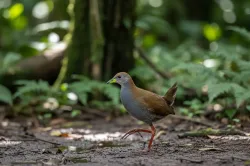
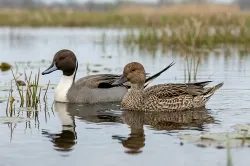
The Virginia Rail is a small, compact wading bird, measuring approximately 20-27 cm in length. Its body is laterally compressed, an evolutionary adaptation that allows it to navigate seamlessly through thick marsh grasses and reeds without getting snagged. The primary coloration of the bird is a warm, rich brown, which provides excellent camouflage against the dead vegetation of its habitat. This is contrasted by a striking grey patch on the cheeks and face. One of the most distinctive features of the Virginia Rail is its long, slightly decurved, reddish-orange bill. This specialized tool is perfectly suited for probing soft mud and shallow water for prey. Its eyes are a deep, piercing red, adding to its intense appearance. The wings are relatively short and rounded, and the tail is frequently flicked upward as the bird walks. Juvenile birds look similar to adults but often have more muted colors and downy feathers that transition into the sleek, patterned plumage seen in mature individuals, ensuring they blend into the environment from a young age.
Habitat
The Virginia Rail is found exclusively in freshwater marshes, including cattail beds, sedge meadows, and swampy thickets. They require dense, emergent vegetation to provide both shelter from predators and a substrate for nesting. Unlike many other waterbirds, they prefer habitats with shallow water, often moving through mudflats and saturated soil. These birds are highly sensitive to habitat loss, as they rely on specific water levels to maintain the vegetation density they require. You will find them across much of North America, from the Atlantic coast to the Pacific, often occupying the same wetlands as other rail species. Their habitat must remain undisturbed to ensure their secretive lifestyle remains protected from human encroachment and environmental degradation.
Diet
As an opportunistic omnivore, the Virginia Rail consumes a varied diet primarily consisting of aquatic invertebrates. Their long, slender bills are perfectly adapted for probing into the mud to capture earthworms, snails, crayfish, and various insect larvae. They are also known to eat aquatic beetles, dragonflies, and spiders. During the non-breeding season or when invertebrate populations are low, they supplement their diet with seeds from aquatic plants and occasionally small fish or amphibians. Because they forage by feel and by sight in the dark, dense mud, they are incredibly efficient hunters. Their ability to switch between animal and plant matter makes them resilient in fluctuating wetland environments, ensuring they can survive throughout the diverse seasons of their range.
Breeding and Nesting
Breeding for the Virginia Rail typically occurs in the spring, once the ice has melted and vegetation begins to sprout. Both the male and female participate in building a platform nest, which is constructed from dead reeds and grasses woven together to stay just above the water level. The nest is often hidden deep within thick, tall vegetation to protect it from avian and terrestrial predators. A typical clutch consists of 5 to 13 eggs, which are creamy white with light brown or purple speckles. Both parents share incubation duties, which last about 18 to 20 days. Once the chicks hatch, they are precocial, meaning they are active and able to leave the nest shortly after birth. The parents continue to feed and guide the young through the marsh until they are fully fledged and capable of independent survival, showcasing a high level of parental investment.
Behavior
The Virginia Rail is a notoriously secretive and shy bird. They are primarily crepuscular, meaning they are most active during the twilight hours of dawn and dusk. When threatened, they prefer to run or swim through dense vegetation rather than fly. In fact, their flight is often described as weak and clumsy, and they generally only take to the air for short distances or during migration. Their vocalizations are their most prominent behavioral trait; the "tick-it" call is a common sound in marshes. They are also territorial, with males frequently defending their nesting grounds against intruders through aggressive displays, including puffing their feathers and vocalizing loudly to establish their boundaries.
Conservation Status - LC Least Concern
The Virginia Rail is currently listed as a species of Least Concern by the IUCN, though their populations face significant threats from habitat loss. Wetlands across North America are frequently drained for agricultural or urban development, directly reducing the available breeding and foraging grounds for these birds. Furthermore, pollution and invasive plant species can alter the structure of their marsh habitats. While they remain relatively widespread, local populations are vulnerable, and conservation efforts focused on protecting and restoring freshwater wetlands are essential to ensuring the long-term survival of this species.
Interesting Facts
- The Virginia Rail can compress its body to fit through tiny gaps in reeds.
- They possess a long, red bill that is highly sensitive to vibrations in the mud.
- Despite their small size, they are capable of long-distance migration during the winter months.
- Virginia Rails are much more often heard calling from the reeds than they are actually seen.
- They use their tails to signal alarm, flicking them upward when they sense a potential threat.
- Their chicks are covered in black down and have tiny, white bills at birth.
- They are known to be surprisingly aggressive when defending their nesting territory from other rails.
Tips for Birdwatchers
To spot a Virginia Rail, patience is your greatest asset. Visit freshwater marshes at dawn or dusk when these birds are most vocal. Use a high-quality pair of binoculars and stay absolutely still near the edge of a reed bed. Instead of looking for the bird directly, listen for their distinct grunting calls and focus your attention on the base of the vegetation where they often forage. Playing a recorded call can sometimes entice a bird to respond or move closer, but use this method sparingly to avoid stressing the birds. Wearing camouflage clothing can also help you blend into the environment, increasing your chances of observing these masters of disguise in their natural habitat without startling them.
Pro-Tip: To spot this bird in dense forest canopy, a 8x42 binoculars or telescope is highly recommended.
- [Check out our top recommended gear here]
Conclusion
The Virginia Rail is a remarkable species that exemplifies the wonders of the avian world. While they may not be as flashy as songbirds or as imposing as raptors, their unique adaptations and secretive nature make them a fascinating subject for any bird enthusiast. By understanding their preference for dense marshes, their specialized diet, and their complex breeding rituals, we can better appreciate the importance of wetland conservation. These birds serve as indicators of the health of our freshwater systems; where the Virginia Rail thrives, the ecosystem is likely functioning with the complexity and biodiversity it requires. As you head into the field, remember that observing a rail is as much about listening as it is about looking. Patience, respect for their habitat, and a keen ear will reward you with a glimpse of one of nature's most elusive creatures. Let us continue to protect the marshes that provide a home to the Virginia Rail, ensuring that future generations can also experience the thrill of hearing their rhythmic call rising from the reeds at dawn.
Tag:

200 Follower
is a writer who draws. He’s the Bestselling author of “Number of The Year”. Donec vitae tortor efficitur, convallis lelobortis elit.
Recent Posts




Subscribe For Daily Newsletter