Not available
Slender-billed Gull
Larus genei
Last update: 05 Mar 2026
Read in:
English
Español
Português
हिन्दी
বাংলা
தமிழ்
മലയാളം
मराठी
ગુજરાતી
తెలుగు
French
Deutsch
Русский
日本語
简体中文
Italiano
Tiếng Việt
العربية
ಕನ್ನಡ
ਪੰਜਾਬੀ
Slender-billed Gull Basic Information
| Scientific Name | Larus genei |
|---|---|
| Status | LC Least Concern |
| Size | 37-45 cm (15-18 inch) |
| Colors |
White
Grey
|
| Type |
Seabirds

|
| Family | Gulls, Terns, Skimmers |
Introduction
The Slender-billed Gull, scientifically known as Larus genei, is a fascinating member of the Laridae family, primarily recognized for its elegant appearance and specialized ecological niche. Often confused with the more common Black-headed Gull, this species distinguishes itself through its unique proportions and distinct behavioral patterns. These seabirds are largely migratory, breeding across a fragmented range that spans from the Mediterranean basin through the Middle East and into parts of Central Asia. As a social species, they are often found in large, noisy colonies, particularly during the breeding season. Their presence in coastal wetlands, salt marshes, and lagoons highlights their adaptability to brackish and saline environments. Understanding the Slender-billed Gull requires a deep dive into its life history, as it serves as a vital indicator species for the health of the aquatic ecosystems it inhabits. With a population that faces various environmental pressures, conservation efforts are crucial to ensuring these graceful flyers continue to grace our coastal horizons for generations to come.
Physical Appearance
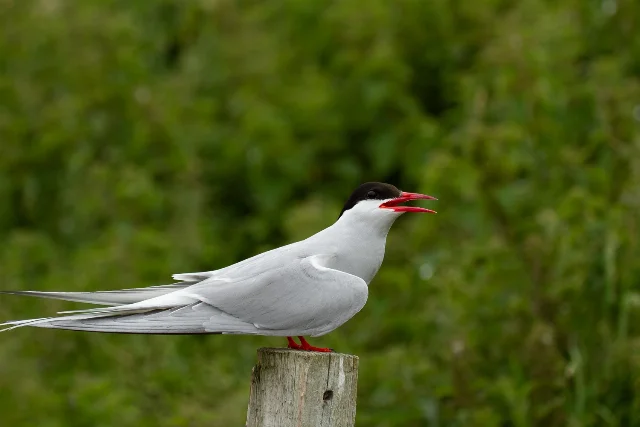
Standing between 37 and 45 centimeters in length, the Slender-billed Gull possesses a distinctive silhouette that separates it from its cousins. Its most striking physical feature is its long, slender, dark red bill, which gives the species its common name. The bird's plumage is primarily white, with a subtle, pale grey mantle and upper wings that contrast beautifully with the darker flight feathers. During the breeding season, adults may exhibit a delicate pinkish flush on their underparts, adding to their aesthetic appeal. Unlike many other gulls, the Slender-billed Gull lacks a dark hood, instead showing a clean white head with a dark spot behind the eye, especially during the non-breeding phase. Their legs are a vibrant red, matching the hue of their bill. In flight, the wings show a clear white leading edge, making them relatively easy to identify for experienced birdwatchers. The overall impression is one of refinement and grace, perfectly adapted for long-distance flights and efficient foraging in shallow, nutrient-rich coastal waters.
Habitat
The Slender-billed Gull is a quintessential bird of the wetlands, showing a strong preference for saline and brackish environments. They are most frequently encountered in coastal lagoons, expansive salt pans, estuaries, and inland salt lakes. These habitats provide the necessary shallow water conditions that allow the gull to forage effectively. During the breeding season, they seek out isolated, undisturbed islands within these wetlands, often nesting on bare ground or sparse vegetation where they can maintain a clear view of their surroundings. Their reliance on specific hydrological conditions makes them highly sensitive to changes in water levels and salinity, which are often influenced by seasonal weather patterns and human-managed water infrastructure in their native ranges across the Mediterranean and Central Asia.
Diet
As an opportunistic feeder, the Slender-billed Gull maintains a diet that is heavily reliant on the resources found within its wetland home. Their long, thin bills are perfectly adapted for skimming the surface of shallow waters to catch small fish, which constitute a significant portion of their intake. Beyond fish, they consume a variety of aquatic invertebrates, including crustaceans, mollusks, and various insect larvae found in the mudflats. They are known to engage in kleptoparasitism occasionally, though they are generally efficient at hunting on their own. By foraging in groups, they can effectively exploit localized food sources, demonstrating a sophisticated level of social coordination that ensures their survival in environments where prey availability can be seasonally unpredictable.
Breeding and Nesting
The breeding cycle of the Slender-billed Gull is a highly social affair characterized by the formation of dense, often noisy colonies. These birds typically nest on low-lying islands or gravelly banks within saline wetlands, where they construct simple, shallow scrapes in the ground lined with bits of vegetation, feathers, or shells. A standard clutch usually consists of two to three eggs, which are incubated by both parents over a period of roughly three weeks. The chicks are semi-precocial and remain near the nest for several weeks before fledging. Throughout the nesting process, the colony acts as a protective unit, with adults frequently mobbing potential predators to defend their vulnerable offspring. This colonial nesting strategy is essential for maximizing reproductive success in the often harsh, exposed environments they choose for their breeding grounds.
Behavior
Behaviorally, the Slender-billed Gull is a highly gregarious species that spends much of its life in the company of others. They are known for their distinct, high-pitched calls, which are frequently heard within their large breeding colonies. When not breeding, they remain nomadic, moving between coastal sites in search of optimal foraging conditions. They are agile flyers, often seen gliding low over the water or hovering briefly before diving to snatch prey. Their social nature extends to their migratory patterns, as they often travel in loose flocks. They exhibit a curious mix of caution and boldness, frequently allowing observers to approach within a reasonable distance before taking flight, provided the colony is not feeling directly threatened.
Conservation Status - LC Least Concern
Currently, the Slender-billed Gull is classified by the IUCN as a species of Least Concern, but this status masks the localized threats they face. Their reliance on specific wetland habitats makes them vulnerable to habitat degradation, drainage projects, and human disturbance at nesting sites. Climate change-induced sea-level rise and shifts in salinity levels in their primary breeding lagoons pose long-term risks to their population stability. Conservationists emphasize the importance of protecting key wetland areas and managing water levels to maintain the delicate balance required for these birds to successfully raise their young each season.
Interesting Facts
- The Slender-billed Gull is often mistaken for the Black-headed Gull but lacks the dark head mask.
- They possess a unique, slightly curved, and very thin bill designed for precision feeding.
- These gulls are highly migratory and can travel thousands of kilometers between breeding and wintering grounds.
- They exhibit a pinkish tinge on their feathers during the peak of the breeding season.
- Colonies are often formed in areas with high salinity that most other gull species avoid.
- They are known to be vocal birds with a repertoire of distinct, sharp, and high-pitched calls.
- They are highly dependent on the stability of their wetland nesting sites to maintain population numbers.
Tips for Birdwatchers
For birdwatchers hoping to spot the Slender-billed Gull, patience and the right equipment are essential. Focus your efforts on coastal lagoons and salt pans, particularly during the spring and summer breeding months. Using a high-quality spotting scope is vital, as these birds are often found at a distance to avoid disturbance. Pay close attention to the bill shape and the absence of a dark head mask to ensure accurate identification. Early mornings and late afternoons provide the best light for photography and observation. Always maintain a respectful distance from nesting colonies to avoid causing unnecessary stress to the birds. Checking local birding forums and eBird reports for your specific region can significantly increase your chances of finding a local colony or a migratory stopover site.
Pro-Tip: To spot this bird in dense forest canopy, a 8x42 binoculars or telescope is highly recommended.
- [Check out our top recommended gear here]
Pro-Tip: To capture the stunning beauty of this bird, a high-quality wildlife camera and lens are highly recommended.
- [Check out best wildlife cameras here]
Conclusion
In conclusion, the Slender-billed Gull (Larus genei) stands as a testament to the beauty and resilience of avian life in our planet's specialized wetland habitats. Through its elegant physical appearance, intricate social behaviors, and unique dietary adaptations, this species provides a rich subject for both ornithologists and casual bird enthusiasts alike. While their current status remains relatively stable, the ongoing challenges posed by habitat loss and environmental change serve as a stark reminder of the fragile balance required to sustain such specialized creatures. By fostering a deeper understanding of their needs and advocating for the protection of their vital coastal ecosystems, we can contribute to the continued survival of this remarkable seabird. Whether you are observing them in their bustling breeding colonies or catching a glimpse of a solitary individual on migration, the Slender-billed Gull offers a rewarding and educational experience. We hope this guide has provided you with the foundational knowledge needed to appreciate, identify, and protect this magnificent member of the gull family, ensuring they remain a vibrant part of our natural world for years to come.

200 Follower
is a writer who draws. He’s the Bestselling author of “Number of The Year”. Donec vitae tortor efficitur, convallis lelobortis elit.
Recent Posts





Subscribe For Daily Newsletter