Yellow-billed Tern Distribution Map & Range
The distribution map for this species will be available soon.
We are working with our official data partners to update this information.

Sign in with your Google account to access all features

| Scientific Name | Sternula superciliaris |
|---|---|
| Status | LC Least Concern |
| Size | 22-25 cm (9-10 inch) |
| Colors |
White
Grey
|
| Type |
Seabirds

|
| Family | Gulls, Terns, Skimmers |
The Yellow-billed Tern (Sternula superciliaris) is a captivating species of seabird that primarily frequents the inland waterways and coastal regions of South America. As a member of the Laridae family, this tern is renowned for its graceful flight patterns and distinct appearance. Often found along the banks of major river systems such as the Amazon, Orinoco, and Paraguay, it is a quintessential representative of riverine ecosystems. Despite its classification as a seabird, the Yellow-billed Tern has adapted remarkably well to freshwater environments, showcasing the incredible versatility of the Sternula genus. Ornithologists and bird enthusiasts alike are drawn to this species due to its active nature and the unique challenges it faces within its tropical range. Understanding the life cycle, behaviors, and ecological requirements of the Yellow-billed Tern is essential for birders looking to explore the biodiversity of South American wetlands. This guide provides a comprehensive overview of this remarkable avian species, detailing everything from its physical characteristics to its conservation needs in an ever-changing environment.
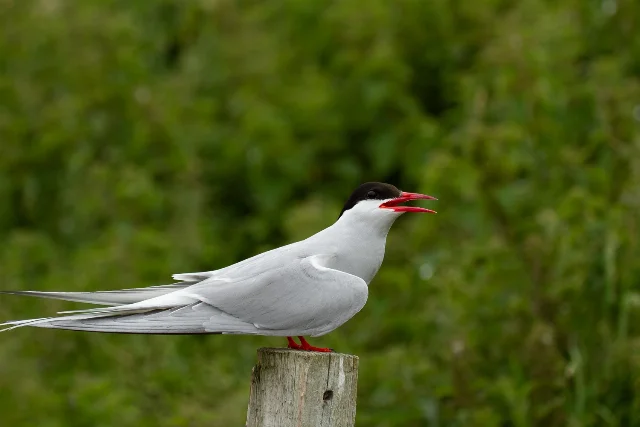
Standing between 22 and 25 centimeters in length, the Yellow-billed Tern is a compact and agile bird. Its plumage is primarily characterized by a crisp white underbelly and face, which contrasts beautifully with a soft grey mantle and wings. One of the most defining features of this species is, as its common name suggests, its vibrant yellow bill, which often features a dark tip. During the breeding season, the cap of the bird becomes a striking black, providing a sharp contrast against its white forehead and throat. The wings are relatively long and pointed, facilitating the swift, erratic flight maneuvers that are necessary for hunting small prey over water. Their legs and feet are also yellow, matching the beak, and are well-adapted for perching on sandy riverbanks or rocky outcrops. Juvenile birds tend to appear slightly mottled with brownish tones, which provides effective camouflage against the gravel and sand environments where they are often raised, helping them avoid detection by potential predators before they fully mature into their adult coloration.
The Yellow-billed Tern is predominantly found in South America, spanning from Argentina and Uruguay up through Brazil, Paraguay, and into Colombia and Venezuela. Unlike many other tern species that are strictly marine, this bird shows a strong preference for freshwater habitats. They are most commonly observed along large, slow-moving rivers, lakes, and marshes. They exhibit a particular fondness for open sandy beaches, exposed sandbars, and mudflats that appear during the dry season when river levels recede. These open areas are crucial for both resting and nesting. Their ability to thrive in these specific inland environments highlights their specialization, as they rely heavily on the visibility and accessibility of water bodies to forage effectively while remaining close to safe, open nesting grounds.
As an opportunistic hunter, the Yellow-billed Tern has a diet that consists mainly of small fish, crustaceans, and aquatic insects. They are highly skilled at plunge-diving, a technique where the bird hovers briefly over the water's surface before diving headfirst to snatch prey with its sharp, yellow bill. This behavior requires keen eyesight and precise timing, especially in the murky or turbulent waters of large river systems. During the breeding season, they may also supplement their diet with terrestrial insects caught near the water's edge. Their feeding efficiency is directly linked to the health of the aquatic ecosystems they inhabit, as they require clear, shallow waters where prey is abundant and easily reachable during their swift aerial foraging sorties.
The breeding season of the Yellow-billed Tern is intrinsically linked to the hydrological cycles of the rivers it inhabits. Nesting typically occurs when water levels are at their lowest, exposing the sandy islands and riverbanks that these birds require for protection. They are colonial nesters, often forming small, loose groups on open sand or gravel. The nest itself is a simple scrape in the sand, sometimes lined with small bits of debris or shell fragments. Typically, the female lays one to three eggs, which are camouflaged to blend in with the surrounding pebbles. Both parents participate in the incubation process and the subsequent feeding of the chicks. This nesting strategy is highly effective but also vulnerable, as sudden rises in river levels due to unexpected rains can lead to the loss of entire colonies, forcing the birds to be highly adaptive in their reproductive timing.
The Yellow-billed Tern is an incredibly active and vocal bird, especially when defending its territory. They are known for their aggressive behavior toward intruders, often diving at potential threats, including humans or larger birds, to protect their nests. In the air, they are masters of maneuverability, capable of swift turns and sudden stops. They spend much of their day perched on sandbars, preening their feathers or resting in the sun. Socially, they communicate through a series of sharp, high-pitched calls that help maintain group cohesion within the colony. Their reliance on group defense mechanisms is a key behavioral trait that ensures the survival of their offspring in environments where predators are frequently present.
Currently, the Yellow-billed Tern is classified as a species of Least Concern by the IUCN, although this status warrants careful observation. The primary threats to this bird include habitat destruction, water pollution, and the disruption of river ecosystems due to dam construction and dredging. Because they rely heavily on seasonal sandbars for nesting, human activity—such as recreational boating or sand mining—can significantly impact their reproductive success. Continued monitoring of their population trends is vital to ensure that their specialized riverine habitats remain protected from further degradation, allowing these graceful birds to continue thriving in their natural range.
For birdwatchers hoping to spot the Yellow-billed Tern, the best approach is to visit large river systems in South America during the dry season. Look for exposed sandbars and mudflats, as these are the primary gathering spots for the species. Bring high-quality binoculars or a spotting scope, as these birds are often found at a distance from the riverbank. Early morning and late afternoon are the most productive times for observation, as the birds are most active during these cooler periods. Be mindful of their nesting sites; keep a respectful distance to avoid causing stress to the colony. Patience is key, as watching their graceful plunge-diving behavior is one of the most rewarding aspects of observing this beautiful tern species in the wild.
The Yellow-billed Tern is a testament to the adaptability and beauty of avian life in South American riverine environments. From its striking yellow bill and elegant white and grey plumage to its specialized breeding habits tied to the rhythm of the rivers, this bird offers a fascinating window into the complexities of tropical ecosystems. As we have explored, their survival is deeply interconnected with the health of their habitat, emphasizing the importance of conservation efforts aimed at preserving these vital waterways. For birdwatchers and nature enthusiasts, encountering a colony of Yellow-billed Terns is an unforgettable experience, characterized by the sight of these swift, agile flyers navigating the water with precision. By fostering a greater understanding and appreciation for this species, we can contribute to the continued protection of the diverse environments they call home. Whether you are a seasoned ornithologist or a casual observer, the Yellow-billed Tern remains a species that captures the imagination and reminds us of the delicate balance within the natural world. Protecting their habitat today ensures that future generations will continue to witness the remarkable flight and spirited nature of this exceptional seabird.
We are working with our official data partners to update this information.






Birds have their own beautiful world, we should not interfere in it. We should enjoy this beauty. Its beauty should be captured in the camera but be careful not to disturb them.
Tap a language to switch instantly.
Tap a language to switch instantly.


