Not available
Himalayan Cutia
Cutia nipalensis
Last update: 11 Mar 2026
Read in:
English
Español
Português
हिन्दी
বাংলা
தமிழ்
മലയാളം
मराठी
ગુજરાતી
తెలుగు
French
Deutsch
Русский
日本語
简体中文
Italiano
Tiếng Việt
العربية
ಕನ್ನಡ
ਪੰਜਾਬੀ
Himalayan Cutia Basic Information
| Scientific Name | Cutia nipalensis |
|---|---|
| Status | LC Least Concern |
| Size | 17-19 cm (7-7 inch) |
| Colors |
Rufous
White
|
| Type |
Perching Birds

|
| Family | Laughingthrushes and allies |
Introduction
The Himalayan Cutia (Cutia nipalensis) is a fascinating and elusive member of the family Leiothrichidae, highly sought after by birdwatchers exploring the high-altitude forests of Asia. Known for its distinct appearance and somewhat mysterious nature, this perching bird is a true highlight of the Himalayan ecosystem. Though it belongs to the babbler family, it possesses a unique morphology that makes it stand out from its relatives. The species is primarily found in the temperate forests of the Himalayas, ranging from the foothills to the higher elevations where dense, mossy growth provides the perfect cover. Despite its striking plumage, the Himalayan Cutia can be notoriously difficult to spot, as it often remains high in the canopy, foraging quietly among the branches. Understanding this bird requires a deep dive into its specialized ecological niche, social structure, and the delicate balance it maintains within its montane habitat. This comprehensive guide explores every facet of the Himalayan Cutia, providing enthusiasts and researchers alike with the essential information needed to appreciate this remarkable avian species.
Physical Appearance
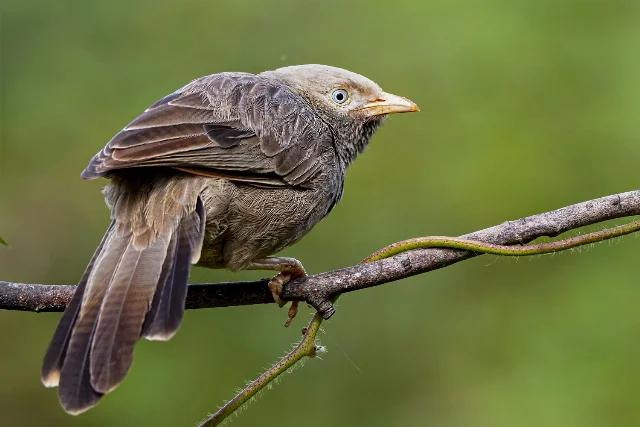
The Himalayan Cutia is a medium-sized bird, measuring approximately 17-19 cm in length. Its plumage is a masterpiece of natural design, characterized by a striking combination of colors that provide both beauty and camouflage. The primary color of the bird is a rich rufous, which covers much of its upper body, particularly the wings and back. This warm, earthy tone contrasts beautifully with the white underparts and the bold black mask that runs through its eyes, giving it a somewhat bandit-like appearance. The wings often feature complex patterns of black and white, adding to its distinct silhouette. Males and females show slight variations, with males often displaying more intense coloration. The beak is strong and slightly curved, perfectly adapted for its specialized feeding habits. Its compact, sturdy body structure is typical of perching birds, allowing it to navigate dense forest vegetation with agility and grace. The combination of its bold facial markings and the warm rufous tones makes it an unmistakable resident of its native mountainous regions.
Habitat
The Himalayan Cutia is a specialist of the temperate broadleaf and coniferous forests. It is predominantly found at elevations ranging from 1,500 to 3,000 meters above sea level. These birds prefer dense, humid environments characterized by an abundance of moss, ferns, and epiphytes, which are crucial for their foraging activities. They are most commonly seen in the middle to upper canopy layers of old-growth forests. Because they rely on specific forest structures to hide and hunt, they are highly sensitive to habitat fragmentation and deforestation. Their distribution stretches across the Himalayas, from Northern India and Nepal through Bhutan, and into parts of Southeast Asia, including Myanmar and Vietnam, where they inhabit similar montane forest ecosystems.
Diet
As an active forager, the Himalayan Cutia possesses a versatile diet. It is primarily insectivorous, feeding on a wide variety of beetles, spiders, caterpillars, and other small invertebrates found lurking in the mossy branches of trees. Their strong, slightly hooked bills are specifically designed to pry open bark and probe into deep crevices where insects hide. In addition to insects, they are known to supplement their diet with berries, seeds, and nectar, especially during the colder months when insect availability decreases. This dietary flexibility allows them to survive the harsh seasonal changes of the Himalayan environment. They are frequently observed moving through the branches in small, family-oriented groups, methodically searching for food with impressive focus and efficiency.
Breeding and Nesting
The breeding season of the Himalayan Cutia typically occurs during the spring and early summer months, coinciding with the peak availability of food resources. These birds are known to be cooperative breeders, meaning that multiple individuals may participate in the care of the offspring. They construct elaborate, cup-shaped nests, usually tucked away in the forks of high branches or hidden within thick clusters of moss and epiphytes. The nest is meticulously built using twigs, roots, and fine plant fibers, lined with soft material to protect the eggs. A typical clutch consists of 2 to 4 eggs, which are incubated by both parents. Once hatched, the chicks are fed a protein-rich diet of insects by the parents and occasionally by other members of the social group, ensuring a higher survival rate in the challenging mountain environment.
Behavior
Behaviorally, the Himalayan Cutia is a social and inquisitive bird. They are rarely seen alone, preferring to move through the forest canopy in small flocks, often associating with other species of babblers and tits in mixed-species foraging parties. This behavior provides safety in numbers, as more eyes are available to spot potential predators. They are relatively active birds, constantly moving, hopping from branch to branch, and probing for food. While they can be vocal, their calls are often subtle and easily missed by the untrained ear. They exhibit a curious nature, occasionally allowing observers a brief glimpse before vanishing back into the dense foliage, maintaining their status as one of the more elusive treasures of the Himalayan wilderness.
Conservation Status - LC Least Concern
The Himalayan Cutia is currently classified as Least Concern by the IUCN, but this status masks the reality of its fragile existence. Like many montane species, it faces significant threats from habitat loss, primarily due to logging, agriculture, and the broader impacts of climate change affecting forest composition. Because they are highly dependent on specific, undisturbed old-growth forest habitats, any degradation of these ecosystems can have a direct, negative impact on their population density. Protecting large, contiguous tracts of their forest habitat is essential for their long-term survival in the wild.
Interesting Facts
- The Himalayan Cutia is the only member of the genus Cutia, making it a taxonomically unique species.
- They are known for their distinct black eye-mask, which helps reduce glare while foraging in bright sunlight.
- These birds are surprisingly agile, often hanging upside down like a nuthatch to reach insects hidden in moss.
- They participate in mixed-species flocks, which act as a defensive strategy against predators.
- Their nests are expertly camouflaged with moss to blend perfectly into the forest canopy.
- The species name nipalensis refers to its original discovery and prevalence in Nepal.
- They are often considered a "target species" for birdwatchers visiting the Himalayas due to their beauty and elusive nature.
Tips for Birdwatchers
To spot the Himalayan Cutia, patience and the right location are key. Focus your birdwatching efforts in high-altitude broadleaf forests during the early morning hours, as this is when they are most active. Use a high-quality pair of binoculars or a spotting scope, as these birds often remain high in the canopy. Listening for their soft, trilling calls can help you locate a foraging party. Joining a local guide who knows the specific forest patches where they reside is highly recommended, as they can track the movement of mixed-species flocks. Always maintain a respectful distance to avoid disturbing their natural behavior, and ensure your presence does not damage the delicate mossy vegetation they depend on.
Pro-Tip: To spot this bird in dense forest canopy, a 8x42 binoculars or telescope is highly recommended.
- [Check out our top recommended gear here]
Conclusion
The Himalayan Cutia (Cutia nipalensis) is a remarkable testament to the biodiversity found within the Himalayan mountain range. Its striking rufous and white coloration, combined with its unique foraging behaviors and cooperative social structure, makes it a fascinating subject for both amateur birdwatchers and professional ornithologists. By inhabiting the dense, moss-laden canopies of high-altitude forests, it plays a vital role in the ecosystem, helping to control insect populations and contributing to the forest's health. However, its dependence on specific, old-growth environments renders it vulnerable to the ongoing challenges of habitat destruction and climate change. As we continue to explore and appreciate the natural world, it is imperative that we advocate for the preservation of the habitats that support such specialized and beautiful species. Observing a Himalayan Cutia in its natural element is a rewarding experience that highlights the intricate beauty of the avian world. By understanding their needs, respecting their habitat, and supporting conservation efforts, we can ensure that these magnificent birds continue to thrive in the high-altitude forests for generations to come. Their presence serves as a reminder of the fragility and wonder of our natural heritage, encouraging us to protect the wild places where they dwell.
Tag:

200 Follower
is a writer who draws. He’s the Bestselling author of “Number of The Year”. Donec vitae tortor efficitur, convallis lelobortis elit.
Recent Posts







Subscribe For Daily Newsletter