Lesser Yellowlegs Distribution Map & Range
The distribution map for this species will be available soon.
We are working with our official data partners to update this information.

Sign in with your Google account to access all features

| Scientific Name | Tringa flavipes |
|---|---|
| Status | VU Vulnerable |
| Size | 23-25 cm (9-10 inch) |
| Colors |
Grey
White
|
| Type |
Waders

|
| Family | Sandpipers, Snipes, Phalaropes |
The Lesser Yellowlegs (Tringa flavipes) is a small, elegant shorebird that captures the imagination of birdwatchers across North America. Known for its slender build and distinctive bright yellow legs, this wader belongs to the Scolopacidae family. These birds are highly migratory, breeding in the vast, boreal forests of Canada and Alaska before undertaking incredible journeys to wintering grounds as far south as Argentina and Chile. Their presence in wetlands, mudflats, and shallow ponds is a testament to their adaptability and ecological importance as indicators of healthy aquatic environments. As a species often confused with its larger cousin, the Greater Yellowlegs, the Lesser Yellowlegs requires a keen eye for detail. Understanding their biology and movement patterns is essential for any ornithology enthusiast or conservationist interested in the migratory pathways of the Western Hemisphere. Whether you are observing them during their spring migration or seeing them forage in coastal lagoons, the Lesser Yellowlegs remains a fascinating subject of study.
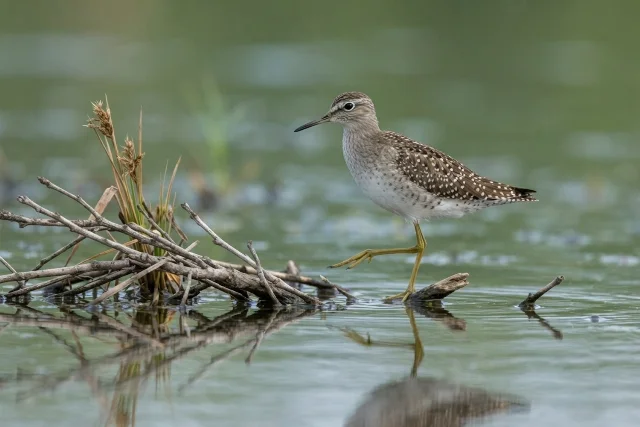
The Lesser Yellowlegs is a medium-sized wader measuring approximately 23-25 cm in length. Its plumage is characterized by a sophisticated palette of mottled grey and white, which provides excellent camouflage against mud and water. The upperparts are primarily a brownish-grey, speckled with white spots, while the underparts are predominantly white, often showing fine streaking on the breast during the breeding season. The most striking feature, as the name suggests, is its long, vibrant yellow legs, which stand out sharply against the dark mudflats where they feed. They possess a thin, straight, and needle-like black bill, which is significantly shorter and more delicate than that of the Greater Yellowlegs. In flight, the bird displays a clean white rump patch that extends up the back, a key field mark for identification. Both sexes look similar, though juveniles may appear slightly browner and less patterned than the adults. Their elegant, upright posture and quick, nervous movements make them easily recognizable to experienced observers.
The Lesser Yellowlegs is a bird of diverse aquatic habitats. During the breeding season, they prefer the open areas of the boreal forest, particularly muskeg, bogs, and marshy meadows in Alaska and Canada. These areas provide the necessary cover and insect-rich environments for raising chicks. Outside of the breeding season, they are highly adaptable and can be found in a wide variety of wetlands. They frequent shallow freshwater ponds, coastal salt marshes, tidal mudflats, flooded agricultural fields, and sewage ponds. They are rarely seen in deep water, preferring areas where they can wade comfortably while keeping their bodies above the surface. During migration, they serve as transient visitors to almost any body of shallow water, often congregating in groups to forage.
As an active forager, the Lesser Yellowlegs primarily consumes a diet consisting of aquatic invertebrates. Their long, sensitive bills are perfectly adapted for probing the soft mud and shallow water for prey. Their favorite food sources include midges, aquatic beetles, dragonfly larvae, and small crustaceans. Occasionally, they will also consume small fish or aquatic worms if available. Unlike some shorebirds that rely on sight, the Lesser Yellowlegs often uses a combination of visual searching and tactile probing. They move quickly through the water, often bobbing their heads and darting forward to snatch prey from the surface or just beneath the mud. This energetic foraging style makes them highly efficient predators in nutrient-rich wetland ecosystems.
The breeding season for the Lesser Yellowlegs begins in late spring, primarily within the northern reaches of the boreal forest. They are ground nesters, typically choosing a dry spot on the forest floor, often near a small pond or bog, to build a simple scrape lined with dry leaves, moss, or lichen. The female usually lays a clutch of four eggs, which are buff-colored with dark brown spots for camouflage. Both parents share the responsibility of incubation, which lasts for approximately three weeks. Once the precocial chicks hatch, they are quickly led to nearby wetlands by their parents to begin foraging for themselves. The adults are fiercely protective of their brood, often performing distraction displays to lead potential predators away from the nest. This high-investment parental strategy ensures that the young reach fledging age before the onset of the harsh northern autumn.
The Lesser Yellowlegs is a highly gregarious bird, often seen in small groups or mixed-species flocks. They are known for their nervous, energetic behavior, frequently bobbing their heads and flicking their tails when standing in shallow water. When flushed, they are strong and agile fliers, often emitting a clear, two-note 'tu-tu' call that serves as an alarm signal to other birds in the vicinity. They are primarily diurnal foragers but will continue to feed during twilight hours if the prey density is high. During migration, they are remarkably long-distance travelers, exhibiting strong site fidelity to specific stopover locations that provide the necessary fuel for their arduous journey across continents.
The Lesser Yellowlegs is currently listed as a species of 'Least Concern' by the IUCN, but its population is being closely monitored due to habitat loss and climate change. As migratory birds, they rely on a network of healthy wetlands throughout the Americas. The degradation of stopover sites, particularly in coastal regions and inland marshes, poses a significant threat to their long-term survival. Conservation efforts focus on protecting and restoring wetland ecosystems, as well as managing agricultural runoff to ensure that their primary food sources remain abundant and free from chemical contamination.
For birdwatchers hoping to spot a Lesser Yellowlegs, the best strategy is to visit shallow wetlands, sewage ponds, or muddy edges of lakes during the migration months. Because they are often found in mixed flocks with other shorebirds like the Greater Yellowlegs or Solitary Sandpipers, it is important to pay close attention to size and bill length. Look for the 'lesser' features: a shorter, straighter, and more delicate bill compared to the larger species. Using high-quality binoculars or a spotting scope will help you appreciate their subtle plumage patterns. Be patient, as these birds can be skittish; move slowly and avoid sudden movements to get the best views of their fascinating foraging behavior in the mud.
In conclusion, the Lesser Yellowlegs (Tringa flavipes) is a remarkable example of nature's resilience and the complexity of avian migration. From their breeding grounds in the rugged boreal forests of the north to their wintering habitats in the southern hemisphere, these birds connect diverse ecosystems across thousands of miles. Their presence is a vital sign of the health of our wetlands, serving as a reminder of the fragility of the habitats they depend upon. For the birdwatcher, spotting a Lesser Yellowlegs is always a rewarding experience, offering a glimpse into the life of a species that is both common enough to be seen and complex enough to be studied for a lifetime. By advocating for the protection of wetlands and supporting conservation initiatives, we can ensure that these elegant, yellow-legged wanderers continue to traverse the skies for generations to come. Their story is one of endurance, adaptation, and the enduring beauty of the natural world, making them a true jewel of the shorebird family.
We are working with our official data partners to update this information.
Tag:


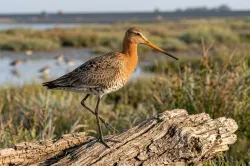
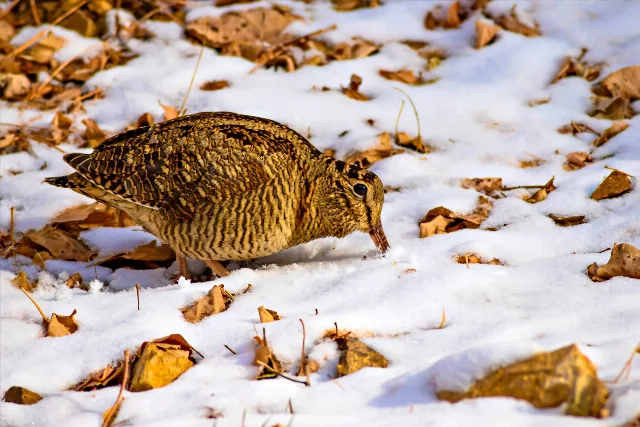
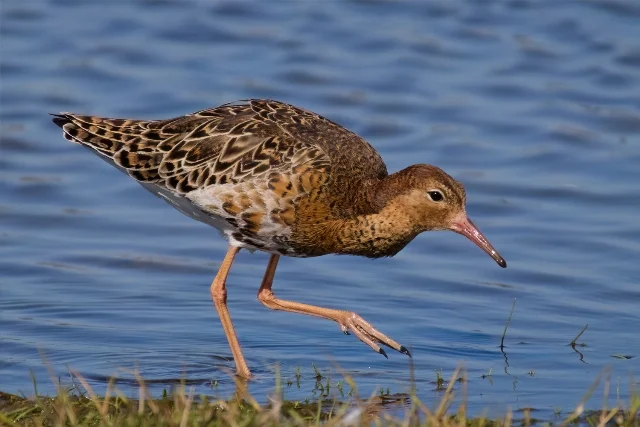



Birds have their own beautiful world, we should not interfere in it. We should enjoy this beauty. Its beauty should be captured in the camera but be careful not to disturb them.
Tap a language to switch instantly.
Tap a language to switch instantly.



