
Buff-breasted Sandpiper
Calidris subruficollis
Last update: 03 Aug 2026
Read in:
English
Español
Português
हिन्दी
বাংলা
தமிழ்
മലയാളം
मराठी
ગુજરાતી
తెలుగు
French
Deutsch
Русский
日本語
简体中文
Italiano
Tiếng Việt
العربية
ಕನ್ನಡ
ਪੰਜਾਬੀ
Buff-breasted Sandpiper Basic Information
| Scientific Name | Calidris subruficollis |
|---|---|
| Status | VU Vulnerable |
| Size | 18-21 cm (7-8 inch) |
| Colors |
Buff
Brown
|
| Type |
Waders

|
| Family | Sandpipers, Snipes, Phalaropes |
Introduction
The Buff-breasted Sandpiper (Calidris subruficollis) is a truly remarkable shorebird that captivates birdwatchers with its unique appearance and extraordinary migratory journey. Unlike many other sandpipers that prefer mudflats and coastal environments, this species is famous for its affinity for dry, open habitats, often found in short-grass prairies and agricultural fields. As a long-distance migrant, the Buff-breasted Sandpiper breeds in the high Arctic tundra of North America, specifically in northern Alaska and Canada, before undertaking an incredible journey to its wintering grounds in southern South America, primarily in Argentina, Uruguay, and southern Brazil.
Its scientific name, subruficollis, translates roughly to "somewhat reddish-necked," which perfectly describes the warm, buff-colored plumage that characterizes this bird. Throughout its life cycle, it demonstrates behaviors that set it apart from its congeners, particularly during the breeding season where males engage in elaborate, highly structured courtship displays. Understanding the ecology and behavior of this species is essential for conservationists and enthusiasts alike, as their populations have historically faced significant challenges, making every sighting a special event for the birding community.
Physical Appearance
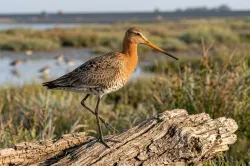
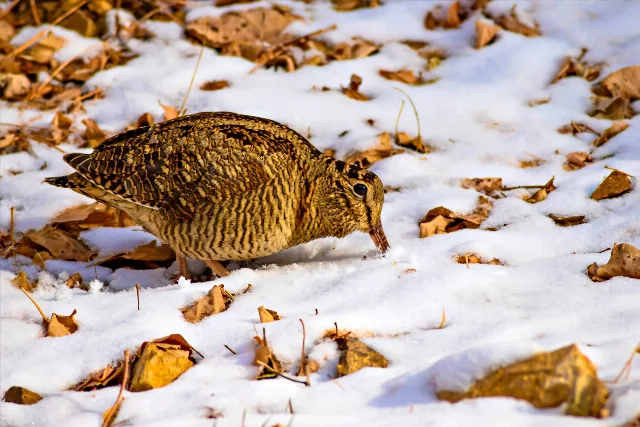
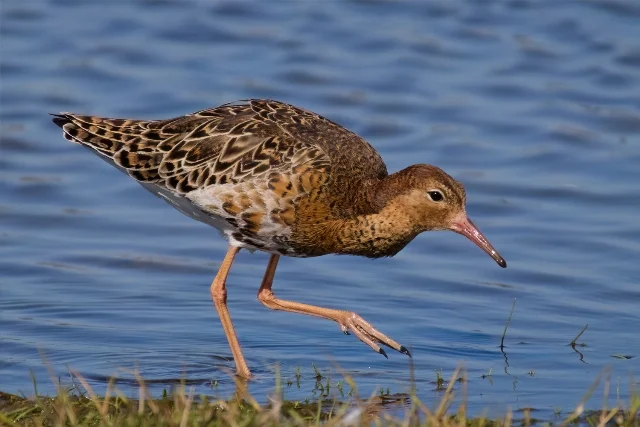
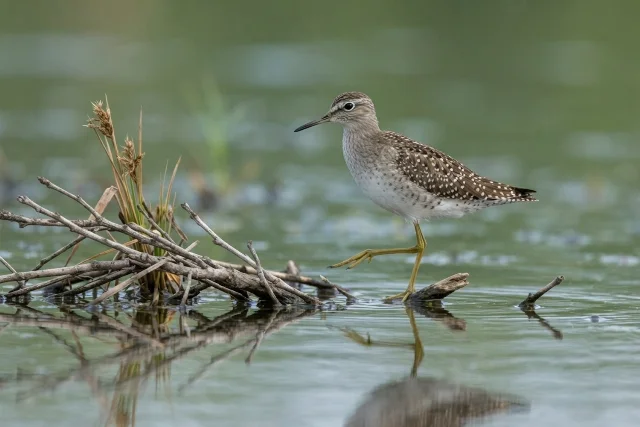
Standing approximately 18 to 21 cm in height, the Buff-breasted Sandpiper possesses a distinct, elegant profile that distinguishes it from other sandpipers. Its most striking feature is its warm, rich buff-colored plumage, which covers the face, neck, and breast, lending it a soft, almost golden appearance. The upperparts are dominated by a beautiful mosaic of brown, scalloped feathers that provide excellent camouflage in its grassland habitats. The crown is typically darker, and the overall plumage is often described as having a scaly texture due to the pale edges of the darker feathers on the back and wings.
One of the most diagnostic features when observing the bird in flight is the underside of the wings, which are patterned with intricate, fine dark markings on a pale background. The bill is relatively short, straight, and dark, while the legs are a distinct yellow-ochre color. Juveniles tend to look slightly paler and more uniform than adults, yet they retain the characteristic buff wash across the chest. This compact, well-proportioned shorebird carries itself with a steady, deliberate gait, often appearing more "pigeon-like" in its posture compared to the more frenetic, probing movements of other waders that frequent wet, muddy substrates.
Habitat
Unlike most waders, the Buff-breasted Sandpiper is not a creature of the shoreline or intertidal mudflats. During its breeding season, it is found exclusively in the high Arctic, nesting in dry, elevated tundra characterized by short vegetation, such as mosses and lichens. During migration and on its wintering grounds, it shows a strong preference for open, grassy habitats. This includes short-grass prairies, grazed pastures, golf courses, and even harvested agricultural fields. They are rarely seen near standing water, preferring dry ground where they can easily spot insects while walking through the grass. This specific habitat requirement makes them vulnerable to changes in land use, particularly the loss of native grasslands and changes in agricultural practices across their migratory route.
Diet
The diet of the Buff-breasted Sandpiper consists primarily of small invertebrates, reflecting its role as a specialized forager in dry environments. Unlike other shorebirds that use their bills to probe deep into soft mud, this species is a visual forager. It walks deliberately through short grass, actively picking insects and other small arthropods from the surface or near the base of the vegetation. Their menu includes a variety of beetles, spiders, flies, ants, and small grasshoppers. Occasionally, they may also consume small seeds when animal protein is scarce. This visual hunting strategy is highly efficient in the open, sparse landscapes they frequent, allowing them to cover significant ground while feeding.
Breeding and Nesting
The breeding biology of the Buff-breasted Sandpiper is one of the most fascinating aspects of its life history. These birds utilize a lek mating system, which is extremely rare among shorebirds. During the breeding season in the Arctic, males gather on traditional display grounds, or leks, to compete for the attention of females. They engage in complex courtship displays, which include puffing out their chest, raising their wings to expose the intricate patterns on the underwings, and emitting soft, clicking vocalizations. The females, who are solely responsible for nest building and chick rearing, visit these leks to select a mate. The nest is a simple, shallow scrape on the ground, sparsely lined with lichen or dead leaves, hidden in the low tundra vegetation. The female typically lays a clutch of four buff-colored, spotted eggs, which she incubates for approximately three weeks before the precocial chicks hatch and begin feeding themselves almost immediately.
Behavior
In terms of behavior, the Buff-breasted Sandpiper is known for being remarkably confiding and often allows for close approach by humans, a trait that has earned it the nickname "the bird that doesn't know it's a bird." They are generally non-aggressive and are often seen foraging in loose groups during migration. Their movement on the ground is characterized by a high-stepping, upright walk, which gives them a distinct, alert appearance. They are strong, persistent flyers, capable of covering thousands of miles during their annual migration from the Arctic to the pampas of South America. When disturbed, they typically fly off in a tight, coordinated flock, often circling back to land nearby.
Conservation Status - VU Vulnerable
The Buff-breasted Sandpiper is currently listed as Near Threatened by the IUCN. Historically, their populations suffered significant declines due to overhunting in the 19th and early 20th centuries. Today, the primary threats to their survival include the loss and degradation of their specialized grassland habitats throughout their migratory corridor and wintering grounds. Conversion of native prairies to intensive agriculture and the loss of stopover sites present ongoing challenges. Conservation efforts are currently focused on protecting key stopover habitats and managing grazing lands to ensure they remain suitable for these specialized birds to rest and refuel during their long-distance migration.
Interesting Facts
- They are one of the few shorebirds that utilize a lek mating system where males display for females.
- They were once hunted in such large numbers that they were nearly driven to extinction in the early 1900s.
- They are known for being extremely tame and often allow birdwatchers to approach them quite closely.
- Their migratory route is one of the longest of any North American shorebird, spanning from the Arctic to Argentina.
- Unlike most waders, they prefer dry, grassy fields over muddy or coastal environments.
- The underwing pattern of the Buff-breasted Sandpiper is unique and serves as a key identification mark during flight.
Tips for Birdwatchers
If you are hoping to spot a Buff-breasted Sandpiper, timing and habitat choice are everything. Because they are not typically found on mudflats, skip the traditional shorebird hotspots and look for them in short-grass areas. During the fall migration, check local sod farms, golf courses, and recently mown pastures. They are most active during the day, walking steadily through the grass. Bring high-quality binoculars and be prepared to scan the ground carefully, as their plumage provides excellent camouflage. Because they are often tame, you may not need a long telephoto lens for photography, but always maintain a respectful distance to avoid causing unnecessary stress to these long-distance travelers.
Pro-Tip: To spot this bird in dense forest canopy, a 8x42 binoculars or telescope is highly recommended.
- [Check out our top recommended gear here]
Pro-Tip: To capture the stunning beauty of this bird, a high-quality wildlife camera and lens are highly recommended.
- [Check out best wildlife cameras here]
Conclusion
The Buff-breasted Sandpiper is a testament to the resilience and complexity of avian life. From its high-latitude breeding grounds in the Arctic to the vast, open grasslands of South America, this bird embodies the spirit of migration. Its unique reliance on dry, grassy landscapes rather than traditional wetlands sets it apart, making it a specialized inhabitant of some of the world's most endangered ecosystems. For birdwatchers, encountering this species is a highlight that requires patience, knowledge of their specific habitat preferences, and a deep appreciation for their incredible journey. As we look toward the future, the conservation of the Buff-breasted Sandpiper remains a critical priority. Protecting the vast, interconnected network of grasslands that these birds rely on is essential for their continued existence. By raising awareness about their status and supporting habitat conservation initiatives, we can ensure that future generations will also have the privilege of witnessing this elegant wader in its natural environment. Whether you are a seasoned ornithologist or a casual backyard birder, the story of the Buff-breasted Sandpiper serves as a powerful reminder of the global nature of bird conservation and the importance of preserving the diverse habitats that connect us all across the hemisphere.
Tag:

200 Follower
is a writer who draws. He’s the Bestselling author of “Number of The Year”. Donec vitae tortor efficitur, convallis lelobortis elit.
Recent Posts






Subscribe For Daily Newsletter