
Not available
Stilt Sandpiper
Calidris himantopus
Last update: 11 May 2026
Read in:
English
Español
Português
हिन्दी
বাংলা
தமிழ்
മലയാളം
मराठी
ગુજરાતી
తెలుగు
French
Deutsch
Русский
日本語
简体中文
Italiano
Tiếng Việt
العربية
ಕನ್ನಡ
ਪੰਜਾਬੀ
Stilt Sandpiper Basic Information
| Scientific Name | Calidris himantopus |
|---|---|
| Status | NT Near Threatened |
| Size | 18-23 cm (7-9 inch) |
| Colors |
Brown
White
|
| Type |
Waders

|
| Family | Sandpipers, Snipes, Phalaropes |
Introduction
The Stilt Sandpiper (Calidris himantopus) is a fascinating species of shorebird that captivates birdwatchers with its distinctive appearance and remarkable migratory lifestyle. Belonging to the family Scolopacidae, these waders are known for their long, spindly legs and specialized feeding habits. Unlike many other sandpipers, the Stilt Sandpiper often probes deeply into mud or shallow water, using its slightly drooping bill to locate prey. Breeding primarily in the high Arctic tundra of North America, these birds undertake an incredible journey each year, traveling thousands of miles to reach their wintering grounds in South America. Their presence during migration is a highly anticipated event for birding enthusiasts who monitor wetlands and coastal areas. Understanding the life cycle and ecological requirements of the Stilt Sandpiper is essential for conservation efforts, as these birds face significant threats from habitat loss and climate change in their fragile northern breeding grounds and vital stopover sites across the Western Hemisphere.
Physical Appearance
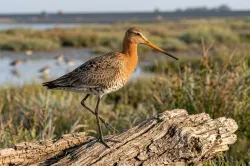
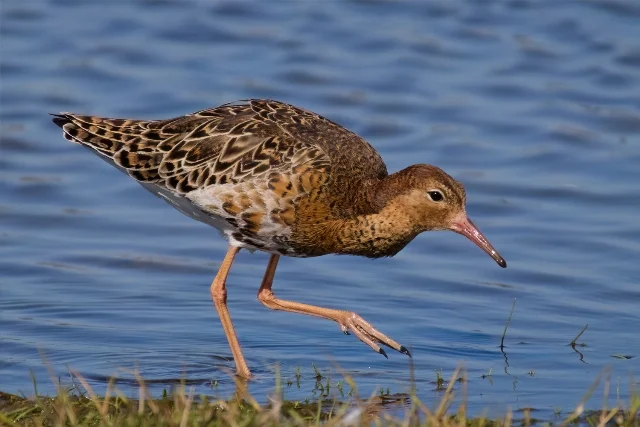
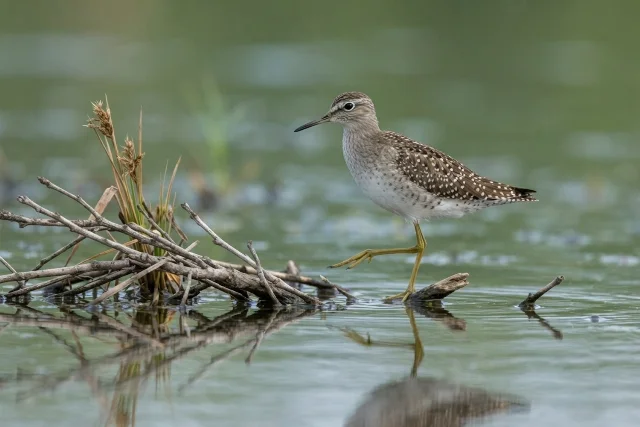
The Stilt Sandpiper is a medium-sized wader, typically measuring between 18 and 23 centimeters in length. Its most defining physical characteristic is its exceptionally long, yellowish-green legs, which give it a taller appearance compared to similar sandpiper species. During the breeding season, the adult Stilt Sandpiper displays a complex plumage consisting of rich brown upperparts, heavily streaked with black and chestnut tones. A striking feature during this time is a distinct reddish-brown patch that extends from the eye down to the ear coverts. The underparts are white, featuring dense, dark barring. In contrast, the non-breeding or basic plumage is much more subdued, characterized by a uniform grayish-brown back and a white underside, making them harder to distinguish from other waders. The bill is black, relatively long, and displays a subtle downward curve at the tip, which is a key diagnostic feature for field identification. Juveniles often exhibit a scaly appearance on their backs with buffy edges to their feathers, providing excellent camouflage against the Arctic tundra landscape.
Habitat
During the breeding season, the Stilt Sandpiper is found exclusively in the high Arctic tundra of North America, ranging from Alaska to the Hudson Bay region. They prefer nesting in areas with low-lying, wet tundra, often near ponds, marshes, or sedge meadows that provide abundant insect life. During migration, these waders are highly versatile in their habitat selection. They are frequently observed in inland wetlands, flooded agricultural fields, muddy ponds, and shallow freshwater edges rather than strictly coastal salt marshes. In their wintering grounds in South America, they occupy similar freshwater habitats, including flooded grasslands and saline lagoons, where they can probe the soft substrate for food.
Diet
The Stilt Sandpiper is an opportunistic feeder that relies on a protein-rich diet to fuel its long-distance migrations. Their feeding strategy is characterized by rapid, rhythmic probing of mudflats and shallow waters. Their primary prey consists of aquatic invertebrates, including midge larvae, beetles, crustaceans, and small mollusks. During the breeding season in the Arctic, they consume vast quantities of insects, especially dipteran larvae, which are essential for raising their chicks. When migrating through inland areas, they often utilize flooded fields to find earthworms and other soil-dwelling organisms. By inserting their sensitive, slightly curved bills into the soft mud, they can detect prey through touch, allowing them to forage efficiently even in murky or low-light conditions.
Breeding and Nesting
Breeding for the Stilt Sandpiper occurs during the brief Arctic summer. The nesting process begins with a courtship display where males perform aerial flights to attract females. Once a pair is formed, the nest is established on the ground, usually hidden within a clump of sedge or grass in a wet, marshy area. The nest is a simple, shallow depression lined with bits of lichen, dry leaves, and moss. The female typically lays a clutch of three to four eggs, which are creamy or pale brown with dark spots. Both parents share the incubation duties, which last approximately three weeks. Once hatched, the precocial chicks are capable of feeding themselves shortly after leaving the nest, though the parents remain nearby to provide protection and warmth against the harsh Arctic elements until the young are ready to fledge.
Behavior
The Stilt Sandpiper is known for its relatively calm and confiding nature, often allowing birders to approach quite closely while it is focused on feeding. They are social birds, frequently seen foraging in loose groups or alongside other waders like Dowitchers and Yellowlegs. A characteristic behavior is their method of foraging; they do not run and peck like many other sandpipers but instead walk slowly, methodically probing the mud with a sewing-machine-like motion. During migration, they can be highly gregarious, forming large flocks that move synchronously. Despite their long-distance migratory nature, they exhibit strong site fidelity, often returning to the same breeding areas or wintering wetlands year after year.
Conservation Status - NT Near Threatened
The Stilt Sandpiper is currently classified as a species of Least Concern by the IUCN, but populations are monitored closely due to their reliance on specific stopover habitats. The primary threats to the species include the destruction of inland wetlands along their migratory flyways and the impact of climate change on Arctic nesting grounds. As the tundra warms, the timing of insect emergence may shift, potentially creating a mismatch with the peak nutritional needs of the chicks. Protecting key migratory stopover points is critical for ensuring their long-term survival.
Interesting Facts
- The Stilt Sandpiper was formerly placed in the genus Micropalama due to its unique bill and leg structure.
- They are known for their 'sewing machine' foraging style, probing straight down into the mud.
- Stilt Sandpipers can migrate from the Arctic all the way to the southern reaches of South America.
- Unlike many other shorebirds, they prefer freshwater habitats over coastal saltwater beaches.
- Their scientific name himantopus translates to 'strap-foot,' referring to their long, thin legs.
- The reddish-brown ear patch is a diagnostic feature of breeding adults.
Tips for Birdwatchers
To spot a Stilt Sandpiper, focus your efforts on inland freshwater wetlands rather than sandy beaches. Look for areas with shallow water and soft, muddy edges where the birds can probe comfortably. During migration, check flooded agricultural fields or sewage treatment ponds, as these sites often attract foraging flocks. Use high-quality binoculars or a spotting scope to observe the bill's curve and the bird's unique, slow-moving gait. If you see a group of waders, look for the individual that is taller and more methodical in its feeding compared to the frantic running of Pectoral or Semipalmated Sandpipers. Early morning and late afternoon are the best times to observe their active foraging behavior. Patience is key, as these birds are often so focused on feeding that they will ignore human presence if you remain still and quiet.
Pro-Tip: To spot this bird in dense forest canopy, a 8x42 binoculars or telescope is highly recommended.
- [Check out our top recommended gear here]
Conclusion
In conclusion, the Stilt Sandpiper is a remarkable example of nature's endurance and specialization. From its nesting grounds in the harsh Arctic tundra to its wintering homes in South America, this wader demonstrates a level of adaptation that is truly awe-inspiring. For birdwatchers, encountering a Stilt Sandpiper offers a rewarding challenge in identification and a chance to witness a species that bridges the vast geography of the Western Hemisphere. As stewards of the environment, it is our responsibility to advocate for the preservation of the wetlands they rely on, as these areas serve as essential refueling stations for their monumental journeys. By appreciating the unique behaviors, physical beauty, and ecological importance of the Stilt Sandpiper, we can better understand the interconnectedness of our global ecosystems. Whether you are a seasoned ornithologist or a casual enthusiast, the Stilt Sandpiper serves as a poignant reminder of the fragility and wonder of the natural world. Continued research and habitat protection are vital to ensure that future generations can witness the graceful movements of these elegant waders as they traverse the skies and shores of our planet.
Tag:

200 Follower
is a writer who draws. He’s the Bestselling author of “Number of The Year”. Donec vitae tortor efficitur, convallis lelobortis elit.
Recent Posts




Subscribe For Daily Newsletter