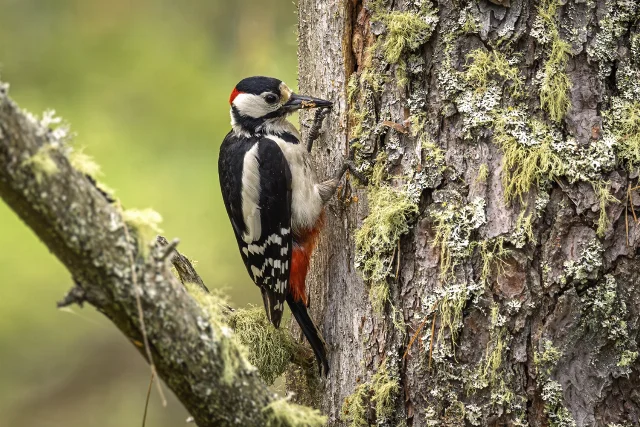
Black-capped Sparrow Basic Information
| Scientific Name |
Arremon abeillei
|
| Status |
LC
Least Concern
|
| Size |
13-14 cm (5-6 inch)
|
| Colors |
|
| Type |
|
| Family |
New World sparrows |
Introduction
The Black-capped Sparrow, scientifically known as Arremon abeillei, is a fascinating member of the Passeriformes order, specifically categorized as a perching bird. This species is native to specific regions of South America, primarily inhabiting the dry forests and scrublands of Peru and Ecuador. Often overlooked due to its elusive nature and relatively small size, the Black-capped Sparrow plays an integral role in its local ecosystem, contributing to seed dispersal and insect population control. Ornithologists and bird enthusiasts alike are drawn to this species for its distinct plumage and specialized ecological requirements. Despite its name, it is not a typical sparrow in the conventional sense but belongs to the family Passerellidae. Understanding the life cycle and environmental needs of the Black-capped Sparrow provides critical insights into the biodiversity of the Tumbesian region. As human development continues to encroach upon its natural habitat, the study of this bird has become increasingly important for conservation efforts aimed at protecting endemic species in threatened tropical ecosystems.
Physical Appearance
Measuring between 13 and 14 centimeters in length, the Black-capped Sparrow is a compact and agile perching bird. Its physical appearance is characterized by a striking color palette that aids in camouflaging it against the leaf litter and branches of its environment. The primary color is a rich, earthy brown, which covers much of its back, wings, and flanks, allowing it to blend seamlessly into the forest floor. As its name suggests, the bird displays a prominent black cap that contrasts sharply with its facial features. Often, these birds exhibit a white or greyish throat patch, adding further definition to their head markings. The beak is typically sturdy, adapted for a varied diet, while its legs are thin but strong, supporting its perching lifestyle. Both males and females share similar plumage, though subtle variations may exist. The overall structure is typical of the genus Arremon, possessing a rounded wing shape and a relatively short tail, which facilitates quick, darting movements through dense undergrowth and shrubbery.
Habitat
The Black-capped Sparrow is primarily found in the dry, deciduous forests and arid scrublands of southwestern Ecuador and northwestern Peru. These regions, often referred to as the Tumbesian dry forests, provide the specific microclimates that the species requires to thrive. The bird prefers areas with dense understory vegetation, where it can forage undisturbed while remaining shielded from predators. It is rarely found in open canopy areas, as it relies on the cover provided by shrubs, vines, and low-hanging branches. Maintaining these specific habitat corridors is essential for the survival of the population, as they are sensitive to habitat fragmentation and extreme degradation of the forest floor.
Diet
As an opportunistic feeder, the Black-capped Sparrow maintains a diverse diet consisting of both plant and animal matter. Its foraging behavior is primarily terrestrial, as it spends a significant portion of its day hopping along the ground, scratching at leaf litter to uncover hidden food sources. Its diet includes a variety of seeds, small berries, and wild fruits that are seasonally available in the dry forest. Additionally, the bird consumes a range of invertebrates, including small insects, spiders, and larvae, which provide necessary protein, particularly during the breeding season. This balanced diet helps the sparrow maintain the energy levels required for its active, perching lifestyle.
Breeding and Nesting
The breeding biology of the Black-capped Sparrow is closely tied to the seasonal rains of the Tumbesian region, which trigger an increase in food availability. During the breeding season, pairs establish territories and engage in vocal displays to defend their nesting sites. The nest is typically a cup-shaped structure meticulously constructed from twigs, grasses, rootlets, and lined with softer materials like moss or feathers. These nests are usually concealed low in the dense foliage of a shrub or within a thick tangle of vines to protect the eggs and chicks from predators. A typical clutch consists of two to three eggs, which are incubated primarily by the female. Both parents contribute to the feeding and protection of the fledglings, ensuring the survival of the next generation in a competitive environment.
Behavior
Behaviorally, the Black-capped Sparrow is a shy and somewhat secretive bird. It is not typically seen in large flocks, preferring to move alone or in small family groups. Its movement through the undergrowth is characterized by quick, jerky hops punctuated by moments of stillness as it listens for potential threats or prey. When disturbed, it quickly retreats into the deepest parts of the thickets, making it a challenging subject for photographers. Despite its elusive nature, it is known to be territorial, with males using sharp, melodic calls to mark their presence and warn off intruders. Its behavior is a direct adaptation to the dense, cluttered environment of the dry forest floor.
Conservation Status
-
LC
Least Concern
The Black-capped Sparrow is currently evaluated regarding its population stability in light of ongoing habitat loss. Because its range is restricted to the specific dry forest ecosystems of the Tumbesian region, it is particularly vulnerable to deforestation, agricultural expansion, and charcoal production. While it is not currently classified as critically endangered, the fragmentation of its habitat poses a significant long-term threat. Conservationists emphasize the importance of preserving existing forest corridors to ensure that the species can maintain genetic diversity and successfully navigate its environment throughout the year.
Interesting Facts
- The Black-capped Sparrow is endemic to the Tumbesian region, meaning it is found nowhere else on Earth.
- Despite its name, it is more closely related to tanagers than to common house sparrows.
- It spends a large portion of its time on the ground, unlike many other perching birds that prefer high canopy life.
- The bird's black cap is used in visual signaling during territorial disputes with other sparrows.
- It is highly adapted to arid environments, possessing physiological traits that help it conserve water.
- The species is known for its complex, melodic song, which is most frequently heard during the early morning hours.
Tips for Birdwatchers
For birdwatchers hoping to spot the Black-capped Sparrow, patience and silence are the most valuable tools. Because these birds are highly secretive and prefer dense cover, they are best observed in the early morning or late afternoon when they are most active. Utilize high-quality binoculars and consider using a portable sound recorder to listen for their distinctive calls, which often give away their location before they are seen. Avoid wearing bright clothing that might stand out against the forest backdrop. Move slowly through known habitats and look for movement in the leaf litter, as this is where they spend the majority of their time foraging. Always respect the habitat and avoid disturbing nesting sites to ensure the long-term well-being of this unique species.
Conclusion
The Black-capped Sparrow (Arremon abeillei) stands as a beautiful example of the specialized avian life found within the Tumbesian dry forests. Its unique physical traits, such as its striking black cap and earthy plumage, represent a perfect evolutionary adaptation to its niche environment. While it remains a somewhat elusive species, its presence is a vital indicator of the health of the understory ecosystem. As we continue to study and appreciate the nuances of its diet, breeding habits, and behavior, we gain a deeper understanding of the complexities of South American biodiversity. Protecting the Black-capped Sparrow requires a commitment to habitat preservation and a continued interest from the scientific and birdwatching communities. By supporting conservation efforts and promoting responsible birdwatching practices, we can help ensure that this remarkable sparrow continues to thrive in its natural home for generations to come. Whether you are an experienced ornithologist or an amateur enthusiast, the Black-capped Sparrow offers a rewarding glimpse into the hidden wonders of the avian world, reminding us of the importance of protecting even the most modest and elusive inhabitants of our planet's diverse ecosystems.
Black-capped Sparrow Distribution Map & Range
The distribution map for this species will be available soon.
We are working with our official data partners to update this information.