Merida Brushfinch Basic Information
| Scientific Name |
Atlapetes meridae
|
| Status |
LC
Least Concern
|
| Size |
17-19 cm (7-7 inch)
|
| Colors |
|
| Type |
|
| Family |
New World sparrows |
Introduction
The Merida Brushfinch (Atlapetes meridae) is a captivating member of the Passerellidae family, specifically recognized as a perching bird native to the high-altitude regions of Venezuela. As an endemic species to the Merida Andes, this bird represents the unique biodiversity found within the isolated cloud forests and paramo ecosystems of the region. Ornithologists have long studied this species for its distinct vocalizations and social structure, which mirror the complex environmental conditions of its mountainous home. Despite its relatively small size, the Merida Brushfinch commands attention through its striking coloration and its role as an indicator species for the health of high-elevation Andean habitats. Understanding the life cycle, dietary preferences, and behavioral patterns of this brushfinch is essential for both birdwatchers and conservationists who aim to protect the delicate balance of the Venezuelan highlands. This guide provides an in-depth exploration of what makes this avian resident a crown jewel of South American ornithology.
Physical Appearance
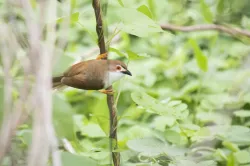
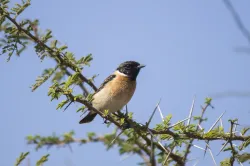
Standing between 17 and 19 centimeters in length, the Merida Brushfinch presents a sophisticated and subtle color palette that aids its camouflage within the dense understory. The primary plumage is characterized by a deep, smoky grey, which covers much of the bird's mantle and wings, providing a stark contrast to the vibrant olive tones found on its back and flight feathers. These olive highlights are particularly noticeable when the bird is in flight or catching the filtered sunlight of the cloud forest. Its head features a distinct pattern, often including dark patches that frame the face, highlighting a sharp, conical bill perfectly adapted for foraging through thick vegetation. The underparts are typically lighter, fading into a soft, pale grey that helps the bird blend into the shadows of the canopy. The legs are strong and dark, designed for perching on thin, moss-covered branches, while the eyes remain alert and bright, scanning the environment for potential threats or food sources. This combination of muted earth tones makes it a master of stealth in its natural habitat.
Habitat
The Merida Brushfinch is strictly confined to the humid montane forests and shrubby paramo edges of the Venezuelan Andes. It thrives at elevations typically ranging from 2,000 to 3,000 meters above sea level, where the climate is cool and perpetually moist. This bird favors areas with dense thickets, bamboo stands, and tangled vegetation that provide both cover from aerial predators and abundant nesting sites. The high-altitude cloud forests offer a consistent supply of moisture, allowing for a lush growth of epiphytes and mosses that the brushfinch utilizes for building its complex nest structures. Due to its specialized environmental requirements, the Merida Brushfinch is highly sensitive to habitat fragmentation and deforestation, making the preservation of high-altitude corridors vital for its long-term survival in the region.
Diet
As an opportunistic feeder, the Merida Brushfinch maintains a diverse diet that varies depending on the seasonal availability of resources in the Andean highlands. Its primary food sources consist of small insects, spiders, and other invertebrates, which it skillfully gleans from the undersides of leaves and within the dense foliage of the understory. In addition to its insectivorous habits, it is known to consume a variety of small berries, seeds, and fruits native to the cloud forest. The bird’s strong, conical beak allows it to crush tough seed casings, providing access to nutrients that many other songbirds cannot reach. During the wetter months, the abundance of larvae and insects becomes the primary focus for foraging, while in the drier periods, the bird relies more heavily on plant material to sustain its energy levels.
Breeding and Nesting
The breeding season for the Merida Brushfinch is closely tied to the regional rainy cycles, which ensure an abundance of food for growing chicks. Pairs are generally monogamous and invest significant time in constructing a bulky, cup-shaped nest, typically hidden deep within a thicket or a dense cluster of bamboo. The nest is meticulously woven using moss, rootlets, and fine grasses to provide insulation against the chilly Andean night temperatures. Once the nest is complete, the female usually lays a clutch of two to three eggs, which are often pale blue or white with fine brown speckling. Both parents participate in the incubation process, which lasts roughly two weeks. After hatching, the chicks are fed a protein-rich diet of regurgitated insects until they are ready to fledge, usually within three weeks of birth.
Behavior
The Merida Brushfinch is primarily a secretive and solitary bird, though it is occasionally observed in pairs or small family groups during the post-breeding season. It spends the majority of its day foraging near the ground or in the lower levels of the forest canopy, moving with quick, darting motions. Despite its shy nature, the male will occasionally sing from a semi-exposed perch during the early morning hours, producing a series of melodic, high-pitched whistles to defend its territory. It is highly territorial and will vigorously drive away other brushfinches that encroach upon its preferred foraging patches. Its flight is typically short and direct, moving quickly from one protective thicket to another to avoid detection.
Conservation Status
-
LC
Least Concern
Currently, the Merida Brushfinch is categorized as a species of concern due to its limited geographic range and the increasing pressures placed on its highland habitat. The primary threats include agricultural expansion, cattle grazing, and the impact of climate change on high-altitude cloud forest ecosystems. Because the species is endemic to a specific region of the Venezuelan Andes, any loss of forest cover represents a significant risk to the entire population. Conservation efforts are currently focused on identifying critical nesting sites and promoting sustainable land-use practices among local communities to ensure that these unique birds have the necessary space to thrive.
Interesting Facts
- The Merida Brushfinch is considered an endemic treasure of the Venezuelan Andes.
- Its scientific name, Atlapetes meridae, directly references the Merida region where it was discovered.
- It uses its strong bill to forage through dense, mossy vegetation that is inaccessible to other birds.
- This species is highly sensitive to changes in humidity, reflecting its dependence on cloud forest health.
- It is rarely seen in open areas, preferring the deepest, most tangled parts of the undergrowth.
- The bird's song is a vital tool for researchers to identify population density in remote mountain areas.
Tips for Birdwatchers
For birdwatchers hoping to spot the Merida Brushfinch, patience is the most valuable tool. Because the species is notoriously shy, it is best to visit high-elevation cloud forests during the early morning hours when the birds are most active and vocal. Utilizing playback of their song can be effective, but should be used sparingly to avoid causing unnecessary stress to the birds. Wear neutral-colored clothing to blend into the forest environment and move slowly through the understory. Focus your search on areas with dense bamboo or tangled shrubbery near water sources. Bringing high-quality binoculars or a spotting scope is essential, as the bird often remains partially obscured by foliage even when it is nearby. Always prioritize ethical birding practices by keeping a respectful distance from active nests.
Conclusion
The Merida Brushfinch stands as a testament to the incredible biological diversity hidden within the rugged peaks of the Venezuelan Andes. With its elegant grey and olive plumage and its secretive yet fascinating behavior, it offers a rewarding experience for any dedicated ornithologist or bird enthusiast willing to venture into its high-altitude domain. While the challenges facing this species—namely habitat loss and environmental instability—are significant, the ongoing efforts to document and protect its territory provide a glimmer of hope for its future. By appreciating the unique life history and ecological importance of the Merida Brushfinch, we can better understand the necessity of preserving the world's most fragile ecosystems. Whether you are observing them in their natural habitat or studying them through academic research, these birds serve as a vivid reminder of the beauty and complexity of avian life. As we move forward, continued support for conservation and habitat protection remains the most effective way to ensure that this remarkable brushfinch continues to sing in the misty forests of Merida for generations to come.
Merida Brushfinch Distribution Map & Range
The distribution map for this species will be available soon.
We are working with our official data partners to update this information.