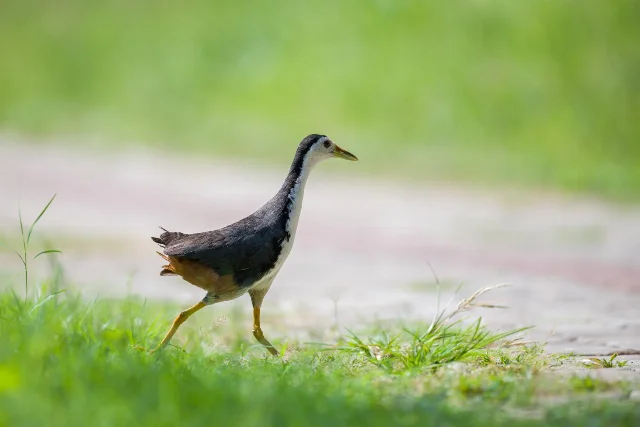
Bridled Sparrow Basic Information
| Scientific Name |
Peucaea mystacalis
|
| Status |
LC
Least Concern
|
| Size |
12-14 cm (5-6 inch)
|
| Colors |
|
| Type |
|
| Family |
New World sparrows |
Introduction
The Bridled Sparrow (Peucaea mystacalis) is a fascinating member of the perching bird family, known for its distinctive plumage and elusive nature. Often overlooked by casual observers, this small bird holds a special place in the hearts of ornithologists and dedicated birders who appreciate the subtle beauty of North American sparrows. Primarily found in specific arid regions, the Bridled Sparrow has adapted remarkably well to its environment, showcasing the resilience of avian species in changing climates. As a member of the Passeriformes order, it exhibits the quintessential characteristics of perching birds, including agile movement and a strong, conical beak suited for a varied diet. Understanding the Bridled Sparrow requires a deep dive into its unique biological traits, behavioral patterns, and the ecological niches it occupies. This guide provides an in-depth look at what makes this species a captivating subject for study and observation, highlighting its role in the ecosystem and the ongoing efforts to ensure its survival in the wild.
Physical Appearance
Measuring between 12 and 14 cm, the Bridled Sparrow is a compact and elegantly proportioned bird. Its primary coloration is a rich, earthy brown, which provides exceptional camouflage against the dry grasses and scrubby vegetation it calls home. This brown plumage is intricately streaked, allowing the bird to blend seamlessly into its surroundings when threatened. Complementing the brown base are soft grey tones, often found on the nape and underparts, which lend the bird a sophisticated, understated aesthetic. The species gets its name from the distinctive 'bridle' or facial markings that frame its eyes and throat, creating a striking contrast against its muted body colors. Its wings are relatively short but powerful, enabling quick, fluttering flights between perches. The tail is often held at a slight angle, and its eyes, dark and inquisitive, are well-adapted for detecting movement in the low light of dawn and dusk. Overall, the physical appearance of the Bridled Sparrow is a masterclass in natural selection, balancing aesthetic appeal with the practical necessities of concealment and survival.
Habitat
The Bridled Sparrow is primarily associated with arid and semi-arid environments, favoring regions characterized by sparse shrubbery, open grasslands, and desert scrub. These birds are highly selective about their environment, often requiring a specific density of woody plants mixed with ground-level vegetation to provide both foraging opportunities and protective cover. They are frequently found in areas where tall grasses provide nesting materials and insects are abundant. Because they rely on these specific ecological conditions, their range is often fragmented. Conservation of these habitats is crucial, as the Bridled Sparrow is sensitive to land development, overgrazing, and the encroachment of invasive plant species that alter the natural balance of their preferred desert ecosystems.
Diet
As an omnivorous species, the diet of the Bridled Sparrow is varied and opportunistic. During the warmer months, they feed extensively on a wide array of insects, including grasshoppers, beetles, and small caterpillars, which provide the high protein content necessary for breeding and raising chicks. As the seasons shift and temperatures drop, their dietary focus transitions toward seeds and plant matter. They are often seen foraging on the ground, using their strong, conical beaks to crack open tough seeds found in the leaf litter. This dual-diet strategy allows the Bridled Sparrow to thrive in environments where food availability fluctuates significantly throughout the year, ensuring they can maintain their energy levels even in harsh conditions.
Breeding and Nesting
The breeding season for the Bridled Sparrow is a period of intense activity and territorial defense. Males perform elaborate song displays to attract mates and establish their nesting boundaries. Once a pair is formed, they work collaboratively to construct a cup-shaped nest, typically hidden deep within the dense foliage of a low-lying shrub or at the base of a clump of bunchgrass. The nest is meticulously crafted using fine grasses, rootlets, and occasionally lined with softer materials like animal hair or downy plant fibers for insulation. A typical clutch consists of three to five pale, lightly speckled eggs. Both parents are highly attentive, sharing the responsibilities of incubation and the demanding task of feeding the voracious nestlings. This investment in parental care is essential for the survival of the young in their challenging, predator-prone environment.
Behavior
Behaviorally, the Bridled Sparrow is a cautious and somewhat shy bird, often remaining hidden within the brush until it feels secure. They are not typically migratory, preferring to remain within their established territories throughout the year. Their movement is characterized by short, rapid flights, often darting from one bush to another to avoid detection. Despite their shyness, they can be vocal during the breeding season, with males singing from elevated perches to announce their presence. They are social birds within their small family units but can become territorial when competing for resources. Their ability to remain still for long periods is a key survival strategy, allowing them to evade predators like snakes and small raptors.
Conservation Status
-
LC
Least Concern
The conservation status of the Bridled Sparrow is a point of concern for ornithologists. While not currently listed as critically endangered, the species faces significant threats from habitat loss and degradation. The conversion of natural scrubland into agricultural land or urban development directly reduces the available nesting and foraging grounds. Climate change also poses a risk, as it alters the timing of insect emergence and plant growth, potentially disrupting the delicate synchronization required for successful breeding. Monitoring programs and habitat restoration initiatives are essential to protect the long-term viability of this unique sparrow species across its range.
Interesting Facts
- The Bridled Sparrow is named for the unique, bridle-like markings on its face.
- It is a non-migratory species, meaning it stays in its home range year-round.
- Despite being small, they are incredibly territorial during the breeding season.
- They are experts at 'freezing' to avoid detection by predators.
- Their diet shifts seasonally from protein-rich insects to hardy seeds.
- They build their nests close to the ground, relying on thick foliage for protection.
Tips for Birdwatchers
For birdwatchers hoping to spot the elusive Bridled Sparrow, patience is your greatest asset. Because they are shy and prefer to stay hidden, you should focus on areas with dense, low-growing scrub early in the morning or just before dusk when they are most active. Use high-quality binoculars and approach potential sites slowly, minimizing noise to avoid startling them. Learning their specific song is also highly recommended, as hearing them is often much easier than seeing them. If you find a potential nesting site, maintain a respectful distance to ensure you do not disturb their nesting cycle. Recording your observations in a birding app can also contribute to citizen science efforts, helping researchers track population trends and distribution patterns of this wonderful species.
Conclusion
In conclusion, the Bridled Sparrow (Peucaea mystacalis) is a remarkable example of avian adaptation to arid landscapes. From its distinctive facial markings and camouflaged plumage to its complex social behaviors and nesting strategies, this bird offers a wealth of knowledge for those willing to observe it closely. While it may not be the most colorful or common bird in the sky, its role within its desert habitat is vital. As human activity continues to impact natural ecosystems, the Bridled Sparrow serves as a sentinel species, reminding us of the importance of preserving the diverse habitats that support such unique wildlife. Whether you are a seasoned ornithologist or a passionate backyard birder, taking the time to learn about and protect the Bridled Sparrow enriches our connection to the natural world. By fostering a greater understanding of its life cycle and habitat needs, we can play an active role in ensuring that this resilient little perching bird continues to thrive for generations to come. Let us remain committed to the conservation of these quiet, beautiful inhabitants of our wild spaces, ensuring they always have a place to call home.
Bridled Sparrow Distribution Map & Range
The distribution map for this species will be available soon.
We are working with our official data partners to update this information.