

Dark-eyed Junco
Junco hyemalis
Last update: 05 Aug 2026
Read in:
English
Español
Português
हिन्दी
বাংলা
தமிழ்
മലയാളം
मराठी
ગુજરાતી
తెలుగు
French
Deutsch
Русский
日本語
简体中文
Italiano
Tiếng Việt
العربية
ಕನ್ನಡ
ਪੰਜਾਬੀ
Dark-eyed Junco Basic Information
| Scientific Name | Junco hyemalis |
|---|---|
| Status | LC Least Concern |
| Size | 13-17 cm (5-7 inch) |
| Colors |
Gray
White
|
| Type |
Perching Birds

|
| Family | New World sparrows |
Introduction
The Dark-eyed Junco (Junco hyemalis), often affectionately referred to as the 'snowbird,' is one of the most recognizable and widespread songbirds across North America. As a member of the sparrow family, this perching bird is a common sight in backyards, forests, and mountain regions during the colder months. Known for their distinct gray plumage and white underbelly, Juncos are highly adaptable creatures that have captured the hearts of bird enthusiasts for generations. Their presence often signals the onset of winter, as many populations migrate south from their northern breeding grounds in Canada and Alaska. Despite their small size, they are remarkably resilient, thriving in diverse environments ranging from coniferous forests to suburban gardens. Understanding the life cycle and habits of the Dark-eyed Junco provides a fascinating glimpse into the avian world, showcasing how these small birds navigate seasonal shifts with ease. Whether you are a casual observer or a dedicated ornithologist, the Junco offers a rewarding subject for study, displaying complex social behaviors and vocalizations that define its unique role within the ecosystem.
Physical Appearance
The Dark-eyed Junco is a small, compact perching bird measuring between 13 and 17 centimeters in length. While there is significant regional variation in their appearance—often referred to as 'subspecies'—the classic eastern form is characterized by a sleek, dark gray hood that contrasts sharply with a bright white belly. This bicolor pattern is their most diagnostic feature, making them relatively easy to identify in the field. Their bill is typically a pale, flesh-colored pink, which stands out against their dark face. The wings are rounded, and the tail is long and dark, often flashing white outer tail feathers during flight—a trait that helps observers identify them even when they are quickly moving through brush. Their eyes are dark and bead-like, giving them a curious and alert expression. Juvenile Juncos may appear streaked, which serves as camouflage until they reach maturity. Overall, the physical design of the Junco is optimized for agility, allowing them to navigate dense undergrowth and forage efficiently on the forest floor, where they spend much of their time hopping rather than walking.
Habitat
Dark-eyed Juncos are highly adaptable, occupying a vast range of habitats throughout North America. During the breeding season, they prefer cool, moist coniferous or mixed forests, particularly those with dense understory vegetation that provides ample cover for nesting. You will frequently find them in mountainous regions, where they utilize high-altitude timberlines. As winter approaches, these birds expand their range significantly, moving into suburban areas, parks, and agricultural fields. They are particularly fond of areas that offer a mix of open ground for foraging and thickets or shrubs for protection from predators and harsh weather. Their ability to thrive in both pristine wilderness and human-altered landscapes is a testament to their ecological flexibility, making them one of the most frequently observed birds at backyard feeding stations during the winter months.
Diet
The diet of the Dark-eyed Junco is primarily granivorous, meaning they feed mostly on seeds. On the ground, they diligently search for fallen seeds from grasses, weeds, and trees, including sunflower seeds, millet, and buckwheat. During the spring and summer months, when protein is essential for growth and breeding, their diet shifts to include a significant portion of insects and arthropods. They are known to consume beetles, caterpillars, ants, and spiders, which they glean from the forest floor or catch in low-hanging branches. At backyard feeders, they are common visitors to ground-level platforms or tray feeders, where they readily consume a variety of seeds. Providing a reliable source of high-quality seeds can attract these charming birds to your garden throughout the winter, offering a great opportunity to observe their foraging behavior up close.
Breeding and Nesting
Breeding for the Dark-eyed Junco typically occurs between April and August, depending on the latitude and elevation. These birds are primarily ground nesters, choosing well-concealed spots on the forest floor, often tucked under the roots of trees, inside small depressions, or protected by rock ledges. The female is responsible for constructing the cup-shaped nest, weaving together a foundation of twigs, pine needles, and moss, and lining it with finer materials like hair, feathers, and soft grasses. A typical clutch consists of three to five pale, spotted eggs. The female performs the majority of the incubation, which lasts about 12 to 13 days. Once hatched, both parents actively participate in feeding the chicks, which typically fledge within two weeks. Their reliance on ground-level nesting makes them vulnerable to various predators, yet their ability to camouflage the nest effectively ensures the survival of their offspring.
Behavior
Dark-eyed Juncos are social birds that typically forage in small, loose flocks, especially during the winter months. They are known for their 'pecking order' behavior, where individuals establish a hierarchy within the flock to minimize conflict over food resources. When threatened, they often fly in tight, synchronized formations to confuse predators. Their vocalizations include a variety of soft, musical trills and chirps, which they use to communicate with flock mates. While they are generally peaceful, they can be territorial during the breeding season. They are remarkably active, spending most of their time hopping along the ground, using their feet to scratch at leaf litter to uncover hidden seeds, a behavior that is distinctly characteristic of this species.
Conservation Status - LC Least Concern
The Dark-eyed Junco is currently classified as 'Least Concern' by the IUCN Red List. Their population is remarkably stable and widespread, with millions of individuals across North America. Despite their success, they face ongoing threats from habitat loss due to deforestation and the impacts of climate change on their high-altitude breeding grounds. Additionally, window collisions and predation by domestic cats remain significant local risks. However, their adaptability to human environments has helped sustain their numbers, ensuring they remain a common fixture for birdwatchers across the continent for the foreseeable future.
Interesting Facts
- They are often called 'snowbirds' because they appear in many areas only when the snow begins to fall.
- Juncos have a unique 'flash' of white on their outer tail feathers that is clearly visible when they fly.
- They belong to the family Passerellidae, which includes many types of sparrows.
- There are several distinct color variants of Juncos, including the Oregon, Slate-colored, and White-winged forms.
- During the winter, Juncos form complex social hierarchies to manage their food sources effectively.
- They do not typically visit hanging bird feeders unless they have a platform tray attached.
Tips for Birdwatchers
To attract Dark-eyed Juncos to your yard, skip the traditional hanging tube feeders and opt for low-profile platform feeders or simply scatter seeds directly on the ground. They are particularly fond of white proso millet and black oil sunflower seeds. Because they are ground-foragers, maintaining a 'messy' area of your yard with some leaf litter or brush can provide natural foraging opportunities and shelter. If you are trying to identify different subspecies, pay close attention to the shades of gray and brown on their backs and wings. During winter, look for them in mixed-species flocks alongside chickadees and nuthatches. Keep your binoculars ready, as their quick, hopping movements can make them appear camera-shy. Patience is key; if you provide a quiet, food-rich environment, they will likely become regular visitors to your garden.
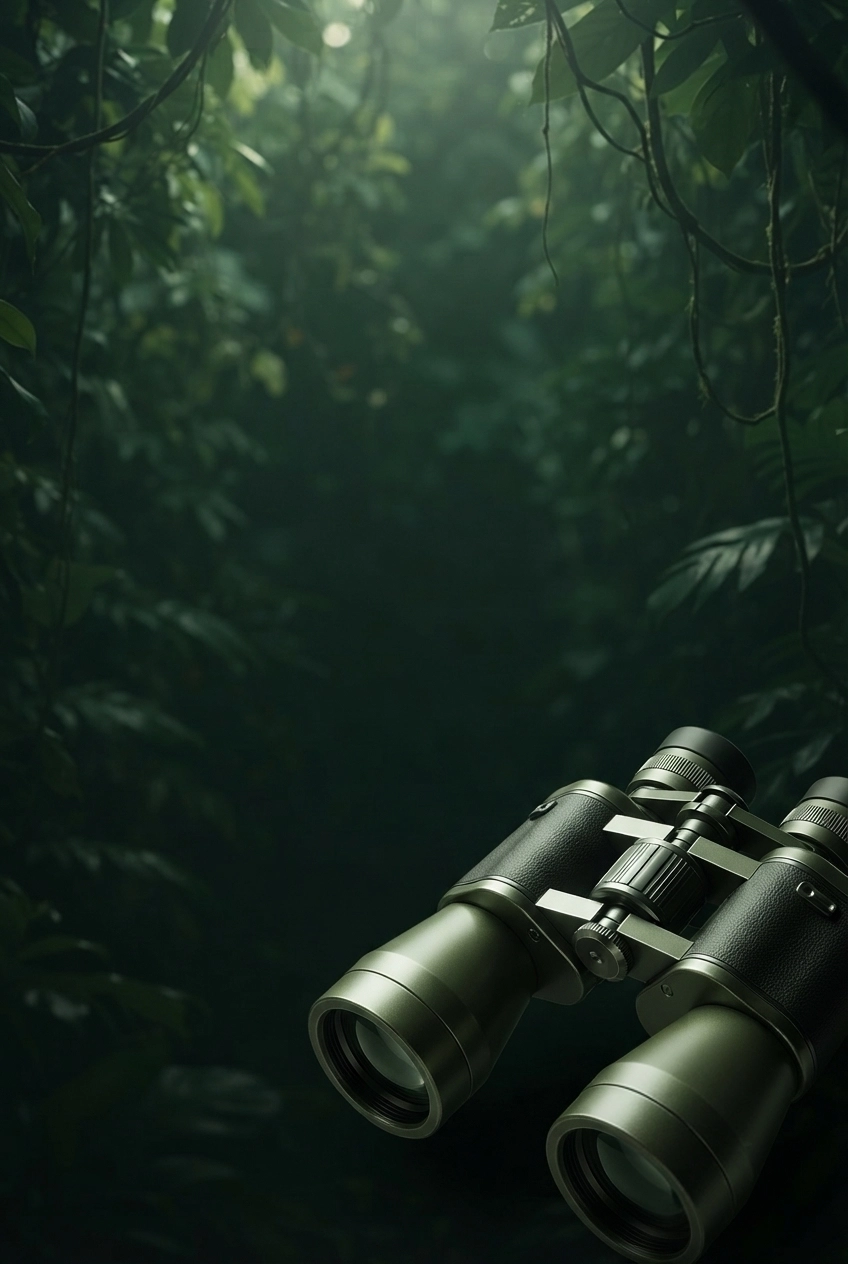
Pro-Tip: To spot this bird in dense forest canopy, a 8x42 binoculars or telescope is highly recommended.
- [Check out our top recommended gear here]
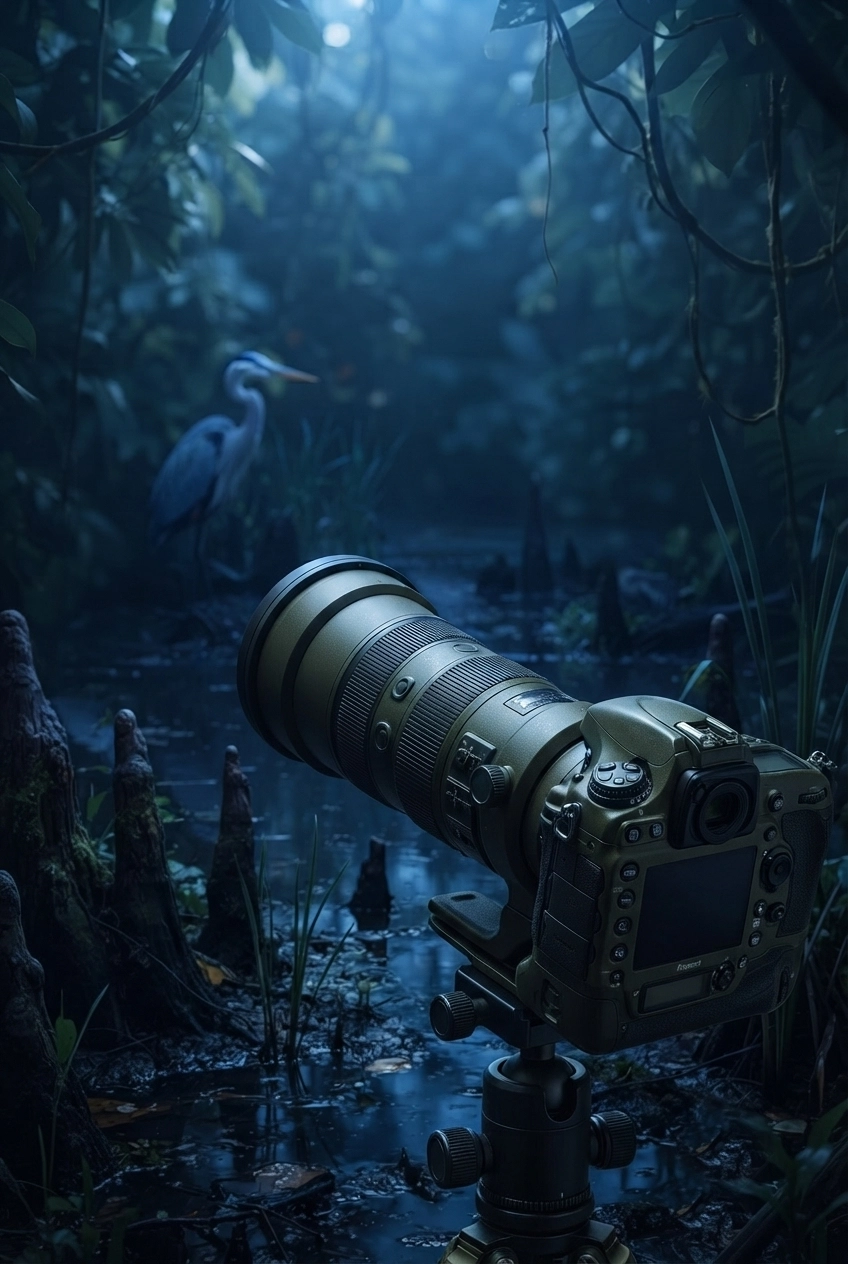
Pro-Tip: To capture the stunning beauty of this bird, a high-quality wildlife camera and lens are highly recommended.
- [Check out best wildlife cameras here]
Conclusion
The Dark-eyed Junco is a quintessential bird of the North American winter, bringing life and movement to otherwise quiet landscapes. Their subtle beauty, characterized by the elegant contrast of their gray and white plumage, serves as a gentle reminder of the resilience of nature in the face of seasonal change. By understanding their needs—from their preference for ground-level feeding to their specific nesting requirements—birdwatchers can create welcoming environments that support these delightful songbirds. As we continue to observe them in our backyards and forests, we gain a deeper appreciation for the complex behaviors and adaptations that allow them to thrive across such a vast and varied continent. Whether you are watching them scratch at the snow for a meal or listening to their soft, trilling songs on a crisp morning, the Dark-eyed Junco remains a beloved icon of the avian world. Their long-term conservation and the protection of their diverse habitats remain important goals for bird enthusiasts everywhere, ensuring that future generations can continue to enjoy the company of these charming 'snowbirds' as they signal the rhythm of the changing seasons. Protecting their natural habitats and keeping our backyards bird-friendly are simple yet effective ways to contribute to the well-being of this remarkable species.
Tag:

200 Follower
is a writer who draws. He’s the Bestselling author of “Number of The Year”. Donec vitae tortor efficitur, convallis lelobortis elit.
Recent Posts



Subscribe For Daily Newsletter