Black-fronted Brushfinch Distribution Map & Range
The distribution map for this species will be available soon.
We are working with our official data partners to update this information.

Sign in with your Google account to access all features


| Scientific Name | Atlapetes nigrifrons |
|---|---|
| Status | LC Least Concern |
| Size | 17-19 cm (7-7 inch) |
| Colors |
Olive
Black
|
| Type |
Perching Birds

|
| Family | New World sparrows |
The Black-fronted Brushfinch (Atlapetes nigrifrons) is a captivating member of the Passerellidae family, representing the rich avian biodiversity found within the Neotropical regions. Often overlooked due to their skulking nature in dense undergrowth, these perching birds are a delight for dedicated ornithologists and birdwatchers alike. As a specialized species, the Black-fronted Brushfinch plays a vital role in its ecosystem, acting as both a seed disperser and an insect controller. Its distinct plumage and specific habitat requirements make it a flagship species for regional conservation efforts. Understanding this bird requires a deep dive into its unique biology, from its preference for high-altitude Andean forests to its complex vocalizations. In this guide, we will explore every facet of the Black-fronted Brushfinch, providing a comprehensive resource for those looking to identify, study, or simply appreciate this magnificent species in its natural environment.
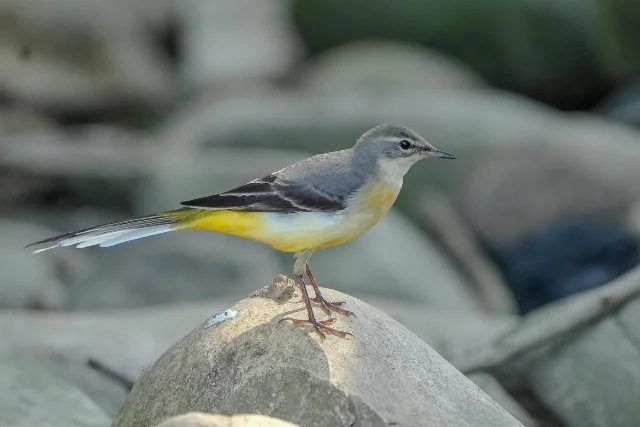
The Black-fronted Brushfinch is a medium-sized songbird, typically measuring between 17 and 19 cm in length. Its appearance is characterized by a striking contrast of colors that allow it to blend seamlessly into the shadows of the forest floor. The primary coloration is a rich, warm olive, which covers much of the bird's mantle, wings, and tail, providing excellent camouflage against leafy backgrounds. This earthy tone is sharply contrasted by its namesake feature: a distinct, deep black forehead and face mask. This dark facial pattern extends to the crown, giving the bird a bold, intense expression. The underparts are generally a lighter, yellowish-olive, which helps break up its silhouette when viewed from below. Its bill is robust and conical, perfectly adapted for its varied diet of seeds and small arthropods. The legs are sturdy, reflecting its life as a terrestrial-leaning percher that spends significant time hopping among low-lying shrubs and tangled thickets.
The Black-fronted Brushfinch is primarily found in the dense, humid montane forests of the Andes. These birds favor areas with heavy understory vegetation, including bamboo thickets, secondary growth, and the edges of primary forests. They are typically observed at mid-to-high elevations where the climate is cool and moisture is abundant. Because they are highly dependent on thick cover, they are rarely seen in open areas, preferring the security of tangled vines and shrubbery. This specific habitat requirement makes them vulnerable to deforestation and land-use changes, as they rely on the structural integrity of the forest floor and shrub layer to forage and hide from potential predators.
The diet of the Black-fronted Brushfinch is primarily omnivorous, consisting of a mix of plant and animal matter. They are known to forage near the ground, using their strong bills to probe through leaf litter and low-hanging branches in search of insects, spiders, and other small invertebrates. In addition to these protein sources, they consume a variety of small seeds, berries, and fruits found within their dense forest home. By shifting their diet seasonally based on food availability, these birds successfully maintain their energy levels throughout the year. Their foraging behavior is methodical, often moving in pairs or small family groups through the thick vegetation.
Breeding for the Black-fronted Brushfinch typically coincides with the peak of the rainy season, when food resources are most plentiful. These birds are known for their meticulous nest construction. They build cup-shaped nests, usually hidden deep within dense foliage, brambles, or bamboo clumps, which provides essential protection from predators. The nest is crafted from a combination of twigs, rootlets, moss, and fine plant fibers, often lined with softer material like hair or lichen to keep the eggs warm. A typical clutch size consists of two to three eggs, which are incubated primarily by the female. Both parents are highly attentive, sharing the responsibilities of feeding the nestlings once they hatch, ensuring their survival in the challenging environment of the forest undergrowth.
The behavior of the Black-fronted Brushfinch is defined by its secretive and cautious nature. These birds are rarely seen in the open, preferring to remain hidden within the safety of the underbrush. They are active during the early morning and late afternoon, spending their time hopping along branches or scratching at the forest floor. When threatened, they are quick to dive deeper into the foliage rather than taking flight. Despite their shy disposition, they are territorial and will defend their home range against intruders of their own species through vocal warnings and aggressive posturing if necessary.
Currently, the Black-fronted Brushfinch faces challenges related to habitat loss and fragmentation. As their range is restricted to specific montane forest ecosystems, any degradation of these areas directly impacts their population density. While they are not yet classified as critically endangered, the ongoing loss of primary forest in the Andes poses a significant long-term threat. Conservation initiatives focusing on reforestation and the protection of biological corridors are essential to ensure the survival of this species. Protecting the integrity of the understory is particularly critical for their continued existence.
For birdwatchers hoping to spot the Black-fronted Brushfinch, patience is the ultimate virtue. Because they are shy, you should avoid sudden movements and loud noises. The best time to search for them is at dawn or dusk when they are most active. Utilize your ears to identify their distinct calls before scanning the dense underbrush with high-quality binoculars. Focusing on areas with dense bamboo or tangled vines at the forest edge often yields the best results. If you remain still for long periods, these birds may eventually emerge from their cover to forage, allowing for a rewarding observation of their natural behavior in the wild.
The Black-fronted Brushfinch stands as a remarkable example of the beauty and complexity of avian life in the high-altitude forests of the Andes. Through our examination of its distinct olive-and-black plumage, its secretive behavior, and its specialized habitat requirements, we gain a deeper appreciation for the delicate balance of nature. This species not only contributes to the ecological health of its environment but also serves as a reminder of the fragility of our planet's biodiversity. As habitat loss continues to threaten many specialized forest birds, the Black-fronted Brushfinch highlights the critical need for continued research and conservation efforts. Whether you are a scientist, a conservationist, or an enthusiastic birdwatcher, understanding this bird is a rewarding endeavor. By protecting the environments where this brushfinch thrives, we preserve a vital piece of the natural world for future generations to enjoy. We hope this guide has provided valuable insights into the life of this fascinating bird and encourages you to learn more about the diverse world of perching birds.
We are working with our official data partners to update this information.
Tag:

Birds have their own beautiful world, we should not interfere in it. We should enjoy this beauty. Its beauty should be captured in the camera but be careful not to disturb them.
Tap a language to switch instantly.
Tap a language to switch instantly.