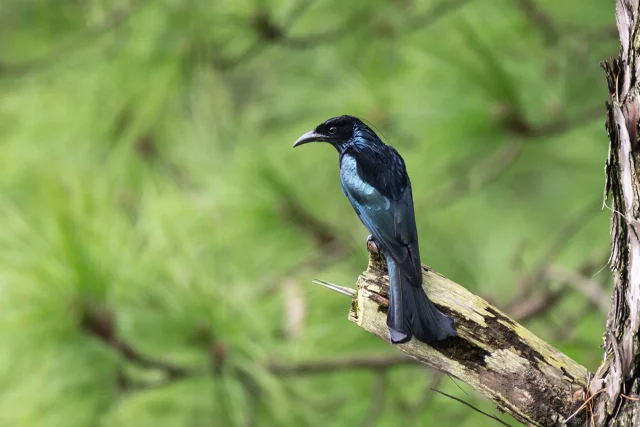
Vesper Sparrow Basic Information
| Scientific Name |
Pooecetes gramineus
|
| Status |
LC
Least Concern
|
| Size |
13-16 cm (5-6 inch)
|
| Colors |
|
| Type |
|
| Family |
New World sparrows |
Introduction
The Vesper Sparrow (Pooecetes gramineus) is a charming and somewhat understated inhabitant of North American grasslands. As a member of the perching bird family, it is often overlooked due to its cryptic coloration, which blends seamlessly into the dry, earthy tones of its environment. Known for its beautiful, melodic song that often rings out at dusk, the Vesper Sparrow derives its name from the Latin word 'vesper,' meaning evening. These birds are migratory, moving south during the winter months, and they are highly specialized in their habitat requirements, preferring open fields and prairies. Ornithologists and bird enthusiasts alike value the Vesper Sparrow as an indicator species for the health of grassland ecosystems. As human development continues to encroach upon native prairies, understanding the life history and ecological needs of the Vesper Sparrow has become increasingly important for conservation efforts across the continent.
Physical Appearance
Measuring between 13 and 16 cm in length, the Vesper Sparrow is a relatively small songbird characterized by its subtle yet distinct plumage. The primary color of this bird is a streaky, grayish-brown, which provides excellent camouflage against the soil and dried grasses of its native habitat. A key identifying feature is the white outer tail feathers, which are prominently displayed during flight. These white flashes serve as a diagnostic mark for birders, helping to distinguish them from other similar sparrow species. The breast and flanks are heavily streaked with dark brown, and the bird features a distinct white eye-ring that gives it a soft, alert expression. The bill is relatively short and conical, perfectly adapted for a seed-based diet. While both males and females share similar coloration, the Vesper Sparrow's overall appearance is designed for concealment, allowing it to navigate open environments while remaining protected from aerial predators by its neutral, earth-toned feathers.
Habitat
The Vesper Sparrow is a true specialist of open country landscapes. They are most commonly found in short-grass prairies, agricultural fields, pastures, and dry, open meadows. Unlike many forest-dwelling birds, the Vesper Sparrow requires vast, unobstructed spaces to forage and nest. They are particularly attracted to areas with patches of bare ground, which they use for dusting and foraging. In the northern parts of their breeding range, they may occupy hayfields and fallow meadows. During the winter, their habitat requirements remain similar, favoring open, semi-arid regions. Because they depend on stable grassland environments, the fragmentation of these habitats due to urban expansion and intensive farming poses a significant challenge to their population stability.
Diet
The diet of the Vesper Sparrow is diverse and changes according to the season. During the spring and summer, when they are actively raising young, their primary food source consists of insects and other invertebrates. They are known to consume a wide variety of beetles, grasshoppers, moths, and caterpillars, which provide the high protein content necessary for rapid chick development. As the seasons shift toward autumn and winter, the Vesper Sparrow transitions to a diet primarily composed of seeds. They forage on the ground, utilizing their strong bills to crack open the seeds of various grasses and weeds found in their open-field habitats. This dietary flexibility allows them to survive in environments where food availability fluctuates significantly throughout the year.
Breeding and Nesting
Breeding for the Vesper Sparrow typically occurs from late spring through mid-summer. Unlike many other sparrow species that nest in trees or dense shrubs, the Vesper Sparrow is a ground-nester. They carefully construct their nests in a shallow depression in the soil, often hidden beneath a clump of grass or a small shrub for protection against the elements and predators. The nest is built using a combination of fine grasses, rootlets, and occasionally lined with animal hair or softer plant materials. A typical clutch size ranges from three to five eggs, which are incubated by the female for about two weeks. Both parents are actively involved in feeding the nestlings, ensuring that the young birds receive enough nourishment to fledge within approximately ten to twelve days after hatching.
Behavior
The behavior of the Vesper Sparrow is defined by its preference for ground-level activity. They are shy birds that prefer to run along the ground rather than fly when disturbed, making them difficult to spot in tall vegetation. When they do take flight, they exhibit a characteristic undulating pattern, often revealing their white outer tail feathers. Their singing behavior is particularly notable; males frequently perch on fence posts, low bushes, or even the ground to sing their melodious songs. They are most vocal during the early morning and, as their name suggests, during the evening hours, signaling their territorial boundaries to rivals and potential mates.
Conservation Status
-
LC
Least Concern
Currently, the Vesper Sparrow is classified as a species of least concern globally, but they face localized declines due to habitat loss. The conversion of native grasslands into intensive monoculture farmland and suburban housing developments has drastically reduced the amount of suitable nesting ground for these birds. Conservationists emphasize the importance of maintaining fallow fields and implementing bird-friendly agricultural practices to support their populations. Protecting large, contiguous tracts of prairie and meadow land is essential for ensuring the long-term survival of this unique grassland sparrow.
Interesting Facts
- The name 'Vesper' comes from the Latin word for evening, chosen because the bird sings beautifully at dusk.
- They are one of the few sparrow species that are obligate ground-nesters.
- The white outer tail feathers are a key field mark for identifying them in flight.
- They are excellent at camouflage, often blending perfectly with dry, sandy soil.
- Vesper Sparrows are known to perform 'distraction displays' to lead potential predators away from their nests.
- They prefer to run along the ground rather than fly when foraging for insects.
Tips for Birdwatchers
For birdwatchers hoping to spot a Vesper Sparrow, timing and patience are essential. Visit open prairies or large, fallow agricultural fields during the early morning or late evening when the males are most active and vocal. Bring a high-quality pair of binoculars to look for the distinct white eye-ring and the white outer tail feathers, which are the most reliable indicators of the species. Since they are ground-dwelling, scan the base of fence posts or patches of bare ground. Avoid walking too deep into fields during the breeding season to prevent disturbing hidden nests. If you hear a series of musical, trilling notes, pause and scan the low perches nearby; you will likely find a Vesper Sparrow proclaiming its territory.
Conclusion
The Vesper Sparrow is a fascinating subject for both amateur birders and professional ornithologists. Its adaptation to the open, often harsh environments of the North American grasslands demonstrates the incredible resilience of nature. From its cryptic, earth-toned plumage that provides vital protection to its beautiful, twilight song that defines the atmosphere of the prairie, this bird is a quintessential part of the ecosystem. However, as we have explored, the future of the Vesper Sparrow is inextricably linked to the preservation of its habitat. As human activity continues to reshape the landscape, we must remain vigilant in our efforts to protect the open spaces that these birds depend upon. By supporting conservation initiatives, maintaining bird-friendly landscapes, and continuing to learn about their unique behaviors, we can ensure that the Vesper Sparrow continues to thrive for generations to come. Whether you are observing them in a vast meadow or simply learning about them from afar, the Vesper Sparrow serves as a gentle reminder of the importance of biodiversity and the delicate balance within our natural world.
Vesper Sparrow Distribution Map & Range
The distribution map for this species will be available soon.
We are working with our official data partners to update this information.