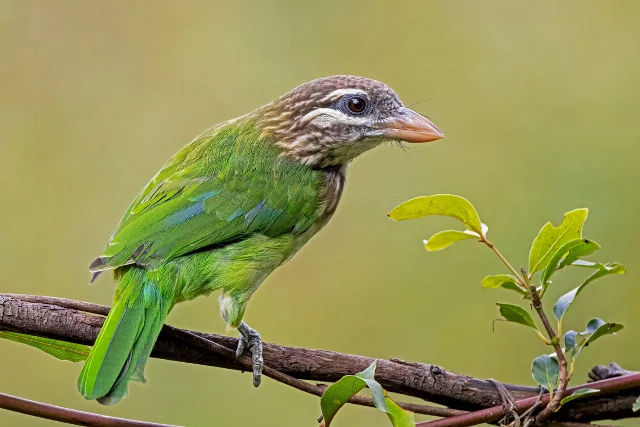
Tocuyo Sparrow Basic Information
| Scientific Name |
Arremonops tocuyensis
|
| Status |
LC
Least Concern
|
| Size |
13-14 cm (5-6 inch)
|
| Colors |
|
| Type |
|
| Family |
New World sparrows |
Introduction
The Tocuyo Sparrow, scientifically known as Arremonops tocuyensis, is a fascinating and elusive species of perching bird that captures the interest of ornithologists and bird enthusiasts alike. Belonging to the family Passerellidae, this small avian species is primarily restricted to specific arid regions within Venezuela. Often overshadowed by more colorful tropical birds, the Tocuyo Sparrow possesses a unique charm characterized by its subtle plumage and specialized environmental adaptations. Understanding this bird is crucial not only for its biological significance but also for the broader context of conservation in the xeric shrublands it calls home. As a species with a relatively limited geographic range, the Tocuyo Sparrow serves as an indicator of the ecological health of its habitat. Through ongoing research and field observations, experts continue to uncover the complexities of its life cycle, social dynamics, and the challenges it faces in an ever-changing landscape, making it a subject of high priority for regional avian studies.
Physical Appearance
Standing at a modest size of 13 to 14 centimeters, the Tocuyo Sparrow is a compact and well-proportioned bird perfectly adapted to its environment. Its primary coloration is a sophisticated grey, which covers much of its underparts and head, providing excellent camouflage against the dusty, arid terrain of its native habitat. This primary hue is complemented by a rich, earthy brown found on its wings, back, and crown, creating a subtle yet distinct contrast that distinguishes it from other closely related sparrow species. The bird features a relatively short, stout bill suited for its varied diet, and its eyes are typically framed by soft, neutral tones that blend seamlessly with its overall plumage. Its legs and feet are robust, allowing it to move efficiently through dense, thorny scrub vegetation. Despite its lack of vibrant colors, the Tocuyo Sparrow exhibits a refined elegance, with its muted color palette serving as a highly effective form of natural concealment that helps it avoid predators in open, dry landscapes.
Habitat
The Tocuyo Sparrow is a specialist, almost exclusively restricted to the xeric shrublands and dry forest regions of northern Venezuela. It thrives in areas characterized by low-lying, thorny vegetation, cacti, and scattered deciduous trees that can withstand prolonged periods of drought. These arid environments, often referred to as 'espinares,' provide the essential cover and nesting sites required for the species to survive. Unlike many other sparrows that prefer grasslands or wetlands, the Tocuyo Sparrow is perfectly evolved for the harsh, sandy soils and intense sunlight of its habitat. It is rarely found far from the dense thickets that offer protection from both the elements and potential threats, making the preservation of these specific arid ecosystems vital for the continued survival of the species.
Diet
The diet of the Tocuyo Sparrow is primarily composed of seeds, small fruits, and insects, reflecting the resources available in its arid, scrub-heavy environment. As a ground-foraging bird, it spends a significant portion of its day hopping through the leaf litter or beneath thorny bushes, searching for fallen seeds and small invertebrates. During the breeding season, the intake of insects increases, providing the necessary protein boost required for raising chicks. It is an opportunistic feeder, capable of consuming a wide variety of plant matter that survives the harsh dry seasons. By foraging in the undergrowth, the Tocuyo Sparrow plays a minor but important role in seed dispersal within its ecosystem, helping to maintain the botanical diversity of the Venezuelan shrublands.
Breeding and Nesting
Breeding for the Tocuyo Sparrow is closely tied to the seasonal rainfall patterns in its native region. During the onset of the wet season, when food resources become more abundant, these birds initiate their reproductive cycle. They are known to construct cup-shaped nests, meticulously woven from twigs, grasses, and fine fibers, usually concealed deep within the safety of a thorny shrub or cactus. A typical clutch consists of two to three eggs, which are incubated primarily by the female for about two weeks. Both parents participate in the demanding task of feeding the chicks, bringing a steady supply of insects to the nest. The well-hidden nature of their nests is a crucial evolutionary strategy, protecting the vulnerable offspring from the various predators that inhabit the arid scrublands of northern Venezuela.
Behavior
The Tocuyo Sparrow is a relatively shy and elusive bird, often preferring to remain hidden within the dense cover of its shrubby habitat. It is not typically seen in large flocks, often being observed alone or in pairs. When it does move, it does so with quick, jerky hops, remaining close to the ground where it can easily vanish into the shadows of the brush. While it is not known for elaborate vocalizations, it does possess a series of sharp, simple calls used for territorial signaling and communication with a mate. Its behavior is characterized by high levels of vigilance, as it must constantly remain alert to the presence of raptors and other threats that frequent its open, arid surroundings.
Conservation Status
-
LC
Least Concern
The conservation status of the Tocuyo Sparrow is currently a concern for ornithologists due to its limited geographic range and the ongoing degradation of its habitat. The encroachment of agricultural activities and human development in the arid regions of Venezuela poses a direct threat to the availability of the thickets this bird requires. While it is not currently classified as critically endangered, its status as a range-restricted species necessitates careful monitoring. Protecting the integrity of its unique xeric habitat is the most effective way to ensure the long-term survival of this sparrow, as any significant loss of nesting or foraging ground could lead to a decline in its population.
Interesting Facts
- The Tocuyo Sparrow is named after the Tocuyo River basin in Venezuela.
- It is one of the few sparrow species perfectly adapted to life in extremely arid, thorny scrublands.
- Its plumage is specifically evolved to match the dusty colors of its desert-like environment.
- Despite its name, it is not closely related to the common House Sparrow found in urban areas.
- The species is often considered a 'specialist' bird, making it a favorite among serious birdwatchers.
- It primarily nests in dense, thorny bushes to protect its young from predators.
- The bird's vocalizations are often described as subtle and understated compared to other songbirds.
Tips for Birdwatchers
For birdwatchers hoping to spot the elusive Tocuyo Sparrow, patience is the most important tool. Because of their shy nature and preference for dense, thorny thickets, you should focus your efforts on early morning hours when activity is highest. Use high-quality binoculars and remain as still as possible near the edges of scrubby vegetation. Listen carefully for subtle, repetitive calls, as the bird will often stay hidden in the shadows. It is highly recommended to seek the guidance of a local expert familiar with the specific terrain in Venezuela, as they can help locate the exact areas where these birds are most frequently sighted while ensuring you do not disturb their fragile nesting sites.
Conclusion
In conclusion, the Tocuyo Sparrow (Arremonops tocuyensis) stands as a testament to the incredible diversity of bird life found in the arid landscapes of Venezuela. Though it may lack the vibrant colors of some of its tropical counterparts, its specialized adaptations and subtle beauty make it a truly remarkable species. From its unique diet centered on desert vegetation to its complex nesting strategies, every aspect of its life is finely tuned to survive in a challenging environment. As we continue to study and appreciate this bird, it becomes increasingly clear that the preservation of its habitat is essential. By valuing the Tocuyo Sparrow, we also contribute to the protection of the wider ecosystem, ensuring that these rare and specialized habitats continue to support life for generations to come. For birdwatchers and scientists alike, the Tocuyo Sparrow remains a captivating subject that highlights the importance of biodiversity and the need for dedicated conservation efforts in the face of environmental change.
Tocuyo Sparrow Distribution Map & Range
The distribution map for this species will be available soon.
We are working with our official data partners to update this information.