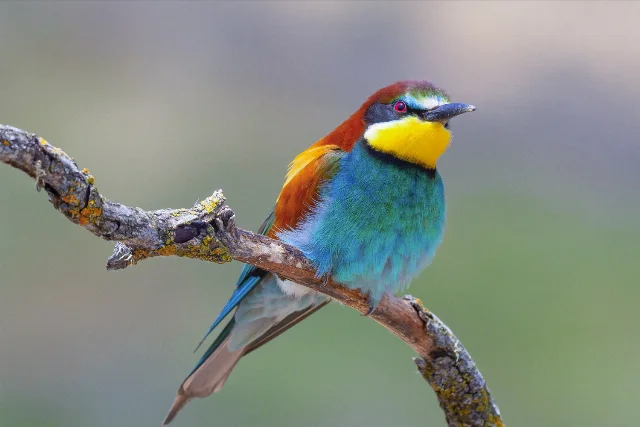
Maranon Sparrow Basic Information
| Scientific Name |
Arremon nigriceps
|
| Status |
NT
Near Threatened
|
| Size |
13-14 cm (5-6 inch)
|
| Colors |
|
| Type |
|
| Family |
New World sparrows |
Introduction
The Maranon Sparrow, scientifically known as Arremon nigriceps, is a fascinating and elusive member of the Passerellidae family. This distinct species of perching bird is highly sought after by ornithologists and dedicated birdwatchers due to its restricted geographical range and unique biological characteristics. Endemic to a small, specific region within the Maranon River valley of northern Peru, the Maranon Sparrow serves as a prime example of the incredible avian diversity found within the Andean foothills. Unlike more common sparrow species that may be found across vast continents, the Maranon Sparrow is tethered to specific micro-habitats that make its existence both specialized and vulnerable. Understanding the ecology of this bird provides critical insights into the conservation needs of the unique ecosystems of the Maranon drainage. As we delve into the life cycle, physical traits, and behavioral nuances of the Arremon nigriceps, we gain a greater appreciation for the delicate balance required to maintain such specialized avian life in the rapidly changing landscapes of South America.
Physical Appearance
Standing at a modest size of 13 to 14 cm, the Maranon Sparrow is a compact and well-proportioned bird that displays an elegant, understated color palette. Its primary coloration is dominated by sophisticated shades of grey, which provide excellent camouflage within its natural environment. This grey base is complemented by rich, warm brown tones that typically manifest on the wings and the mantle, creating a beautiful contrast that helps distinguish it from other local sparrow species. The bird's head is perhaps its most striking feature, often displaying a dark, bold pattern that contributes to its scientific name, 'nigriceps,' which references its dark head. Its bill is typically sturdy, adapted for a diet that requires crushing seeds or handling small invertebrates. The eyes are bright and alert, set against a facial pattern that gives the bird a concentrated, serious expression. When observed in the wild, the plumage of the Maranon Sparrow appears sleek and well-maintained, reflecting its active lifestyle as a perching bird that spends much of its time navigating dense undergrowth and low-hanging branches in search of sustenance.
Habitat
The Maranon Sparrow is strictly endemic to the arid and semi-arid scrublands found within the Maranon River valley of northern Peru. This specific habitat requirement is the primary reason for its limited distribution. The bird favors areas characterized by dense, thorny thickets, deciduous scrub, and the scrubby edges of dry forests. These environments provide the necessary cover from predators and protection from the harsh, direct sunlight of the valley floor. Because the Maranon Sparrow is a ground-dwelling and low-perching bird, it rarely ventures into the high canopy, preferring the tangled network of woody vegetation near the ground where it can forage effectively while remaining hidden from larger avian hunters.
Diet
The diet of the Maranon Sparrow is primarily omnivorous, typical of many members of the Arremon genus. It spends a significant portion of its day foraging on the ground or within the lowest strata of vegetation. Its sustenance consists mainly of a variety of seeds, small fruits, and berries that are seasonal to the scrubland habitat. Additionally, during the breeding season or when foraging for their young, these birds incorporate a variety of insects and small invertebrates into their diet. This high-protein intake is essential for the growth and development of nestlings. The sparrow uses its robust bill to forage through leaf litter and probe into the bark of low-lying shrubs, displaying impressive dexterity and persistence while hunting for hidden prey items.
Breeding and Nesting
Breeding habits of the Maranon Sparrow are closely tied to the seasonal rainfall patterns of the Maranon valley, which dictate the availability of food resources. Like many sparrows, they construct intricate, cup-shaped nests, typically positioned in the dense, thorny protection of low shrubs or thickets. The nest is carefully crafted using fine twigs, dry grasses, and lined with softer materials like animal hair or fine plant fibers to ensure the comfort and safety of the eggs. A typical clutch consists of two to three eggs, which are often pale with light speckling. Both parents demonstrate protective behavior, with the female usually taking the lead on incubation while the male guards the territory. Once hatched, both adults are actively involved in feeding the chicks, making frequent trips to provide a steady supply of insects to the rapidly growing brood until they fledge.
Behavior
The Maranon Sparrow is a relatively shy and elusive bird, often preferring to remain concealed within the depths of dense scrub. Unlike some songbirds that announce their presence from high perches, this species is more likely to be detected by its subtle movements or a soft, melodic call emanating from the underbrush. They are usually found singly or in pairs, rarely forming large flocks. Their movement is characterized by short, quick hops along the ground and agile flits between low branches. During the breeding season, males may become more territorial, occasionally engaging in brief, ritualized displays to defend their chosen nesting sites from encroaching rivals, though they generally maintain a low-profile existence throughout the year.
Conservation Status
-
NT
Near Threatened
Currently, the Maranon Sparrow is considered a species of conservation concern due to its extremely restricted range and the ongoing degradation of its native scrubland habitat. Agricultural expansion, overgrazing by livestock, and the general loss of dry forest ecosystems in the Maranon valley pose significant threats to its long-term survival. As an endemic species with no alternative habitat to retreat to, the Maranon Sparrow is particularly vulnerable to localized environmental changes. Conservation efforts focus on protecting remaining patches of suitable scrub and educating local communities about the importance of preserving these unique valley ecosystems for the sake of biodiversity.
Interesting Facts
- The name 'nigriceps' is derived from Latin, meaning 'black-headed.'
- They are almost exclusively found in the dry Maranon River drainage of Peru.
- Despite being a sparrow, they are quite shy and difficult to photograph.
- They are part of the 'brush-finch' group, often showing complex behavior near the ground.
- Their diet is highly seasonal, shifting based on the rainfall cycles of the valley.
- They are rarely seen above two meters from the ground, preferring the safety of thick cover.
- Ornithologists have studied them to understand the evolutionary history of Andean bird speciation.
Tips for Birdwatchers
For birdwatchers hoping to spot the elusive Maranon Sparrow, patience and preparation are paramount. Because the bird is shy and prefers thick, thorny scrub, you must be willing to move slowly and quietly through the habitat. Early morning is the best time for observation, as the birds are most active while foraging. Use high-quality binoculars and consider a camera with a fast shutter speed, as these birds are quick to dart into cover when disturbed. Learning their specific call beforehand is a major advantage, as you will likely hear them long before you catch a visual glimpse. Always maintain a respectful distance to avoid causing stress, especially during the sensitive breeding season, and ensure you remain on established trails to minimize impact on their fragile environment.
Conclusion
The Maranon Sparrow (Arremon nigriceps) represents the quiet beauty and ecological fragility of Peru's unique Maranon River valley. As a specialized inhabitant of dense, arid scrublands, this bird serves as a vital indicator of the health of its ecosystem. While its small size and elusive nature make it a challenge to observe, the reward for any dedicated birdwatcher is a deeper understanding of the niche adaptations that allow life to thrive in such specialized environments. Protecting the Maranon Sparrow is about more than just preserving a single species; it is about safeguarding the complex, interconnected web of life within the Andean foothills. As environmental pressures continue to mount, the responsibility to observe and advocate for these birds becomes increasingly important. By appreciating their role in the environment and supporting habitat conservation, we ensure that future generations can continue to study and admire this remarkable member of the avian world. Whether you are an experienced ornithologist or a casual bird enthusiast, the Maranon Sparrow remains a compelling subject that highlights the necessity of conservation and the endless wonder of the natural world.
Maranon Sparrow Distribution Map & Range
The distribution map for this species will be available soon.
We are working with our official data partners to update this information.