Dusky-headed Brushfinch Basic Information
| Scientific Name |
Atlapetes fuscoolivaceus
|
| Status |
NT
Near Threatened
|
| Size |
17-19 cm (7-7 inch)
|
| Colors |
|
| Type |
|
| Family |
New World sparrows |
Introduction
The Dusky-headed Brushfinch (Atlapetes fuscoolivaceus) is a fascinating and elusive member of the Passerellidae family. Endemic to the lush, mountainous regions of Colombia, this perching bird is a true treasure for ornithologists and bird enthusiasts alike. Often found navigating the dense undergrowth of the Andean slopes, its presence is usually signaled by soft, melodic chirps rather than visual sightings. As a specialized inhabitant of high-altitude ecosystems, the Dusky-headed Brushfinch plays a vital role in maintaining the biodiversity of its native cloud forests. Despite its relatively small stature, the bird commands respect for its resilience in adapting to fragmented landscapes. Understanding the life cycle, dietary needs, and environmental requirements of this species is essential for conservation efforts. As habitat loss continues to threaten many Andean avian species, the Dusky-headed Brushfinch serves as a poignant reminder of the delicate balance required to sustain life in one of the world's most biologically diverse regions. This guide explores the intricate details of this remarkable bird, from its distinct coloration to its complex nesting behaviors.
Physical Appearance
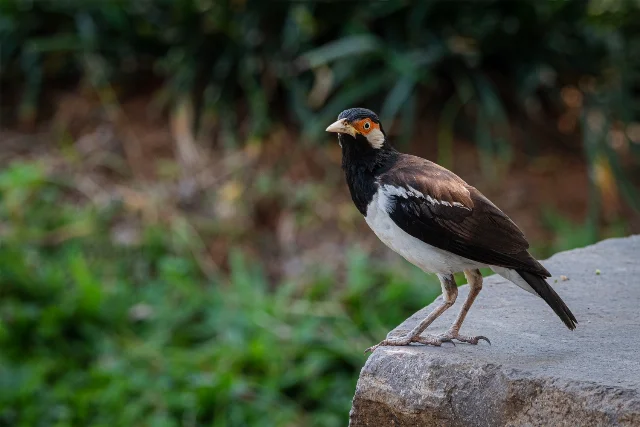
The Dusky-headed Brushfinch is a medium-sized songbird, measuring approximately 17 to 19 centimeters in length. Its most defining characteristic is the subtle yet elegant contrast between its primary and secondary plumage colors. As the name suggests, the bird features a distinctively dusky, grey-toned head, which provides a somber aesthetic that blends perfectly with the shadows of the forest floor. This grey coloration transitions gracefully into an olive-green mantle and wing coverts, which act as excellent camouflage against the moss-covered branches and foliage of its environment. The underparts typically exhibit a paler, lighter tone, often appearing yellowish or buff, which adds a layer of depth to its overall appearance. The bill is strong and conical, perfectly adapted for a varied diet consisting of seeds and small insects. Its eyes are often dark and alert, reflecting the bird’s cautious nature. The legs are sturdy and greyish, designed for agility while hopping between dense shrubs and low-hanging branches. Overall, the physical design of the Dusky-headed Brushfinch is a masterclass in evolutionary adaptation, allowing it to remain inconspicuous while thriving in the complex, layered vegetation of the Andes.
Habitat
The Dusky-headed Brushfinch is strictly restricted to the Andean mountain ranges of Colombia. It thrives in high-altitude environments, specifically targeting the dense, humid cloud forests and the edges of montane scrublands. These birds prefer habitats with thick, impenetrable understory vegetation, which provides both protection from predators and a consistent supply of food. They are rarely found in open fields, as they rely heavily on the structural complexity of the forest floor and low-level bushes. The prevalence of moss, epiphytes, and dense shrubs in these regions creates the ideal microclimate for the species, offering shelter from the frequent mountain rains and chilling winds that characterize these high-elevation zones.
Diet
The diet of the Dusky-headed Brushfinch is primarily omnivorous, reflecting the varied resources available in the Andean undergrowth. They are predominantly ground-foragers, using their stout bills to sift through leaf litter, soil, and moss to uncover small arthropods, larvae, and insects. In addition to animal protein, these birds consume a significant amount of plant matter, including small seeds, berries, and nectar from native flowers. This diverse diet ensures they can survive even when specific food sources become scarce due to seasonal changes. By foraging in the dense lower levels of the forest, they also perform a subtle role in seed dispersal, contributing to the health of their ecosystem.
Breeding and Nesting
Breeding for the Dusky-headed Brushfinch is a carefully timed event, usually coinciding with the periods of highest food availability following the rainy seasons. These birds are known for constructing intricate, cup-shaped nests hidden deep within dense foliage or thick, thorny shrubs to protect their young from potential threats. The nests are typically composed of fine twigs, dried grasses, rootlets, and lined with soft moss or animal hair for insulation. A typical clutch size consists of two to three eggs, which are incubated primarily by the female, while the male remains nearby to defend the territory and provide food. The nesting period is a critical time, and the parents demonstrate exceptional dedication, constantly remaining vigilant against predators while ensuring the chicks receive adequate nourishment until they are ready to fledge and begin their independent lives in the canopy.
Behavior
The behavior of the Dusky-headed Brushfinch is characterized by extreme caution and shyness. They are typically observed in pairs or small family groups, moving stealthily through the lower branches of bushes. They are not known for long-distance flights, preferring to hop or make short, fluttering movements between perches. When threatened, they quickly retreat deeper into the foliage, relying on their cryptic coloration to disappear from view. Despite their timid nature, they can be quite territorial during the breeding season, occasionally emitting sharp, scolding calls to warn off intruders. Their song, while soft, is a persistent and complex melody that helps maintain social bonds within the pair.
Conservation Status
-
NT
Near Threatened
The Dusky-headed Brushfinch currently faces significant challenges due to the rapid rate of deforestation and agricultural expansion in the Colombian Andes. As a species that relies on specific, undisturbed understory habitats, it is highly sensitive to environmental degradation. Habitat fragmentation has led to isolated populations, which reduces genetic diversity and increases the risk of local extinction. Conservation efforts are currently focused on protecting existing cloud forest corridors and reforestation projects that aim to restore the dense, shrubby layers the species requires. Increased awareness and local community involvement are vital to ensuring the long-term survival of this unique bird.
Interesting Facts
- The Dusky-headed Brushfinch is endemic to Colombia, meaning it exists nowhere else on Earth.
- Its grey and olive plumage is a form of camouflage, helping it hide in the shadows of cloud forests.
- They are primarily ground-dwellers, rarely seen flying high above the canopy.
- The species was historically difficult to study due to its secretive nature and preference for dense vegetation.
- They play a role in the ecosystem by controlling insect populations and aiding in minor seed dispersal.
Tips for Birdwatchers
For birdwatchers hoping to spot the Dusky-headed Brushfinch, patience is the most important tool. Because they are shy and inhabit dense undergrowth, relying on visual identification alone is often unsuccessful. Instead, focus on learning their specific calls and songs, which are often the first sign of their presence. Early mornings are the best time to venture into their habitat, as the birds are most active while foraging for food. Use a high-quality pair of binoculars and remain perfectly still near areas with thick shrubs. Avoiding sudden movements or loud noises is essential, as these birds are hyper-aware of their surroundings and will vanish into the brush at the slightest disturbance.
Conclusion
The Dusky-headed Brushfinch stands as a testament to the incredible specialization found within the Andean ecosystems. With its muted grey and olive plumage, it perfectly embodies the aesthetic of the cloud forest—subtle, elegant, and deeply integrated into the landscape. Throughout this guide, we have explored the multifaceted life of this bird, from its specific dietary habits as a ground-forager to its dedicated approach to nesting and raising its young. While it may not be the most flashy or loud bird in the forest, its role in the biodiversity of Colombia is undeniable. Unfortunately, the increasing pressures of habitat loss underscore the urgency of protecting the high-altitude regions they call home. By supporting conservation initiatives and practicing responsible, low-impact birdwatching, we can help ensure that future generations will have the opportunity to encounter this elusive brushfinch in the wild. Protecting the Dusky-headed Brushfinch is not just about saving one species; it is about preserving the rich, interconnected web of life that defines the majestic Andes. May we continue to cherish and study these magnificent creatures, ensuring they continue to thrive in the misty mountains for years to come.
Dusky-headed Brushfinch Distribution Map & Range
The distribution map for this species will be available soon.
We are working with our official data partners to update this information.