

Not available
Red Fox-sparrow
Passerella iliaca
Last update: 30 Jun 2026
Read in:
English
Español
Português
हिन्दी
বাংলা
தமிழ்
മലയാളം
मराठी
ગુજરાતી
తెలుగు
French
Deutsch
Русский
日本語
简体中文
Italiano
Tiếng Việt
العربية
ಕನ್ನಡ
ਪੰਜਾਬੀ
Red Fox-sparrow Basic Information
| Scientific Name | Passerella iliaca |
|---|---|
| Status | LC Least Concern |
| Size | 15-19 cm (6-7 inch) |
| Colors |
Reddish-brown
White
|
| Type |
Perching Birds

|
| Family | New World sparrows |
Introduction
The Red Fox-sparrow (Passerella iliaca) is a captivating member of the Passerellidae family, often celebrated by ornithologists and bird enthusiasts for its robust build and melodious, complex songs. As a perching bird, it displays a distinct personality that sets it apart from other common sparrows found across North America. These birds are primarily recognized for their rich, earthy colors and their penchant for scratching at leaf litter with a characteristic 'double-scratch' technique. They are highly migratory, moving between their dense, northern boreal breeding grounds and their more temperate wintering habitats. Understanding the Red Fox-sparrow requires a deep dive into its ecological role, its specific environmental requirements, and the subtle variations found across its subspecies. Whether you are a seasoned birder or a curious nature lover, exploring the life of the Red Fox-sparrow offers a window into the complex dynamics of avian survival, seasonal migration, and the intricate beauty of the North American wilderness. This comprehensive guide provides everything you need to know about this remarkable species.
Physical Appearance
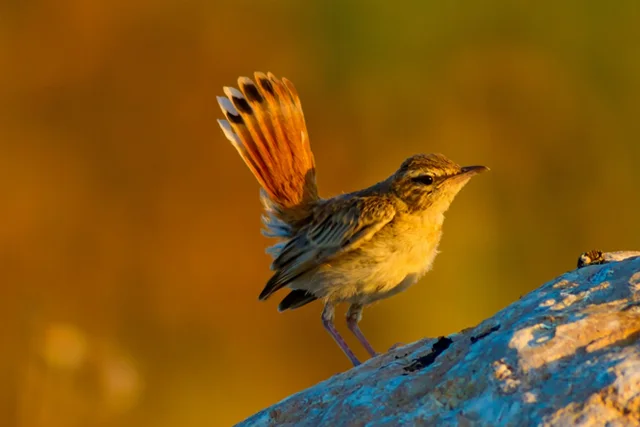
The Red Fox-sparrow is a medium-sized songbird, typically measuring between 15 and 19 centimeters in length. Its appearance is characterized by a striking palette of colors that allow it to blend seamlessly into forest floors. The primary color is a deep, rich reddish-brown, which covers the wings, tail, and back, often manifesting as bold streaks or spots across the chest. The secondary color is a crisp white, which serves as a base for the underparts and creates a strong contrast against the dark, heavy markings. The bird features a stout, conical bill perfectly adapted for crushing seeds and extracting insects from soil. Their eyes are dark and expressive, set within a head that often appears slightly crested or rounded depending on the bird's posture. In flight, the reddish-brown tail feathers are prominent, and the wing bars are often subtle or absent, distinguishing them from other sparrow species. Juveniles may appear slightly duller with more diffuse streaking, but the signature rusty-red tones remain a consistent identifier throughout their development, making them one of the most visually distinct sparrows in their range.
Habitat
The Red Fox-sparrow occupies a diverse range of habitats throughout its life cycle. During the breeding season, they prefer dense, shrubby thickets, coniferous forests, and the edges of boreal woodlands in northern Canada and Alaska. These areas provide the necessary cover for nesting and protection from predators. As winter approaches, they migrate to more southern latitudes, frequently settling in dense undergrowth, residential hedgerows, and woodland edges across the United States. They are rarely found in open fields, preferring the protection of thick vegetation where they can forage in the shadows of the forest floor. The availability of leaf litter is critical, as it provides the essential micro-habitats for their specialized feeding behaviors, allowing them to remain hidden while searching for food.
Diet
The diet of the Red Fox-sparrow is omnivorous and highly seasonal. During the warmer months, their intake consists largely of insects, spiders, and other small invertebrates, which provide the necessary protein for breeding and raising young. As the seasons change and food sources shift, they transition to a diet primarily composed of seeds, berries, and fallen fruit. Their foraging style is unique; they use a 'double-scratch' method, hopping forward and then backward while kicking the ground with both feet simultaneously to uncover hidden food items in the soil. This behavior makes them frequent visitors to bird feeders that offer ground-level seeds, particularly those containing millet, sunflower seeds, or cracked corn during the colder winter months when natural resources become scarce.
Breeding and Nesting
Breeding for the Red Fox-sparrow typically occurs in the remote northern regions of the continent. They are monogamous during the breeding season and begin their nesting process by selecting a well-concealed location, often low to the ground in dense bushes or shrubs, or occasionally on the mossy forest floor. The female is responsible for the majority of the nest construction, utilizing twigs, grasses, moss, and lining it with soft materials like feathers or animal fur. A typical clutch consists of three to five eggs, which are pale blue or green with reddish-brown speckles. The female incubates the eggs for approximately twelve to fourteen days. Both parents are actively involved in feeding the chicks, which typically fledge within two weeks of hatching. This period of intense parental care ensures the survival of the offspring in the harsh, unpredictable climate of the northern boreal forest.
Behavior
The Red Fox-sparrow is known for its shy and somewhat solitary nature, often preferring to remain within the safety of thick cover. They are rarely seen in large flocks, though they may congregate in loose groups during migration or at food sources. Their most distinctive behavioral trait is the 'double-scratch' foraging technique, which is both efficient and entertaining to observe. While they are usually quiet, their song is a beautiful, loud, and complex series of clear whistles and trills. During the breeding season, males are highly territorial, defending their chosen plot of land with persistent singing and aggressive displays toward intruders. Despite their secretive habits, they can become quite bold when searching for food in residential gardens during particularly harsh winter weather.
Conservation Status - LC Least Concern
Currently, the Red Fox-sparrow is classified under the 'Least Concern' category by major conservation organizations. Their population remains stable, supported by vast, relatively undisturbed breeding grounds in the northern boreal forests. However, they are not immune to environmental threats. Habitat loss due to industrial development, climate change affecting the timing of insect emergence, and the degradation of critical wintering grounds remain significant concerns for long-term population health. Continued monitoring and the protection of forest edges and thickets are essential to ensure that this charismatic sparrow continues to thrive across its expansive North American range.
Interesting Facts
- The 'double-scratch' foraging behavior is a specialized technique that helps them find food hidden under deep layers of leaf litter.
- They possess one of the most melodious and complex songs among all sparrow species.
- Their scientific name, Passerella iliaca, translates roughly to 'little sparrow' and 'thrush-like,' reflecting their appearance.
- They are highly migratory, with some populations traveling thousands of miles from Alaska to the southern United States.
- Despite their name, they are not closely related to foxes, though their color mimics the coat of a red fox.
- They are known to be quite hardy, often arriving at wintering grounds before the first snow falls.
Tips for Birdwatchers
For birdwatchers hoping to spot a Red Fox-sparrow, patience is the most valuable tool. Because they prefer dense cover, you should focus your efforts on the edges of woodlands or in thickets where the ground is covered in leaves. Early morning and late afternoon are the best times to observe them as they are most active during these periods. If you are birding in the winter, set up a ground-level feeding station with millet or sunflower seeds in a quiet, sheltered area of your yard. Use binoculars to look for their distinct reddish-brown streaked breast. Avoid sudden movements, as these birds are easily spooked and will quickly retreat into the deep brush if they sense danger. Listening for their unique, flute-like song can also help you locate them even when they are hidden from plain sight.
Pro-Tip: To spot this bird in dense forest canopy, a 8x42 binoculars or telescope is highly recommended.
- [Check out our top recommended gear here]
Conclusion
The Red Fox-sparrow (Passerella iliaca) stands as a testament to the resilience and beauty of North American songbirds. From their specialized foraging techniques to their complex, hauntingly beautiful songs, they offer a fascinating study for anyone interested in ornithology. Their reddish-brown plumage and distinct white underparts make them a joy to identify, provided one knows where to look. By maintaining healthy habitats and understanding their migratory needs, we can ensure that these birds continue to grace our forests and gardens for generations to come. Whether you are observing them in the deep, quiet boreal forests of the north or watching them forage in your own backyard during a cold winter day, the Red Fox-sparrow is a species that commands respect and admiration. As we continue to study their behavior and environmental requirements, we gain a greater appreciation for the delicate balance of nature and the vital role that even the most secretive birds play in our ecosystem. We encourage all bird enthusiasts to take the time to observe these remarkable creatures, document their presence, and advocate for the protection of the diverse habitats that they call home throughout their long, migratory journeys.
Tag:

200 Follower
is a writer who draws. He’s the Bestselling author of “Number of The Year”. Donec vitae tortor efficitur, convallis lelobortis elit.
Recent Posts





Subscribe For Daily Newsletter
