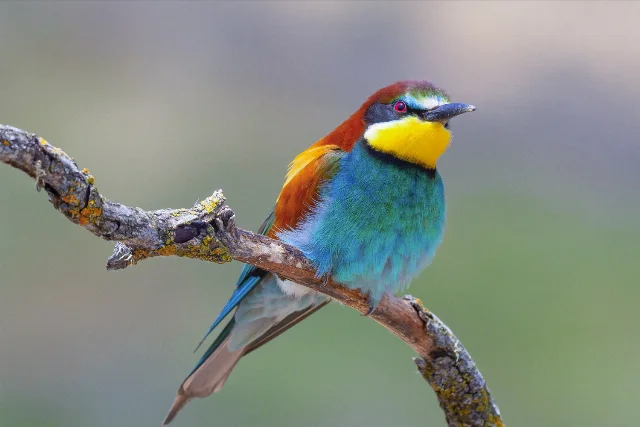
Chaco Sparrow Basic Information
| Scientific Name |
Rhynchospiza strigiceps
|
| Status |
LC
Least Concern
|
| Size |
13-14 cm (5-6 inch)
|
| Colors |
|
| Type |
|
| Family |
New World sparrows |
Introduction
The Chaco Sparrow (Rhynchospiza strigiceps) is a charming and somewhat elusive species of perching bird that belongs to the Passerellidae family. Native to the semi-arid regions of South America, particularly within the Gran Chaco ecosystem, this sparrow is a testament to the biological diversity of the continent. Often overlooked by casual observers due to its modest plumage, the Chaco Sparrow plays a vital role in its local environment. Ornithologists have long studied this species to understand the ecological connectivity between the dry forests and grasslands of Argentina, Bolivia, and Paraguay. As a member of the genus Rhynchospiza, it shares distinct evolutionary characteristics that allow it to thrive in environments that experience extreme temperature fluctuations. Understanding the life history of this bird is essential for conservationists working to protect the fragile habitats of the Chaco region, which faces ongoing threats from agricultural expansion and habitat fragmentation. This guide explores every facet of this remarkable bird, from its cryptic physical appearance to its complex social behaviors.
Physical Appearance
The Chaco Sparrow is a small but robust bird, measuring approximately 13 to 14 centimeters in length. Its plumage is primarily defined by earthy, brown tones that provide excellent camouflage against the arid brush and leaf litter of its natural habitat. The secondary coloration consists of soft buff streaks and highlights that run across its wings and underparts, allowing it to blend seamlessly into the sun-dappled scrubland. The bird features a relatively thick, conical bill adapted for husking seeds, which is a hallmark of its group. Its crown is marked by distinct darker stripes, which give the bird a slightly intense facial expression. The eyes are bright and alert, set against a lighter supercilium that adds to its characteristic sparrow-like silhouette. The tail is relatively short and rounded, often flicked nervously while the bird forage on the ground. Juveniles may appear more streaked than adults, providing a distinct contrast during the post-breeding season. Overall, the Chaco Sparrow’s appearance is a perfect example of evolutionary adaptation, favoring utility and concealment over vibrant, flashy colors.
Habitat
The Chaco Sparrow is primarily restricted to the Gran Chaco ecoregion, spanning parts of northern Argentina, western Paraguay, and southern Bolivia. It favors open to semi-open habitats, including dry woodlands, thorn forests, and shrub-dominated grasslands. Unlike species that inhabit dense, closed-canopy forests, the Chaco Sparrow thrives in areas where there is a mosaic of low-lying vegetation and exposed ground. They are frequently found in areas with scattered acacia trees and dense undergrowth, which provide both nesting sites and protection from aerial predators. This bird is highly adapted to the seasonal aridity of the Chaco, capable of navigating environments that undergo significant changes between the wet and dry seasons.
Diet
As a typical member of the sparrow family, the Chaco Sparrow is primarily a granivore, meaning its diet consists largely of seeds gathered from the ground. During the warmer, wetter months, its nutritional intake expands to include a significant variety of small insects, larvae, and spiders. This seasonal shift is crucial, as the protein provided by invertebrates is essential for the growth of nestlings. When foraging, the Chaco Sparrow uses its sturdy bill to crack open hard seeds or pluck insects from the base of grasses. They are often seen hopping energetically along the forest floor, scratching at the soil to uncover hidden food sources.
Breeding and Nesting
Breeding for the Chaco Sparrow typically aligns with the onset of the rainy season, which ensures an abundance of food for the upcoming brood. The birds are monogamous and work together to construct a cup-shaped nest, usually hidden low in the dense foliage of a shrub or a clump of tall, hardy grass. The nest is meticulously woven from fine twigs, dried grasses, and lined with softer materials like animal hair or downy plant fibers to ensure the safety and warmth of the eggs. A typical clutch consists of three to four pale, lightly speckled eggs. Both parents participate in the incubation process, which lasts roughly two weeks. Once hatched, the chicks are fed a high-protein diet of insects by both adults until they are ready to fledge, which usually occurs about 12 to 14 days after hatching.
Behavior
The Chaco Sparrow is generally a shy and reclusive bird, often remaining deep within the cover of bushes, which makes it difficult to observe in the wild. Despite its timid nature, it can be quite vocal, especially during the breeding season when males perform song displays from exposed perches to establish and defend their territories. Their song is a simple, rhythmic series of notes that blends into the ambient sounds of the scrubland. When threatened, they exhibit a characteristic flight pattern, darting low and quickly into dense cover rather than flying high into the open air. This behavior minimizes their visibility to raptors and other potential threats common to their environment.
Conservation Status
-
LC
Least Concern
Currently, the Chaco Sparrow is classified as a species of Least Concern by the IUCN; however, this status is somewhat precarious. The primary threat to this species is the rapid loss of its natural habitat due to large-scale deforestation for cattle ranching and soy cultivation in the Gran Chaco. While the sparrow currently maintains a stable population, continued fragmentation of the scrublands could lead to localized declines. Conservation efforts should focus on preserving large, interconnected patches of native Chaco vegetation to ensure the long-term survival of this and other endemic bird species.
Interesting Facts
- The Chaco Sparrow is an endemic species to the Gran Chaco, meaning it is not found naturally anywhere else in the world.
- They possess a highly specialized bill that allows them to process seeds that other smaller birds cannot open.
- Despite their small size, they are incredibly territorial during the breeding season, often chasing away larger birds that venture too close to their nest.
- The bird's cryptic coloration is so effective that it can remain motionless for several minutes, becoming virtually invisible to the human eye.
- They are known to engage in 'ground-scratching' behavior, which helps them locate dormant seeds hidden under the dust of the dry forest floor.
- The song of the Chaco Sparrow is often one of the first sounds heard at dawn in the Chaco region, signaling the start of the daily foraging cycle.
Tips for Birdwatchers
To spot the Chaco Sparrow, patience and silence are your greatest assets. Because they are shy and prefer the cover of thickets, it is best to set up near a known foraging area at dawn or dusk when the birds are most active. Wear neutral-colored clothing that blends into the background to avoid spooking them. Using high-quality binoculars is essential, as the sparrow often stays deep within the shadows of the brush. Listen carefully for their distinct, rhythmic song, which is often the best indicator of their presence. If you hear a series of notes coming from a low bush, remain still; the bird will eventually emerge to feed or check its surroundings, giving you the perfect opportunity for observation.
Conclusion
In conclusion, the Chaco Sparrow (Rhynchospiza strigiceps) is a quintessential example of the specialized life that has evolved within the unique, challenging environment of the Gran Chaco. While it may not possess the vibrant colors of tropical parrots or the imposing stature of raptors, its ecological importance as a seed disperser and insect regulator is immeasurable. Its ability to survive in arid, harsh conditions is a testament to the resilience of nature. For birdwatchers and conservationists alike, the Chaco Sparrow serves as a reminder of the importance of protecting specialized habitats from human-induced degradation. By maintaining the integrity of the Chaco scrublands, we ensure that this modest yet fascinating bird continues to thrive for generations to come. Whether you are an experienced ornithologist or a casual nature enthusiast, learning about the Chaco Sparrow provides a deeper appreciation for the hidden gems of South American biodiversity. We hope this guide has inspired you to learn more about the species and perhaps even venture out to catch a glimpse of this remarkable bird in its natural home.
Chaco Sparrow Distribution Map & Range
The distribution map for this species will be available soon.
We are working with our official data partners to update this information.