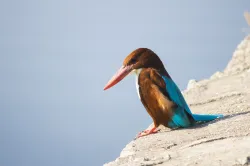
Chestnut Seedeater Basic Information
| Scientific Name |
Sporophila cinnamomea
|
| Status |
VU
Vulnerable
|
| Size |
10-11 cm (4-4 inch)
|
| Colors |
|
| Type |
|
| Family |
Tanagers |
Introduction
The Chestnut Seedeater, scientifically known as Sporophila cinnamomea, is a fascinating and highly specialized member of the Thraupidae family. These small, perching birds are native to the grasslands and marshy regions of South America, primarily within Brazil, Argentina, and Paraguay. Known for their striking plumage and distinct vocalizations, they represent a unique group of birds that have adapted specifically to the tall-grass ecosystems. The Chestnut Seedeater is often studied by ornithologists due to its complex migratory patterns and its reliance on specific grassland habitats that are currently under threat from agricultural expansion. As a flagship species for the conservation of South American grasslands, understanding the life cycle and ecological requirements of this seedeater is crucial for regional biodiversity efforts. Despite their diminutive size, they play a significant role in their ecosystem by contributing to seed dispersal and acting as an indicator species for the health of their native savannah landscapes.
Physical Appearance
Measuring between 10 and 11 centimeters in length, the Chestnut Seedeater is a compact and visually captivating bird. The most striking feature of the male is its deep, rich chestnut coloration, which covers the majority of its body, providing a vibrant contrast against its environment. This primary color is complemented by bold black markings, particularly on the wings and tail feathers, which add a layer of sophistication to its appearance. The beak is characteristically thick and conical, an adaptation essential for cracking open the hard seeds that make up the bulk of its diet. Females, in contrast, exhibit more muted, brownish-tan tones, which provide essential camouflage while they are nesting in dense vegetation. Both sexes possess a streamlined silhouette typical of perching birds, allowing them to maneuver easily through tall grasses and reeds. Their eyes are dark and alert, reflecting the constant vigilance required to evade predators in their open-habitat environments. The subtle interplay between the chestnut and black hues makes them a highly sought-after sighting for birdwatchers.
Habitat
The Chestnut Seedeater is a habitat specialist, preferring open, seasonally flooded grasslands, wet savannahs, and marshy areas. They are most commonly found in regions where tall grasses provide both cover and a reliable food source. These birds are highly sensitive to changes in their environment, particularly the conversion of natural grasslands into pasture or agricultural land. They require specific moisture levels in their habitat to support the growth of the grasses they rely on for nesting and foraging. During the non-breeding season, they may move across larger areas in search of optimal conditions, showing a preference for undisturbed, native vegetation that remains resilient against seasonal climatic shifts.
Diet
As their name implies, the Chestnut Seedeater is primarily granivorous, meaning their diet consists almost exclusively of seeds. They are particularly adept at harvesting seeds from various species of native grasses that grow in their wetland habitats. By using their powerful, cone-shaped beaks, they can efficiently husk and consume seeds of different sizes. Occasionally, during the breeding season, they may supplement their seed-based diet with small insects or larvae, which provide the extra protein necessary for rearing chicks. Their foraging behavior is methodical; they perch on grass stems, often bending them down to access the seed heads, moving systematically through the field to maximize intake.
Breeding and Nesting
The breeding season of the Chestnut Seedeater is closely synchronized with the rainy season, when food resources are at their most abundant. During this time, males perform elaborate displays to attract mates, utilizing their vibrant chestnut plumage and melodic songs. The nest is typically a small, neat cup-shaped structure constructed from fine plant fibers, grass blades, and spider silk, carefully woven and placed low in the dense fork of a shrub or within thick stalks of tall grass. The female is primarily responsible for nest construction and incubation, laying a small clutch of eggs that are pale with darker markings. Both parents share the responsibility of feeding the hatchlings once they emerge. The nesting process is highly vulnerable to predation, necessitating the cryptic coloration of the female and the careful placement of the nest deep within the vegetation to ensure the survival of the next generation.
Behavior
Chestnut Seedeaters are generally social birds, often observed in small groups, especially outside of the breeding season. They are highly active during the day, spending much of their time foraging on the ground or low in the vegetation. Their flight is characterized by quick, undulating movements, and they are frequently heard before they are seen, thanks to their short, rhythmic, and pleasant-sounding songs. During the breeding season, males become more territorial, defending their chosen patches of grass with vocal displays and aggressive posturing against intruders. They are generally shy and elusive, preferring to remain hidden within the safety of the tall grass, which makes them a challenge to observe in the wild.
Conservation Status
-
VU
Vulnerable
The Chestnut Seedeater is currently classified as a species of concern due to the rapid loss and fragmentation of its native grassland habitats. The primary threats include the expansion of cattle ranching, large-scale agriculture, and the practice of burning grasslands, which destroys nesting sites. Conservationists are working to protect key remnants of these ecosystems through the establishment of protected areas and the promotion of sustainable land management practices. Without targeted intervention and habitat restoration, the population of these unique birds is likely to continue its downward trend, highlighting the urgent need for regional conservation strategies.
Interesting Facts
- They are expert grass-seed foragers, using specialized beaks to husk tough seeds.
- Males are famous for their vibrant chestnut plumage, which is used in complex courtship dances.
- They are highly migratory, moving between different grassland systems in South America.
- The species acts as a bio-indicator for the health of South American savannah ecosystems.
- They build intricate, cup-shaped nests using spider silk for structural integrity.
- Despite their small size, they have a loud and melodic song that carries well over the open plains.
Tips for Birdwatchers
For birdwatchers hoping to spot the Chestnut Seedeater, patience and the right equipment are essential. Because they are shy and prefer to stay within dense, tall grass, using a high-quality pair of binoculars or a spotting scope is highly recommended. The best time to look for them is during the early morning or late afternoon when they are most active. Learning their specific song is perhaps the most effective way to locate them in the field. It is also important to respect their habitat; stay on established paths and avoid disturbing the vegetation, as this can frighten them away or accidentally damage their delicate nests. Joining a local guided birding tour can significantly increase your chances of a successful sighting, as experienced guides are often familiar with the specific locations where these birds congregate.
Conclusion
The Chestnut Seedeater is a remarkable example of nature's specialization, perfectly adapted to the vast, open grasslands of South America. Its vivid chestnut and black plumage, combined with its unique foraging behaviors and complex song, make it a prized subject for ornithologists and bird enthusiasts alike. However, the future of the Chestnut Seedeater remains tied to the preservation of its fragile environment. As human activity continues to encroach upon native marshlands and savannahs, the survival of this species depends on our ability to balance agricultural development with proactive environmental conservation. Protecting these habitats does more than just save a single species; it preserves the intricate web of life that defines these unique ecosystems. By raising awareness, supporting conservation groups, and participating in ethical birdwatching, we can contribute to the long-term success of the Chestnut Seedeater. We must ensure that future generations can still hear the melodic song of this small bird echoing across the South American plains, a testament to the enduring beauty and diversity of our natural world.
Chestnut Seedeater Distribution Map & Range
The distribution map for this species will be available soon.
We are working with our official data partners to update this information.