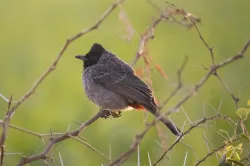
Copper Seedeater Basic Information
| Scientific Name |
Sporophila bouvreuil
|
| Status |
LC
Least Concern
|
| Size |
10-11 cm (4-4 inch)
|
| Colors |
|
| Type |
|
| Family |
Tanagers |
Introduction
The Copper Seedeater, scientifically known as Sporophila bouvreuil, is a fascinating member of the Thraupidae family. This small perching bird is a jewel of the South American grasslands, often capturing the hearts of birdwatchers with its striking color palette and melodious songs. As a member of the diverse Sporophila genus, the Copper Seedeater is frequently sought after by enthusiasts looking to document the unique avifauna of the Neotropics. These birds are not only ecologically significant as seed dispersers but also serve as indicators of the health of their native savannah ecosystems. Despite their small stature, they possess a robust presence in their environment, often congregating in small flocks during the non-breeding season. Understanding the Copper Seedeater requires a deep dive into its specific biological needs, ranging from its preference for open grasslands to its specialized diet. As we explore the intricacies of this species, we gain a better appreciation for the fragile balance of the ecosystems they inhabit and the ongoing efforts required to ensure their continued survival in an ever-changing landscape.
Physical Appearance
The Copper Seedeater is a compact perching bird, measuring approximately 10 to 11 centimeters in length. Its physical appearance is characterized by a distinct sexual dimorphism that makes identification relatively straightforward for experienced observers. The male of the species is particularly striking, boasting a vibrant chestnut-colored plumage that covers much of its body, complemented by a soft, slate-grey back and wings. This combination of deep, earthy tones gives the bird its common name, as the chestnut hues evoke the appearance of polished copper. The bill is typically short, conical, and perfectly adapted for cracking open seeds, a hallmark feature of the seedeater group. In contrast, the female and juvenile birds exhibit more muted, brownish-grey tones, which provide essential camouflage against the dry grasses of their habitat. Their small size, combined with their agile flight patterns, makes them appear as quick flashes of color moving through the tall vegetation. The intricate patterns on their wings and the subtle variations in their facial markings are key identifiers that distinguish them from other closely related species within the Sporophila genus.
Habitat
The Copper Seedeater is primarily found in the open landscapes of South America, with significant populations residing in Brazil and surrounding regions. They show a strong preference for grassy savannahs, wet meadows, and areas with tall, herbaceous vegetation where they can forage and nest securely. These birds are highly dependent on the presence of native grasses that provide both food and nesting materials. As agricultural development continues to expand throughout their range, the Copper Seedeater is increasingly found in secondary habitats, although they thrive most in undisturbed, open-country environments. They are rarely found in dense forests, preferring the sunlight and visibility of open, expansive plains where they can maintain line-of-sight communication with other members of their flock.
Diet
As their name suggests, the diet of the Copper Seedeater consists almost exclusively of seeds. They are specialized granivores, equipped with a powerful, conical beak designed to hull various grass seeds with precision and efficiency. During the breeding season, their dietary needs may shift slightly to include small insects and larvae, which provide the necessary protein for rapid chick development. They are often seen foraging on the ground or clinging to the stalks of tall grasses to reach seed heads. Their feeding behavior is methodical; they move through patches of vegetation, selecting the most nutritious seeds available, which makes them vital contributors to the natural propagation of grassland plants through seed dispersal.
Breeding and Nesting
The breeding season of the Copper Seedeater is closely linked to the availability of food resources, typically occurring during the peak of the rainy season when grasses are most productive. Males establish small territories, performing complex song displays to attract females and ward off rivals. The nest is a delicate, cup-shaped structure meticulously woven from fine grasses, spiderwebs, and plant fibers, usually tucked into the fork of a small bush or hidden deep within a cluster of tall grass. The female is responsible for the majority of the nest construction and incubation of the 2 to 3 eggs. Once hatched, both parents participate in feeding the chicks, demonstrating a high level of parental investment that ensures the survival of their offspring in the face of various environmental pressures.
Behavior
Copper Seedeaters are social birds, often seen in small groups, especially outside the breeding season. They are highly active and exhibit a nervous, energetic temperament, frequently fluttering between perches or hopping along the ground in search of food. Their flight is undulating and swift, allowing them to navigate through dense grass stalks with ease. During the breeding season, males become more solitary and territorial, spending significant time perched atop prominent grass stems to sing their complex, musical phrases. This vocalization is not only a mating display but also a way to maintain social bonds within the local population, showcasing their reliance on acoustic communication to survive.
Conservation Status
-
LC
Least Concern
The Copper Seedeater is currently classified as a species of Least Concern by major conservation organizations, though this status warrants careful monitoring. The primary threat to this species is the widespread conversion of native savannah habitats into agricultural land and pasture. While they show some adaptability to human-altered landscapes, the loss of specific native grasses remains a significant concern. Conservation efforts focused on preserving protected grasslands and promoting sustainable land-use practices are essential to maintaining the long-term viability of their populations across their South American range.
Interesting Facts
- They are often kept as cage birds due to their pleasant, melodic song.
- The name 'Sporophila' translates to 'seed lover' in Greek.
- Males are significantly more colorful than females, which helps them attract mates.
- They play a crucial role in local ecosystems by dispersing native grass seeds.
- Their beak structure is a classic example of evolutionary adaptation for a granivorous diet.
- They are highly sensitive to changes in their grassland environment.
Tips for Birdwatchers
For birdwatchers hoping to spot the Copper Seedeater, patience and the right location are key. Focus your search on open grassland areas during the early morning hours, when the birds are most active and vocal. Using high-quality binoculars will help you distinguish the subtle differences between this species and other similar seedeaters. Listen carefully for their characteristic, repetitive songs, which often give away their location before you see them. It is also advisable to remain still and blend into the environment, as these birds can be quite skittish. Engaging with local birding guides who know the specific nesting sites can significantly increase your chances of a successful observation without disturbing these beautiful birds.
Conclusion
The Copper Seedeater is a remarkable example of the avian diversity found within South America’s vast grassland ecosystems. From its striking chestnut and grey plumage to its specialized granivorous diet, every aspect of this bird reflects a life perfectly tuned to its environment. As we have explored, their role as seed dispersers and their complex social behaviors make them a fascinating subject for both ornithologists and casual birdwatchers alike. While they are currently considered stable, the ongoing challenges of habitat loss serve as a reminder that even common species require our attention and protection. By fostering a greater understanding of the Copper Seedeater and the habitats they depend on, we can help ensure that these vibrant birds continue to grace the grasslands with their song for generations to come. Whether you are an experienced birder or someone just beginning to appreciate the natural world, the Copper Seedeater offers a rewarding glimpse into the intricate beauty of the Neotropical avifauna. We encourage all nature lovers to observe these birds responsibly, respecting their nesting territories and advocating for the preservation of the open landscapes that they call home. Every observation counts toward a better understanding of our planet's incredible biodiversity, and the Copper Seedeater is undoubtedly a highlight of any birding expedition in their native range.
Copper Seedeater Distribution Map & Range
The distribution map for this species will be available soon.
We are working with our official data partners to update this information.