Masked Cardinal Basic Information
| Scientific Name |
Paroaria nigrogenis
|
| Status |
LC
Least Concern
|
| Size |
17-18 cm (7-7 inch)
|
| Colors |
|
| Type |
|
| Family |
Tanagers |
Introduction
The Masked Cardinal (Paroaria nigrogenis) is a captivating species of perching bird that belongs to the Thraupidae family. Often celebrated for its striking plumage and distinct facial markings, this bird is a favorite among ornithologists and birdwatchers in its native South American range. Unlike the common cardinals found in North America, the Masked Cardinal possesses a unique aesthetic that makes it stand out in the dense tropical foliage it calls home. These birds are primarily found in northern South America, specifically inhabiting areas of Venezuela and nearby regions. Their presence adds a vibrant splash of color to the riparian forests and scrublands they frequent. Understanding the Masked Cardinal requires a deep look into its behavioral ecology, social structure, and its specific environmental needs. As we explore the intricacies of this species, it becomes clear that the Masked Cardinal is not just a beautiful creature, but a vital component of its ecosystem, playing roles in seed dispersal and insect control within its natural range.
Physical Appearance
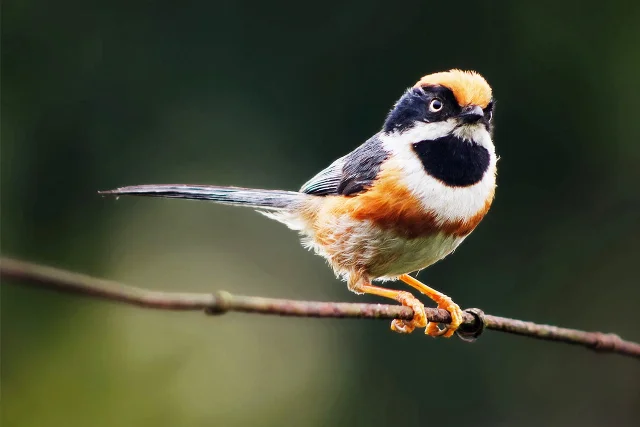
The Masked Cardinal is a medium-sized bird, typically measuring between 17 and 18 centimeters in length. Its most defining physical characteristic is the intense, vibrant red coloration that covers its head, crest, and throat, contrasting sharply with the deep, velvety black mask that encircles its eyes and extends toward the lores. This 'mask' is the namesake of the species and provides a severe, almost regal appearance. The bird’s back, wings, and tail are generally a slate-gray or brownish-black color, providing a muted backdrop that allows the brilliant red head to pop visually. The underparts are usually a clean, stark white, creating a tri-color pattern that is highly recognizable. The beak is relatively short and conical, perfectly adapted for a seed-based diet. Both males and females share similar plumage, though males may exhibit slightly more intense pigmentation during the breeding season. Their sturdy legs and feet are designed for perching, allowing them to remain stable while foraging in the canopy or on the ground.
Habitat
The Masked Cardinal is primarily found in northern South America, with a distribution range that includes Venezuela and parts of the Caribbean coast. They are highly adaptable birds that prefer habitats near water sources, such as riverbanks, marshes, and the edges of tropical forests. They are also frequently spotted in open woodlands, scrubby thickets, and even human-altered landscapes like gardens and plantations, provided there is sufficient cover. Their preference for riparian environments is likely linked to the abundance of food sources found in these lush, humid areas. They are rarely found in dense, deep forest interiors, preferring the mosaic of light and shadow found at the forest edge or in swampy, vegetation-rich environments.
Diet
The diet of the Masked Cardinal is diverse, consisting primarily of seeds, grains, and small fruits found within its tropical habitat. They are well-equipped with a strong, conical beak that allows them to crack open tough husks to reach the nutrient-rich interiors of seeds. In addition to plant matter, these birds are opportunistic feeders and will frequently consume small insects, larvae, and spiders, especially during the breeding season when the need for protein is higher for developing chicks. They are often seen foraging in pairs or small groups on the ground, hopping along the leaf litter, or perched on low branches, scanning the surrounding foliage for small invertebrates.
Breeding and Nesting
During the breeding season, the Masked Cardinal exhibits complex courtship displays that involve singing and rhythmic movements to attract a mate. Once a pair is formed, they work together to construct a cup-shaped nest, usually hidden within the dense foliage of a tree or shrub, often near water. The nest is meticulously woven from twigs, rootlets, and grasses, and is often lined with softer materials like feathers or fine plant fibers to protect the eggs. A typical clutch consists of two to three eggs, which are incubated primarily by the female. Both parents are highly protective of their nesting site, aggressively defending it against intruders. Once the chicks hatch, both adults share the responsibility of feeding the young, bringing a steady supply of insects to ensure rapid growth and development before they fledge the nest.
Behavior
The Masked Cardinal is a social bird that is often observed in pairs or small family groups throughout the year. They are known for their relatively bold nature and are not easily spooked by human presence, which makes them a delight to observe in the wild. Their vocalizations are varied, consisting of sharp chips and melodic, warbling songs that are used for territorial defense and communication between mates. While they are primarily arboreal, they spend a significant amount of time foraging on the ground. They are relatively active birds, constantly moving through the branches or hopping across open spaces in search of food, maintaining social cohesion through constant contact calls.
Conservation Status
-
LC
Least Concern
Currently, the Masked Cardinal is classified as a species of Least Concern by the IUCN. This indicates that their population is relatively stable and they are not currently facing immediate threats of extinction. However, like many tropical species, they are susceptible to habitat loss caused by deforestation, urbanization, and agricultural expansion. Protecting the riparian corridors and scrublands they inhabit is essential for their long-term survival. Conservation efforts should focus on maintaining the health of their natural ecosystems and minimizing human encroachment into their primary breeding territories.
Interesting Facts
- The Masked Cardinal belongs to the Thraupidae family, which includes tanagers.
- The bird's name comes from the distinct black feathers surrounding its eyes.
- They are known to be quite territorial during the breeding season.
- Unlike some other cardinals, they have a very wide, conical beak.
- They are often seen foraging near human settlements and gardens.
- The species is a popular subject for nature photographers due to its high-contrast colors.
- They are excellent songbirds with a complex repertoire of calls.
- They rely heavily on proximity to water for both food and nesting materials.
Tips for Birdwatchers
For birdwatchers hoping to spot the Masked Cardinal, the best approach is to visit riparian forest edges or swampy areas early in the morning. Their habit of foraging on the ground makes them easier to spot than canopy-dwelling species. Using a pair of high-quality binoculars is essential, as the bird’s subtle movements against the leaf litter can be difficult to track. Listen for their distinct, sharp 'chip' calls, which often give away their location before you actually see them. Because they are not overly shy, patience is often rewarded; if you remain still, these birds may continue their foraging activities within close range. Always respect their space, especially during the breeding season, to avoid causing unnecessary stress to the nesting parents.
Conclusion
In conclusion, the Masked Cardinal (Paroaria nigrogenis) is a magnificent example of the avian diversity found in South America. Its vibrant red head and striking black mask make it one of the most recognizable birds in its range, while its adaptability to various environments ensures its continued presence in the wild. From its specialized diet of seeds and insects to its cooperative breeding behaviors, every aspect of this bird’s life is perfectly tuned to its tropical habitat. For bird enthusiasts, encountering a Masked Cardinal is a rewarding experience that highlights the beauty and complexity of perching birds. As we continue to study and protect the environments where these birds thrive, we ensure that future generations will also have the opportunity to marvel at their brilliance. Whether you are a professional ornithologist or a casual backyard birdwatcher, the Masked Cardinal serves as a reminder of the intricate connections within our natural world, emphasizing the importance of preserving the delicate ecosystems that support such remarkable avian life. By fostering a deeper understanding and appreciation for species like the Masked Cardinal, we take a significant step toward broader wildlife conservation goals.
Masked Cardinal Distribution Map & Range
The distribution map for this species will be available soon.
We are working with our official data partners to update this information.