Glaucous Tanager Basic Information
| Scientific Name |
Tangara glaucocolpa
|
| Status |
LC
Least Concern
|
| Size |
17-19 cm (7-7 inch)
|
| Colors |
|
| Type |
|
| Family |
Tanagers |
Introduction
The Glaucous Tanager, scientifically known as Tangara glaucocolpa, is a captivating member of the Thraupidae family. Often admired by bird enthusiasts and ornithologists alike, this perching bird is celebrated for its striking plumage and unique behavioral patterns within the Neotropical regions. As a representative of the tanager group, it plays a vital role in the ecosystem, contributing to seed dispersal and insect population control. Understanding this species requires a deep dive into its ecological niche, which is defined by specific environmental requirements and social structures. Throughout this guide, we will explore the nuances of the Glaucous Tanager, from its vibrant physical characteristics to its complex breeding behaviors. Whether you are an experienced birder or a nature enthusiast looking to learn more about avian biodiversity, the Glaucous Tanager offers a fascinating look into the evolutionary success of perching birds in dense, forested environments. Join us as we examine what makes this species a true gem of the avian world.
Physical Appearance
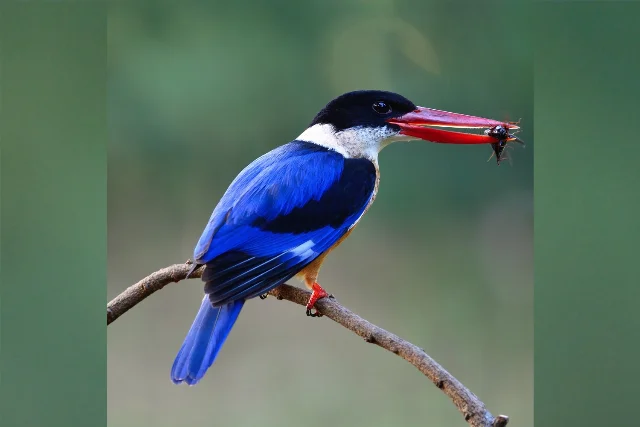
The Glaucous Tanager is a medium-sized perching bird, typically measuring between 17 and 19 cm in length. Its most defining characteristic is its breathtaking coloration, which is dominated by a rich, iridescent blue primary color that catches the light beautifully in the forest canopy. This primary blue is elegantly complemented by subtle shades of grey, particularly around the wings and underparts, which give the bird its common name, 'Glaucous,' referring to the dull, bluish-grey waxy coating often seen on plants. The plumage is dense and smooth, providing excellent camouflage against the filtered light of its habitat. The bill is typically short, stout, and perfectly adapted for its specific diet, while its eyes are bright and alert, allowing it to navigate complex branches with ease. Both males and females share similar, though sometimes subtly distinct, color patterns, which is common in many tanager species. Their body shape is streamlined, characteristic of highly active perching birds that require agility to maneuver through dense foliage while foraging for food or escaping potential predators.
Habitat
The Glaucous Tanager is primarily found in the lush, tropical environments of South America. These birds prefer habitats that offer a mix of dense forest edges, secondary growth, and humid woodland areas. They are rarely found in open fields, as they rely heavily on the cover provided by tree canopies for protection and nesting. The species thrives in areas with high biodiversity, where they can find a constant supply of food and shelter throughout the year. As altitude can play a role in their distribution, they are often spotted in tropical lowlands and lower montane regions, where the temperature remains relatively stable and the humidity supports rich vegetation growth.
Diet
As a typical tanager, the Glaucous Tanager maintains a varied and opportunistic diet. They are primarily frugivorous, meaning they feed heavily on a wide variety of small forest fruits and berries found in their habitat. However, their diet is not limited to fruit; they are also insectivorous, actively hunting for small arthropods, caterpillars, and spiders, especially during the breeding season when protein is essential for the growth of their chicks. This combination of fruit and insects makes them highly important for local ecosystems, as they assist in plant propagation through seed dispersal while simultaneously helping to manage insect populations within their territory.
Breeding and Nesting
Breeding for the Glaucous Tanager is a seasonal affair, often synchronized with the local rainy season when food resources are most abundant. These birds are known for their intricate nesting habits, typically constructing cup-shaped nests hidden deep within the foliage of trees or shrubs. Both the male and female work together to weave twigs, moss, lichens, and spider silk into a sturdy, well-insulated structure that protects their eggs from both predators and the elements. A typical clutch consists of two to three eggs, which are incubated by the female for approximately two weeks. Once hatched, both parents take on the responsibility of feeding the chicks, bringing a constant supply of insects to ensure rapid development. This cooperative parenting style is essential for the survival of the brood, as the chicks are vulnerable to various threats within the dense forest environment until they are ready to fledge.
Behavior
The Glaucous Tanager is a highly social bird, often observed moving through the forest in small, active groups or pairs. They are known for their lively and energetic demeanor, constantly flitting between branches in search of food. Their vocalizations are often melodious, serving as a primary means of communication within their social groups and for defending their territory against intruders. While they are generally peaceful, they can become quite assertive when protecting their nesting site. Their movement patterns are characterized by quick, darting flights followed by periods of stillness, a strategy that helps them remain undetected by predators while effectively scanning their surroundings for both food and potential threats.
Conservation Status
-
LC
Least Concern
Currently, the Glaucous Tanager is not listed as a critically endangered species, but it does face ongoing challenges related to habitat loss. As deforestation and agricultural expansion continue to impact the tropical forests of South America, the available range for this species is gradually shrinking. Conservation efforts are focused on protecting key forest corridors and promoting sustainable land management practices that preserve the integrity of their natural habitat. Monitoring their population numbers is crucial to ensure that this beautiful bird remains a stable part of the Neotropical ecosystem for generations to come.
Interesting Facts
- The name 'Glaucous' refers to the unique bluish-grey, waxy-looking plumage of the bird.
- They are vital seed dispersers for many native tropical fruit trees.
- They often participate in mixed-species foraging flocks to increase safety from predators.
- Both parents share the duties of nest building and feeding the young.
- Their iridescent feathers change appearance based on the angle of sunlight.
- They are highly agile, capable of reaching fruit in very thin, outer canopy branches.
- During the breeding season, their vocalizations become more complex and frequent.
Tips for Birdwatchers
For birdwatchers hoping to catch a glimpse of the Glaucous Tanager, patience and the right equipment are key. Because they frequent the mid-to-upper canopy levels, high-quality binoculars or a spotting scope are essential for clear observation. Early morning is the best time to look for them, as this is when they are most active and vocal. Focus your search on fruiting trees, as the promise of a meal will often draw them out into the open. Additionally, learning their specific calls can significantly improve your chances of locating them in dense foliage. Always maintain a respectful distance and avoid using flash photography to ensure you do not disturb their natural behavior or nesting sites.
Conclusion
The Glaucous Tanager (Tangara glaucocolpa) stands as a testament to the beauty and complexity of the avian world. With its striking blue and grey plumage and its vital role as a seed disperser and insect controller, it is a species that commands respect and protection. Throughout this guide, we have explored the various aspects of its life—from the physical traits that allow it to thrive in the canopy to the social structures that govern its daily existence. As we continue to face global environmental challenges, the survival of the Glaucous Tanager depends on our commitment to preserving the tropical forests they call home. By supporting conservation initiatives and practicing responsible birdwatching, we can help ensure that these magnificent birds continue to grace our forests with their presence. Whether you are inspired by their vibrant colors or their interesting behavioral adaptations, the Glaucous Tanager remains a highlight of any birding expedition in the Neotropics. We hope this overview has provided you with a deeper appreciation for this remarkable species and encouraged you to learn more about the diverse world of tanagers.
Glaucous Tanager Distribution Map & Range
The distribution map for this species will be available soon.
We are working with our official data partners to update this information.