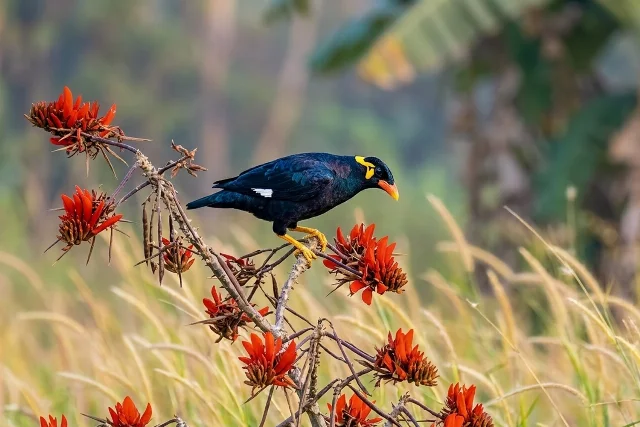
Marsh Seedeater Basic Information
| Scientific Name |
Sporophila palustris
|
| Status |
EN
Endangered
|
| Size |
10-11 cm (4-4 inch)
|
| Colors |
|
| Type |
|
| Family |
Tanagers |
Introduction
The Marsh Seedeater, scientifically known as Sporophila palustris, is a fascinating and elusive member of the Thraupidae family. These small perching birds are native to South America, primarily inhabiting the specialized wetland ecosystems of Argentina, Brazil, and Uruguay. Renowned for their delicate features and distinct plumage, these birds represent the intricate biodiversity found within the seasonal grasslands and marshes of the Southern Cone. Despite their modest size, they play a vital role in their local ecosystems, acting as seed dispersers and indicators of wetland health. Ornithologists and bird enthusiasts alike hold the Marsh Seedeater in high regard due to its status as a vulnerable species, making every sighting a significant event. Understanding the life cycle and ecological requirements of this bird is essential for ongoing conservation efforts aimed at protecting the fragile habitats that they call home. As we delve into the specifics of their biology, it becomes clear why the preservation of these specific avian populations is a priority for global environmental stewards.
Physical Appearance
Measuring a diminutive 10 to 11 centimeters in length, the Marsh Seedeater is a masterclass in subtle avian elegance. The bird exhibits a distinct color palette, with a primary base of soft grey tones that allow it to blend seamlessly into the misty morning light of its wetland habitat. This is complemented by warm, earthy brown secondary colors, often found on the wings and back, which provide essential camouflage against the stalks of tall grasses and reeds. Males often display more vibrant, contrast-rich plumage compared to the more muted, cryptic coloration of the females, a common trait in the Sporophila genus. The beak is characteristically stout, perfectly adapted for husking small seeds, which is a defining feature of the Seedeater group. Their overall build is compact and aerodynamic, facilitating agile movement through dense vegetation. The intricate patterns on their feathers, combined with their sharp, dark eyes, make them both difficult to spot and incredibly rewarding to observe when they finally emerge from the cover of the reeds.
Habitat
The Marsh Seedeater is a specialist inhabitant of South American wetlands, particularly favoring seasonally flooded grasslands and marshy plains. These environments, often referred to as 'pampas' or 'campos,' provide the specific vegetation density required for the species to thrive. They are highly dependent on native grasses and proximity to shallow water bodies, where they can forage and build their nests. Unfortunately, the conversion of these natural wetlands into agricultural land has significantly restricted their range. They are most commonly found in the humid regions of southern Brazil and northeastern Argentina, moving between sites based on the seasonal availability of water and specific seed-bearing grasses that constitute their primary habitat requirements.
Diet
As their common name suggests, the Marsh Seedeater is primarily a granivore, with a diet consisting almost exclusively of seeds from various grasses and forbs found within their marshy environment. They possess a specialized, robust beak designed for extracting seeds from the tough husks of native marsh grasses. During the breeding season, they may supplement their intake with small insects or larvae, which provide necessary protein for their growing chicks. Their foraging behavior is methodical; they perch on the tips of reeds or grass stalks, deftly manipulating the plant structures to reach the seeds. This diet makes them highly sensitive to the availability of specific botanical species, linking their survival directly to the health of the local plant community.
Breeding and Nesting
Breeding for the Marsh Seedeater is a seasonal activity, typically synchronized with the peak growth of grasses in their wetland homes. The male performs elaborate song displays to attract a mate, often perching prominently on a high reed to showcase his vocal prowess. Once a pair has formed, the female takes the lead in constructing a small, cup-shaped nest, expertly woven from fine grasses, spider silk, and plant fibers. These nests are usually placed low in the vegetation, often just above the water level, providing protection from aerial predators. The female typically lays two to three eggs, which she incubates while the male maintains a vigil nearby. This partnership ensures that the vulnerable chicks have the best possible chance of survival in a competitive and often unpredictable environment.
Behavior
The Marsh Seedeater is generally a shy and inconspicuous bird, preferring to remain hidden within the dense cover of marsh vegetation. They are often seen in small groups outside of the breeding season, moving through the grass with agile, hopping movements. During the mating season, however, their behavior shifts dramatically; males become highly territorial and vocal, engaging in spirited displays to defend their chosen nesting sites from rivals. Despite their small size, they are remarkably resilient, capable of navigating the complex terrain of floodplains with ease. Their flight is typically short and undulating, rarely taking them far from the safety of their preferred grassy cover.
Conservation Status
-
EN
Endangered
The Marsh Seedeater is currently classified as Vulnerable by the IUCN. Their primary threat is the rapid loss and degradation of their natural wetland habitats due to large-scale agriculture, cattle ranching, and drainage for urban development. Because they are highly specialized in their habitat requirements, they cannot easily adapt to changing landscapes. Conservation initiatives are currently focused on protecting key wetland sites and promoting sustainable land-use practices among local farmers. Protecting the Marsh Seedeater is synonymous with protecting the integrity of the South American wetland ecosystems they inhabit.
Interesting Facts
- They belong to the Thraupidae family, which includes many tanagers.
- The Marsh Seedeater is highly nomadic, moving long distances based on seasonal flooding.
- Males use complex, melodic songs to identify themselves to females during the breeding season.
- Their nest construction is so precise that it often blends perfectly with the surrounding reeds.
- They are considered a 'flagship species' for the preservation of South American grasslands.
Tips for Birdwatchers
Birdwatching for the Marsh Seedeater requires patience, silence, and a good pair of binoculars. The best time to spot them is during the early morning or late afternoon when they are most active. Focus your search on areas with tall, native grasses near marshy water. Because they are shy, try to remain as still as possible; wearing camouflage or neutral-colored clothing can significantly increase your chances of observing them without causing alarm. Bringing a high-quality field guide for the region is essential for distinguishing them from other similar Sporophila species. Always respect the habitat by staying on established paths and avoiding nesting areas during the breeding season.
Conclusion
In summary, the Marsh Seedeater (Sporophila palustris) is a quintessential example of a specialized avian species whose existence is intricately tied to the health of its environment. From its elegant grey and brown plumage to its highly specific dietary needs and nesting habits, this small bird serves as a bellwether for the ecological stability of South American wetlands. While its status as a vulnerable species highlights the precarious nature of its survival, the ongoing efforts by conservationists and the growing interest from the birdwatching community offer a glimmer of hope. By protecting the vast, grassy marshlands these birds call home, we not only save a unique species but also preserve the biodiversity of an entire ecosystem. Whether you are an experienced ornithologist or a casual nature enthusiast, observing the Marsh Seedeater in its natural habitat is an experience that underscores the beauty and complexity of the natural world. It is our collective responsibility to ensure that this remarkable little bird continues to thrive for generations to come, reminding us of the delicate balance of life in our wetlands.
Marsh Seedeater Distribution Map & Range
The distribution map for this species will be available soon.
We are working with our official data partners to update this information.